
Last updated November 18, 2026
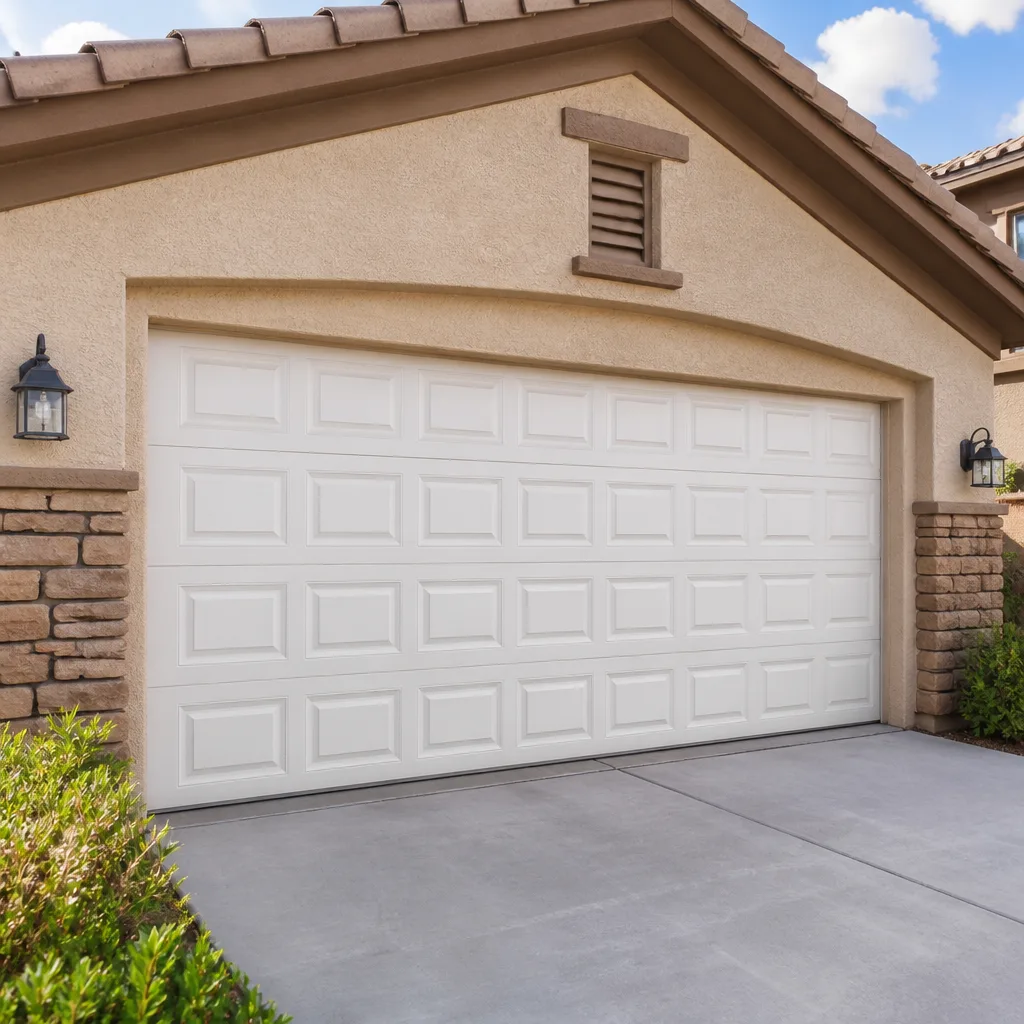 Raised-panel steel
 Carriage house
 Modern flush
 Full-view glass
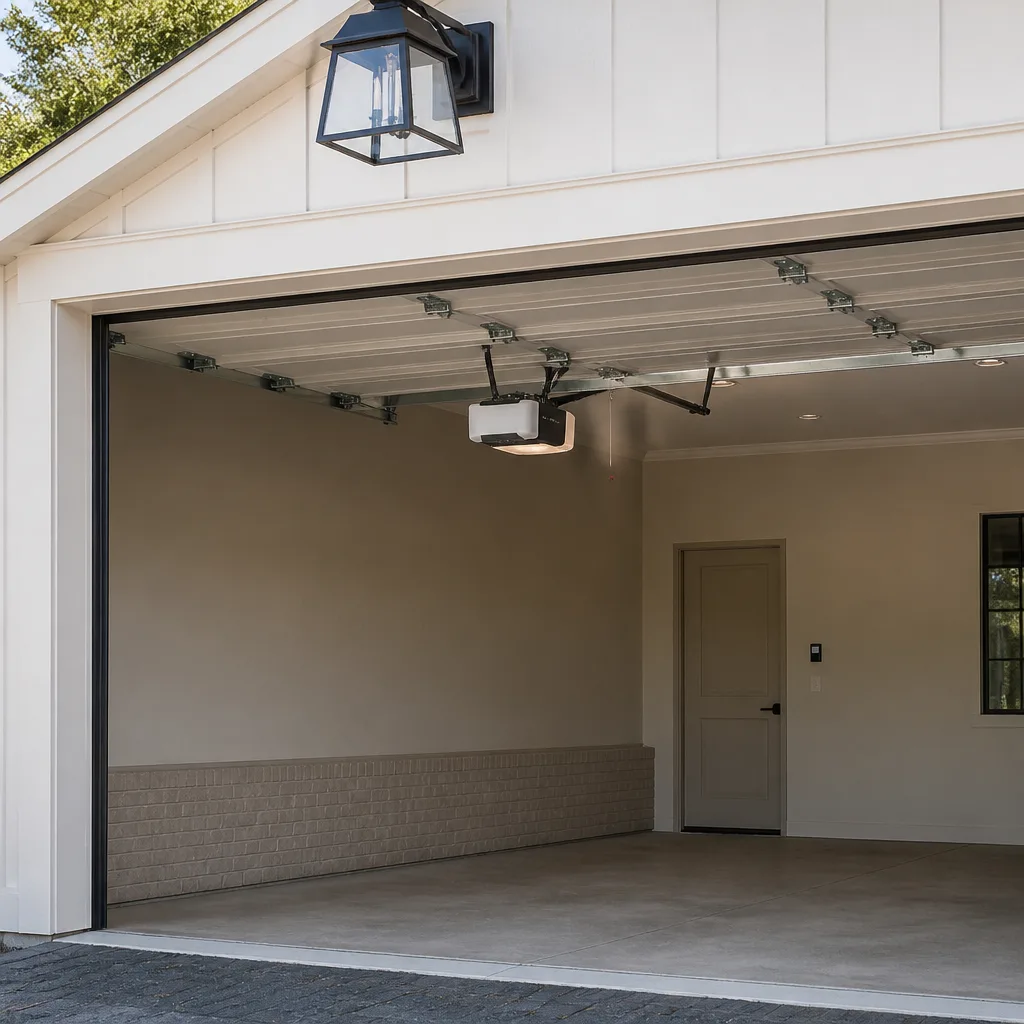 LiftMaster openers
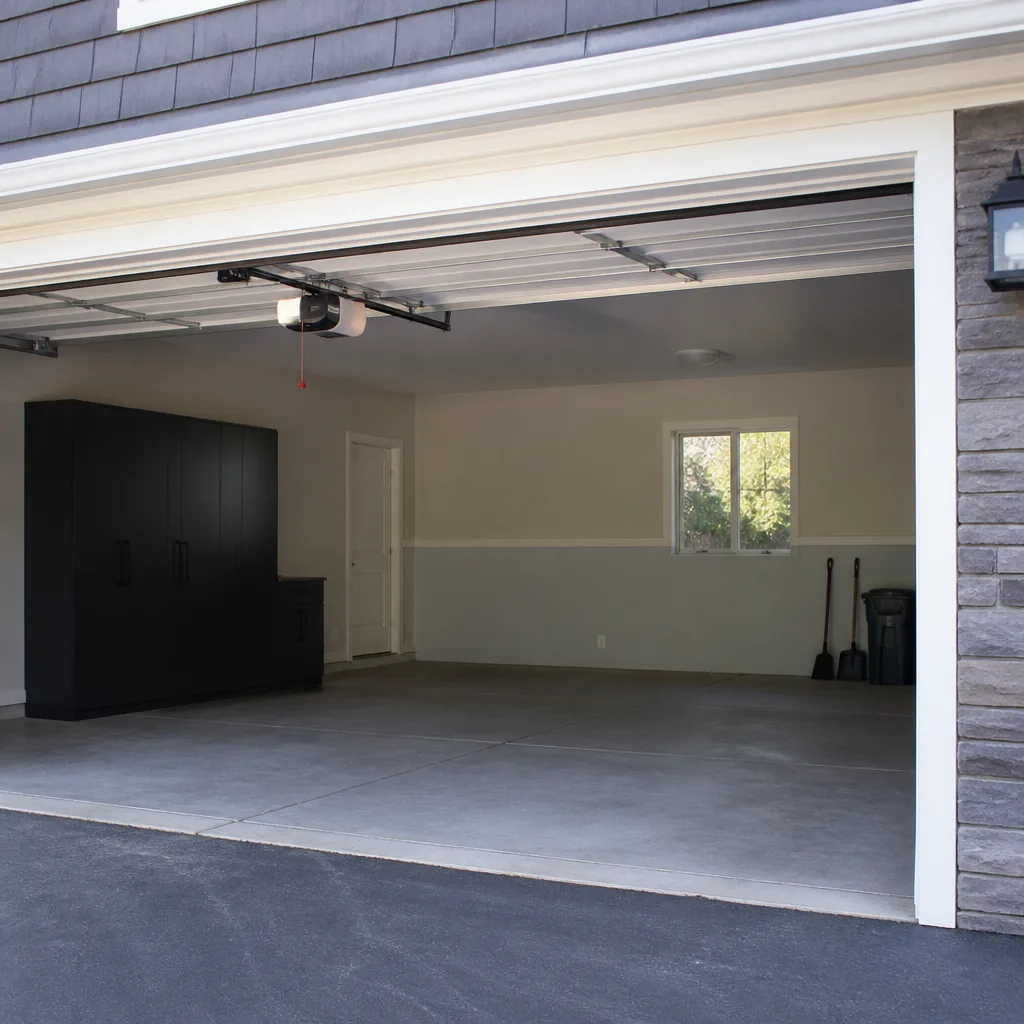 Chamberlain openers
Full 25-point door and opener safety check with every visit - springs, cables, rollers, tracks, and your LiftMaster or Chamberlain opener included
You get a price before we start. It does not change when the pro arrives.
Get your free estimateGarage Door Parts Warning Signs Every Homeowner Should Know
A door that shudders on the way up is not one problem. It is one of at least four different failing parts that all produce the same shudder, and the repair bill between them ranges from roughly $22 to $310 apart. That gap is the whole reason this guide exists. Most warning-sign write-ups list symptoms without naming the part behind them, so a homeowner in Whitney hears a grind, assumes the worst, and either overpays for a minor fix or waits on a failing cable that should have been caught weeks earlier. What follows maps each symptom to the specific component producing it: sound type, location in the door’s travel, and the part most likely responsible. You’ll finish knowing which signs mean “schedule this” and which mean “stop using the door tonight.”
Quick Answer
The main garage door parts warning signs are grinding or squealing from the top of the travel (usually the torsion spring or the opener’s trolley), a door that shudders or jerks on one side (worn rollers or a bent track), frayed cables near the bottom corners, a bottom seal with uneven gaps, and any door that reverses without command. Noise warnings usually mean a part is wearing slowly; movement warnings can mean the door is unsafe to operate today.
Styles & brands we work with
- Raised-panel steel
- Carriage house
- Modern flush
- Full-view glass
- LiftMaster openers
- Chamberlain openers
Table of Contents
- The Symptom-to-Part Diagnostic Table
- Noise Warnings: What the Sound Is Telling You
- Movement Warnings: When the Door Itself Is Sending a Signal
- Visual Warnings You Can See Without Hearing a Thing
- Failing Slowly vs. Imminent Failure: The Urgency Timeline
- Why Warning Signs Vanish in Cold Weather and Return in Heat
- What You Should Never Touch Yourself
- Common Mistakes to Avoid
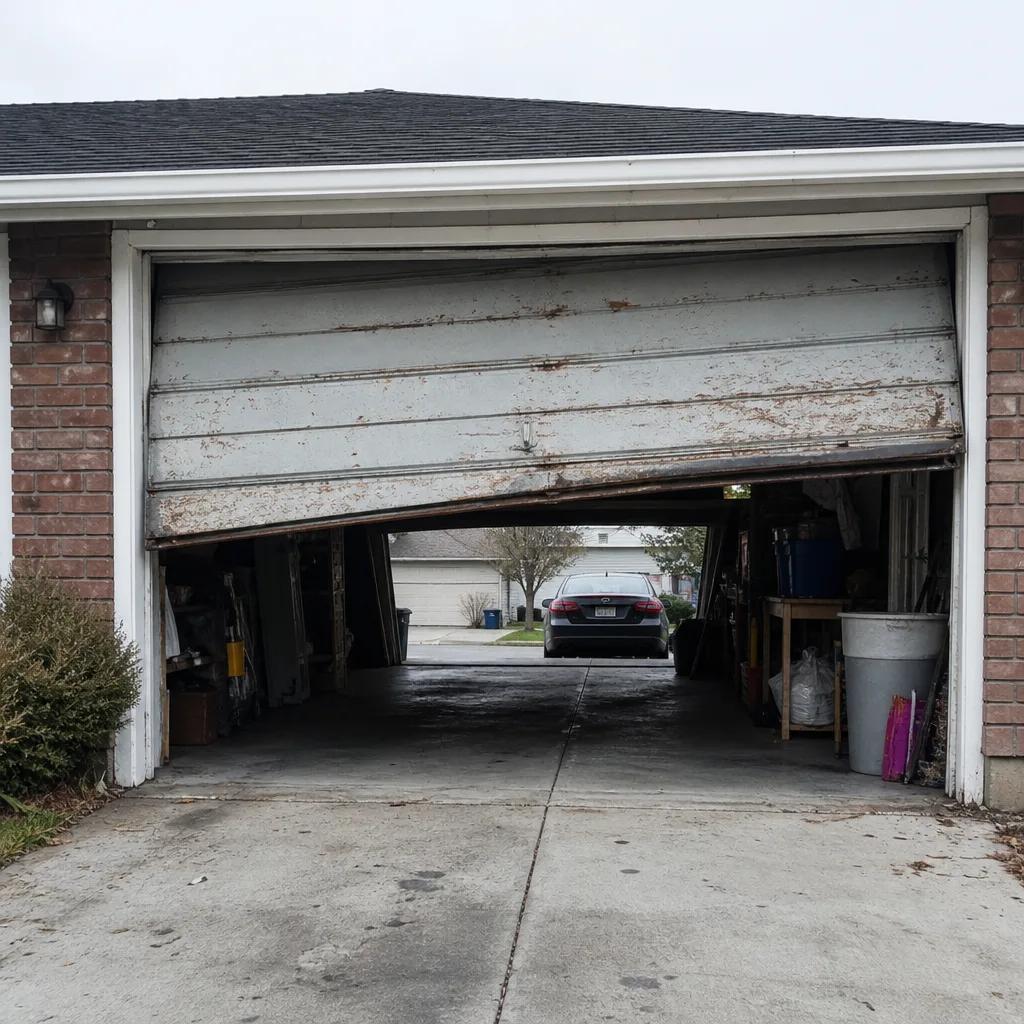 Before
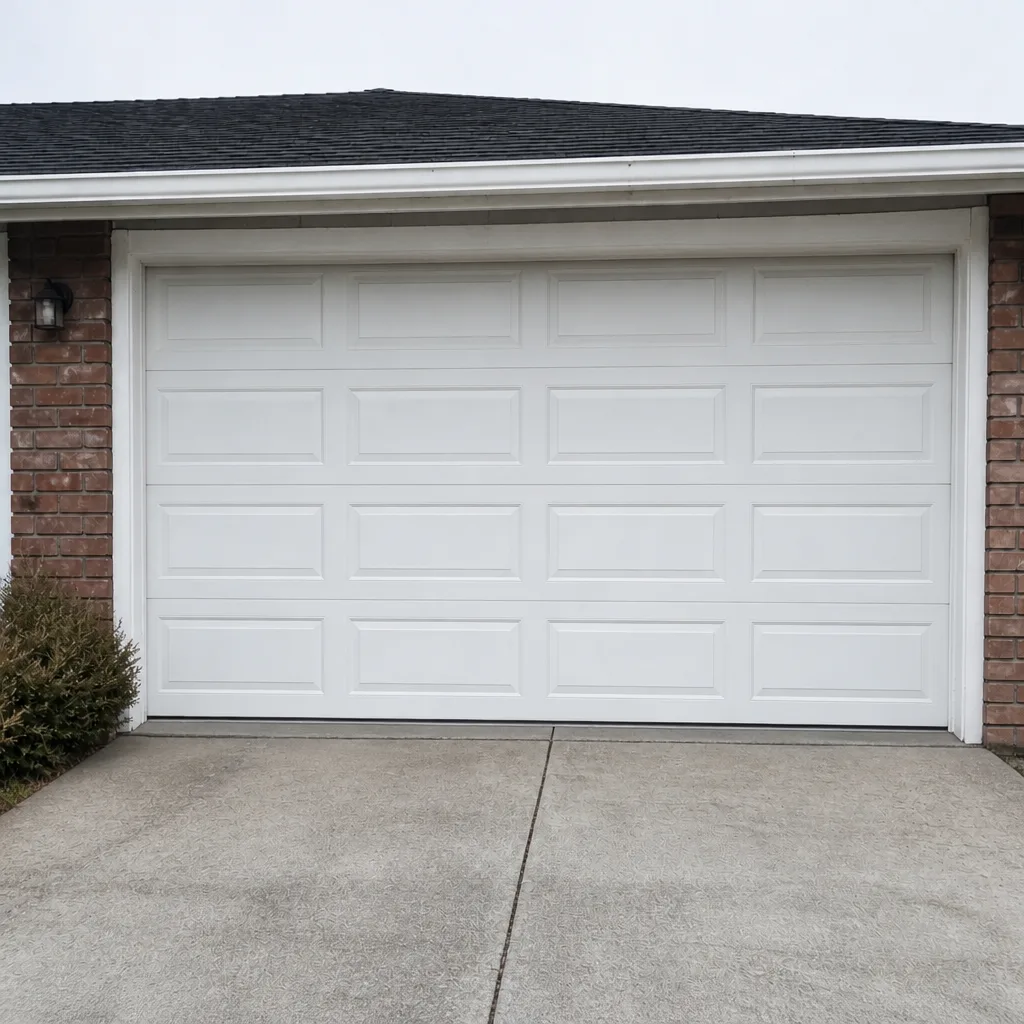 After
The Symptom-to-Part Diagnostic Table
Here’s the single most useful thing we can hand you: a table that turns a vague complaint into a short list of suspects. Match your symptom to the left column, then read across. The part in the middle column is the most likely culprit, though a trained technician confirms it by inspection, not by ear alone. This is the method our technicians work from on every Whitney call, and it’s the reason the diagnosis comes before the price.
| Symptom | Location in the door’s travel | Most likely part |
|---|---|---|
| Loud bang, door won’t lift | Anywhere, often at rest | Torsion spring (clean break at the coil) |
| Grinding | Top of the travel, near the opener rail | Trolley carriage or opener gear |
| Grinding | Floor level, along the sides | Rusted or flat-spotted rollers in the track |
| Squealing | Throughout the lift | Dry hinges and roller stems, or a worn bearing plate |
| Shudder or jerk to one side | Mid-travel | Bent track, or one side’s roller seized |
| Popping | As the door passes a fixed point | Bent section joint or a loose hinge |
| Door reverses for no reason | Near the floor | Photo-eye misalignment or a failing limit switch |
| Door drifts down after closing | At rest | Worn torsion spring with lost tension |
Notice how many rows share a symptom word but point to entirely different parts. “Grinding” appears twice because it genuinely means two things depending on where you hear it. A grinding noise from up by the opener is an opener problem; the same sound from down at the floor is a roller-and-track problem. Same word, different invoice. When a technician arrives, they photograph the failed component before quoting the replacement – that photo is how you know which row of this table you’re actually in, rather than which row it sounded like.
Noise Warnings: What the Sound Is Telling You
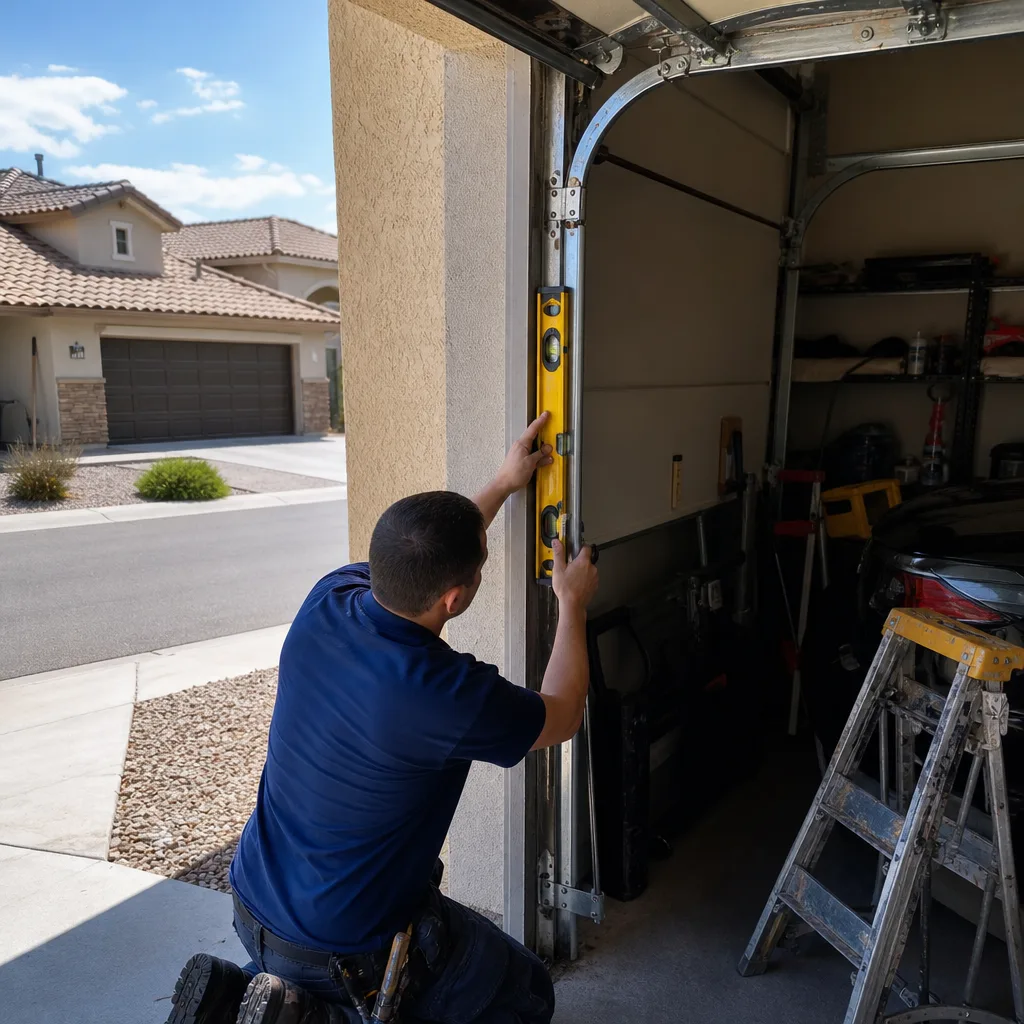
Noise is the friendliest kind of warning because it arrives early. A door that has started to squeal or pop is almost always telling you about wear, not catastrophe. In our experience across Whitney, the worst thing homeowners do with a new noise is turn up the music and wait. The best thing is to name it and watch whether it changes.
Start by isolating where the sound comes from. Stand in the garage with the door closed, and have someone run it while you listen. Then answer three questions:
- Is it high or low? High up near the opener rail points to the trolley carriage, the metal arm that rides the rail, or the opener’s internal gear. Down near the floor points to rollers, hinges, or the bottom brackets.
- Is it constant or rhythmic? A constant squeal during the whole lift is usually lubrication and worn hinges. A pop at the same spot every time is a bent section or a loose hinge catching.
- Is it new? A door that has always been slightly loud is a different case from one that went quiet, then noisy last month. The change matters more than the volume.
A dry hinge or a squealing roller stem is often a low-cost fix – think the price of a service call and a handful of replacement parts. A grinding opener gear inside a Craftsman or LiftMaster unit is a bigger conversation, sometimes a logic board or gear replacement, sometimes a new opener. Getting the sound in front of a trained ear early keeps a cheap fix from becoming an expensive one. If the diagnosis lands on the opener itself, our Garage Door Opener Repair & Installation in Whitney page walks through what gets tested first.
Movement Warnings: When the Door Itself Is Sending a Signal
Movement warnings are the ones worth your full attention, because they involve the door not behaving the way a balanced door should. Where noise says “a part is wearing,” movement says “the door is fighting itself.” That distinction sets the urgency, and in Whitney’s summer heat it’s the category we see homeowners underestimate most.
Watch for these, and treat the first three as a reason to stop running the door:
- The door won’t stay up, or drifts down after closing. A torsion spring that has lost tension, or a broken one, can no longer hold the door’s weight. Do not stand under it.
- The door goes up crooked, one side higher than the other. Usually a snapped or stretched cable, or a roller that’s jumped the track. Running it this way can bend panels or drop the door.
- The door reverses for no reason, or stops halfway. The safety reverse system is misreading – a misaligned photo-eye, a failing limit switch, or a binding track. It’s a safety feature doing its job badly, and it needs diagnosing.
- The door slams down hard instead of easing closed. Lost spring tension means the opener is carrying weight it was never built to carry. Keep using it and you’ll be pricing an opener next, not a spring.
- The opener strains audibly to lift the door. A balanced door should lift with light effort. Strain means the springs are no longer doing their share.
Movement problems are the ones that turn a straight repair into a safety call, which is why they belong in a documented inspection rather than a guess. If your door is showing any of these in Whitney, it’s worth a Garage Door Repair in Whitney visit to confirm the cause before more cycles make it worse.
Visual Warnings You Can See Without Hearing a Thing
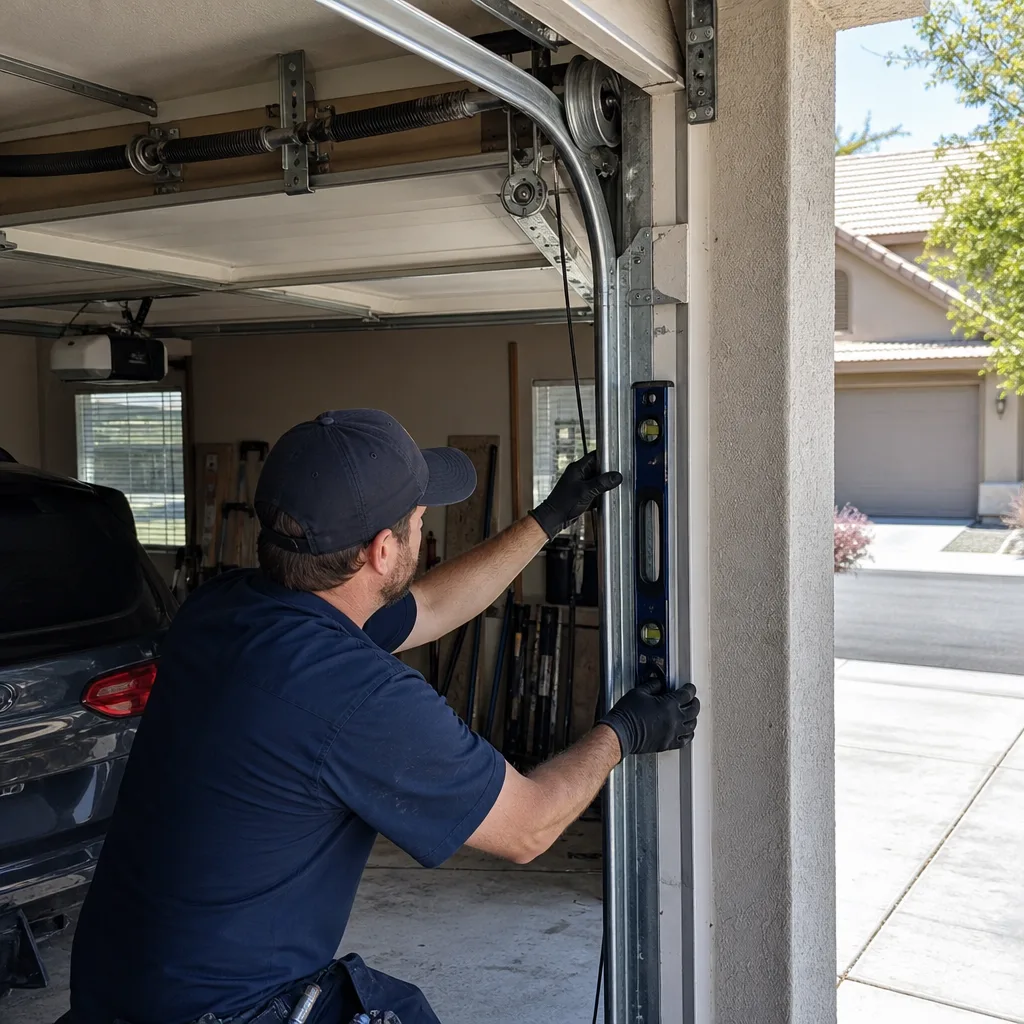
Some of the most important warning signs make no sound at all. They’re visible on a slow walk around the door with a flashlight, and they’re worth checking monthly – especially on a door that’s been through a Whitney summer.
- Cable fraying. Look at the cables running down each side, especially near the bottom corners where they loop around the drum. Broken strands, a fuzzy look, or a kink means the cable is failing. A frayed cable under tension can snap without warning, so treat it as a stop-use sign and keep clear of the door.
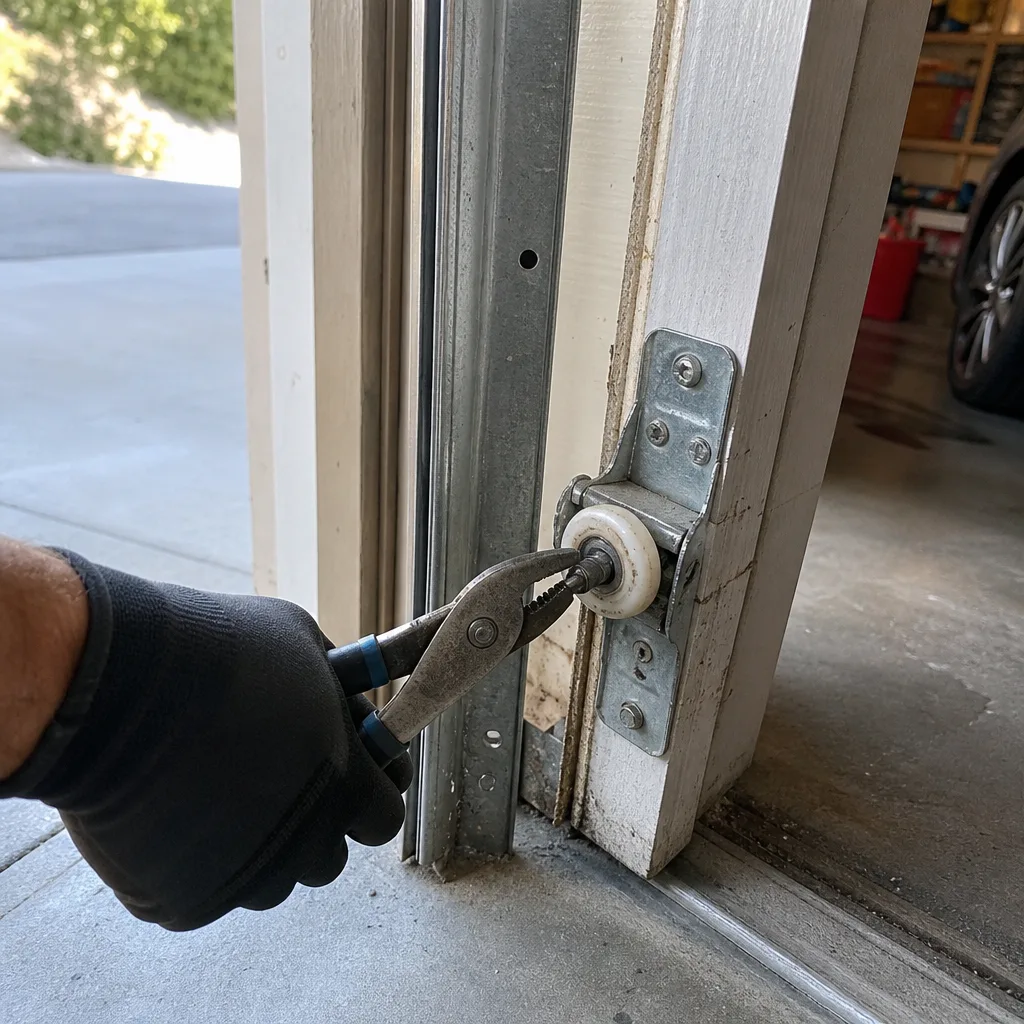
- Roller wear patterns. A healthy nylon roller is round and quiet. A worn one is flat-spotted, cracked, or rides at an angle in the track. Uneven wear on one side points to a track that’s out of alignment.
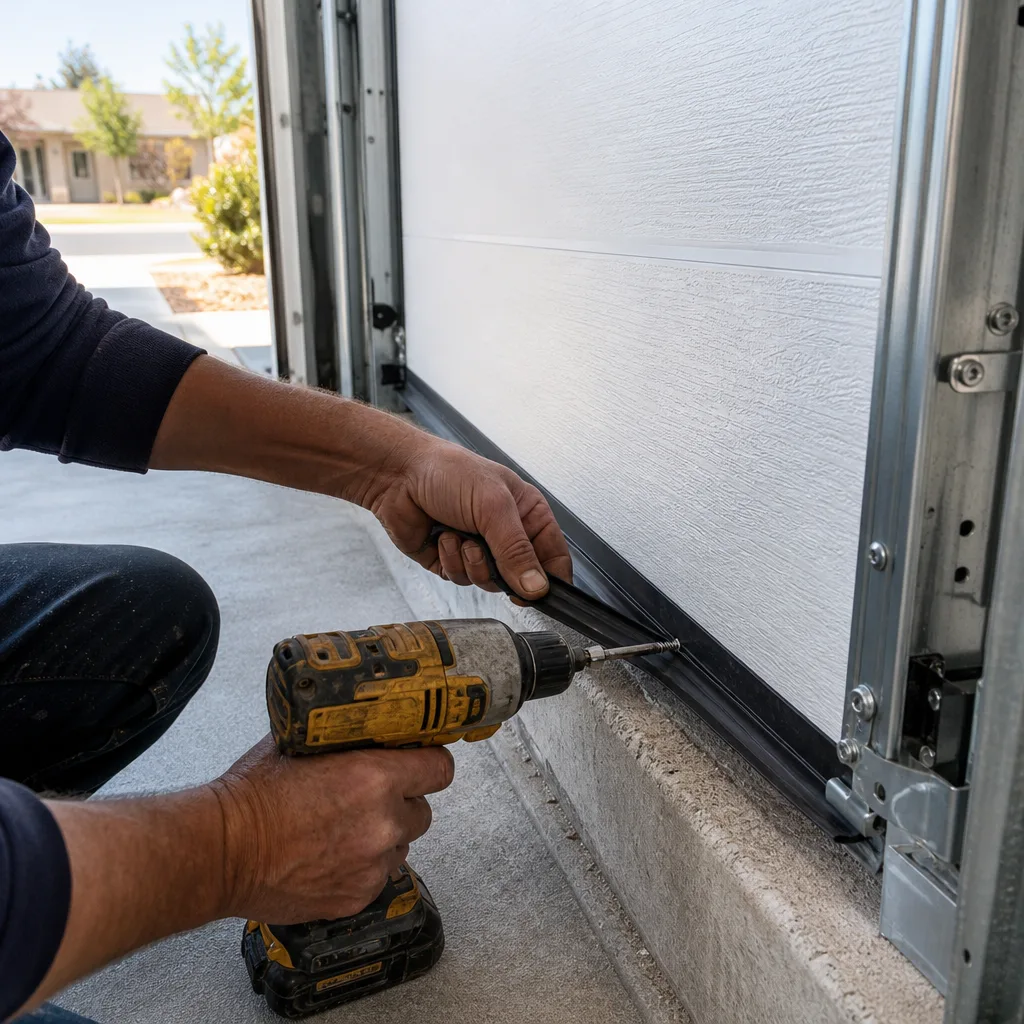
- Bottom seal gaps. With the door closed, look for light under the seal, or an uneven gap where one corner sits higher. A consistent gap lets weather, water, and pests in, and an uneven one hints the door isn’t closing square.
- A bowed or cracked panel. Even a hairline crack or a slightly bowed section on a Clopay or Amarr door affects balance and lets the weather in.
- Rust and buildup on the track and hinges. Common in coastal and humid climates; here it shows up as gritty track and sticking hinges that eventually translate to noise and strain.
None of these need a technician’s ear to spot. A two-minute flashlight walk once a month catches most of them before they become a repair. If a visual check turns up a frayed cable or a bowed panel, don’t cycle the door again – that’s the point where a professional call is the safe move, not a wait-and-see.
Failing Slowly vs. Imminent Failure: The Urgency Timeline
Not every warning sign deserves the same response. Some parts wear out over months and give you plenty of notice; others can fail completely between one cycle and the next. Sorting your symptom into the right timeline is how you avoid both panicking over a squeaky hinge and ignoring a cable that’s about to let go.
Failing slowly – schedule within weeks:
- Squealing hinges and rollers (worn lubrication and stems)
- Occasional popping at a consistent point
- A bottom seal that’s starting to show light gaps
- A door that’s gradually gotten noisier over a season
Failing fast – address within days:
- Grinding that’s new and getting louder
- A door drifting down or not staying fully open
- Rollers flat-spotted or riding at an angle
Imminent failure – stop using the door now:
- A loud bang followed by a door that won’t lift (broken torsion spring)
- Frayed or kinked cable
- A door hanging crooked or off one track
- Any door that reverses, slams, or drops without command
The bottom two categories are where a same-day response matters, and it’s why a live person answers our line around the clock. A door stuck open in Whitney in July is a heat and security problem at the same time, so emergency calls get a real person, a named technician, and an on-the-way text rather than a callback window. For the slow-and-fast categories, a scheduled visit with a written price up front is the calmer path.
Why Warning Signs Vanish in Cold Weather and Return in Heat
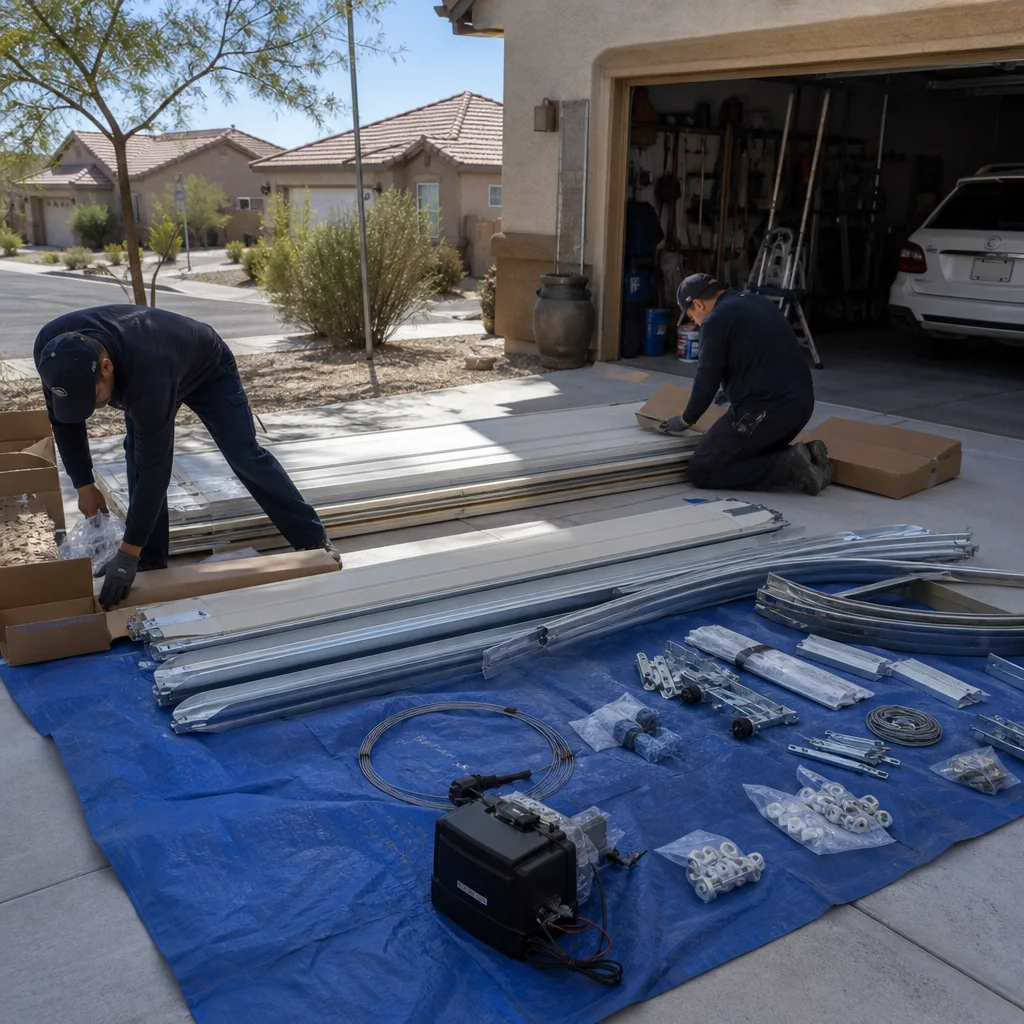
Here’s a pattern that confuses a lot of homeowners, and we see it clearly in Whitney’s swing between mild winters and brutal summers. A door that popped and groaned in August goes quiet and well-behaved by January. Then summer returns and so does the noise. Nothing was fixed. The warning signs were masked.
Metal expands in heat and contracts in cold. A worn hinge or roller with a little too much play can bind and grind on a hot afternoon, then sit snug and quiet on a cool morning because the tolerance closed up. Spring tension behaves the same way – a torsion spring that’s lost some of its force can still hold a door on a mild day and fail to hold it once the door’s own weight and thermal expansion push it harder in peak heat. The same effect shows up in the track and the bottom seal, which can look fine in winter and show gaps in summer.
What this means practically: a warning sign that disappeared in cool weather didn’t cure itself. It just went quiet. The right read is to note the season when a symptom appeared and treat a returning summer noise as a sign the underlying wear never left. If your door only acts up in the heat, mention that when you call – it tells the technician which parts to inspect closely. You can also take a phone photo of the door and the tracks on a hot afternoon and again on a cool morning; the difference between the two is useful evidence. This is the sort of thing a documented inspection catches, and it’s part of why we photograph findings rather than describe them from memory.
What You Should Never Touch Yourself
Some garage door parts are safe for a homeowner to observe and some are genuinely dangerous to touch, and the two categories overlap with the warning signs above. We’d rather you know which is which.
The high-tension torsion spring, the cables, and the bottom brackets that hold those cables are under extreme force. A torsion spring stores enough energy to cause serious injury if it releases while you’re near it, and the cables run at similar tension. Never attempt to adjust, remove, or “help” these parts yourself, and never put your hands near the springs, cables, or bottom brackets while the door is moving. Watch for the warning signs, take a photo, and hand the repair to a trained technician.
The parts you can safely inspect are the ones with no stored energy: the tracks, the rollers, the hinges, the bottom seal, the panels, and the photo-eyes near the floor. Look, don’t loosen. A visual check is a good homeowner habit; disassembly of the spring or cable system is not a homeowner job, no matter how many online videos make it look simple. The safety caveat is the whole reason a technician photographs the failed part before quoting a replacement – the diagnosis happens at a safe distance and with the right tools, then the price follows.
Common Mistakes to Avoid
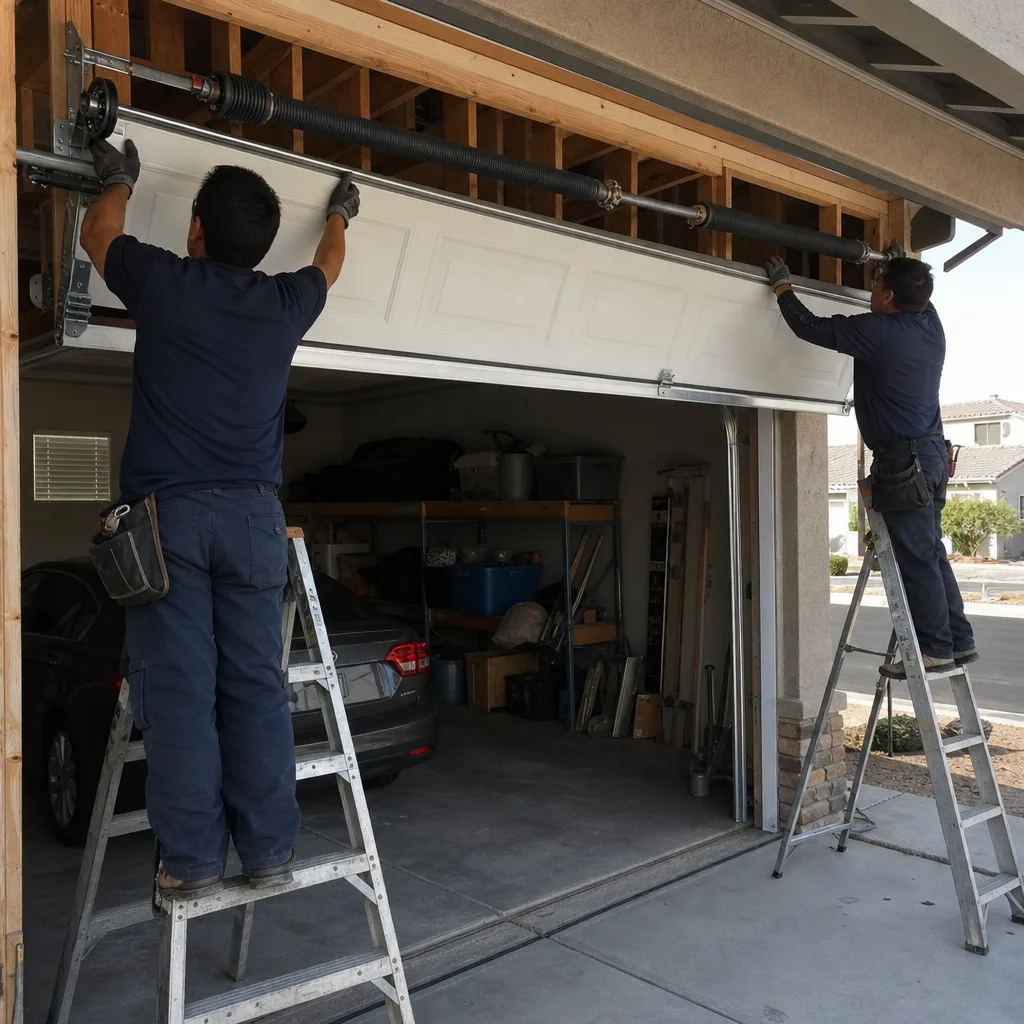
- Treating all grinding as an opener problem. Grinding from the floor is rollers and track; grinding from the top is the opener. Guessing wrong sends you to the wrong repair and the wrong price.
- Greasing everything on the door. Lubricant on the wrong part (like the track surface or a worn roller) can attract grit and make things worse. A technician knows where lubrication helps and where it hides a failing part.
- Ignoring a summer noise because it disappeared in winter. Thermal masking is real, and a symptom that returns with the heat is a sign the wear never went away. In Whitney’s climate, that pattern is common enough to check for.
- Running a crooked door “just one more time.” A door off its track or hanging on one cable can bend panels and drop. Stop cycling it and call for the repair.
- Tightening the spring system yourself. The torsion spring and cables are under enough stored energy to injure you. This is the one mistake on the list that can put you in the hospital.
- Accepting a verbal price and finding more on the invoice. A repair should come with a flat, written price and written scope before any work starts, so the number you agreed to is the number you pay.
- Skipping the photo record. If a technician can’t show you the failed part, you’re trusting a description instead of evidence. Ask to see what was found.
See the difference
BeforeAfter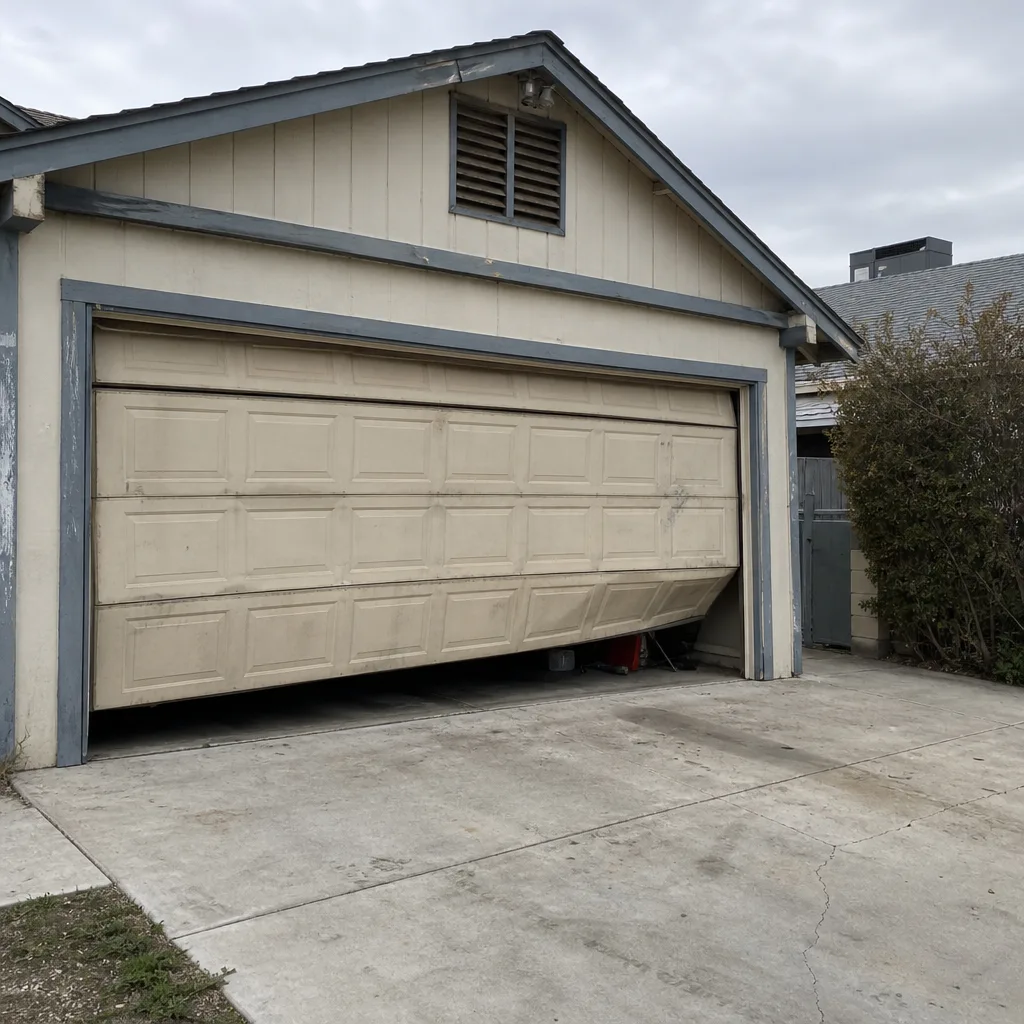 Before
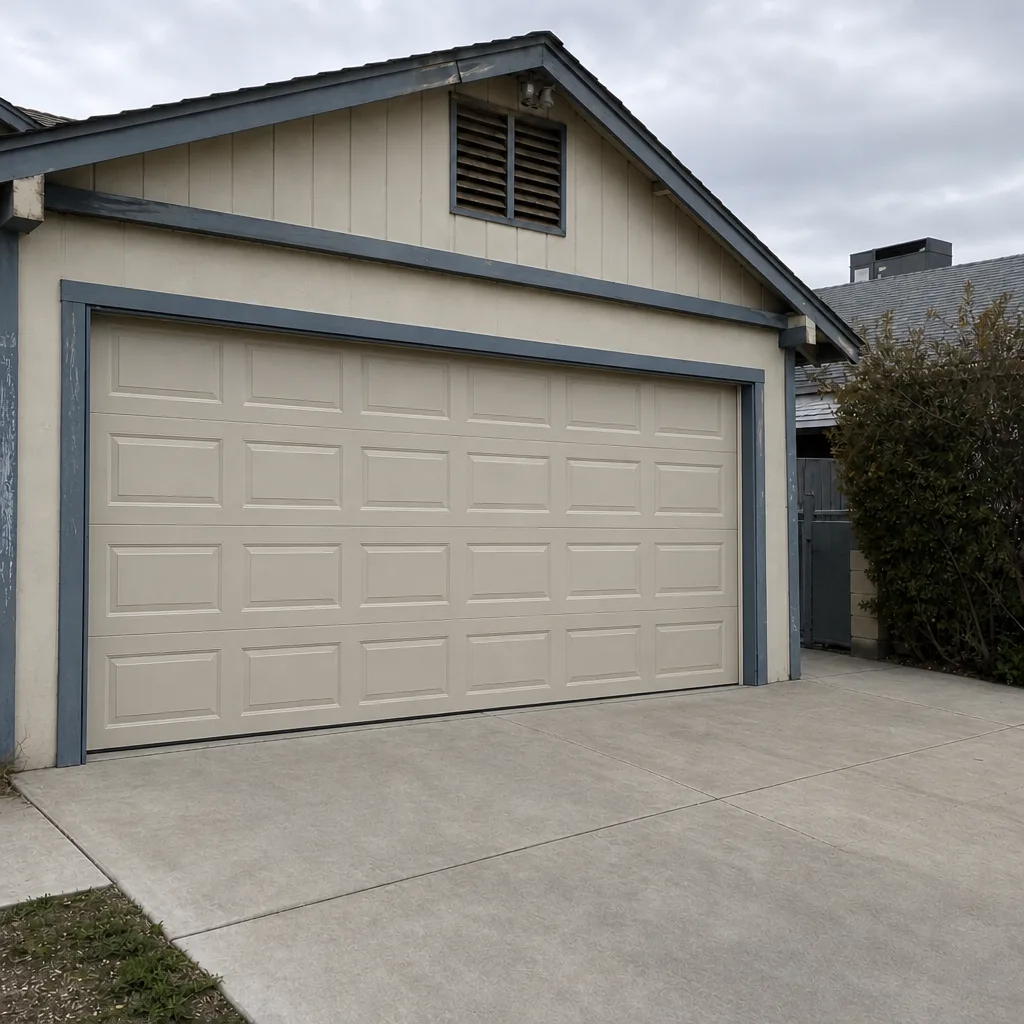 After
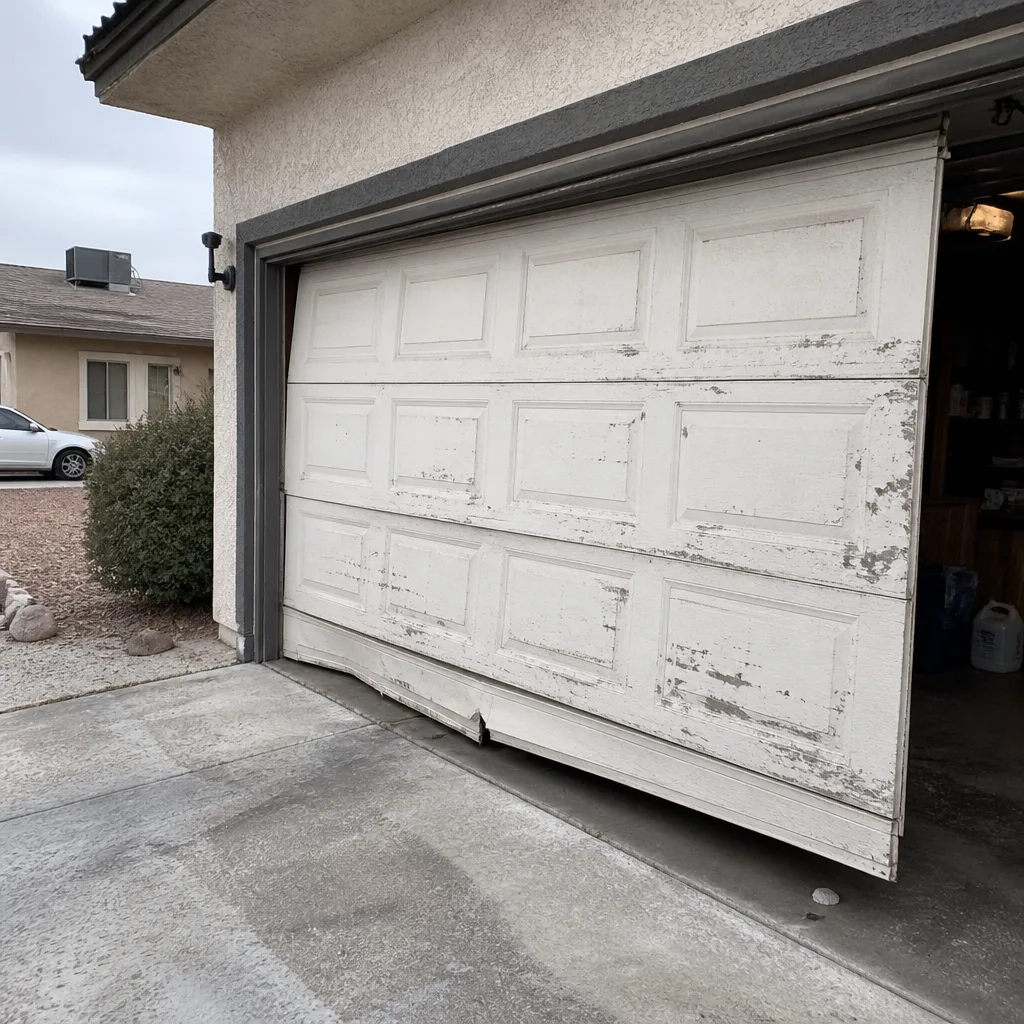 Before
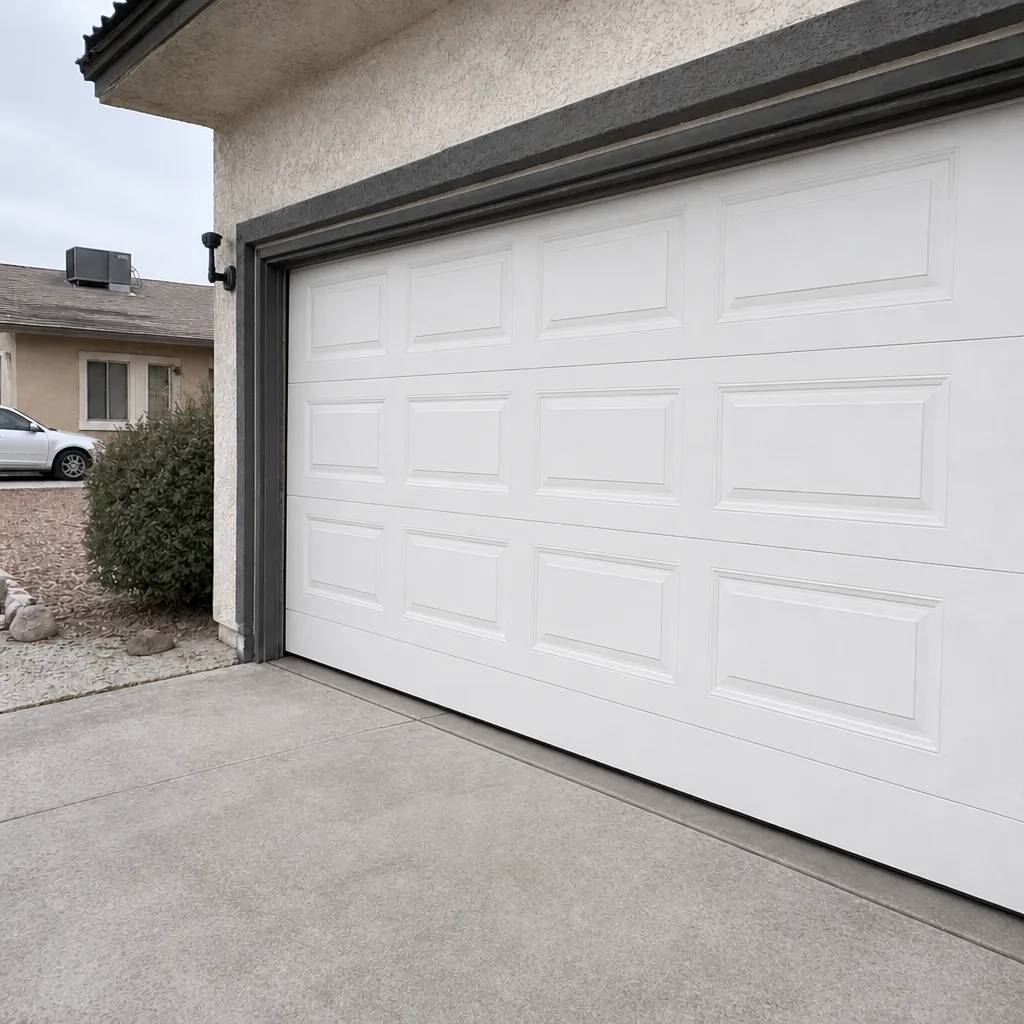 After
When to Call a Professional
Call a professional when you see any sign from the imminent-failure list: a broken torsion spring, a frayed cable, a door hanging crooked, or a door that reverses or drops without command. Those are stop-use conditions, not weekend projects. Call when a new noise keeps getting louder, when a door only misbehaves in the heat, or when you simply want to know whether a symptom is wear or something more. A trained check sorts the $22 fix from the $310 repair without guesswork, and it comes with a documented photo record of what was found. Servo Garage Doors Whitney offers free estimates in Whitney – call (888) 402-1096. A live person answers, day or night, and you’ll know the written price before any work begins.
Frequently Asked Questions
The most common are grinding or squealing during the lift, a door that shudders or goes up crooked, frayed cables near the bottom corners, a bottom seal with uneven gaps, and a door that reverses without command. Noise signs usually mean a part is wearing slowly; movement and cable signs can mean the door is unsafe to run today. If you can’t tell which you’re seeing, call (888) 402-1096 – estimates are free.
Heat expands metal, so a worn hinge, roller, or spring with a little too much play can bind and grind on a hot day, then sit quiet on a cool one because the tolerance closes up. The warning sign didn’t go away; it was masked. If your door acts up only in Whitney’s summer heat, mention the seasonal pattern when you call so the technician inspects the right parts.
Listen for where it comes from. Grinding high up near the opener rail points to the trolley carriage or the opener’s internal gear; grinding down near the floor points to rollers, hinges, or the track. A squeal during the whole lift is usually dry hinges and roller stems. Sorting top from bottom tells you which repair you’re pricing.
Grinding itself usually means wear, not immediate danger, but it depends on the part and the location. Grinding from a failing roller or track is safe to schedule; a door that also hangs crooked, drops, or has a frayed cable is a stop-use condition. Keep hands away from the springs, cables, and bottom brackets while you check, and call for a professional look if you’re unsure.
Never touch the torsion spring, the cables, or the bottom brackets that hold the cables. Those parts are under extreme stored energy and can cause serious injury if released. You can safely look at the tracks, rollers, hinges, seal, panels, and photo-eyes, but leave the spring and cable system to a trained technician. Call (888) 402-1096 for a written price first – estimates are free.
It shouldn’t. A flat, written price and written scope are agreed before any work starts, so the number you accept is the number you pay. If a diagnosis changes, you get a revised written price to approve before anyone continues. That’s the point of the upfront-price rule, and it’s why we quote in writing rather than over the phone, sight unseen.
The Bottom Line
Warning signs are most useful when you map the symptom to the part, not when you just notice something is off. A grinding noise at the top of the travel and a grinding noise at the floor point to two different parts and two different prices. Noise tells you a part is wearing; movement tells you the door is fighting itself and may be unsafe to run. Visual signs like frayed cables and worn rollers catch what your ears miss, and the summer-only noise that disappears in winter is a masked symptom, not a cured one. Name the part, sort the urgency, and leave the high-tension work to a trained technician.
If you’re in Whitney and something on this list looks familiar, we’ll photograph the failed part before quoting the replacement, put the price in writing before any work starts, and leave you with a documented photo record of what was found and what was done. We service LiftMaster, Chamberlain, Genie, and every other major brand, and our technicians have up to 11 years of experience. Start from our Servo Garage Doors Whitney home, or explore Garage Door Installation in Whitney if the door itself is past saving. Call (888) 402-1096 for a free estimate – a live person answers, day or night, and emergency calls get a named technician and an on-the-way text.
Written by the team at Servo Garage Doors Whitney.