
Last updated November 18, 2026
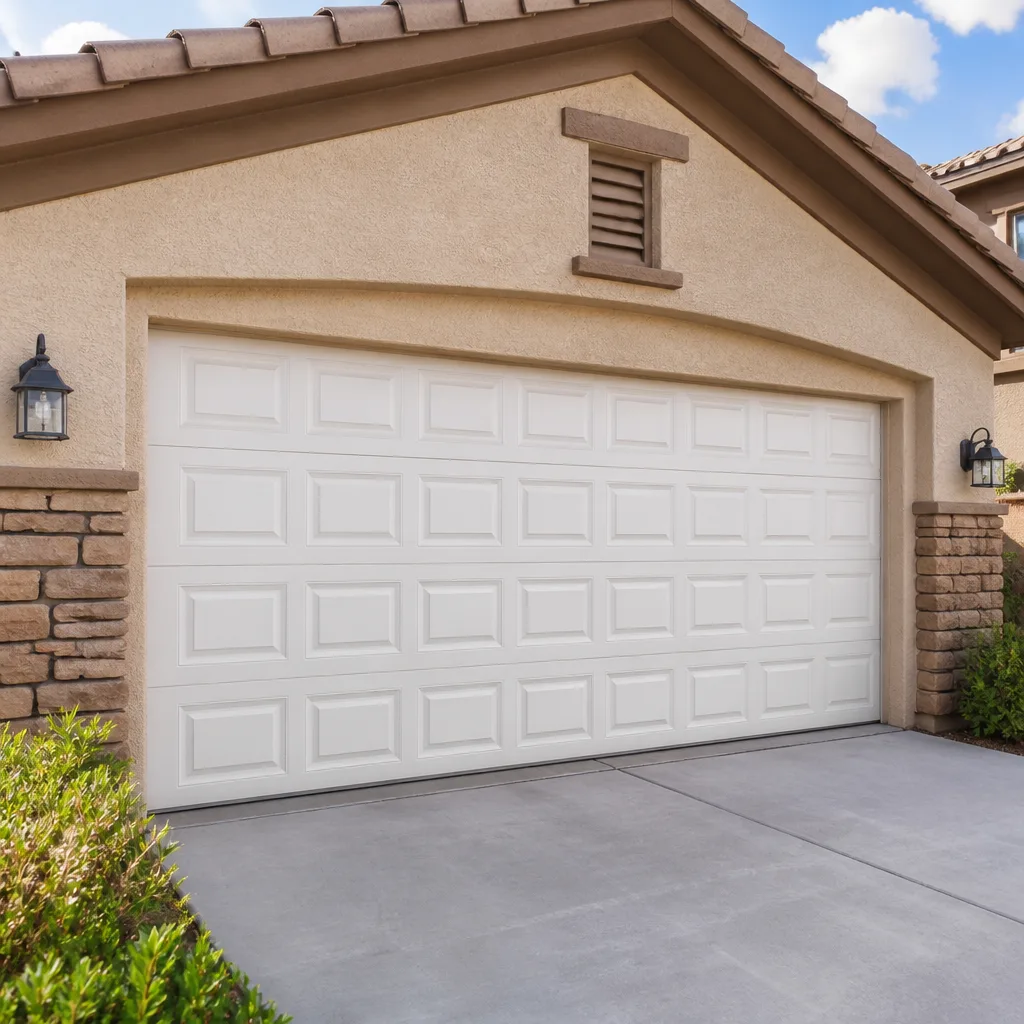 Raised-panel steel
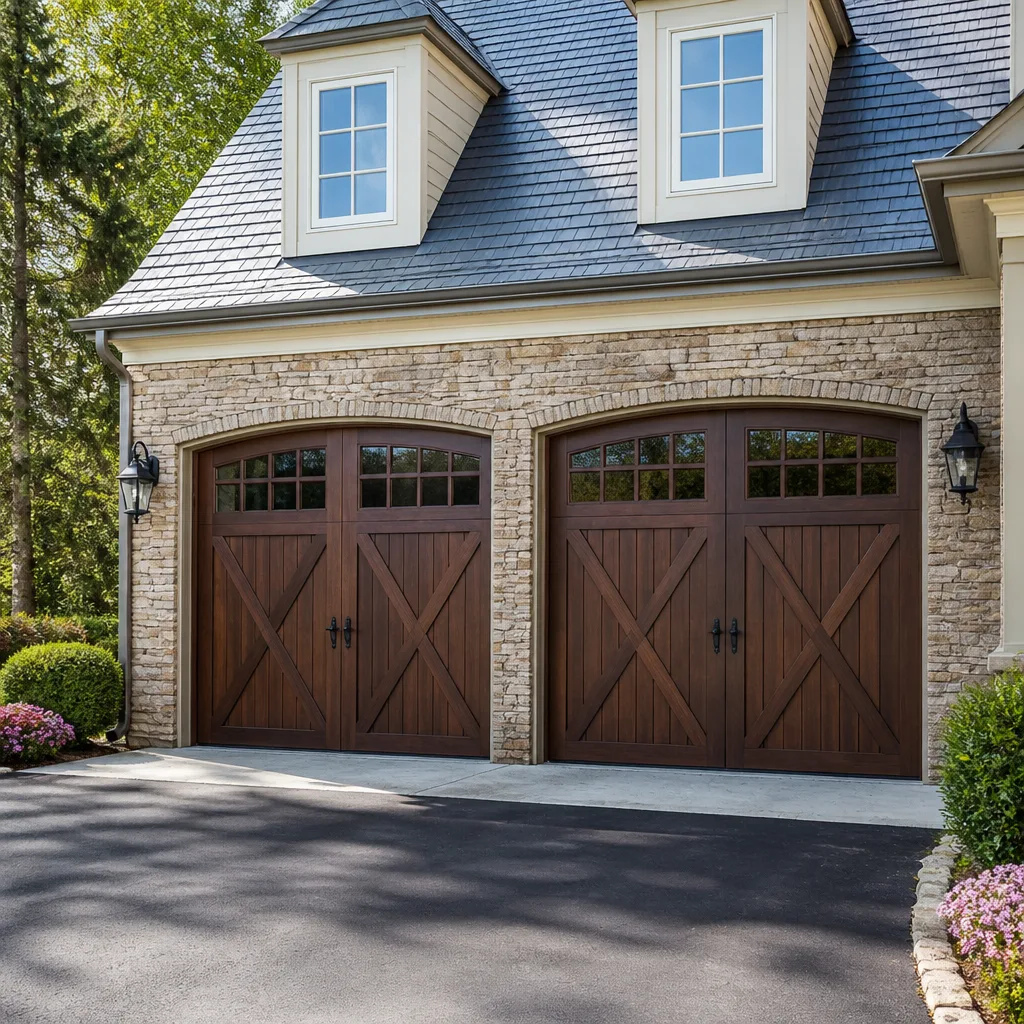 Carriage house
 Modern flush
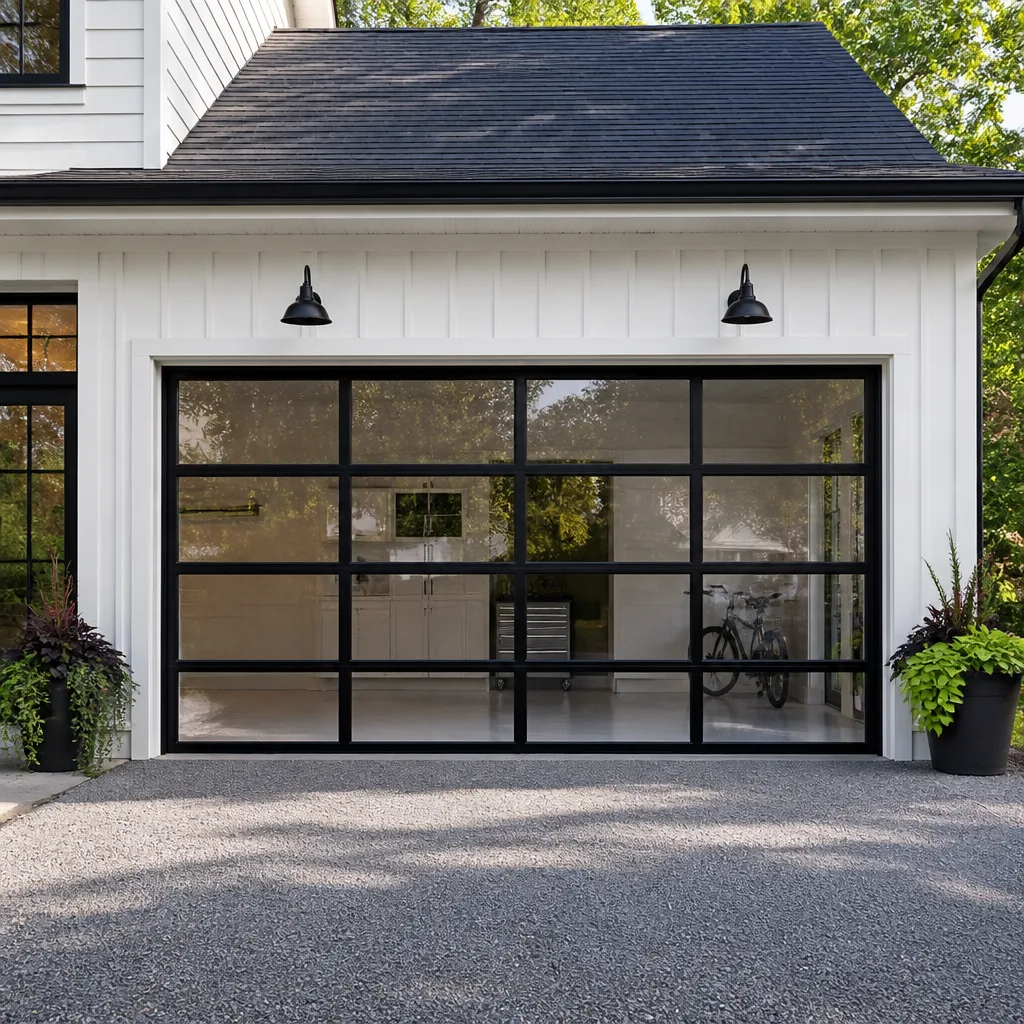 Full-view glass
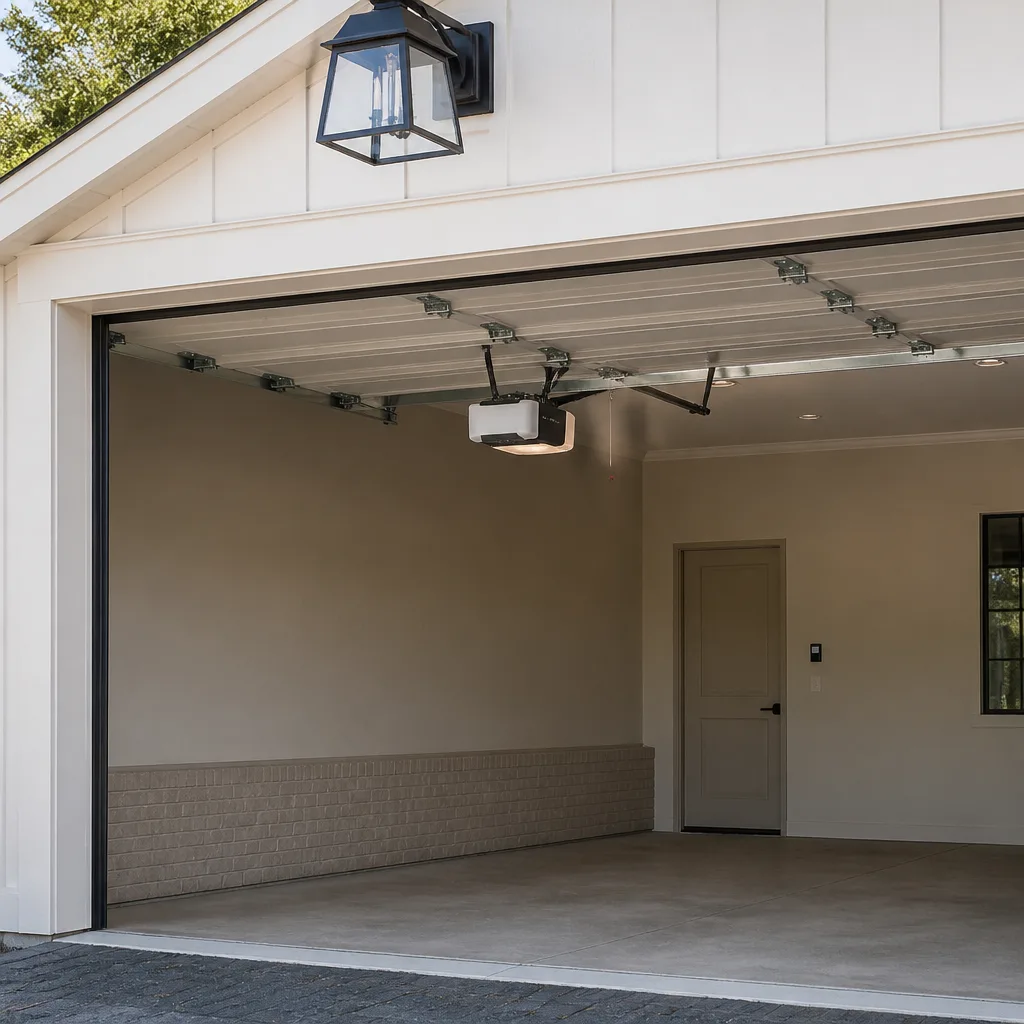 LiftMaster openers
 Chamberlain openers
Full 25-point door and opener safety check with every visit - springs, cables, rollers, tracks, and your LiftMaster or Chamberlain opener included
You get a price before we start. It does not change when the pro arrives.
Get your free estimateGarage Door Permits, Codes & Inspections in NV: What You Need to Know
A garage door replacement that required a permit but didn’t get one won’t surface until your buyer’s home inspection, at which point it becomes your problem to retroactively permit, remediate, or disclose. That’s the part most homeowners never hear from the crew that swaps the door: Clark County Development Services treats a like-for-like door change differently from a structural alteration, and the difference can follow the house through a title search years later. This guide lays out exactly when a permit is required in Whitney and across the Las Vegas Valley, what triggers an inspection, what that inspector actually checks, and how to run your HOA approval on the same timeline so neither process holds up your install.
Quick Answer
In Nevada, a straight like-for-like garage door replacement usually does not require a Clark County building permit, but any change to the structural opening, header, or load path does. A new opener circuit or a hardwired connection can trigger a separate electrical permit under NEC and UL 325 requirements. When a permit is required, the inspection checks the header load path, rough opening dimensions, and that the opener’s safety reversal and photo-eye systems work as designed.
Styles & brands we work with
- Raised-panel steel
- Carriage house
- Modern flush
- Full-view glass
- LiftMaster openers
- Chamberlain openers
Table of Contents
- Does a garage door replacement need a permit in Clark County?
- Like-for-like swap vs. structural alteration: how to tell which you have
- NEC and UL 325: when an electrical permit is triggered
- What a Clark County garage door inspection actually covers
- HOA architectural approval: the parallel process
- How to run the permit and HOA timelines together
- The paper trail a compliant installation generates
- Common mistakes to avoid
 Before
 After
Does a garage door replacement need a permit in Clark County?
Most of the time, no. A like-for-like replacement, same size door in the same rough opening, same track configuration, no change to the framing, is generally treated as a maintenance swap and doesn’t pull a Clark County building permit. Replace the door and, say, widen the opening to fit a larger carriage-style door, or alter the header to raise the clearance, and you’ve crossed into structural work that needs a permit and an inspection.
The dividing line isn’t the door. It’s the opening. Clark County Development Services cares about whether you changed the load path, meaning the way weight and wind force travel from the door and header down into the walls and foundation. A torsion spring system carries the door’s weight, but the header and jambs carry the load the door and opener transfer to the structure. Move a jamb, sister a header, or reframe the rough opening and you’ve touched structure.
Practically, in Whitney we see three situations come up most:
- Identical size swap, same brand, same spec. Almost always no permit. Just make sure the new door’s label meets the current code.
- Size or style change within the existing opening. Depends on whether the tracks, springs, and header stay put. A Clopay or Wayne Dalton door in the same footprint usually doesn’t trigger a permit; a change that requires new track anchoring into altered framing might.
- Header modification or opening resizing. Permit required, full stop. This is structural work.
When in doubt, the homeowner should ask the permit office directly, or ask the installer to state in writing which category the job falls into before the door is ordered. That written statement is worth keeping.
Like-for-like swap vs. structural alteration: how to tell which you have
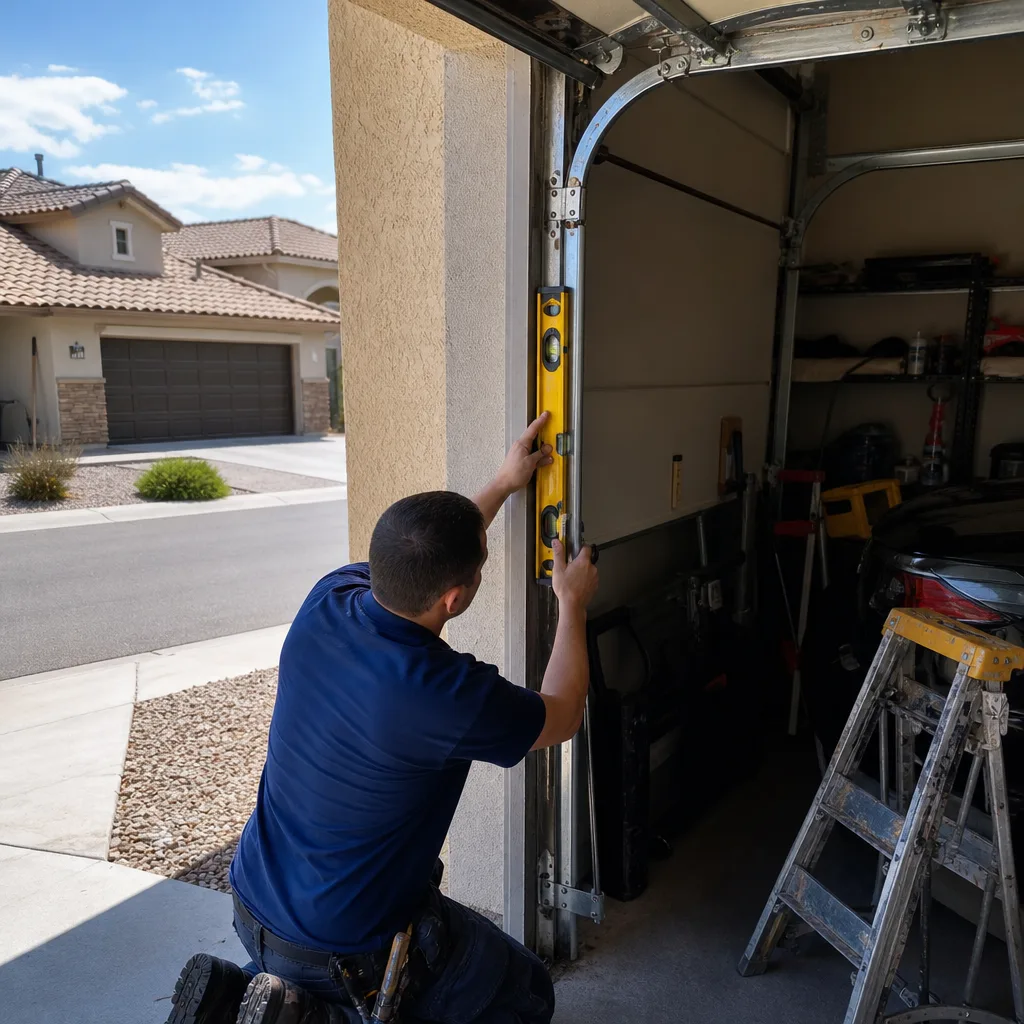
“Like-for-like” is the phrase that decides your permit question, so it’s worth pinning down. A like-for-like replacement keeps the rough opening dimensions identical, doesn’t touch the header or jambs, and uses the same door operation (sectional for sectional, same track type, same spring location). It’s the same hole, the same size, the same mechanism.
A structural alteration changes something the building department regulates. That includes:
- Widening or heightening the rough opening to fit a bigger door.
- Removing or reinforcing a header to change the load the opening carries.
- Changing from a sectional door to a one-piece tilt-up, which changes where force lands.
- Modifying the jambs or reframing because the existing opening is out of square.
One real-world wrinkle: an older Whitney home with an out-of-square opening sometimes needs minor framing correction just to fit a new door squarely. If the correction is cosmetic shimming, it’s usually not a structural permit item. If it involves cutting into framing to true up the opening, have that conversation with the permit office before ordering the door. The framing is the thing that needs a permit, not the door.
Our technicians have up to 11 years of experience measuring rough openings across the valley, and this is the first thing to nail down. If you’re unsure which category you’re in, a garage door installation in Whitney estimate can measure the opening and tell you straight, before you spend a dime on a door.
NEC and UL 325: when an electrical permit is triggered
The opener has its own regulatory layer, separate from the door. UL 325 is the standard that governs garage door operators and their safety systems, including the photo-eye sensors and the pressure-based reversal that stops and reverses a closing door when it meets an obstruction. It’s not optional equipment. It’s the law the opener must meet to be sold and installed.
The National Electrical Code (NEC) covers the wiring. Here’s where it matters for a permit:
- Swapping an existing opener on an existing circuit. No new wiring, no permit. Plug-and-play replacement.
- Adding a hardwired opener where none existed, or running a new dedicated circuit. That’s electrical work, and it typically needs an electrical permit and inspection. This comes up in Whitney when a homeowner converts a detached garage that never had power ran to it.
- Adding a second opener to a double-bay garage on a new circuit. New circuit, permit.
A qualified installer checks the existing circuit can carry the new opener’s draw before connecting anything. A LiftMaster or Chamberlain opener drawing on a circuit already loaded with a freezer and a workshop outlet is a nuisance trip waiting to happen. The trade vocabulary matters here: the “logic board” is the opener’s control board, and it’s the part most sensitive to bad power.
If your opener is failing, the electrical side is one of several things to check before replacing the whole unit. Our garage door opener repair and installation page walks through the diagnostic sequence. And for the door itself, garage door repair in Whitney covers the mechanical failures that look like opener problems but aren’t.
What a Clark County garage door inspection actually covers
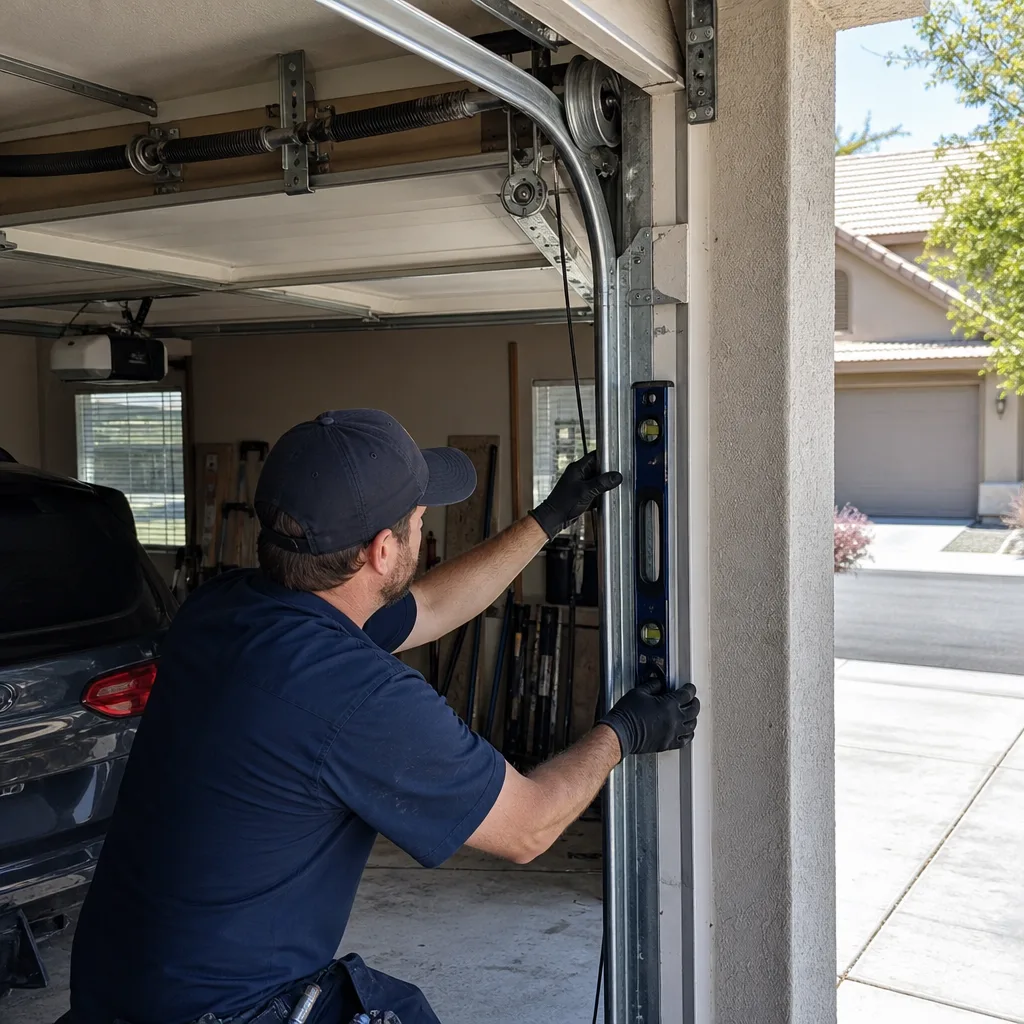
When a permit is pulled, the inspection isn’t a general “does it look OK” walkthrough. Clark County’s inspector is looking at three things.
- The header load path. The inspector confirms the header over the opening is sized and fastened to carry the load, and that any framing changes were done to plan. Sistered headers, new jacks, and hangers get eyes-on attention.
- Rough opening dimensions. The opening is measured against the approved plan. If the plan said a 16-foot opening and the framing is 15-foot-10, that’s a correction.
- Opener safety reversal testing. The inspector tests the photo-eye sensors and the pressure reversal. A closing door must stop and reverse when the beam is broken or the door meets resistance. If either fails, the inspection doesn’t pass.
The safety reversal piece is the one homeowners underestimate. On a LiftMaster or Chamberlain, the photo-eye alignment is a two-minute adjustment the installer makes; the pressure reversal is a force-setting that has to be dialed in per the manual. An installer who doesn’t test both before the inspector arrives is asking for a re-inspection fee and another two-week wait.
The inspection happens after the door and any structural work are complete and before the permitted work is closed out. For a like-for-like job with no permit, none of this applies, which is one reason installers are precise about which category a job falls into.
HOA architectural approval: the parallel process
Separate from the building department, most Whitney-area HOAs run an architectural review committee, or ARC, that has to approve any exterior change, including a garage door. This isn’t a code process. It’s a contract process, and it runs on its own clock.
The ARC typically wants a photo or manufacturer spec sheet of the proposed door, a color sample or swatch, and a form submitted ahead of the meeting. The committee meets on a fixed schedule, often monthly, and may approve, deny, or approve with conditions. Miss the deadline and you’re waiting another month.
The trap is treating these as sequential. Homeowners often wait for permit clearance before submitting to the HOA, or vice versa, and lose weeks. Run them at the same time. The permit category (like-for-like vs. structural) doesn’t change what the HOA reviews; the HOA reviews appearance and spec, not framing. You can submit the door spec sheet to the ARC while the permit question is still moving, as long as the door you’re proposing is the door you’ll install.
There’s no state-level shortcut here. A Raynor or Amarr door profile is fine with the ARC or it isn’t, and that decision is local to your subdivision’s governing documents.
How to run the permit and HOA timelines together
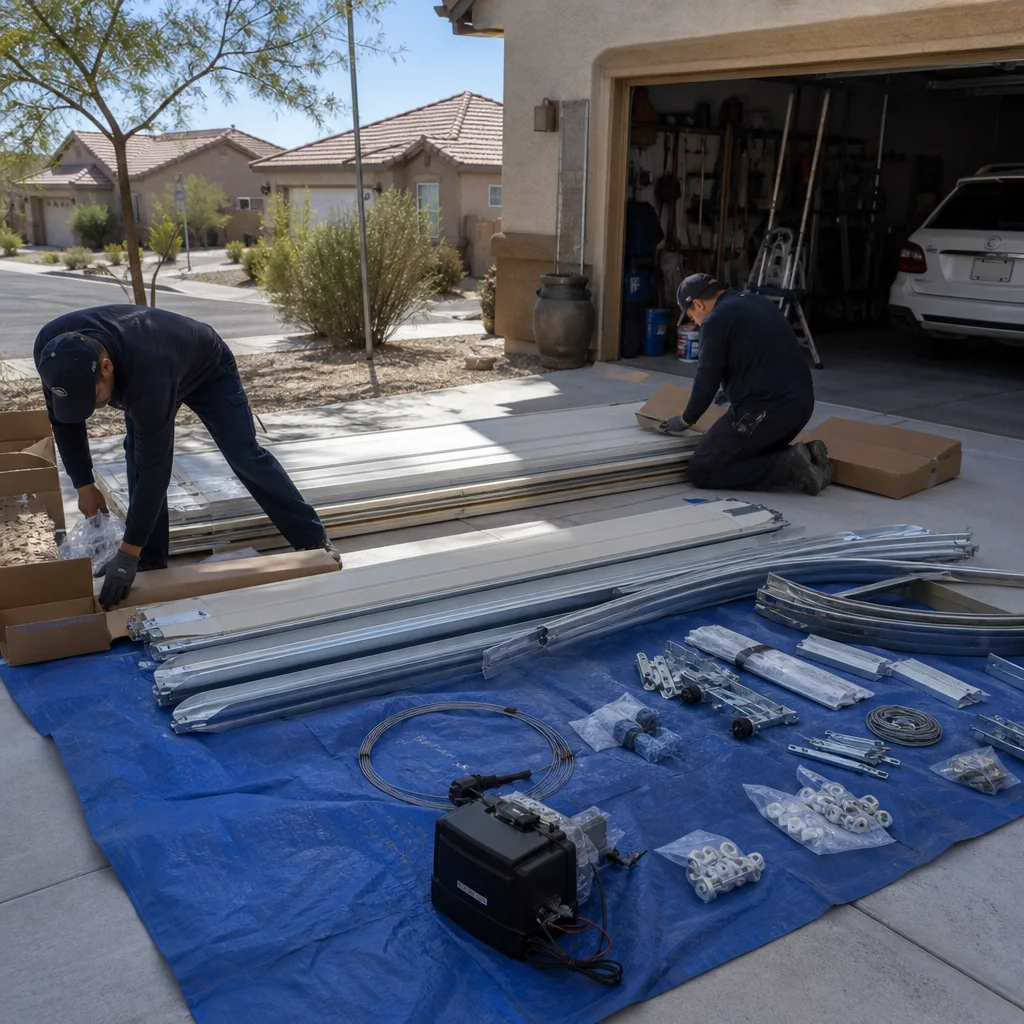
Here’s the sequence we’d use for a Whitney installation that needs both a permit and HOA approval.
- Measure the rough opening and classify the job. Same dimensions, same mechanism: likely no permit. Structural change: permit required. Get this in writing.
- Pick the door and pull the spec sheet. Manufacturer spec sheet with model, color, and dimensions.
- Submit to the HOA ARC and start the permit application the same week. These are independent, so run them in parallel.
- Order the door only after the HOA approves. A door ordered before ARC sign-off can be a door you can’t install. Doors are a long-lead item; ordering early can trap you.
- Schedule installation and any structural inspection window together. The inspector and the door install aren’t the same visit. Plan for the inspection after the structural work, before closeout.
- Budget for weather and slab-out age. Whitney homes built in the last decade sit on different soil conditions and slab thicknesses than established neighborhoods, and a door ordered to spec sometimes needs minor track anchoring adjustment on site. Build in a day of slack.
The timeline that hurts most is the one where the HOA asks for a different door color after the door is already ordered. Get the ARC’s okay in writing first. That single step saves most of the pain.
The paper trail a compliant installation generates
Every compliant job leaves a document trail. Knowing what should be in it is how you protect yourself at resale, and how you spot an installer who cut corners.
A properly permitted installation produces:
- The permit number and inspection result. The permit number should be retained. The passed inspection is the proof.
- The door’s manufacturer label and spec sheet. The label shows the door meets the current code for its type. Keep it with the warranty documents.
- The HOA ARC approval letter. Dated, signed, and matched to the installed door.
- The written scope and flat price. The stated work, before it starts, and the final installation record.
- A photo record of what was found and what was done. This is the document that most clearly shows the work was done to spec, not improvised.
Keep all of it in a property file. When you sell, the title search and inspection go a lot smoother with a permit number and a passed inspection on record than with a door that was installed off the books. This is the part homeowners with a door installed years ago wish they’d kept, and it’s the part that’s easiest to save now.
Get the Permit Question Answered Before You Order
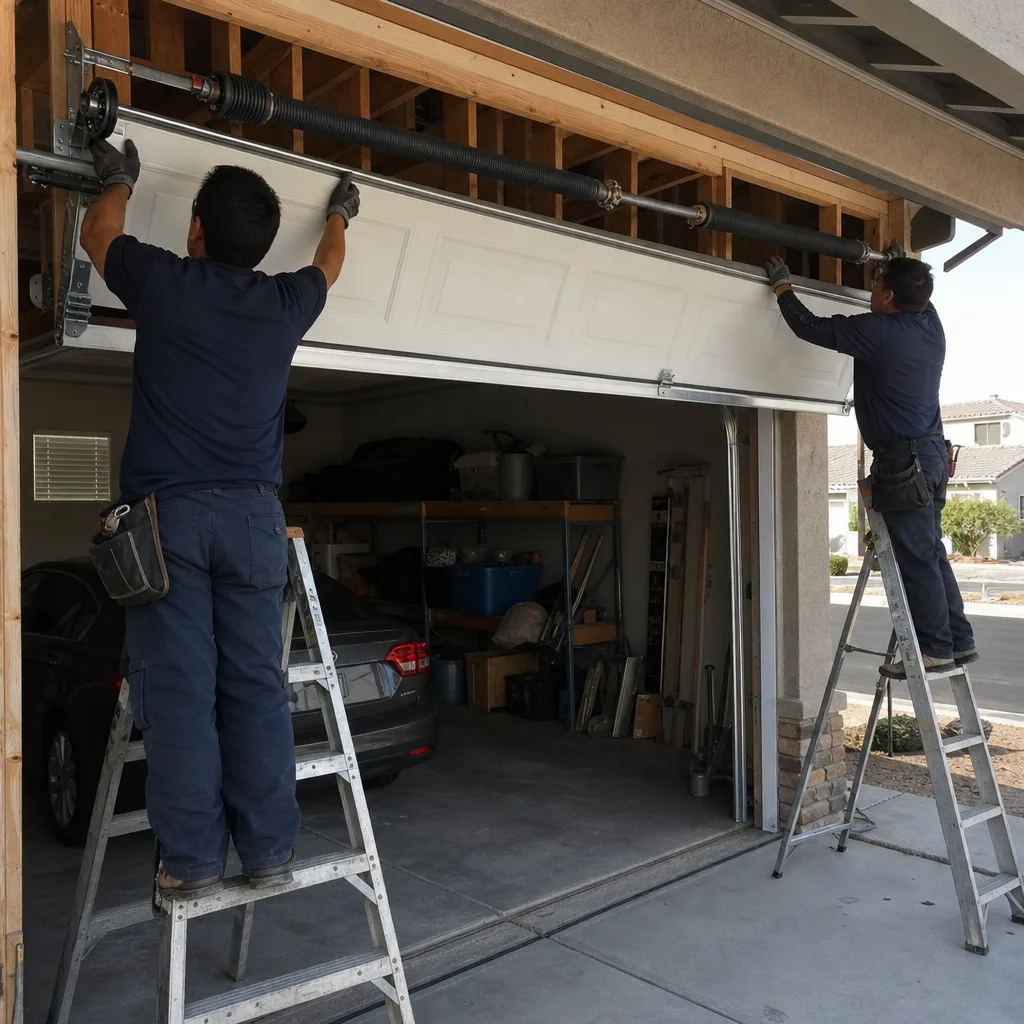
If you’re in Whitney and you’re not certain whether your job is a like-for-like swap or a structural alteration, call us at (888) 402-1096. We’ll measure the opening, tell you in writing which category it falls into, and if a permit or HOA approval is needed before you order, we’ll say so. Our technicians have up to 11 years of experience and we’ve seen every configuration the valley’s subdivisions throw at a door opening. If you’re just starting to compare options, our Servo Garage Doors Whitney home page lays out how a written-price-first job works from start to finish.
Common Mistakes to Avoid
- Assuming a permit is always required. A same-size swap in a Whitney ranch house with no framing change usually isn’t a permit job. Treating it as one adds weeks and a fee you didn’t need.
- Assuming a permit is never required. The opposite is worse. Changing the opening or header without a permit is the mistake that resurfaces at resale.
- Running the HOA and the permit sequentially. Submit the ARC packet in the same week you start the permit application. They don’t depend on each other.
- Ordering the door before the HOA approves. An ARC that asks for a different color after the door is in transit leaves you with an unusable door and a restocking charge.
- Skipping the opener’s safety reversal test. Inspectors test photo-eye and pressure reversal. An installer who only tests one leaves you a re-inspection fee.
- Not keeping the permit number and inspection record. Future buyers’ home inspectors look for it. Missing paperwork on a permitted job reads the same as an unpermitted one.
- Trusting a verbal “you don’t need a permit.” Get the classification in writing. It’s the only version that helps you at resale.
When to Call a Professional
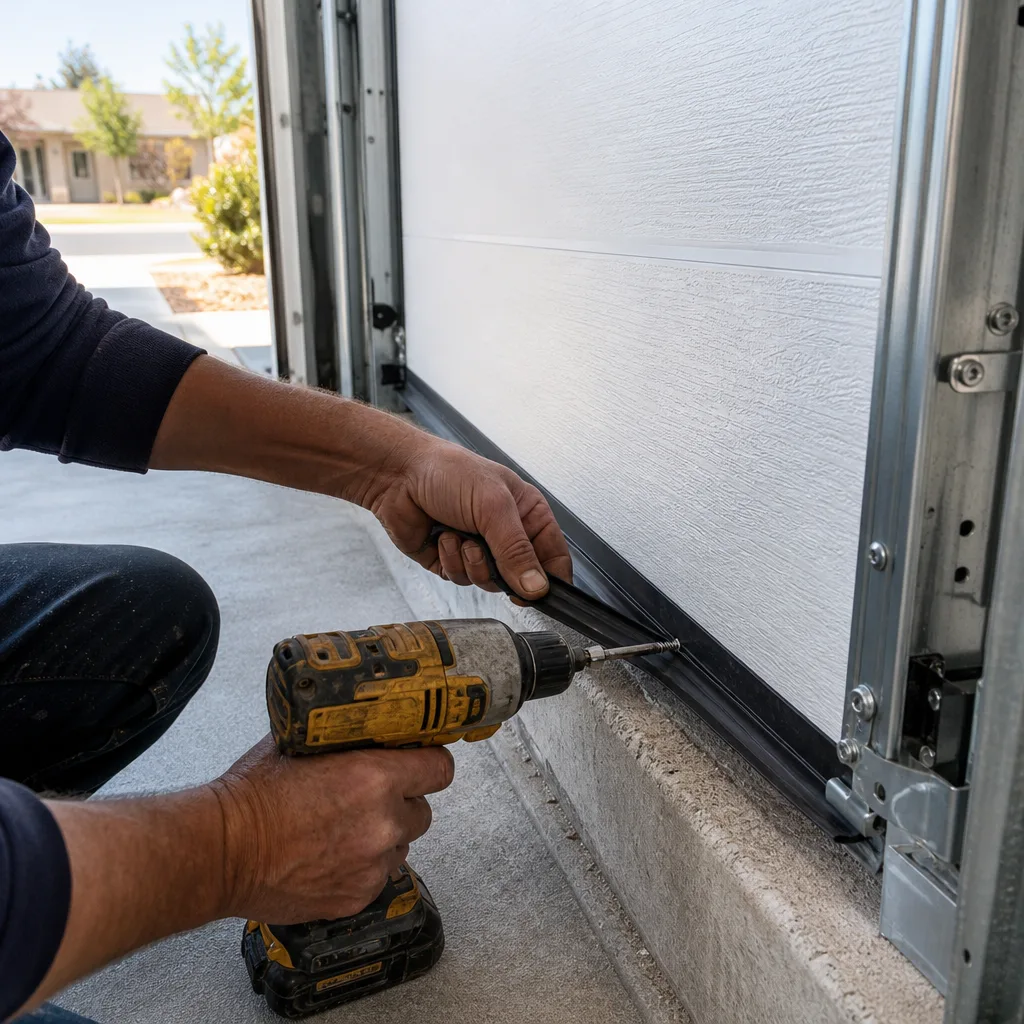
Call us when the job involves the load path, the opener’s electrical connection, or a question you can’t answer in writing. Specifically: any header modification, a rough opening that’s out of square enough to need framing correction, a new dedicated opener circuit, a safety reversal test you’re not sure passed, or an ARC submission you need a door spec sheet for. These are the moments where the permit classification matters most, and the time to settle it is before the door is ordered. Servo Garage Doors Whitney offers free estimates in Whitney. Call (888) 402-1096 and we’ll measure, classify the job, and give you the number in writing.
See the difference
BeforeAfter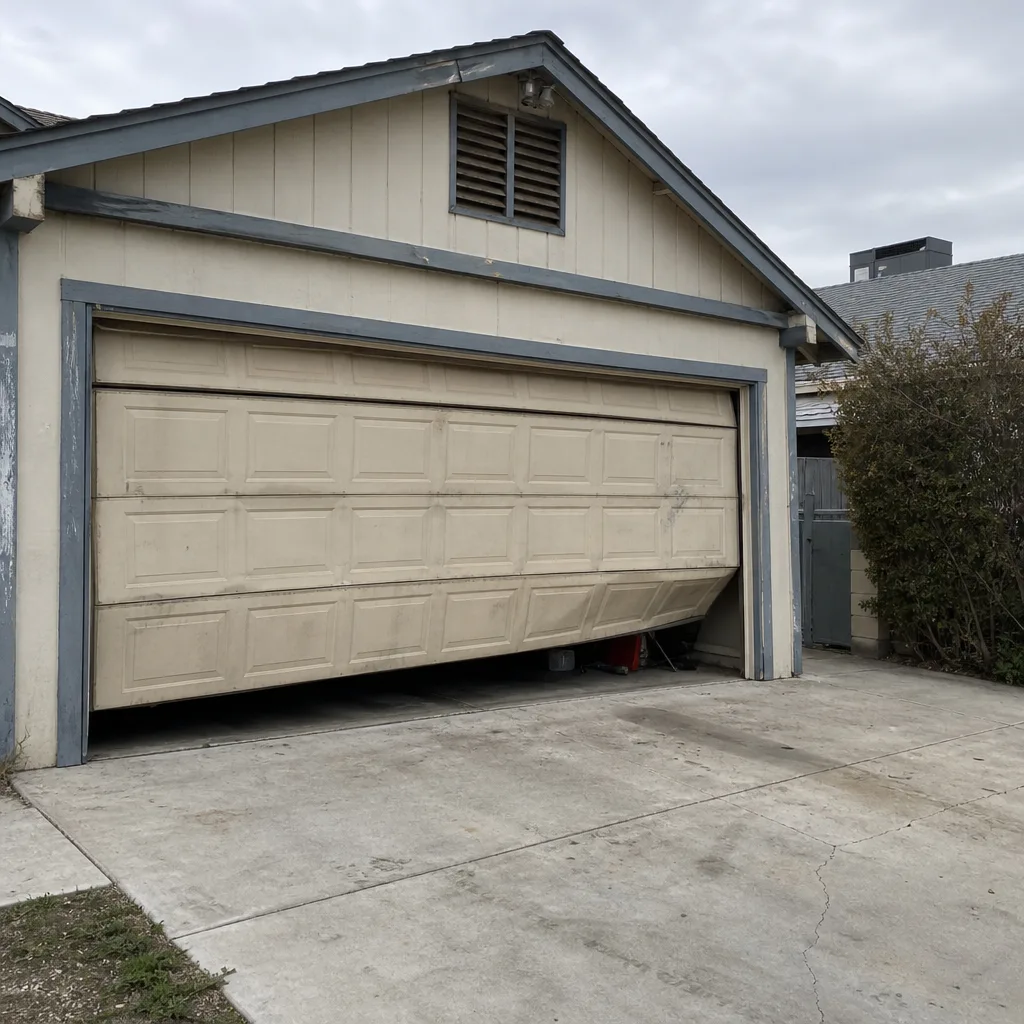 Before
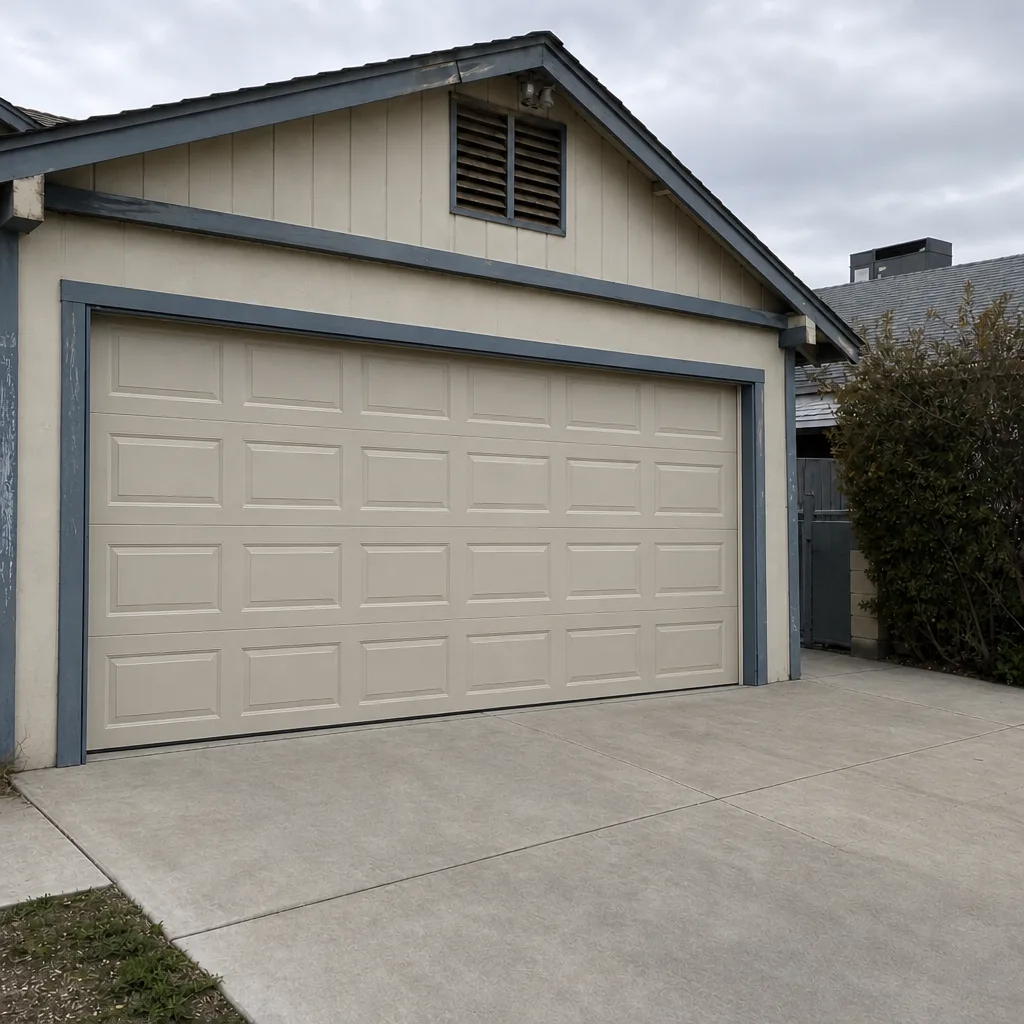 After
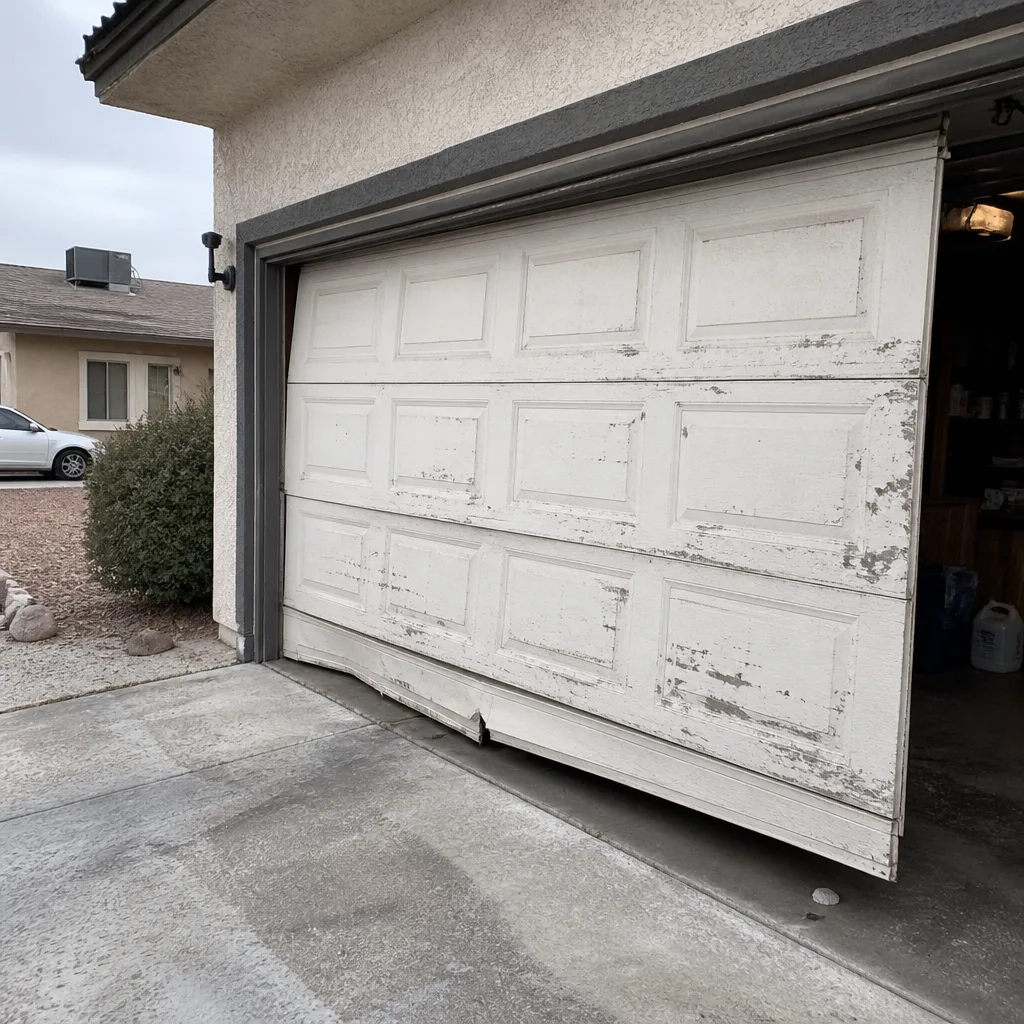 Before
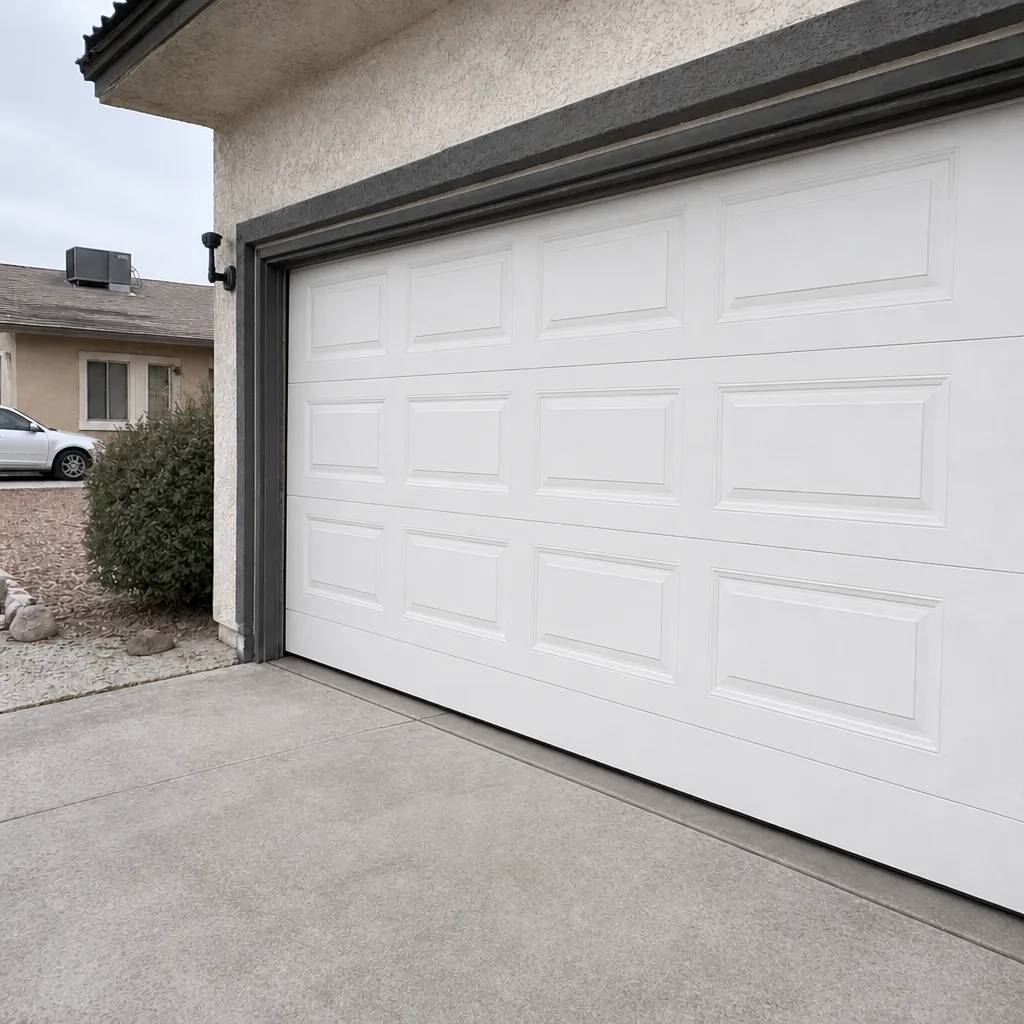 After
Frequently Asked Questions
Usually no, if the replacement is like-for-like: same rough opening, same tracks, same spring location, no framing changes. A structural alteration such as widening the opening or modifying the header does require a Clark County permit. Call (888) 402-1096 for an exact classification and a free estimate, in writing, before you order.
Permit fees vary with the scope of the work and are set by the county, not by the installer. A minor structural alteration typically carries a smaller fee than a full opening resizing. Because the county sets the number, get the current fee from Clark County Development Services directly, and ask your installer to state in writing whether the job needs a permit at all. Call (888) 402-1096 for the classification; estimates are free.
Only if it requires new wiring. Replacing an opener on an existing circuit generally doesn’t. Running a new dedicated circuit or hardwiring an opener where none was hardwired before usually does, under NEC. Call (888) 402-1096 and we’ll tell you which side of that line your job falls on.
The inspector checks three things: the header load path (framing sized and fastened correctly), the rough opening dimensions against the approved plan, and the opener’s safety reversal, meaning the photo-eye and pressure systems both stop and reverse a closing door on an obstruction. An installer should test all three before the inspector arrives. Call (888) 402-1096 for a pre-inspection check.
Yes, if your subdivision’s architectural review committee hasn’t approved the door. The ARC reviews appearance and spec, not framing, so it runs in parallel with the permit process, not after it. Submit the manufacturer spec sheet early. Call (888) 402-1096 if you need a spec sheet for the ARC packet.
It can. A buyer’s home inspection often flags unpermitted structural work, and the title search may too. At that point you’re retroactively permitting, remediating, or disclosing, all under a sale deadline. The fix is the paper trail: keep the permit number, passed inspection, HOA approval, and installation record in your property file. Call (888) 402-1096 if you’re not sure what your file should contain.
The Bottom Line
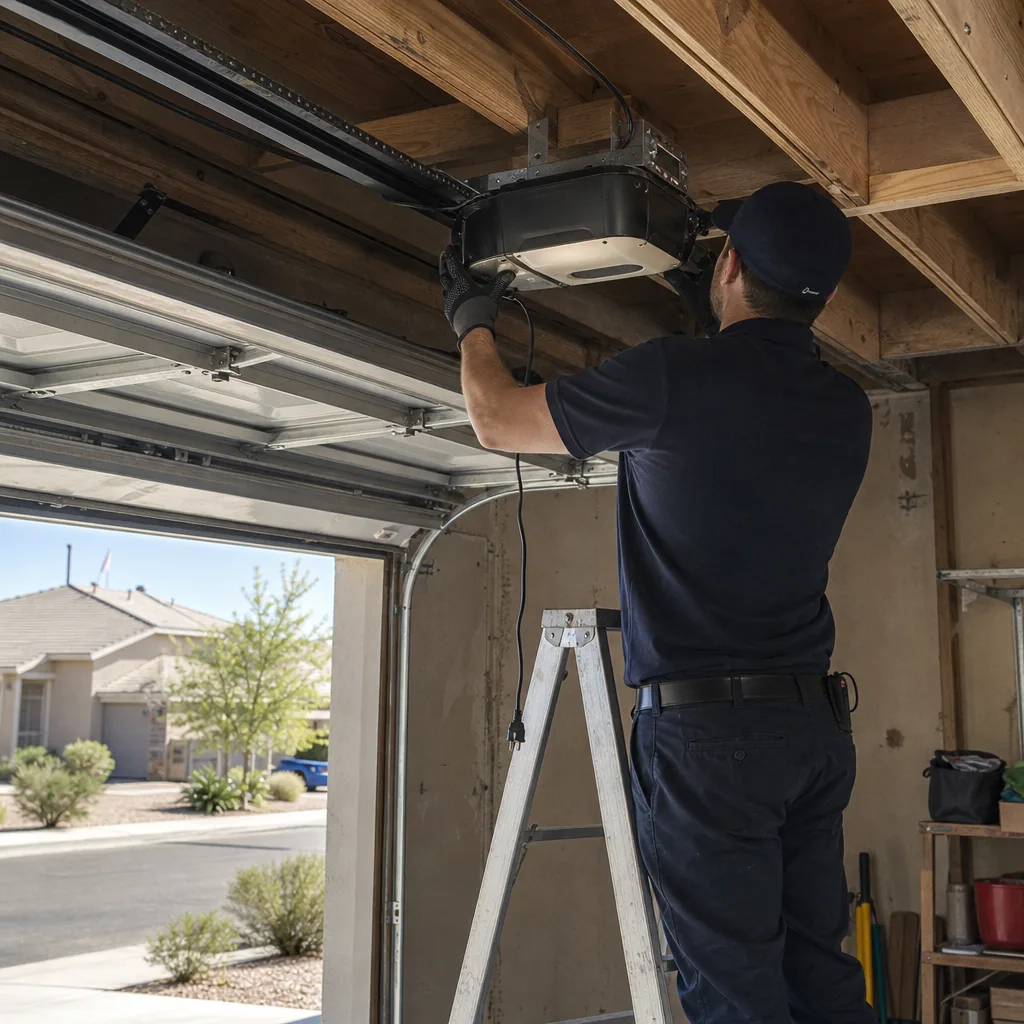
Most garage door replacements in Whitney don’t need a permit. The ones that do are structural, and those are the ones where missing paperwork follows the house. The rules that decide it are simple: like-for-like vs. structural opening change, plus a separate electrical rule for new opener circuits. A compliant install leaves a paper trail, permit number, inspection result, HOA approval, written scope, photo record, and keeping that trail protects you at resale. Before you order a door, get the classification in writing. That one document settles the question for you and for every buyer after you.
Written by the team at Servo Garage Doors Whitney.