
Last updated November 18, 2026
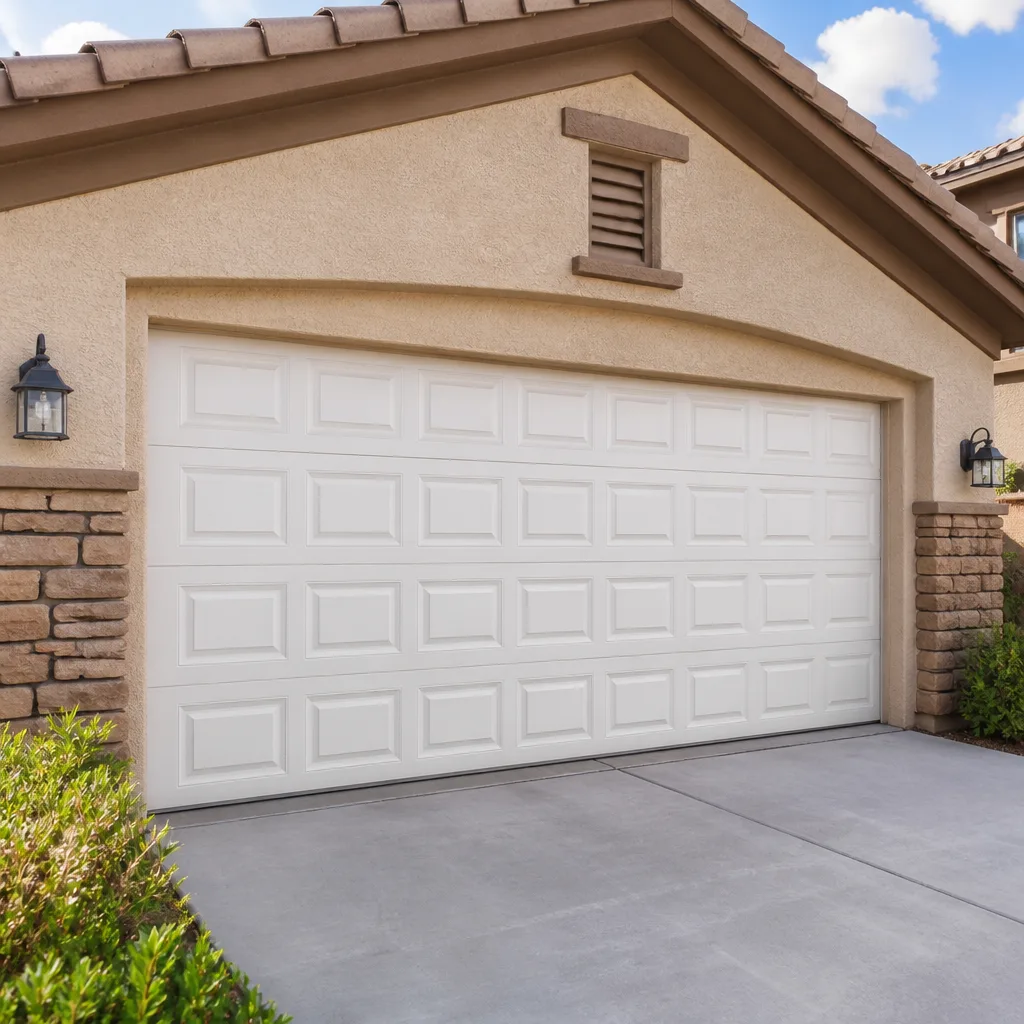 Raised-panel steel
 Carriage house
 Modern flush
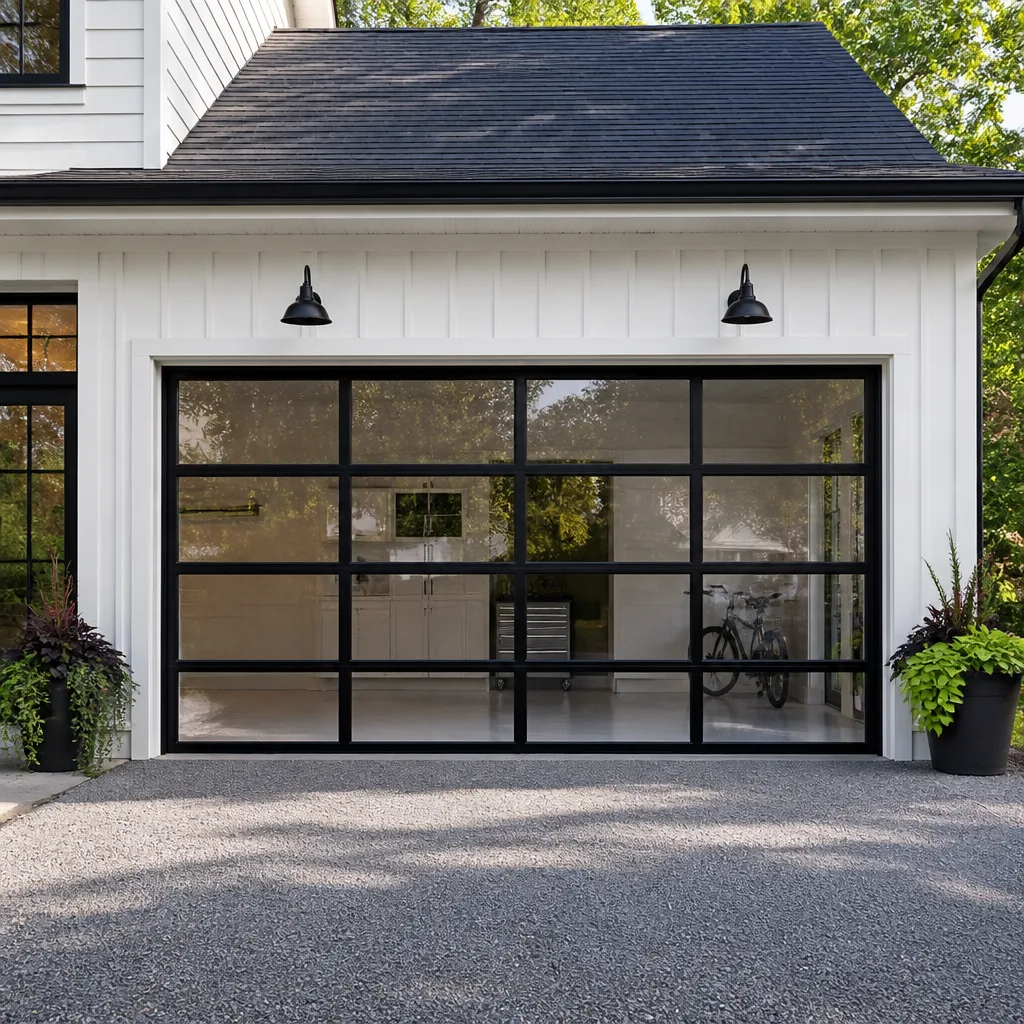 Full-view glass
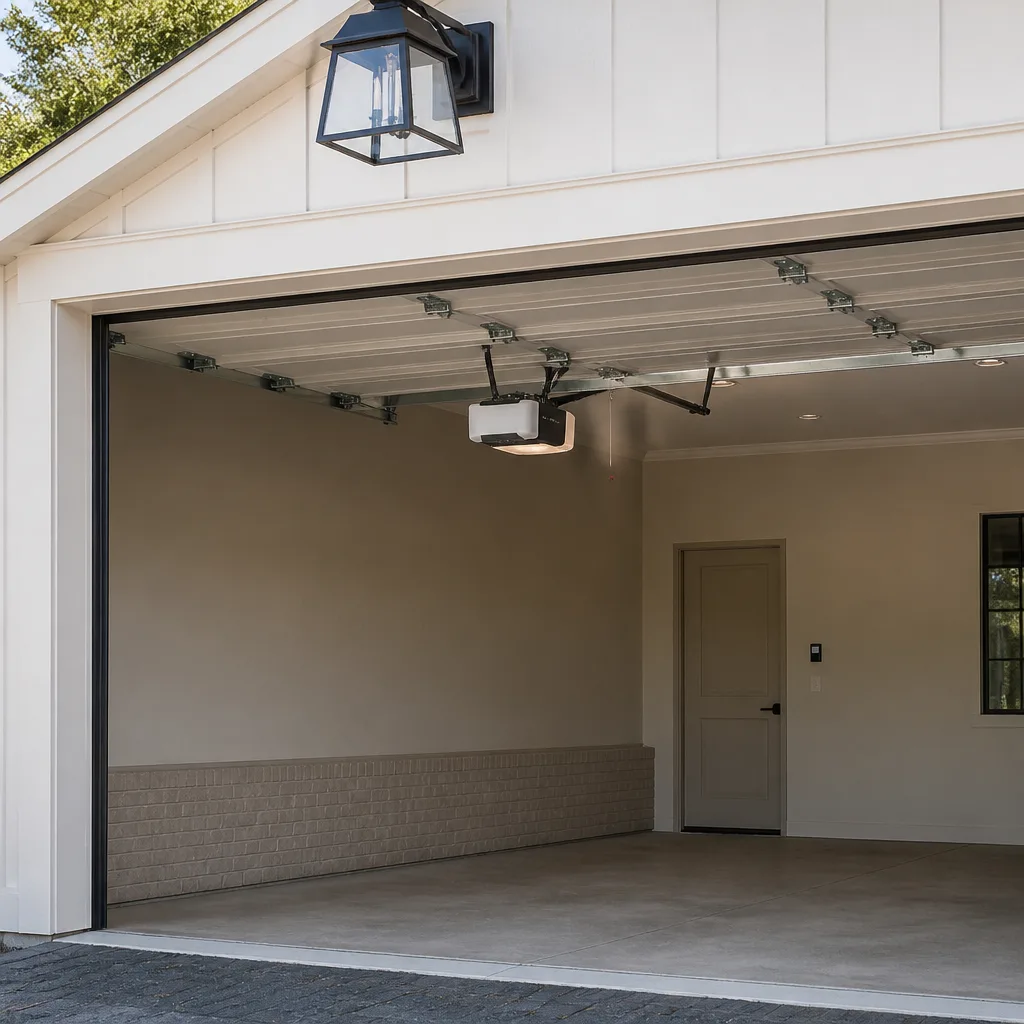 LiftMaster openers
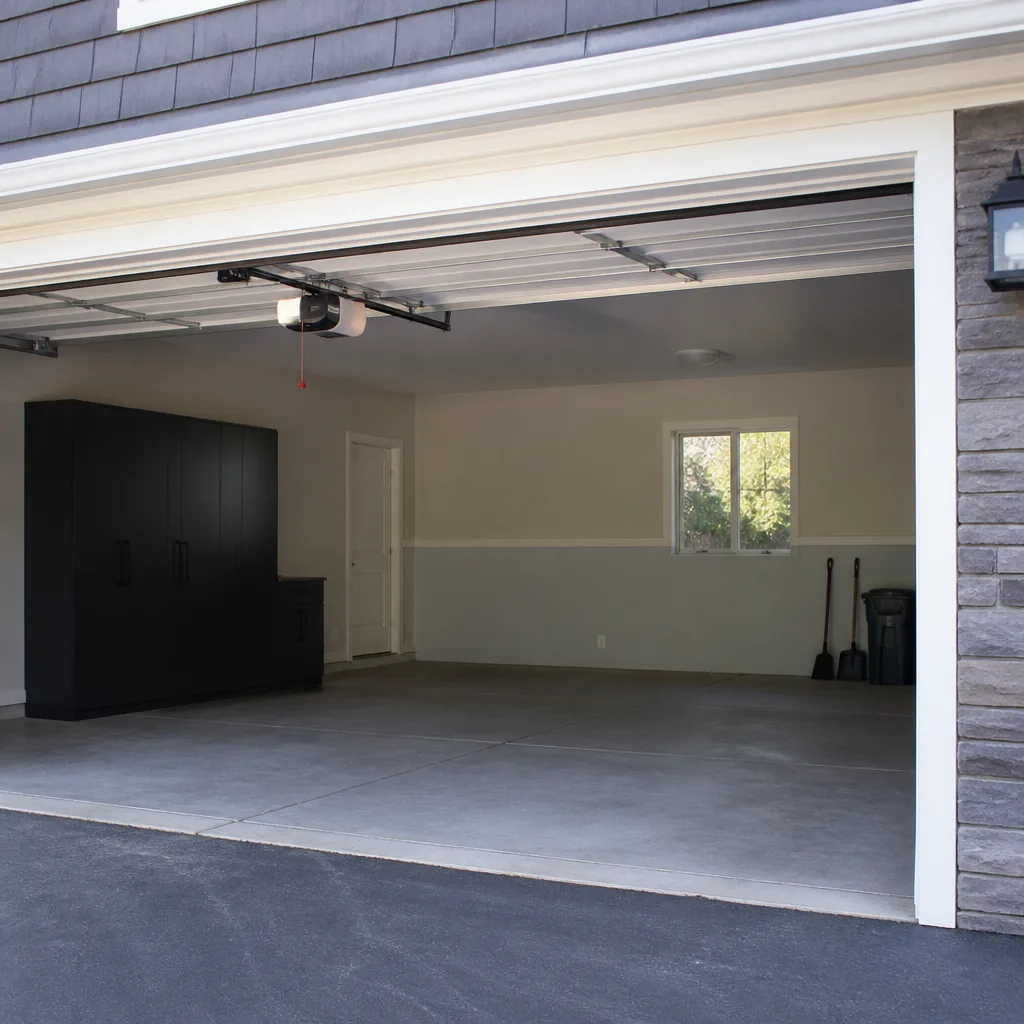 Chamberlain openers
Full 25-point door and opener safety check with every visit - springs, cables, rollers, tracks, and your LiftMaster or Chamberlain opener included
You get a price before we start. It does not change when the pro arrives.
Get your free estimateGarage Door Repair Maintenance Checklist for Whitney Homeowners
The word “inspect” appears in most garage door maintenance checklists eleven times without once defining what a failed inspection actually looks like. That’s not a checklist, it’s a liability disclaimer. A useful checklist gives you go/no-go numbers: the lift a balanced door should hold, the strand count at which a cable is done, the compression gap that means your bottom seal is already letting desert air and insects into the garage. Whitney sits in a heat cycle that punishes garage door hardware harder than most of the valley, so the numbers matter more here than they would in a milder climate. This guide gives you the measurements, the timing, and the line where you stop and hand it to a technician.
Quick Answer
A Whitney garage door needs two full inspection passes per year: one in April before summer heat peaks, and one in October after it breaks. At each pass you check door balance, spring coil condition, cable strands, roller wear, bottom seal compression, and opener force settings. Anything that requires touching the torsion spring or the high-tension cables is a technician’s job, not a homeowner’s, because those components store enough energy to cause serious injury. Everything else on this checklist you can do with a tape measure, a marker, and a phone camera.
Styles & brands we work with
- Raised-panel steel
- Carriage house
- Modern flush
- Full-view glass
- LiftMaster openers
- Chamberlain openers
Table of Contents
- Why Whitney Heat Changes the Maintenance Calendar
- The Two Critical Service Windows: April and October
- The Balance Test: What Deviation Actually Looks Like
- Springs, Cycles, and the Coil Count That Matters
- Cables, Rollers, and the Wear Numbers
- Bottom Seals, Tracks, and the Compression Gap Test
- How to Log Findings With Photos and Dates
- What’s DIY-Safe and What Isn’t
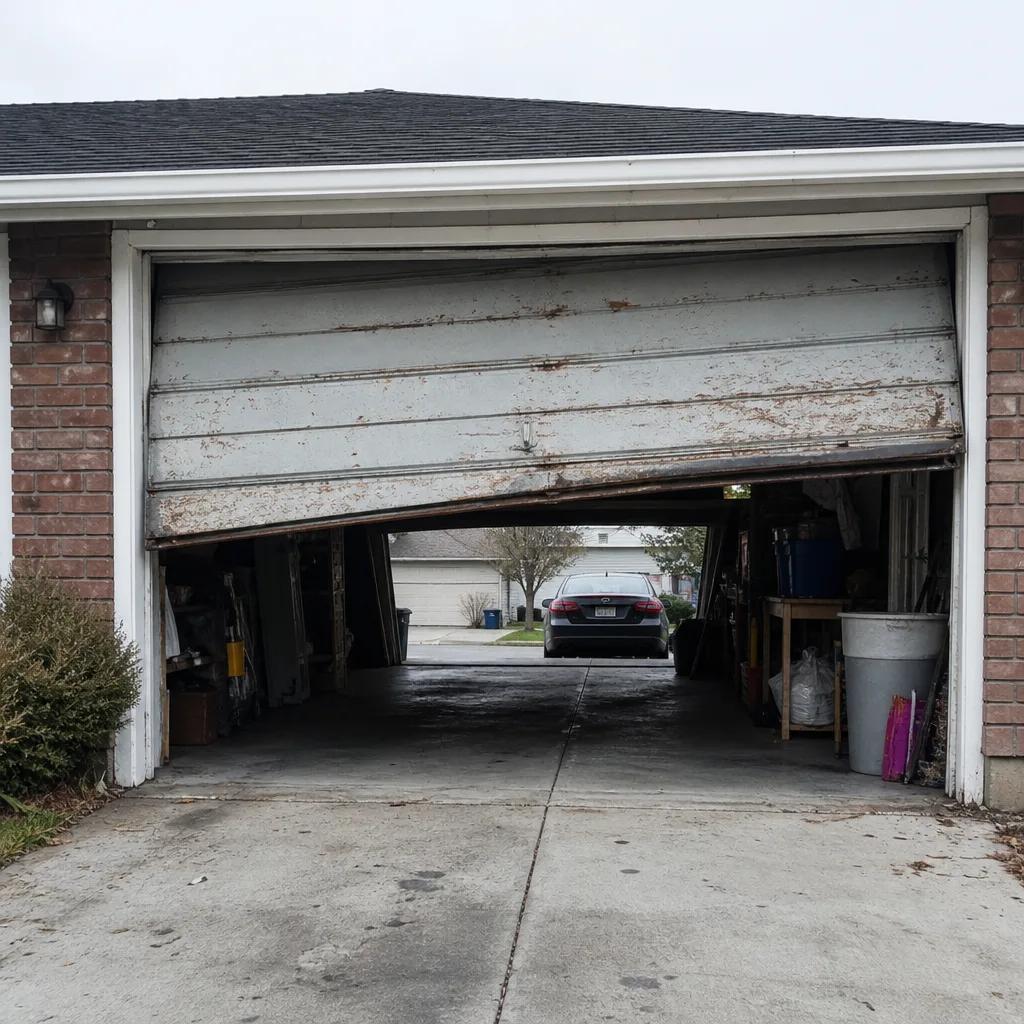 Before
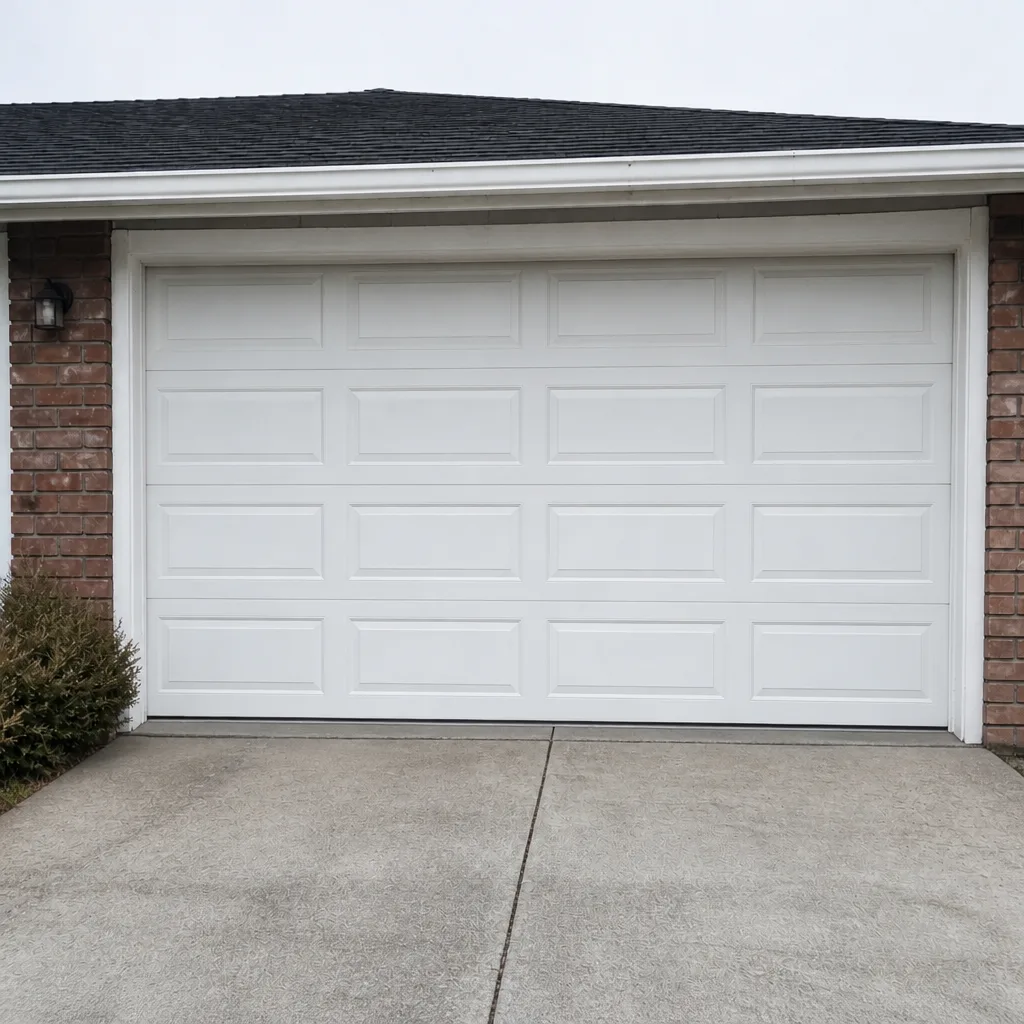 After
Why Whitney Heat Changes the Maintenance Calendar
Whitney’s summer heat is the single largest driver of garage door wear in the area. A garage that faces west absorbs afternoon sun for six or seven hours a day, and the interior of that garage can climb tens of degrees above ambient outdoor temperature during a July afternoon. That heat cycling does specific things to specific parts: torsion springs lose tension faster, lubricant on rollers and hinges cooks off and stops doing its job, and the bottom seal hardens and shrinks against the concrete.
In our experience across Whitney, we see more spring failures in the first two weeks of sustained heat than in any other month. Springs don’t usually fail mid-January. They fail on the third or fourth day of ninety-plus degree afternoons, when the metal has expanded and contracted enough times that a fatigue crack reaches its limit. That’s why the pre-summer inspection matters more in Whitney than it would in a coastal market where the temperature curve is flat.
The other side of the calendar is October. When the heat breaks, the door and its hardware contract back. Cables that were stretched taut in August may show slack, bottom seals that were soft in June are now brittle, and the garage door opener may reveal a force setting that was compensating for summer drag. A post-summer pass catches the damage the hot months did before it becomes a mid-winter breakdown.
If you’ve never had a Whitney-specific maintenance routine, the October pass is the one to start with. It’s the lower-urgency window, and it sets you up to know exactly what needs attention before the following April.
The Two Critical Service Windows: April and October
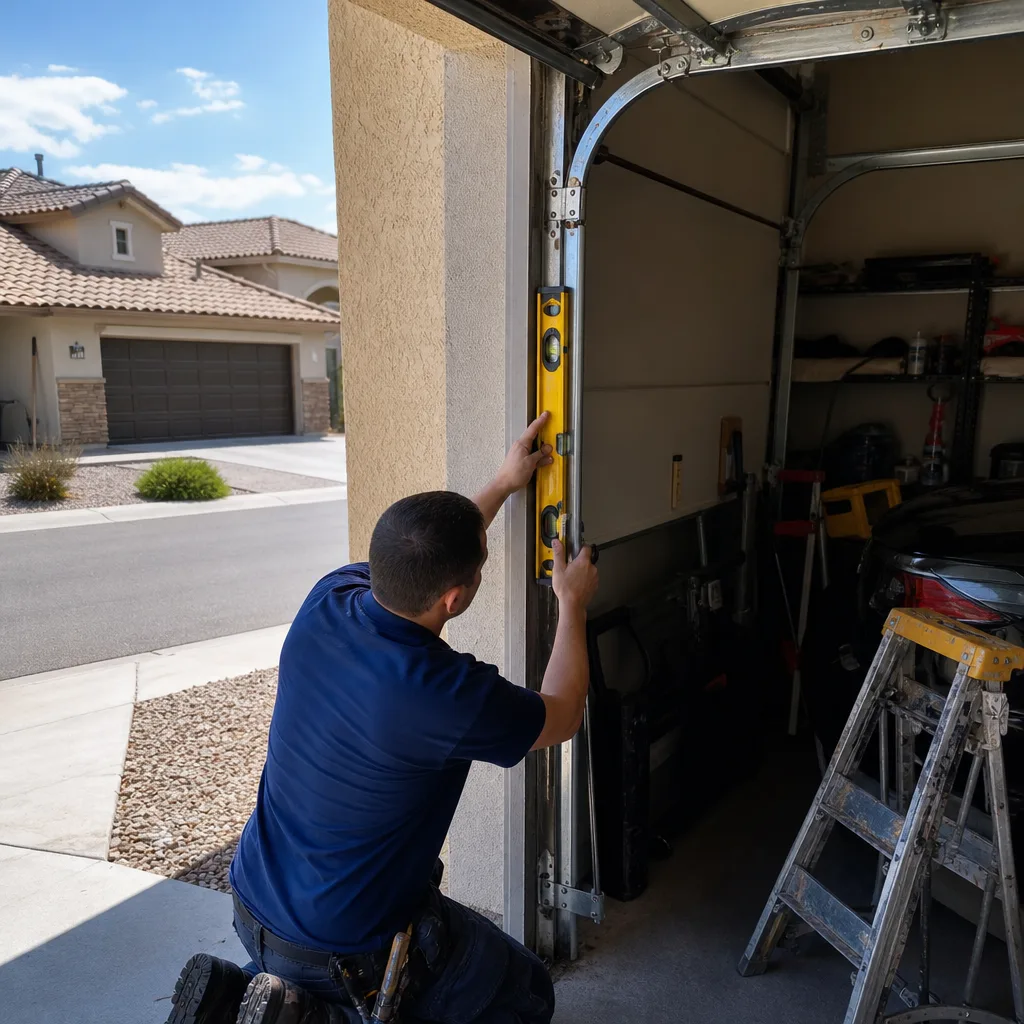
Two passes a year is the minimum for a Whitney door. Three is better if your door faces west or your garage is uninsulated. Here’s what each window is for:
- April pre-summer pass. Focus on anything that heat will stress: spring tension, roller lubrication, opener force settings, and bottom seal compression. You’re looking for marginal components and deciding what gets replaced before summer finds it. A torsion spring six months from failure should be replaced in April, not discovered broken in July.
- October post-summer pass. Focus on anything the heat may have damaged: cable strand fraying, seal hardening, loose hinges, and any track misalignment caused by thermal expansion. October is also the right time to relubricate everything that cooked off over the summer.
- Optional mid-summer spot check. A five-minute visual walk-around in July: look at the spring for fresh rust powder underneath it, listen for new noises, watch for the door reversing on close. It’s not a full pass, but it catches acute failures early.
The reason April and October specifically, and not “spring and fall,” is that the Whitney desert cycle doesn’t track a mild seasonal curve. It goes from comfortable to punishing in roughly three weeks, and back down in roughly three weeks. The two windows sit right before those transitions, which is when you want to know the true condition of the hardware.
If April’s inspection shows a torsion spring with a visible fatigue crack, that’s the moment to schedule a replacement. Garage Door Repair in Whitney covers what a same-day spring replacement looks like and what it costs.
The Balance Test: What Deviation Actually Looks Like
The balance test is the single most useful diagnostic a homeowner can run. It’s also the one most often described in useless terms (“if the door feels heavy, call a pro”). Here’s the actual go/no-go:
- Disconnect the opener. Pull the emergency release cord so the door is on manual operation only.
- Raise the door to waist height (roughly 36 inches off the floor) and stop it there with your hand.
- Let go. A correctly balanced door stays where you left it, or drifts slowly down by less than a hand’s width.
- Measure the drift. If the door falls more than 6 inches before stopping, the springs are under-tensioned. If it rises on its own, they’re over-tensioned.
- Repeat at three heights (waist, chest, and just below fully raised) to check for consistency across the travel.
A drift of 6 to 12 inches is marginal: schedule a spring adjustment within a month. A drift greater than 12 inches, or a door that slams down, is a same-week call. Under-tensioned springs put the full weight of the door on the opener, and in a Whitney summer that’s how logic boards and trolley carriages fail prematurely.
Do not attempt to adjust the spring tension yourself. That adjustment turns a set screw on a component holding a loaded torsion spring, and the spring can release its stored energy instantly. That’s the line, and it’s firm for a reason. A technician has the winding bars and the training to do it safely. For a homeowner, the balance test tells you whether to call, not how to fix it.
Springs, Cycles, and the Coil Count That Matters
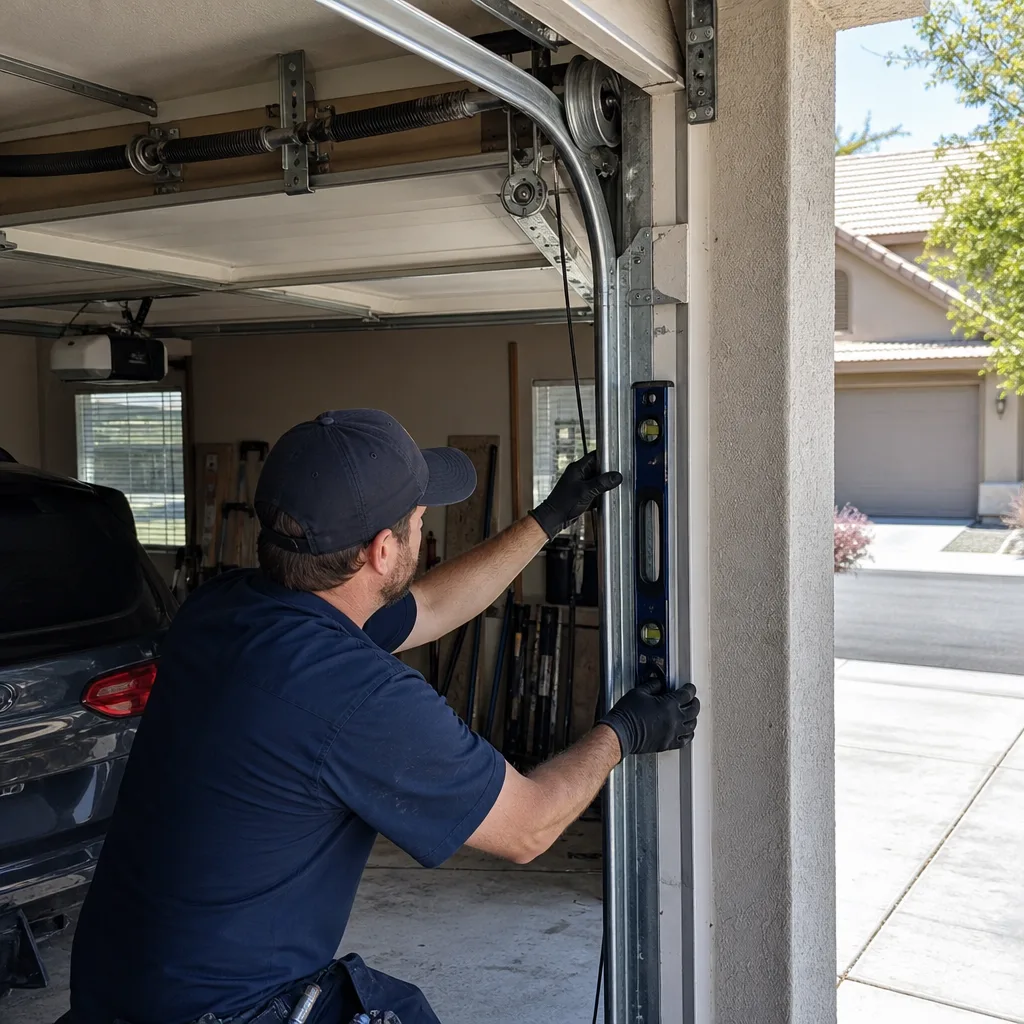
A standard residential torsion spring is rated for roughly 10,000 open-and-close cycles. A cycle is one up-and-down. If your household opens the garage door four times a day, that’s about seven years of rated life. If you’re opening and closing it eight times a day because of a work-from-home schedule, that’s closer to three and a half years.
In Whitney, the rated cycle life assumes normal thermal conditions. The desert heat shortens the effective life by a meaningful amount, which is why we see spring failures earlier than the cycle count alone would predict on doors that face afternoon sun. The spring isn’t just cycling, it’s cycling while hot.
Here’s what a failed inspection actually looks like on a torsion spring:
- Visible gap in the coil. A clean break shows as a gap of a quarter-inch or more between coil windings. This means the spring has already failed and the door is running on whatever tension remains in the other (if it’s a two-spring system) or on the opener motor (if it’s a single).
- Rust powder underneath the spring. A fine orange-brown dust on the shaft or the top of the door panel means the spring has been shedding metal. This is a six-months-out warning sign.
- Coil count deviation. If your door has two springs, they should match on wire diameter and coil count. A technician measures both with calipers. A mismatched pair (for example, one 0.25-inch wire spring and one 0.243-inch spring) creates uneven load and shortens the life of both.
- Stretched coil spacing. Even coil spacing across the length of the spring is healthy. Uneven, widened spacing near one end is a sign the spring is fatiguing.
Document the measurement every April and October. The wire diameter, the inside diameter, and the coil count on your spring are what a technician needs to match a replacement exactly. If you photograph the spring with a ruler held against it, that photo is the most useful piece of information you can bring to a service call.
Cables, Rollers, and the Wear Numbers
Cables and rollers are the parts homeowners most often miss, and they’re the two where the wear numbers actually mean something.
Cables. A standard galvanized lift cable is made of multiple strands wound together. When a cable starts to fail, individual strands fray out from the bundle. A single stray strand is worth photographing and monitoring. Two broken strands on the same cable is a replacement-now situation. Three or more strands broken on a single cable means you shouldn’t operate the door until a technician replaces it, because a cable failure under load is sudden and dangerous.
In our experience across Whitney, cable failure clusters in late summer, right after the worst heat has expanded the metal over and over. If you’ve never looked closely at the cables on your door, do it in October first.
Rollers. Steel rollers are rated for roughly 12,000 cycles. Nylon rollers last longer but crack. Here’s the go/no-go:
- Visible flat spot on the roller wheel: replace within a month.
- Cracked nylon, or play in a steel roller bearing: replace the set, not just the one. Worn rollers accelerate each other’s wear.
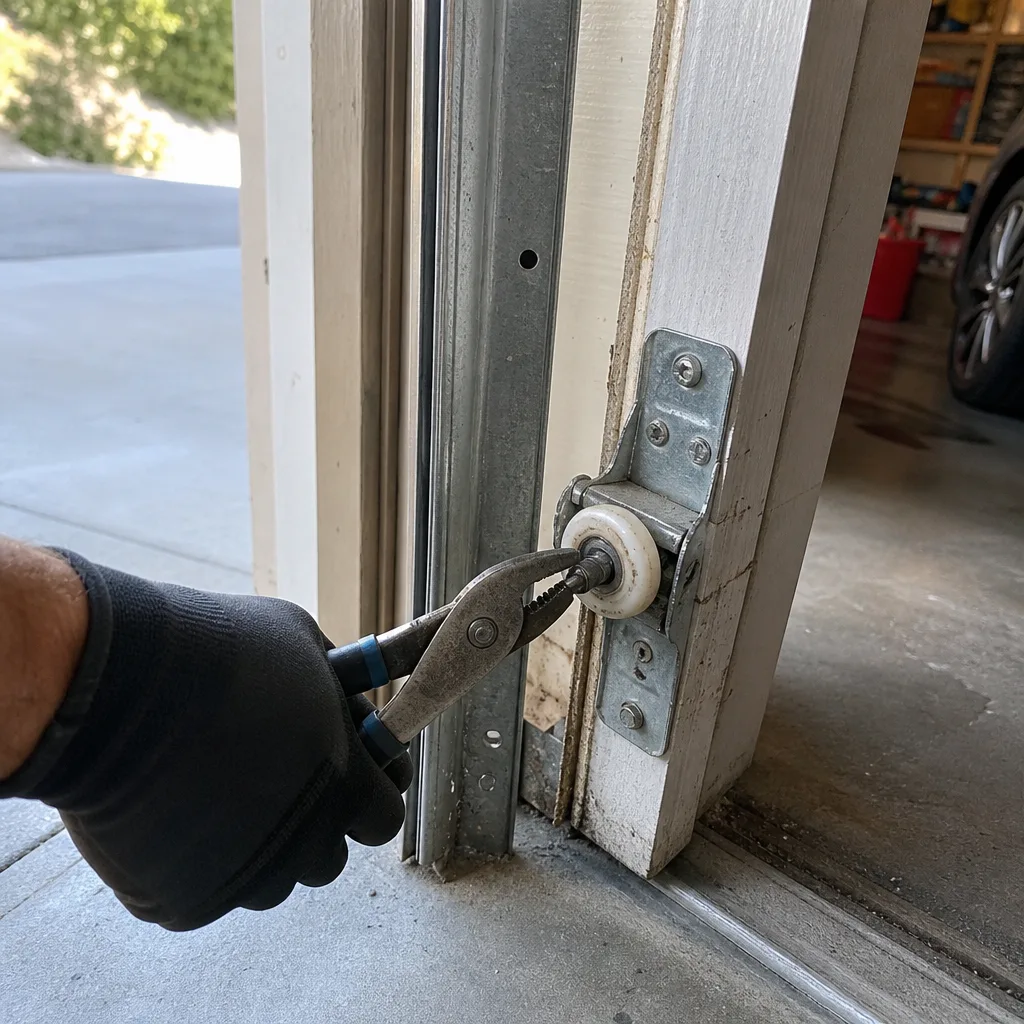
- Loud grinding or squealing during travel: hit the rollers with a silicone-based lubricant first. If the noise persists after lubrication, replace the rollers.
Avoid WD-40 on garage door rollers and hinges. It’s a solvent, not a lubricant, and in Whitney’s heat it evaporates and leaves the rollers drier than before. A white lithium or silicone-based lubricant is what you want.
Bottom Seals, Tracks, and the Compression Gap Test
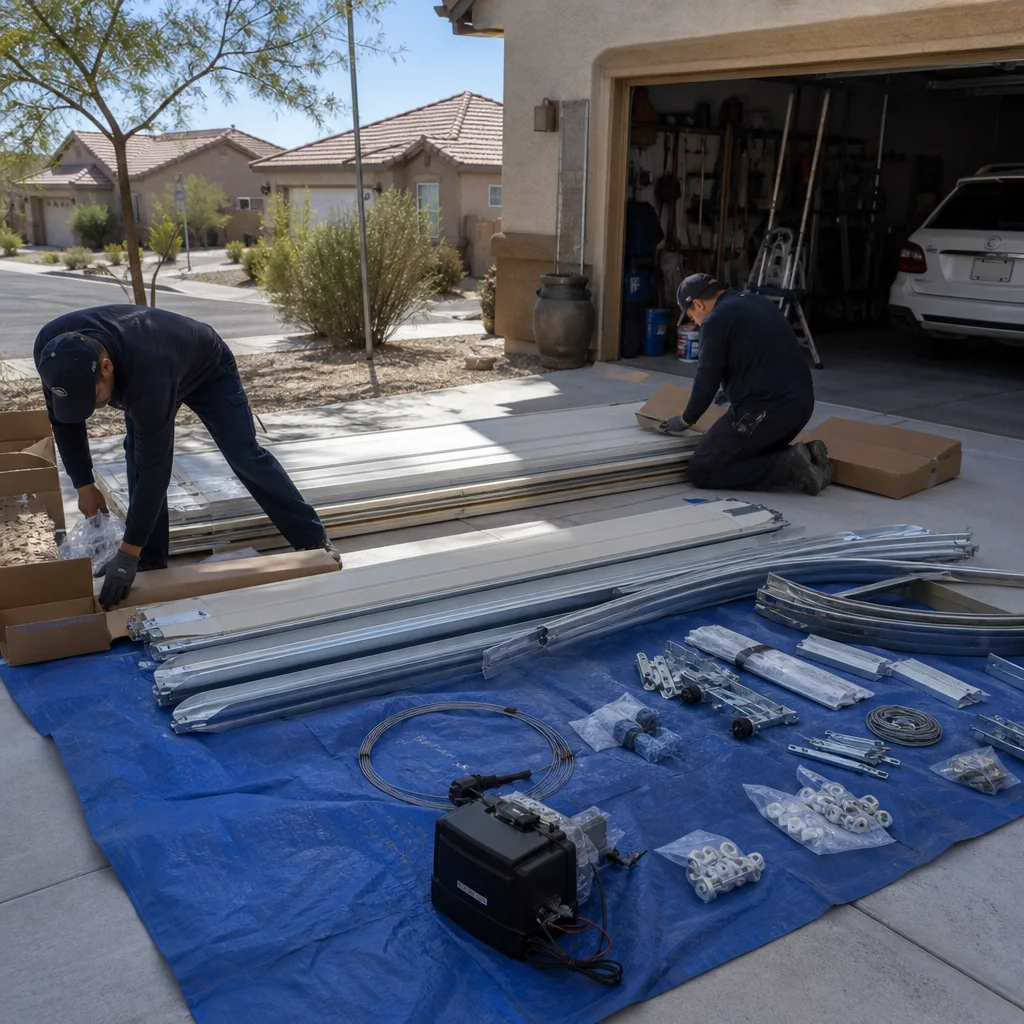
The bottom seal is the rubber or vinyl strip along the base of the door. Its job is to seal the gap between the door and the concrete floor. In Whitney, that seal takes a beating: summer heat hardens it, and the concrete it rests on expands and contracts enough to warp the contact line.
Here’s the compression gap test:
- Close the door fully.
- Slide a piece of paper under the seal at five points across the width of the door.
- Pull the paper out. If it slides freely with no resistance, the seal isn’t compressing at that point. A gap of more than 1/8 inch at any point where paper slides freely means the seal is failing.
- Measure the seal’s thickness at one end and the middle. If the seal has lost 20 percent or more of its original thickness at the ends compared to the middle, it’s set to fail.
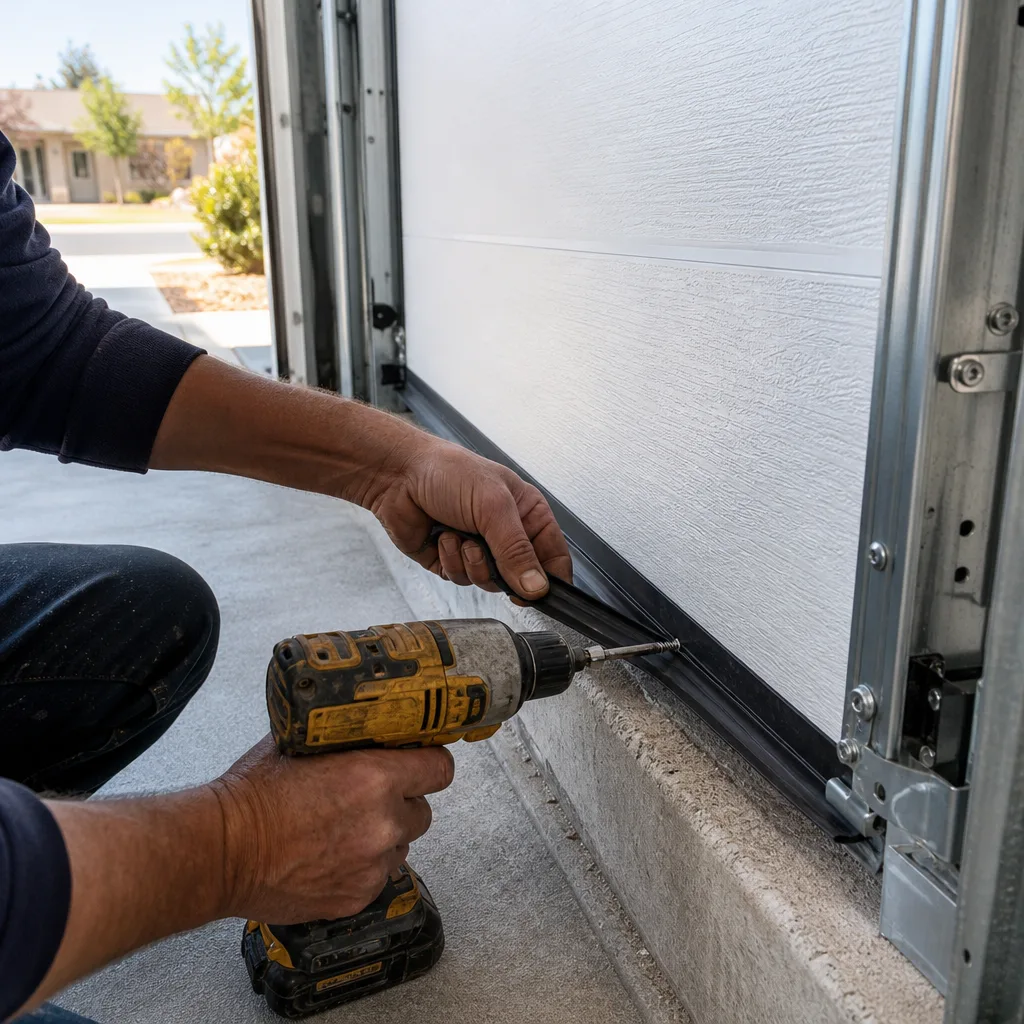
A failing bottom seal let in summer heat, insects, and dust. In Whitney, it also lets the garage temperature climb higher than it should, which accelerates wear on everything inside. Replacing a bottom seal is one of the least expensive jobs on the checklist, usually in the low three figures. It’s also one of the few items a reasonably handy homeowner can do without a technician, though the door has to be raised to the top of its travel and you want the door to be otherwise healthy before you start.
Tracks. Look for visible bends, dents from a car bumper, or loose mounting bolts where the track attaches to the jambs. A bent track causes the door to bind, which puts stress on the opener and the rollers. Small bends (less than a half-inch deviation) can sometimes be straightened by a technician; severe bends require replacement. Never attempt to bend a track back into shape yourself. The door is under spring load, and the geometry matters.
How to Log Findings With Photos and Dates
A checklist is only as good as the record it produces. If you don’t write down what you found and when you found it, you have no way to know whether a marginal part is getting worse or holding steady. This is the same principle behind Clause 4 of The Haven Standard, which is why the technician photographs the failed component before quoting a replacement. The photo is the argument.
Here’s a logging routine that takes five minutes per pass:
- Create a folder on your phone called “Garage Door [Year].” One folder per year is enough.
- Photograph the same six things every pass from the same angle: the torsion spring, the spring shaft, the left cable, the right cable, the bottom seal at the center, and the rollers on the left track.
- Name each photo with the date (for example: “2026-04-spring.jpg”).
- Write one line per item in a note on your phone: what you measured and whether it’s better, worse, or unchanged from the last pass.
- If anything changed, measure again in two weeks so you have a trend, not a snapshot.
That log is what a technician wants to see before quoting a repair. It also protects you from the all-too-common situation where a marginal part gets quoted as an emergency because neither you nor the service company has a baseline. If you bring a written estimate from another company and want a second set of eyes, Servo Garage Doors Whitney home offers a free second opinion on any competing written estimate. Bring the paperwork.
What’s DIY-Safe and What Isn’t
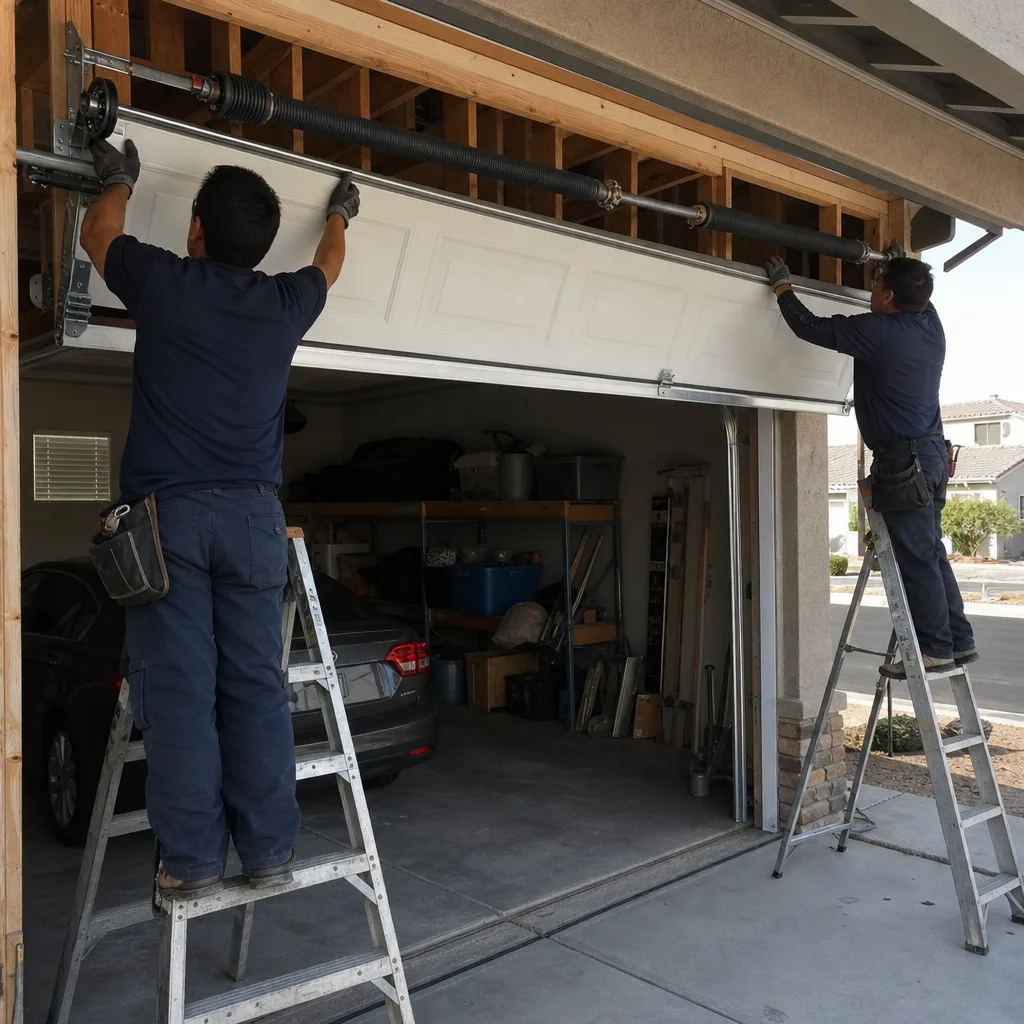
There’s a clean line on this checklist, and it isn’t about how handy you are. It’s about whether the component stores energy (tension, weight, or voltage) that can hurt you. Here’s where each item falls:
- DIY-safe: Visual inspection of springs, cables, rollers, tracks, and seals. Lubrication of rollers and hinges with silicone or white lithium spray. Cleaning the photo eyes at the bottom corners of the tracks. Replacing the bottom seal (with the door fully raised and the opener disconnected). Testing the opener’s auto-reverse feature.
- Requires a technician (spring tension): Adjusting torsion spring tension. Winding or unwinding a garage door torsion spring requires the proper winding bars and specific experience; a slip can cause a very serious injury in an instant.
- Requires a technician (cable tension): Replacing lift cables or adjusting the cable drums. The cables are held under the spring’s load. A technician gets a documented, backed warranty on the cable replacement. A homeowner gets a hospital bill.
- Requires a technician (voltage): Any work inside the opener motor housing or the opener’s logic board. The wall outlet the opener plugs into is 120V and the logic board is not designed to be serviced by anyone but a technician. If the door won’t reverse or the opener won’t respond to the remote, the fix is diagnostics, not a swap.
If your opener is showing any of the voltage signals (won’t reverse on obstruction, light flashes in a pattern you don’t recognize, remote range has collapsed), Garage Door Opener Repair & Installation in Whitney is the right next call. There are diagnostics a technician runs that most homeowners can’t, and it’s cheaper than replacing an opener when the actual problem is a limit switch or a travel adjustment.
The bottom seal replacement is genuinely doable, but only if you can raise the door fully to the top of its travel and safely hold it there. If the door isn’t balanced (per the balance test above), do not raise it. Fix the balance first, with a technician.
Common Mistakes to Avoid
- Treating “springs look fine” as a final answer. A spring can look perfect and fail tomorrow. The measurement is what matters, not the visual.
- Lubricating with WD-40. It’s a solvent that evaporates in Whitney’s heat and leaves the rollers drier than before. Use silicone or white lithium.
- Skipping the October pass. Most homeowners do a maintenance pass in the spring and forget the fall. October is the window that catches the damage summer caused.
- Ignoring a marginal balance test. A door that drifts 8 inches today will drift 15 inches by August. Fix it at 8.
- Calling the bottom seal cosmetic. A failed seal in Whitney lets heat, dust, and insects through a gap that also invites rodent intrusion. It’s functional, not decorative.
- Not photographing the failed part before authorizing repair. Ask the technician to photograph anything they quote. If they won’t, that’s a signal.
- Running the door with a visibly frayed cable “for now.” A cable under load can fail with essentially no warning. If you can see broken strands, stop operating the door.
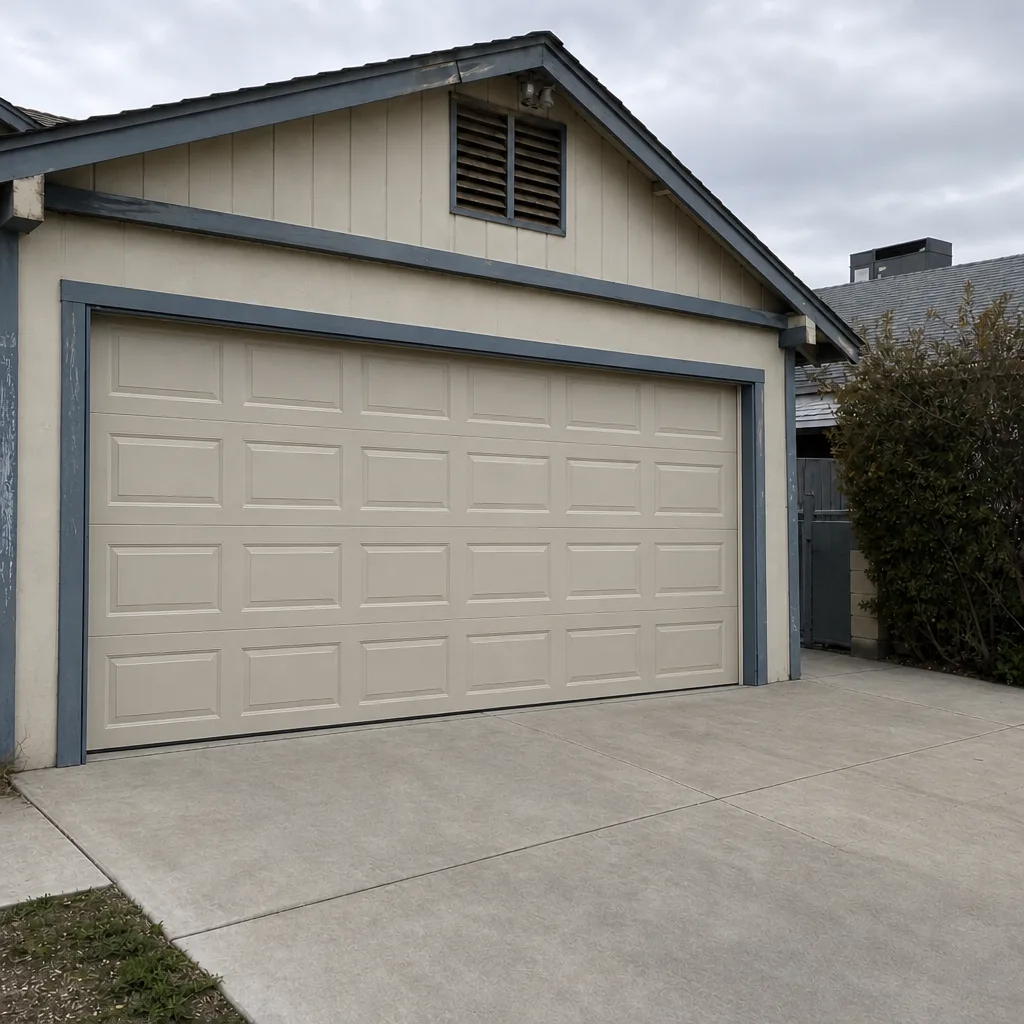
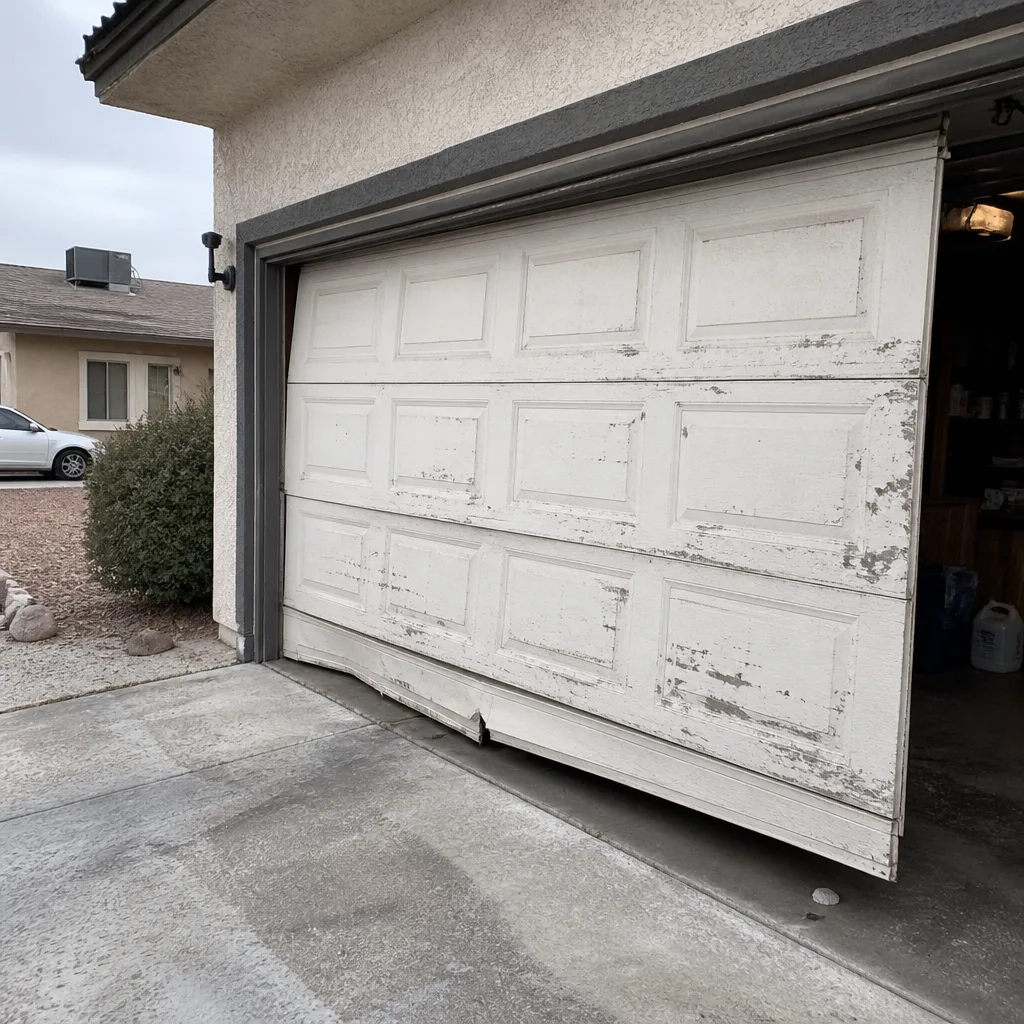
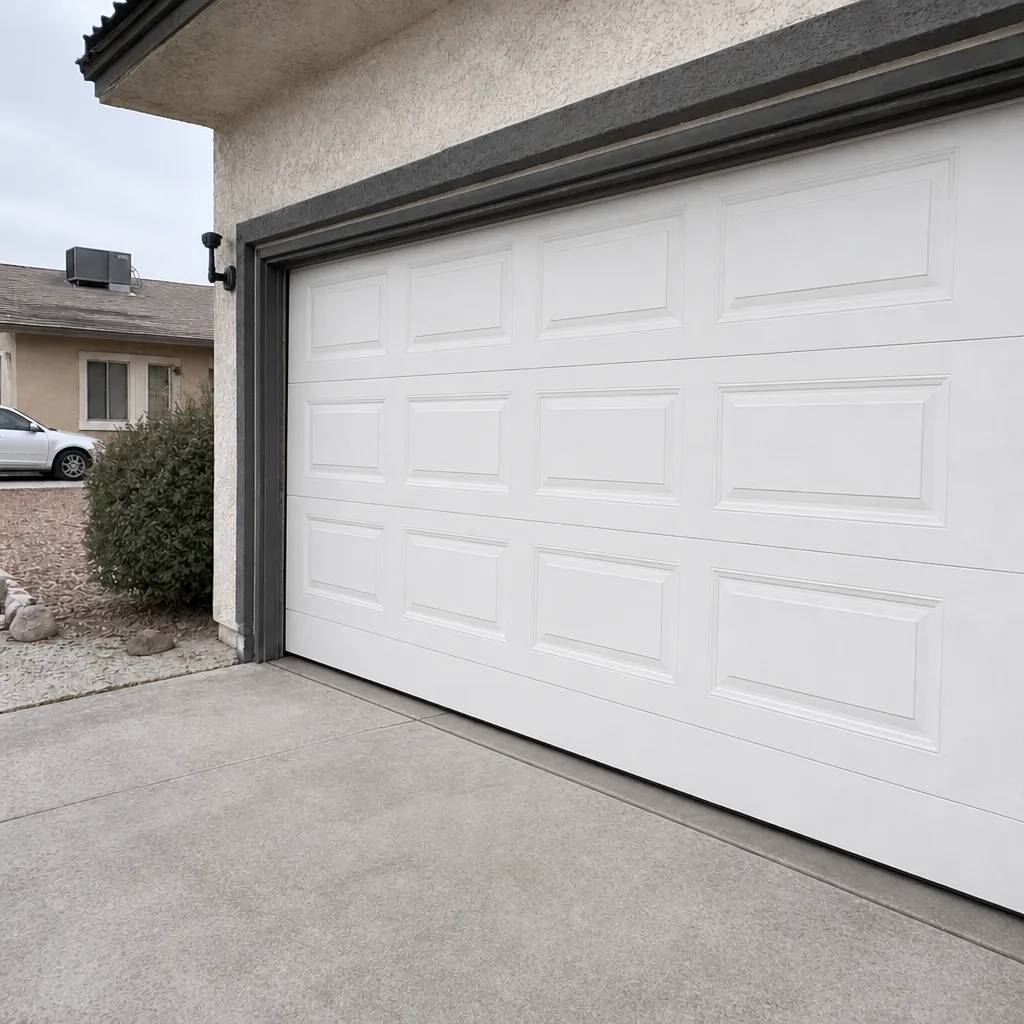
See the difference
BeforeAfter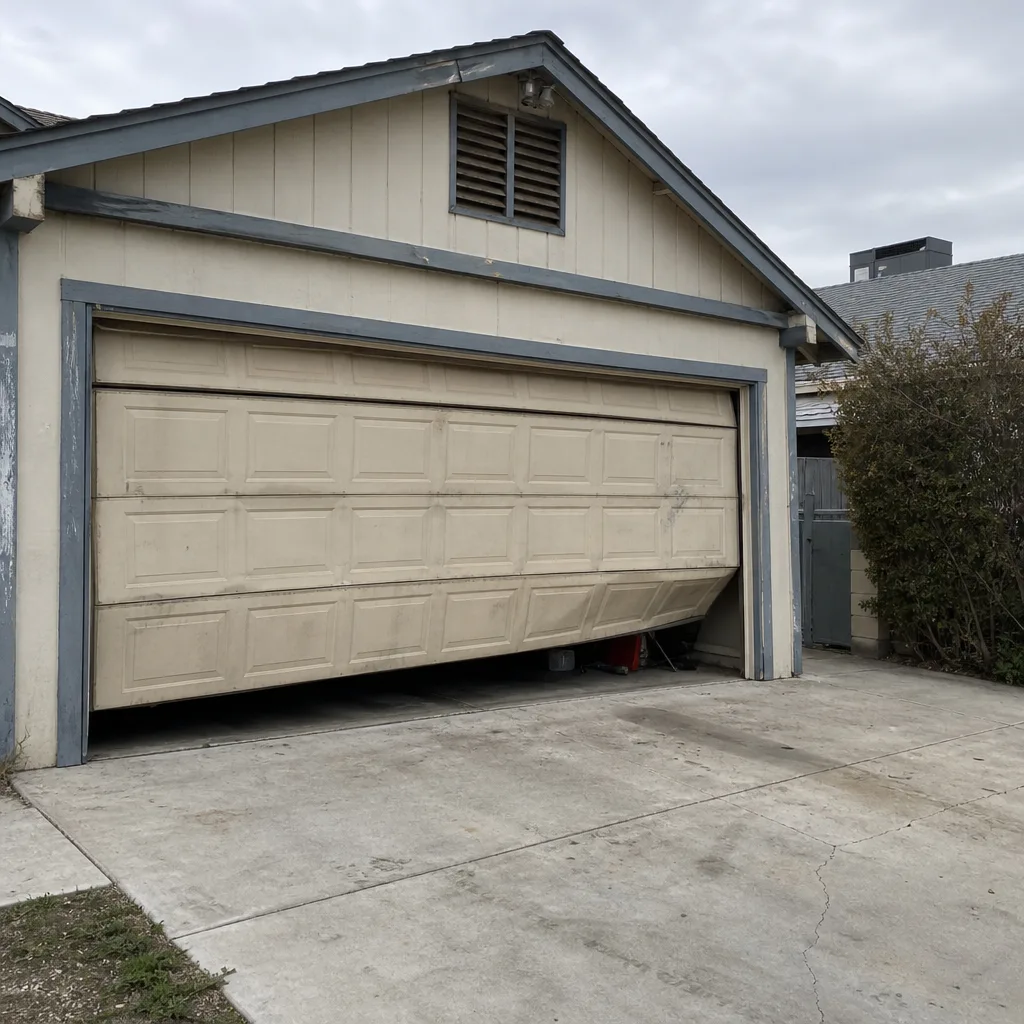 Before
 After
 Before
 After
When to Call a Professional
Call a technician when any of these show up on your checklist: a torsion spring with a visible gap, bend, or rust powder underneath; a balance test drift greater than 6 inches; a cable with two or more frayed strands; a roller with flat spotting or cracked nylon; a bottom seal with a compression gap of 1/8 inch or more at any point; an opener that won’t auto-reverse on obstruction; or a track with a visible bend. If a torsion spring has broken outright, do not operate the door; call for emergency service, and a live person answers. Servo Garage Doors Whitney offers free estimates in Whitney. Call (888) 402-1096 for a written price before any work starts. On every visit, technicians photograph what they found and hand you the record before they leave, so you have the same baseline we do.
If you’re thinking about replacement rather than repair, Garage Door Installation in Whitney covers the style, brand, and cycle-life choices for Whitney homes.
Frequently Asked Questions
Twice a year minimum, in April and October. Whitney’s heat cycle is what drives most garage door wear, so a pre-summer pass catches marginal springs before summer finishes them off, and a post-summer pass catches the damage the hot months did. Doors that face west, or garages that are uninsulated and get afternoon sun for six-plus hours, benefit from an extra mid-summer visual check.
Torsion spring failure in the first two weeks of sustained ninety-plus-degree heat. The heat accelerates metal fatigue on springs that were already near their limit, and a spring that was marginally under-tensioned in May often fails in July. The second most common is opener logic board failure caused by the opener straining against a heavy door with under-tensioned springs. Both are preventable with an April inspection.
No. A torsion spring is a stored-energy device, and running the winding process incorrectly, or with the wrong bars, can release that energy instantly with very serious injury. It’s the line we don’t cross when advising homeowners. Replacing the same spring is a routine job for a technician with the right tools and experience. Call (888) 402-1096 and we’ll quote a written price before any work.
A routine inspection and lubrication visit typically lands in the low three figures, and a spring replacement is a separate line item. The exact number depends on what the door needs. Every job through Servo comes with a flat, written price and written scope before any work starts, per Clause 1 of The Haven Standard. There’s no “call for a quote” game; the number is in writing before the technician opens a tool bag.
Three signals matter: the door won’t reverse when you place an obstruction in its path, the wall control or remote range has noticeably dropped, and the opener’s light flashes in a pattern when the door stops. Any of those points to a logic board, limit switch, or travel adjustment issue that needs diagnosis. We service all eight major opener brands including LiftMaster, Chamberlain, Genie, and Craftsman.
Yes, once in the first year. A new door settles in the first six months, and the balance, cable tension, and hinge torque should all be re-checked then. A door installed in Whitney will also have its first heat cycle in the first summer, and that’s when a new spring will reveal if it was matched correctly. One inspection in the first year is cheap insurance on a new install. We service new-door installs in Clopay, Amarr, and Wayne Dalton profiles.
The Bottom Line
A useful maintenance checklist gives you numbers, not prompts. The balance test drift threshold (6 inches), the frayed strand count (2 on a cable), the compression gap (1/8 inch under a bottom seal), and the coil count on your spring are the go/no-go lines that actually tell you something. Run those measurements in April and October, log them with dated photos, and you’ll know six months before a spring fails whether it’s on its way out. In Whitney, that timing is worth more than any list of steps. If you’d rather have a technician run the pass, call (888) 402-1096 for a free estimate, and you’ll get a photo record of what was found, a written scope, and a flat written price before anyone touches the door.
Written by the team at Servo Garage Doors Whitney.