
Last updated November 18, 2026
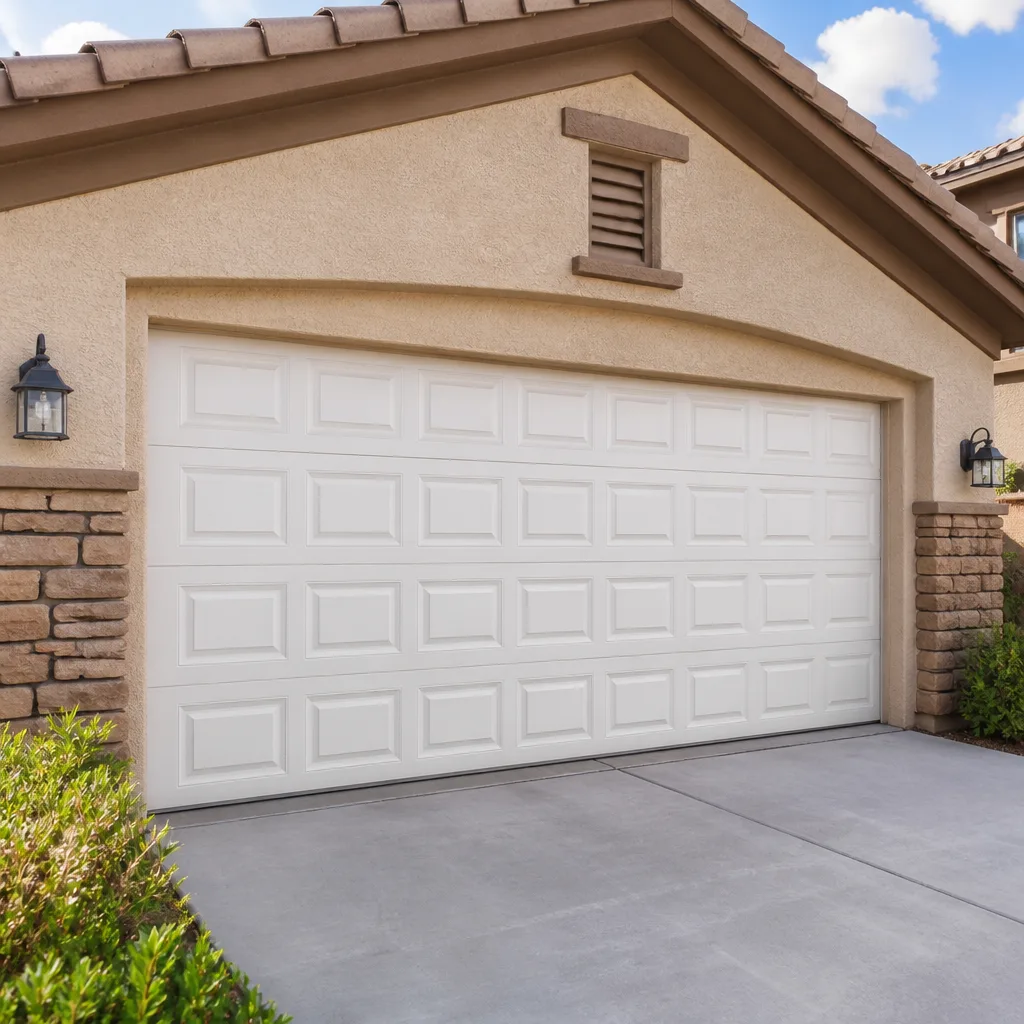 Raised-panel steel
 Carriage house
 Modern flush
 Full-view glass
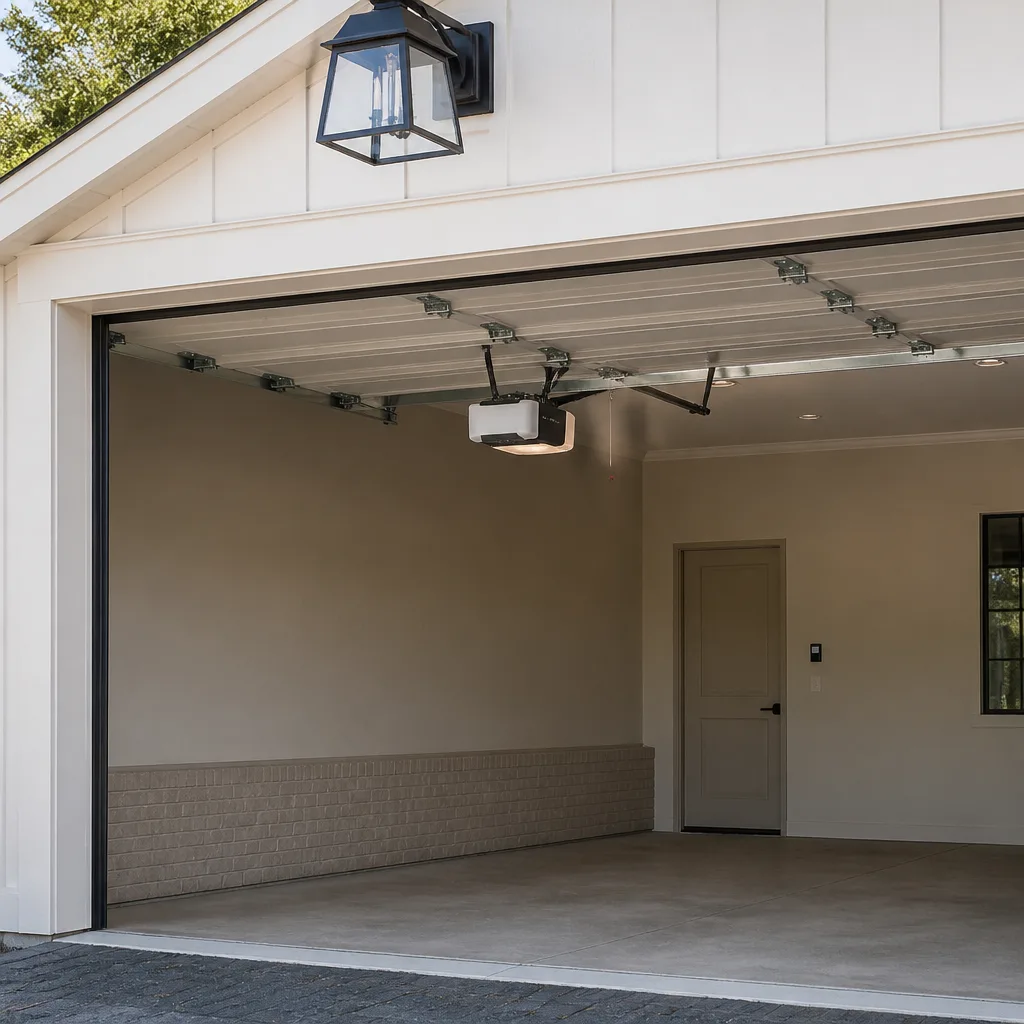 LiftMaster openers
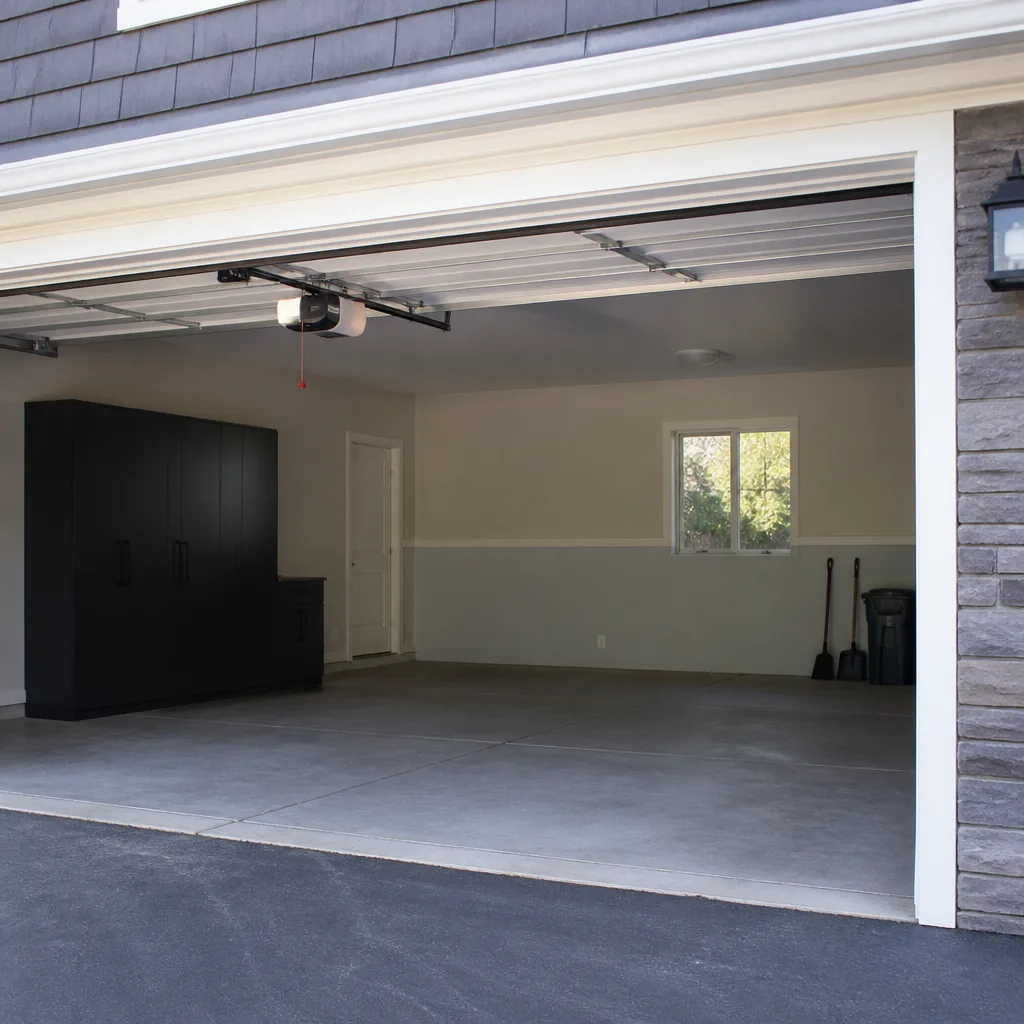 Chamberlain openers
Full 25-point door and opener safety check with every visit - springs, cables, rollers, tracks, and your LiftMaster or Chamberlain opener included
You get a price before we start. It does not change when the pro arrives.
Get your free estimateGarage Door Repair Warning Signs Every Homeowner Should Know
A grinding sound during door travel and a grinding sound at startup come from two completely different parts. One is a worn roller or debris in the track; the other is the opener’s drive gear stripping itself smooth. Treat those as the same warning sign and you’ll spend three months diagnosing a cable drum failure as an opener problem, replacing the wrong part twice before the door finally comes off its tracks. In our experience across Whitney, that exact misdiagnosis happens more than any other. This guide maps each symptom to the specific component failing, estimates how long it typically runs before full failure, and shows you what to photograph before you call anyone. What follows is component-level, not “listen for weird noises.”
Quick Answer
The most reliable garage door warning signs are a change in sound tied to a specific part (grinding in travel means roller or track wear; grinding at startup means opener gear), a door that lifts slowly (usually spring tension loss, not a dying motor), and visible cable strand separation at the bottom drum. Left alone, most of these progress to full failure within weeks to a few months, and a torsion spring or cable that lets go under load is genuinely dangerous, which is why these parts should be inspected and replaced by a trained professional rather than adjusted at home.
Styles & brands we work with
- Raised-panel steel
- Carriage house
- Modern flush
- Full-view glass
- LiftMaster openers
- Chamberlain openers
Table of Contents
- Matching the Sound to the Failed Component
- The Visual Warning Signs Most Homeowners Never Check
- Why “Slow on the Way Up” Usually Means Springs, Not the Motor
- The 30-Second Monthly Self-Check That Catches Failures Early
- How to Photograph a Warning Sign Before You Call
- What We See Specifically in Whitney Doors
- When to Call a Professional
- Frequently Asked Questions
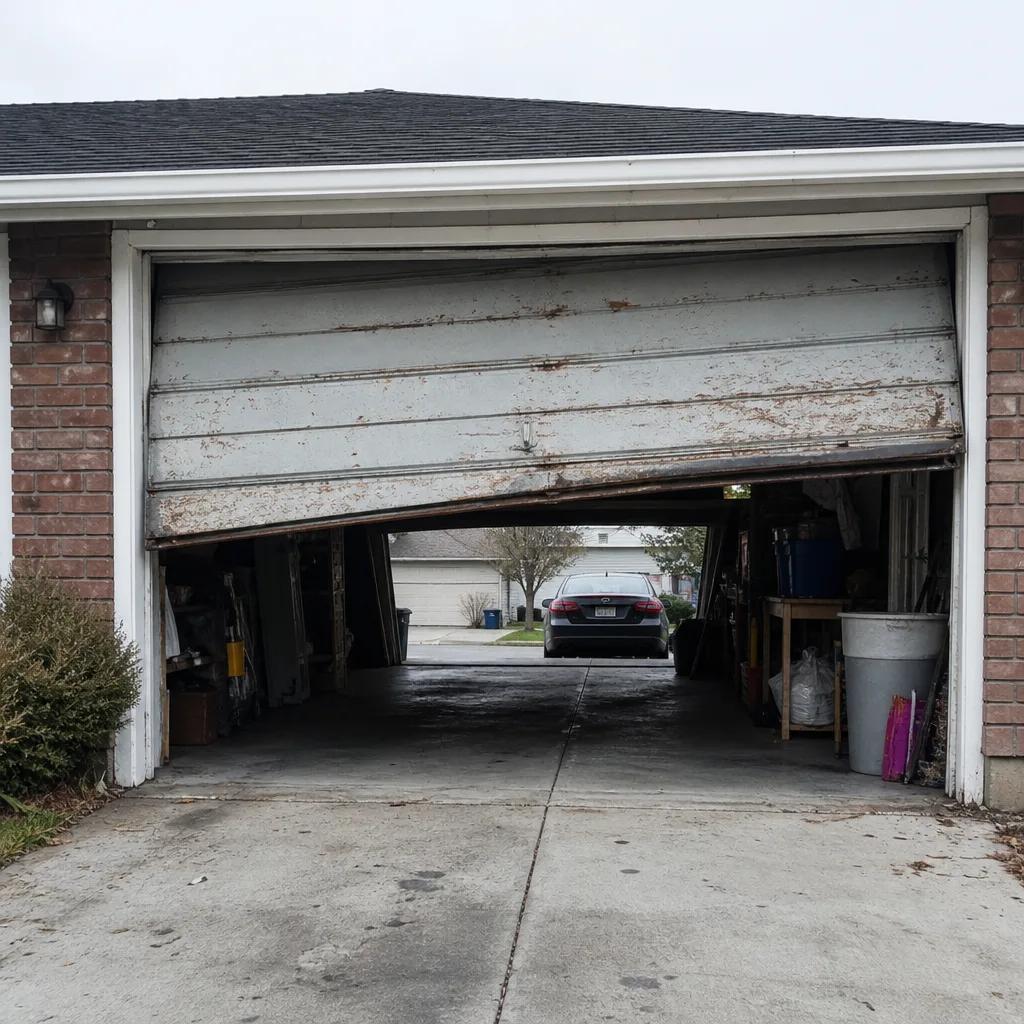 Before
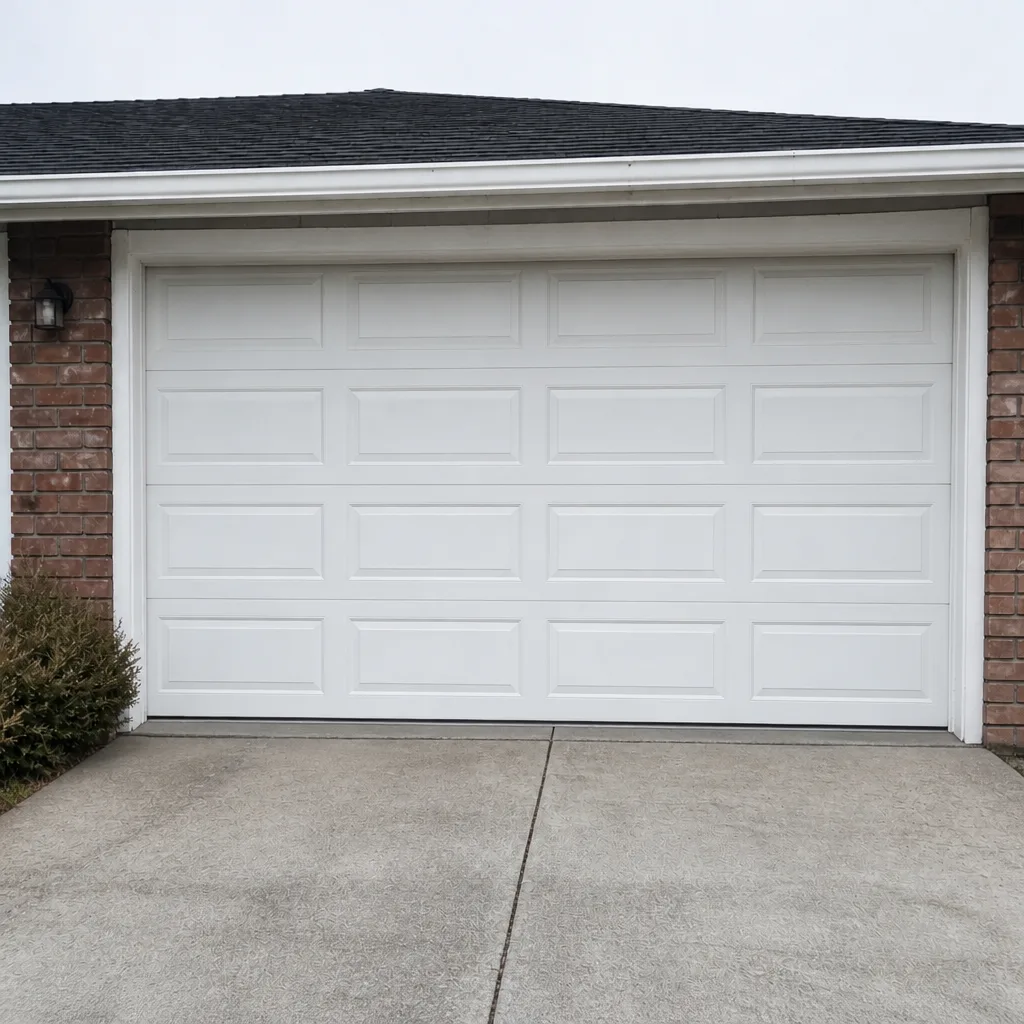 After
Matching the Sound to the Failed Component
Noise is only useful when it points to a part. A grinding sound that happens while the door is moving is not the same failure as a grinding sound the instant the motor engages. Here is how the four most common sounds map to specific components, and roughly how long each tends to operate before it stops working entirely.
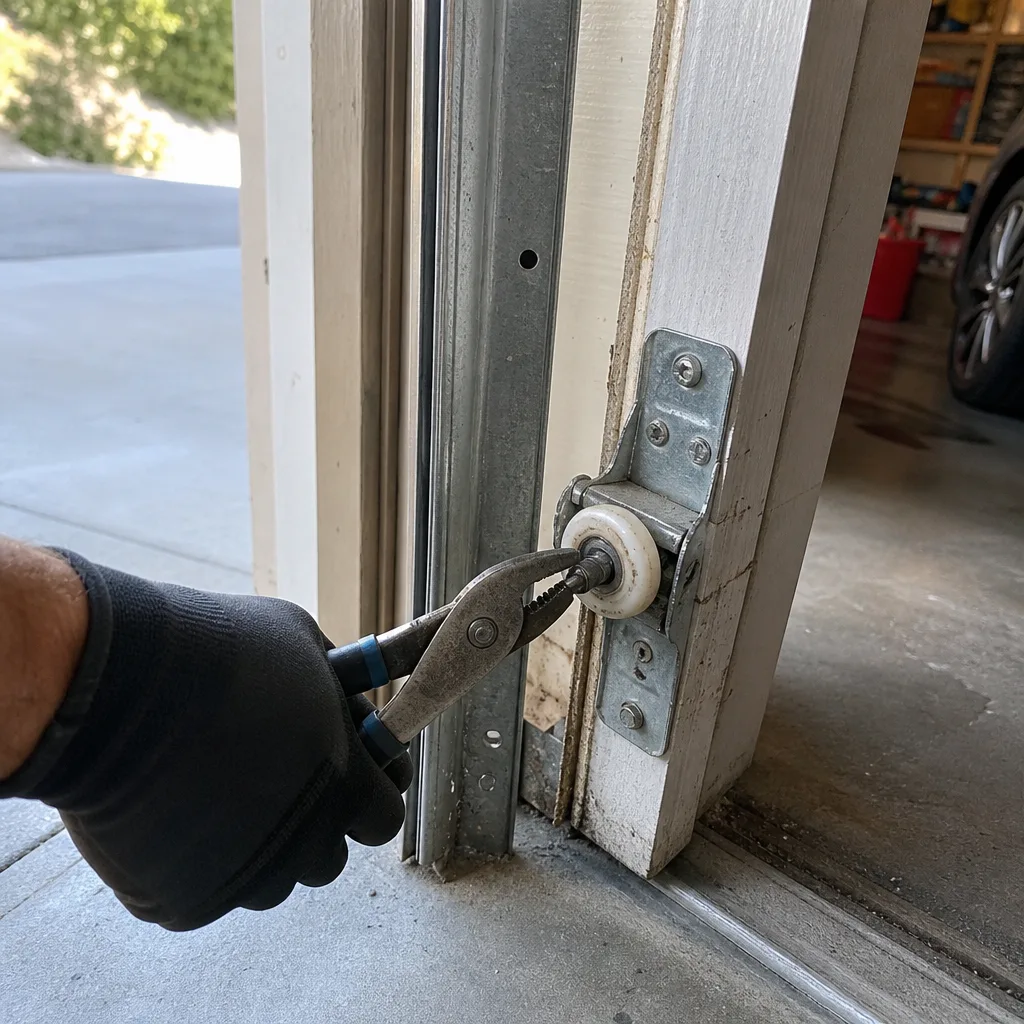
- Grinding during travel (you hear it while the door slides up or down): worn rollers or debris caught in the track. The roller’s bearings seize and the steel stem grinds along the track. Typically operable for weeks to a couple of months before a roller seizes fully or the door starts binding on one side.
- Grinding at startup (the instant the opener engages, then it stops): the opener’s drive gear. On chain-drive units a nylon or metal gear inside the housing wears against the motor shaft. This is opener-side, not door-side. Expect a few weeks of intermittent grinding before the gear strips and the door stops responding.
- Squealing under load (high-pitched, worst as the door reaches full open or full close): cable drum flange wear or a dry bearing. The cable is riding against a worn drum edge. This one deserves attention quickly because a fraying cable under tension is a safety issue, not just a noise.
- Rhythmic clunking (a repeating knock timed to door travel): hinge pin wear. One or more hinges have lost their pin fit and the door panels rock against each other. Usually develops over months, but it accelerates track and panel wear while it does.
The point of the mapping is triage. Grinding at startup sends a technician toward the opener; grinding during travel sends them toward rollers and track. Getting that distinction right over the phone is the difference between a technician arriving with the correct part and a second visit.
The Visual Warning Signs Most Homeowners Never Check
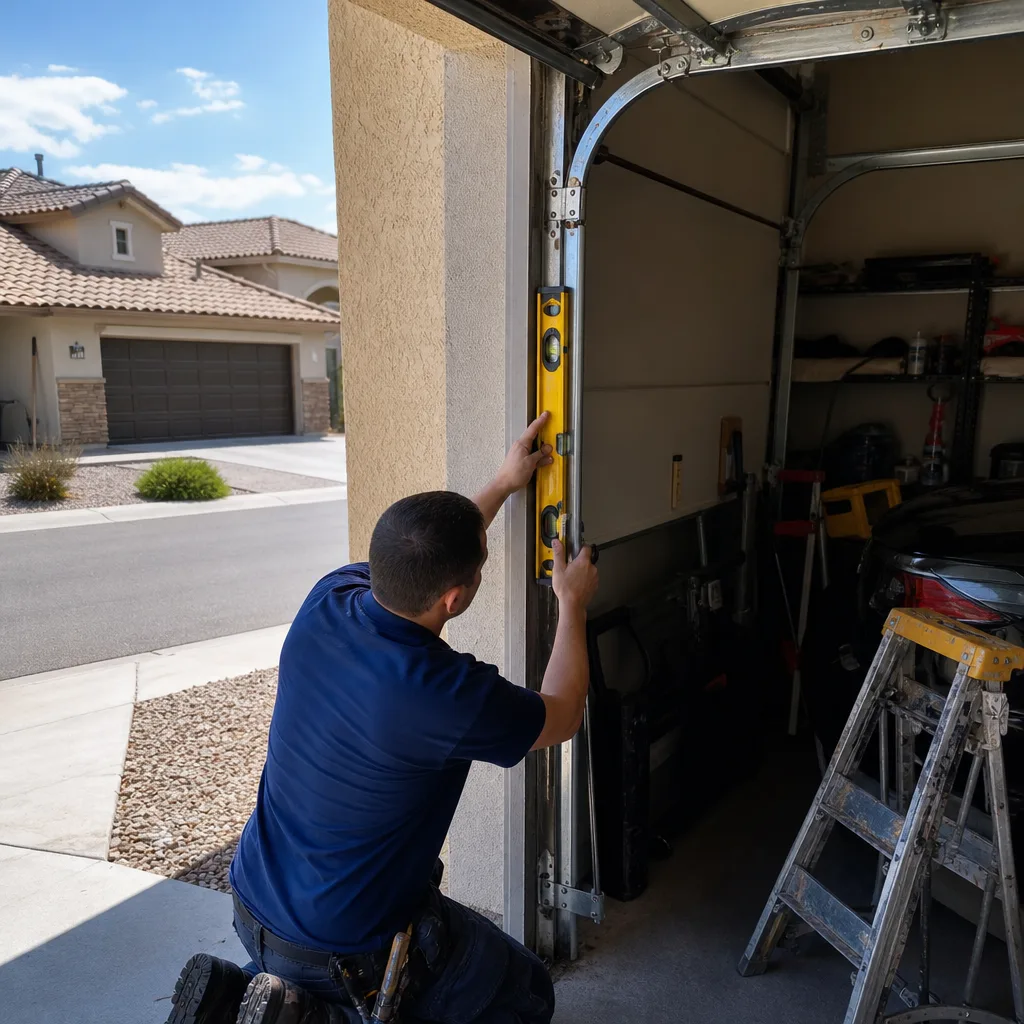
The sounds get attention because you can’t ignore them. The visual signs are quieter and, in our experience, get missed for far longer. All three below are visible without tools, and none require you to touch a moving or tensioned part.
- Cable strand separation at the bottom drum. Look at where the cable wraps the drum at the bottom corner of the door. A healthy cable is a tight, uniform twist of wire. A failing cable shows individual strands separating, fraying, or a small “birdcage” where the wire has begun to unwind. This is only visible at the drum, not up the length of the cable. A cable that fails under tension can whip and cause serious injury, so a frayed cable is a stop-using-the-door situation until a professional inspects it.
- Bottom seal compression gaps seen from inside at night. Stand inside the closed garage with the lights off and look at the bottom seal where it meets the floor. Daylight or exterior light showing through in patches means the seal has compressed unevenly or the door is sitting out of level. That gap lets in water, insects, and cold air, and it’s an early sign of a track or hinge issue.
- Rust streaking below the torsion spring shaft. The torsion spring sits on a horizontal shaft above the door. Rust-colored streaks running down the wall or door panels below that shaft can indicate moisture and corrosion on the spring and its hardware. A corroded spring is closer to failure than a clean one, and torsion springs are under extreme tension, which makes them a part to have inspected, never adjusted or removed by a homeowner.
None of these require climbing anything or reaching over the door. They are all visible from floor level.
Why “Slow on the Way Up” Usually Means Springs, Not the Motor
A door that’s slow on the way up is the single most misread symptom we see. Homeowners assume the opener motor is wearing out and start pricing a new unit. In most cases the motor is fine. The torsion springs, which counterbalance the door’s weight, have lost tension, so the opener is lifting more of the door’s actual weight than it was designed to. The motor sounds labored because it is laboring, but the cause is upstream.
The distinction matters because it changes the fix and the price. A spring tension issue is a repair to the counterbalance system. A failed opener is a replacement. Getting the diagnosis wrong means paying for the wrong part. Here is how the two typically present differently:
- Spring tension loss: the door feels unusually heavy when you lift it by hand (with the opener disconnected), it may not stay open at the halfway point, and it lifts slowly but smoothly. The door may also sag or sit unevenly.
- Opener motor wear: the door is slow and the opener strains, clicks, or stops partway, often worse in cold weather. The door itself balances normally by hand.
The hand-lift test is a reasonable check to describe the symptom, but do it only with the opener fully disconnected and only to feel for balance, not to force a heavy door up. If the door is very heavy or won’t hold position, stop and call a professional. Springs store enormous energy and are the most dangerous component on the whole assembly.
The 30-Second Monthly Self-Check That Catches Failures Early
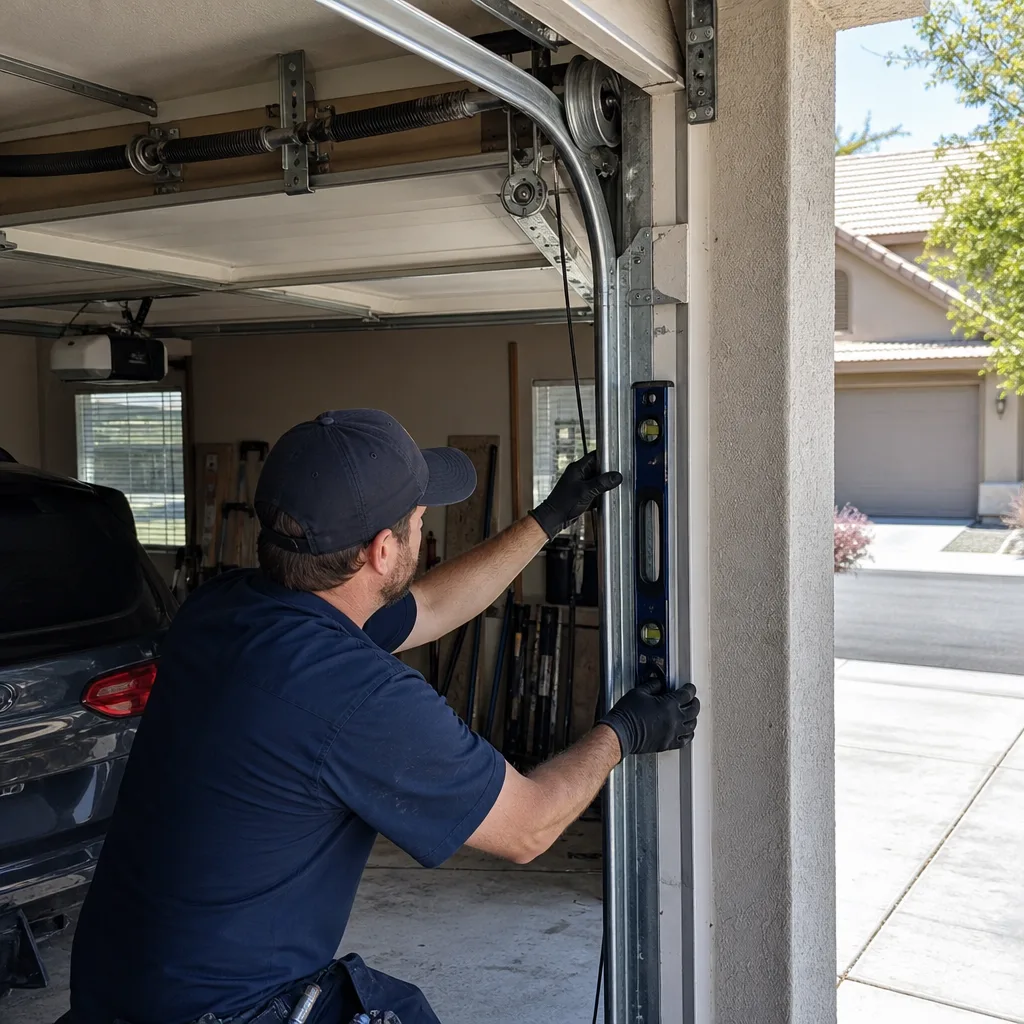
The best warning sign is the one you catch before it becomes a sound you can hear from the kitchen. This monthly routine takes about half a minute and keeps you at floor level the whole time. Do it the same day each month so it becomes habit.
- Watch and listen through one full open-and-close cycle. Note any new sound and whether it happens during travel or at startup. That single distinction tells you which system to look at.
- Look at both bottom drums for cable fraying. A tight, even twist is healthy. Separating strands mean stop and call.
- Check the bottom seal from inside at night, lights off. Patchy light means a seal, level, or track issue developing.
- Glance below the torsion spring shaft for rust streaks. Any corrosion is worth a professional look.
- Watch the door travel for wobble or a bind on one side. A door that shimmies or hesitates on one side is usually a roller or track problem caught early.
Thirty seconds. No tools, no ladder, no reaching over the door. In Whitney, where summer heat works hardware hard, this check earns its keep because heat accelerates wear on seals, rollers, and springs. Catching a worn roller at month two is a much smaller job than catching a seized one that has already chewed the track.
How to Photograph a Warning Sign Before You Call
A photograph does two things a phone description can’t: it lets a technician triage the job before anyone drives out, and it means the right replacement part can be loaded before the visit. When you document a warning sign well, the technician arrives prepared instead of diagnosing on arrival. That’s a faster, cleaner repair.
- Photograph the failed part, not the whole door. Get close to the frayed cable at the drum, the rusted spring, the worn roller. A wide shot of a closed door tells a technician almost nothing.
- Include something for scale. Lay a coin or a tape measure next to the fray or crack so the size is obvious.
- Take one photo in good light and one with a flashlight at an angle. Raking light reveals cracks and strand separation that flat light hides.
- Note where the sound happens in the cycle. “Grinding during travel, worse going up” or “grinding the second the opener engages” – put that in the text with the photo.
- Photograph the opener’s model label if you can reach it safely without tools. This lets the technician confirm the correct gear or part for that unit.
Send the photos by text. Our live phone coverage runs 24 hours a day, seven days a week, including holidays, and a real person answers. A photo plus a one-line description lets that person narrow the likely part and set expectations before anyone arrives. For documented, written-price repair, see garage door repair in Whitney.
What We See Specifically in Whitney Doors
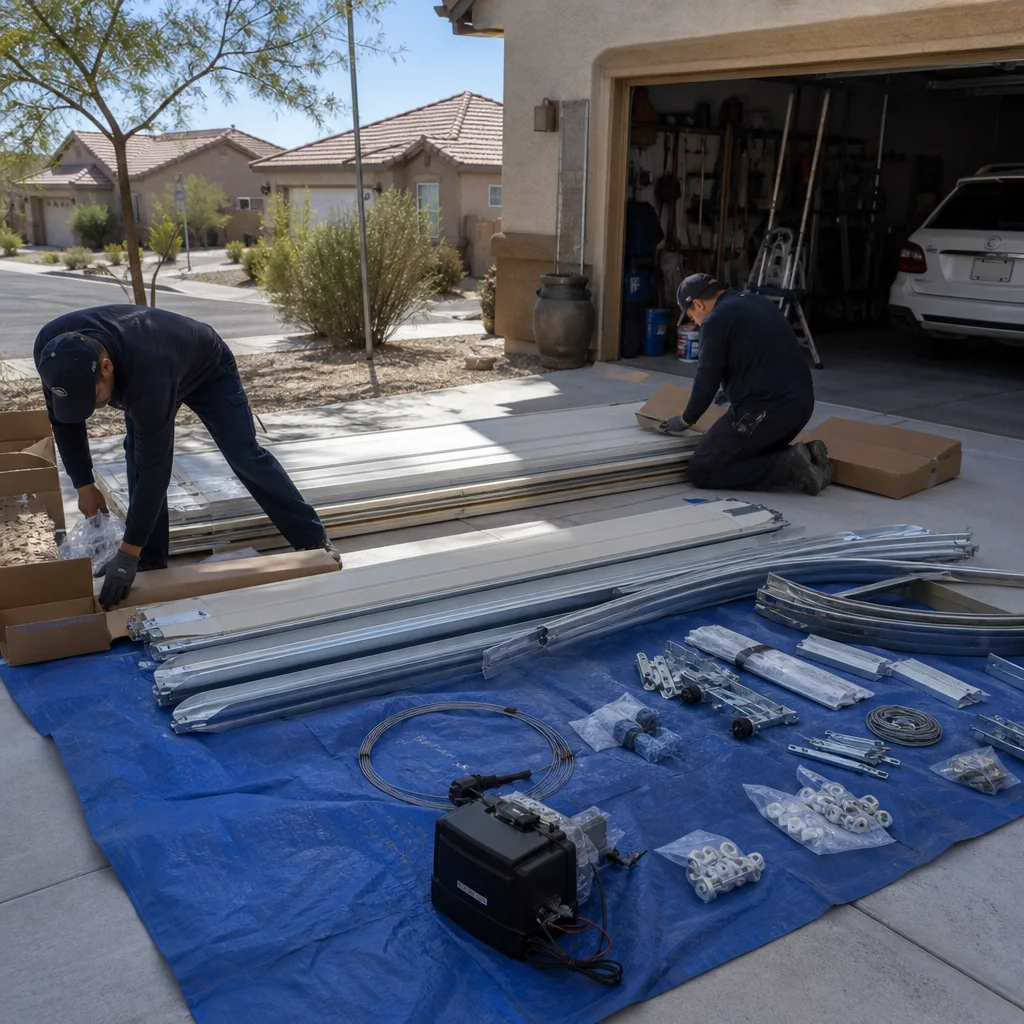
Garage doors fail the same way everywhere in principle, but the local conditions change which parts go first. In Whitney, the pattern is fairly consistent. Summer heat bakes the bottom seals and dries out rollers and hinges faster than in cooler climates, so we see seal compression gaps and squealing drum flanges show up earlier in the season. The dry air also works on springs and their hardware, which is why rust streaks below the torsion shaft are worth a look even when the door still opens smoothly.
The other thing that matters in Whitney is the mix of doors on homes built or remodeled over the past decade. Doors from Clopay, Amarr, and Wayne Dalton are common across the area, and each brand has its own quirks in roller and hinge wear. A door with a heavier insulated panel loads the springs differently than a basic single-layer door, and that changes how fast tension loss shows up as a “slow on the way up” symptom. The age of the door matters less than how hard the local climate has worked it.
When a warning sign shows up, the priority is the same whether you’re in Whitney or anywhere nearby: name the part, document it, and get a written price before anyone touches the door. A worn roller and a failing torsion spring are not the same repair, and they shouldn’t carry the same price tag.
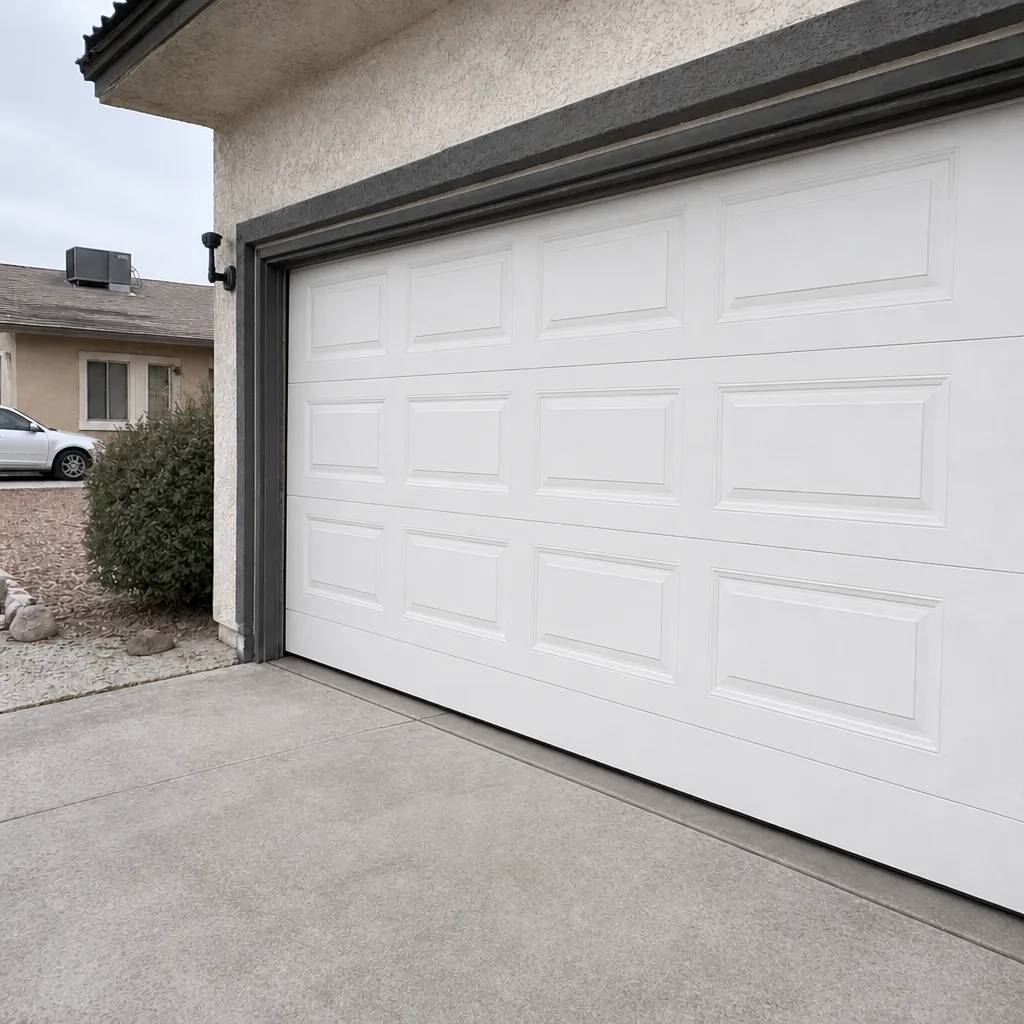
See the difference
BeforeAfter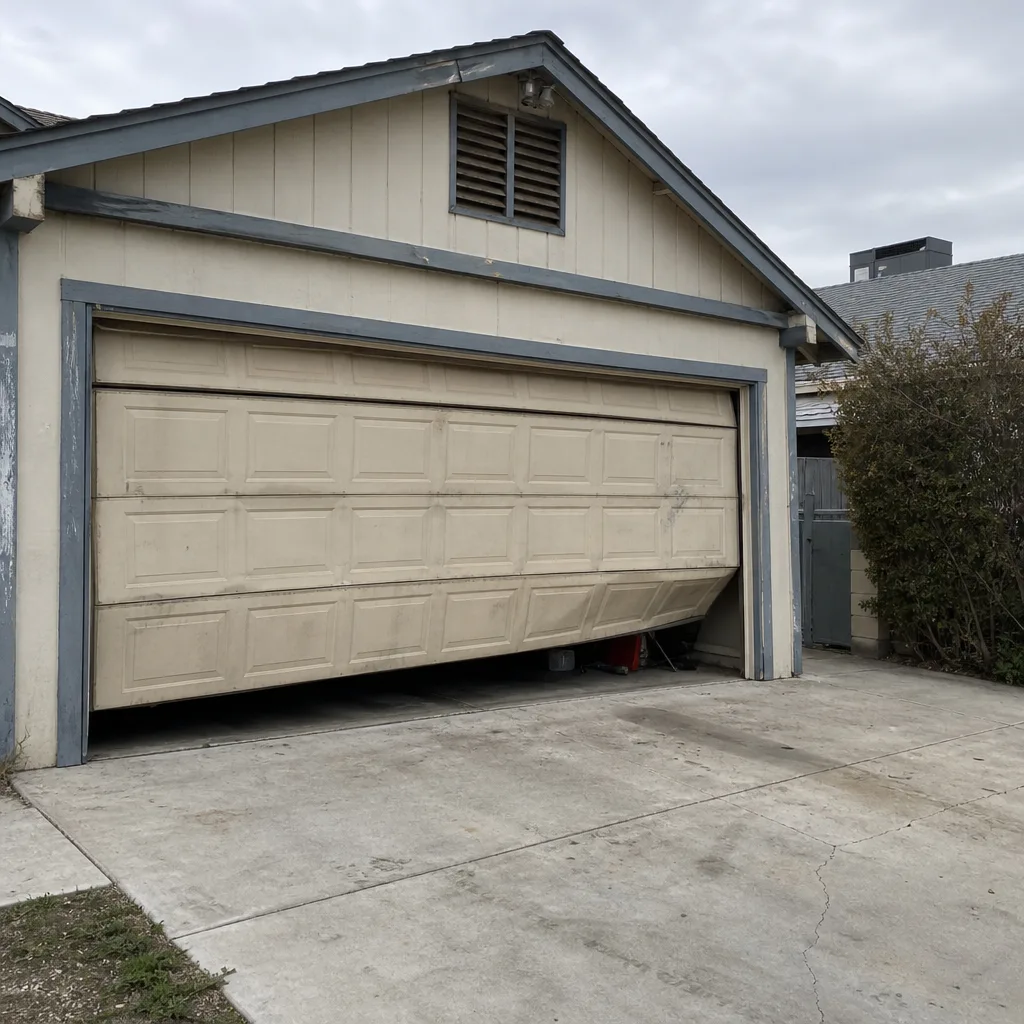 Before
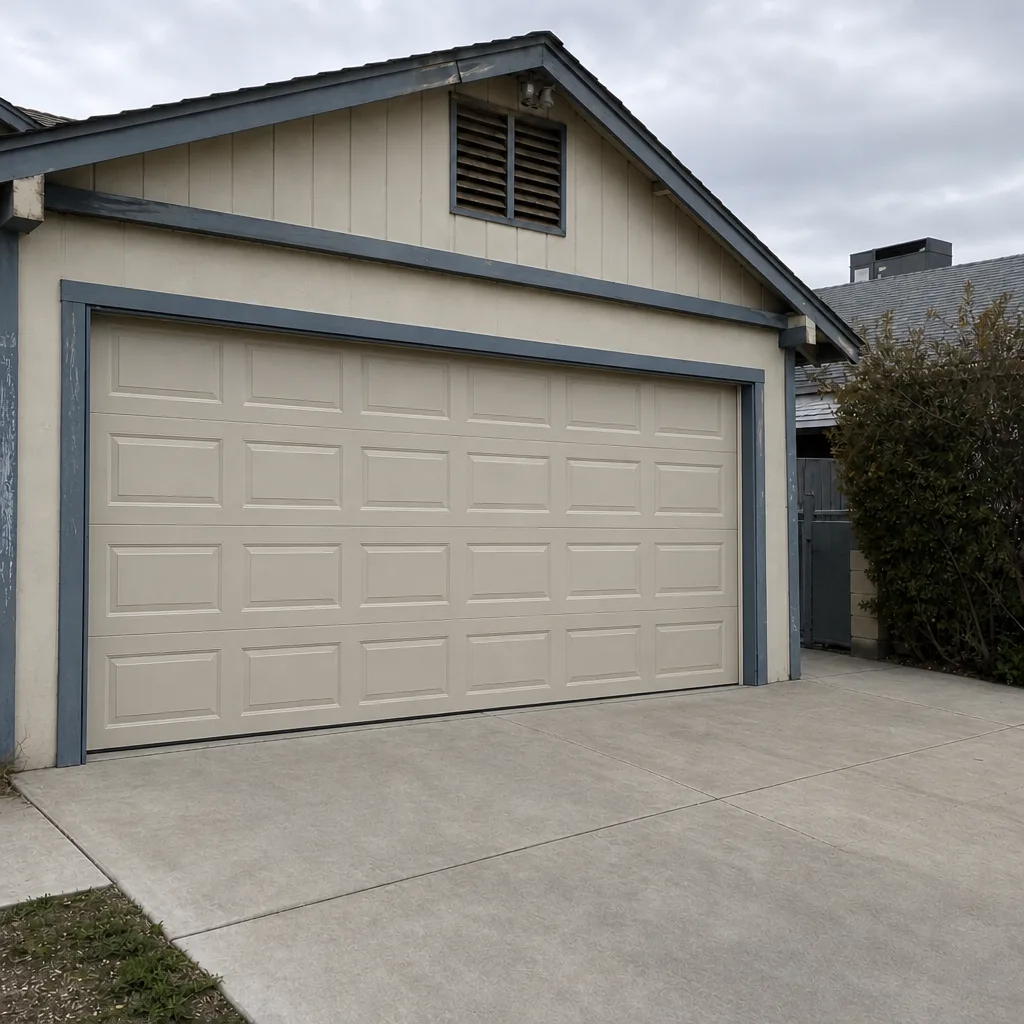 After
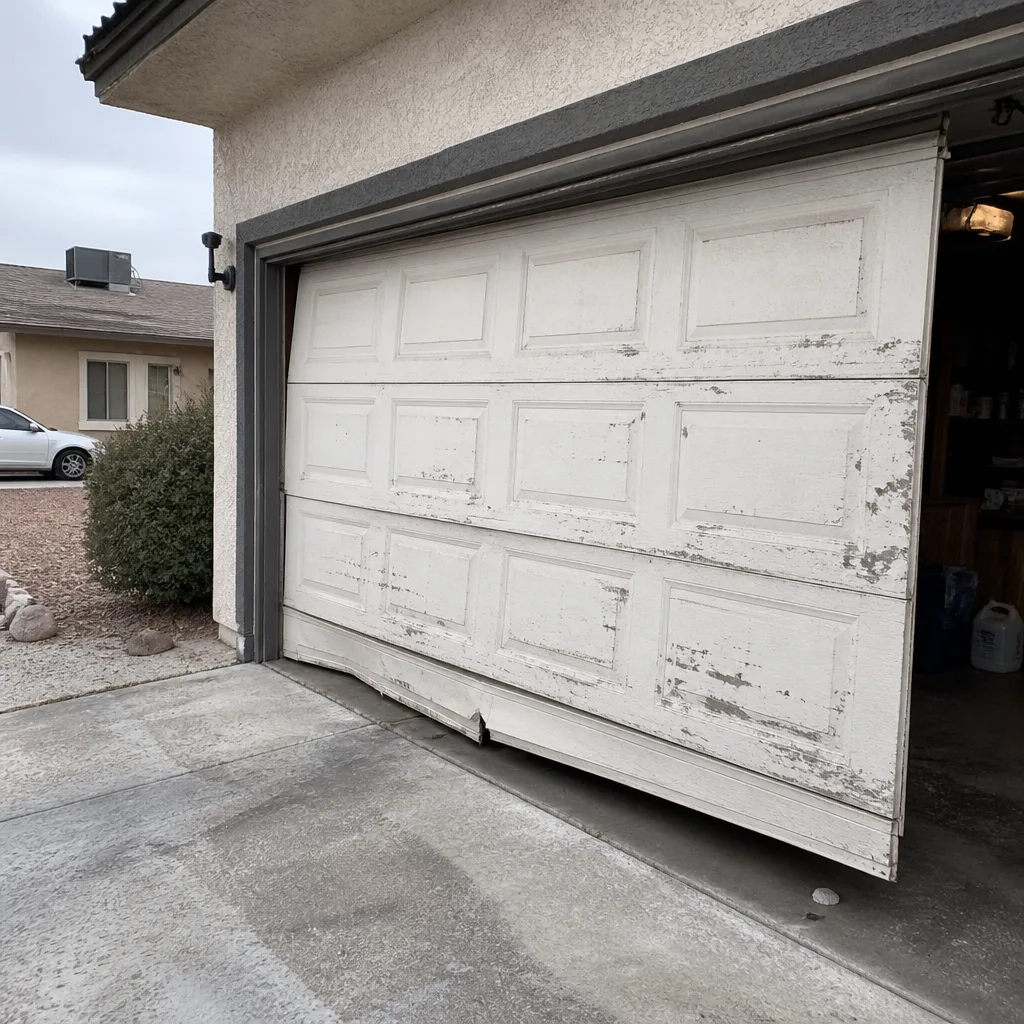 Before
 After
Common Mistakes to Avoid
- Treating every grinding sound as one problem. Startup grinding and travel grinding are different failures in different systems. Assuming they’re the same is how a cable drum failure gets misdiagnosed as an opener gear issue for months.
- Replacing the opener when the springs are the real problem. A slow door sends people shopping for a new motor. In most cases the motor is fine and the counterbalance is the issue. Diagnose before you buy.
- Ignoring a frayed cable because the door still works. A door can operate on a compromised cable for a while, which makes it easy to postpone. A cable under tension that fails is a genuine injury risk. Stop using the door and have it inspected.
- Adjusting springs or cables yourself. Torsion springs and cables store dangerous energy. This is not a homeowner task, no matter how many videos you watch. Have a trained professional handle anything under tension.
- Calling without a photo or a description. “My door is loud” gives a technician nothing to prepare for. A photo and a note about where the sound happens cuts the job down to the right part.
- Accepting a verbal price that changes on arrival. A price quoted before the failed part is even seen isn’t a price, it’s a guess. Confirm the quote is flat and written before work begins.
- Skipping the monthly check because the door “seems fine.” The quiet signs – a seal gap seen only from inside at night, faint rust below the spring – are the ones that turn into expensive failures when missed.
When to Call a Professional
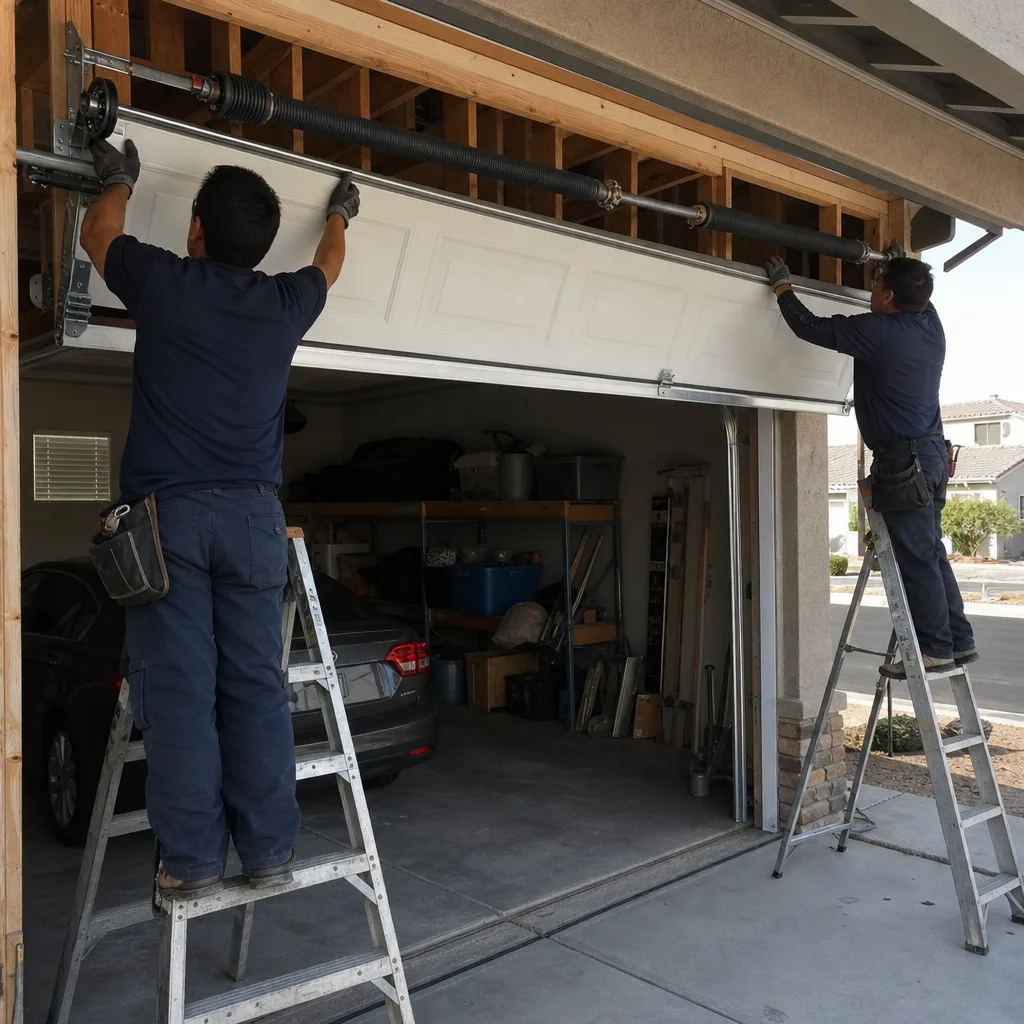
Call a professional if you see a frayed or separated cable at the drum, any rust on the torsion spring or its hardware, a door that won’t hold position or feels very heavy by hand, a spring that has visibly broken, or a door that has come off its tracks. All of those involve parts under tension and are not safe to work on yourself. Also call if a grinding or clunking has gone from intermittent to constant, since that usually means the part is close to full failure and the door may stop working at a bad time. For anything involving springs, cables, or the door coming off track, stop using the door until it’s inspected.
If you’ve documented a sign and want it looked at properly, we offer free estimates in Whitney. Our technicians have up to 11 years of experience, every job gets a flat written price and written scope before any work starts (Clause 1 of The Haven Standard), and you get a documented photo record of what was found and what was done. See the garage door opener repair & installation in Whitney page if the symptom is opener-side, or the garage door installation in Whitney page if the door is beyond repair. For the full picture of what we do, visit the Servo Garage Doors Whitney home page, or call (888) 402-1096.
Frequently Asked Questions
Cable strand separation at the bottom drum is the most commonly missed sign, because it’s only visible right where the cable wraps the drum and most people never look there. A healthy cable is a tight, even twist; separating or fraying strands mean the door should be inspected by a professional before it’s used again. Call (888) 402-1096 for a free estimate.
No. Grinding the instant the opener engages points to the opener’s drive gear, while grinding that happens while the door is moving points to worn rollers or debris in the track. They’re different repairs in different systems, and getting the distinction right over the phone is what lets a technician arrive with the correct part.
Usually not. A slow door almost always reflects lost spring tension rather than a worn motor, because the counterbalance springs carry the door’s weight and the opener is straining against weight it wasn’t designed to lift. Have it diagnosed before pricing a new opener, since the two fixes are very different.
It depends on the part. Grinding rollers or track debris typically give weeks to a couple of months before a roller seizes. Startup grinding on an opener gear tends to run a few weeks of intermittent noise before it strips. A frayed cable is the exception – treat it as urgent and stop using the door.
Yes, for the visual signs and the monthly sound check. You can look at the bottom drums, check the bottom seal from inside at night, and watch for rust below the spring shaft, all from floor level. Do not climb, reach over the door, or adjust any spring or cable – those parts are under extreme tension and belong to a trained professional.
Not for us. The local professional we connect you with quotes a flat, written price and written scope before any work begins (Clause 1 of The Haven Standard), and photographs the failed component before quoting a replacement. If you have a competing written estimate, we offer a free second opinion. Call (888) 402-1096 for an exact quote – estimates are free.
The Bottom Line
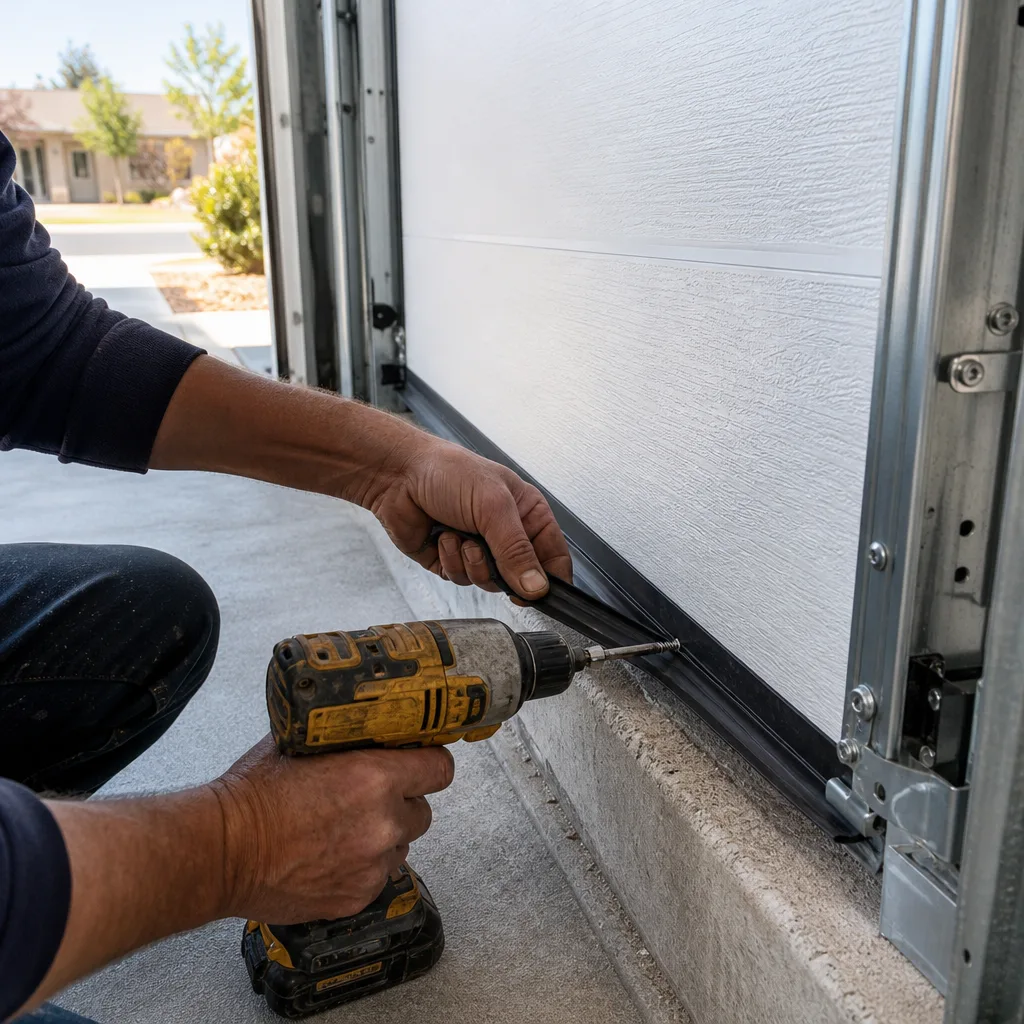
Warning signs only help when they point to a named part. Grinding during travel points to rollers or track; grinding at startup points to the opener gear; squealing under load points to a cable drum flange; a slow lift points to spring tension loss. The quiet signs – cable strand separation at the bottom drum, seal gaps seen from inside at night, rust below the spring shaft – are the ones most often missed and the ones worth checking every month. Document what you find, photograph the failed part before you call, and get a flat written price before anyone touches the door. Anything under tension is a professional’s job.
Written by the team at Servo Garage Doors Whitney.