
Last updated November 18, 2026
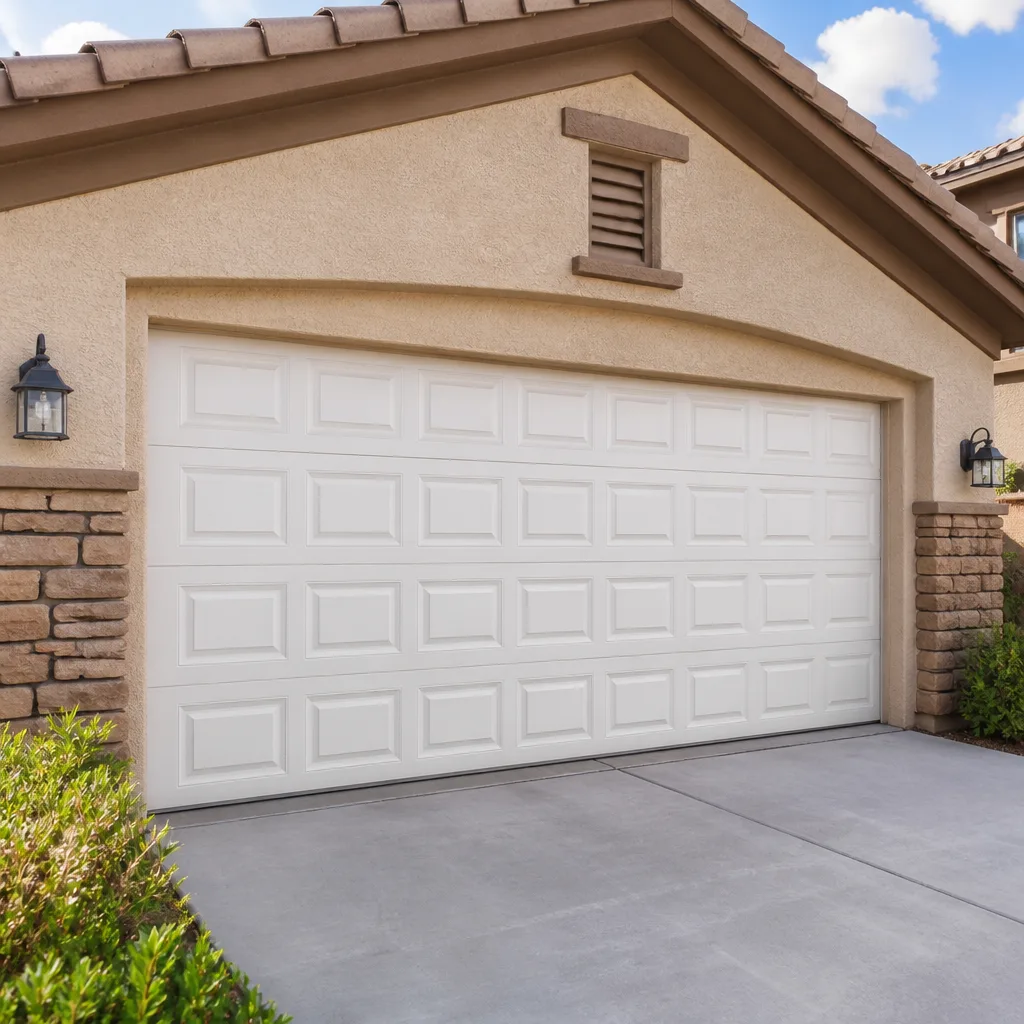 Raised-panel steel
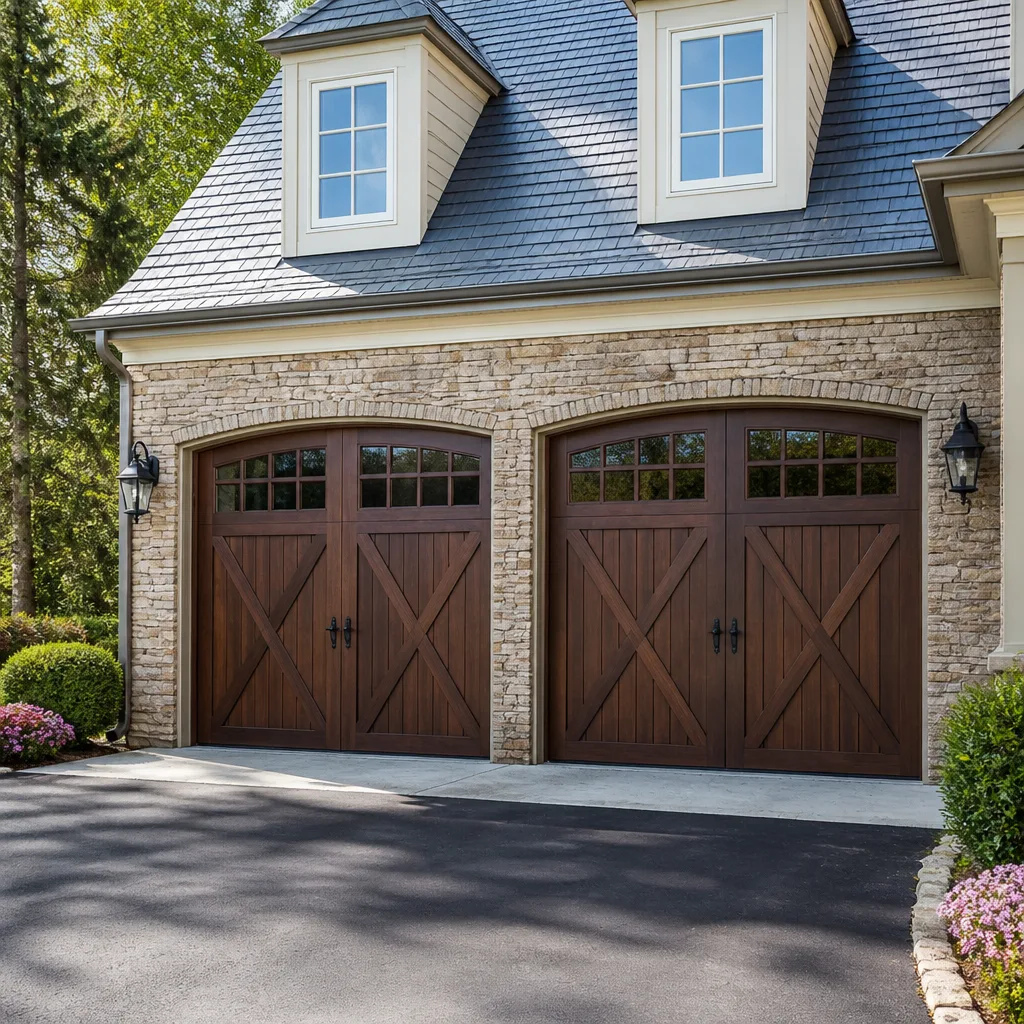 Carriage house
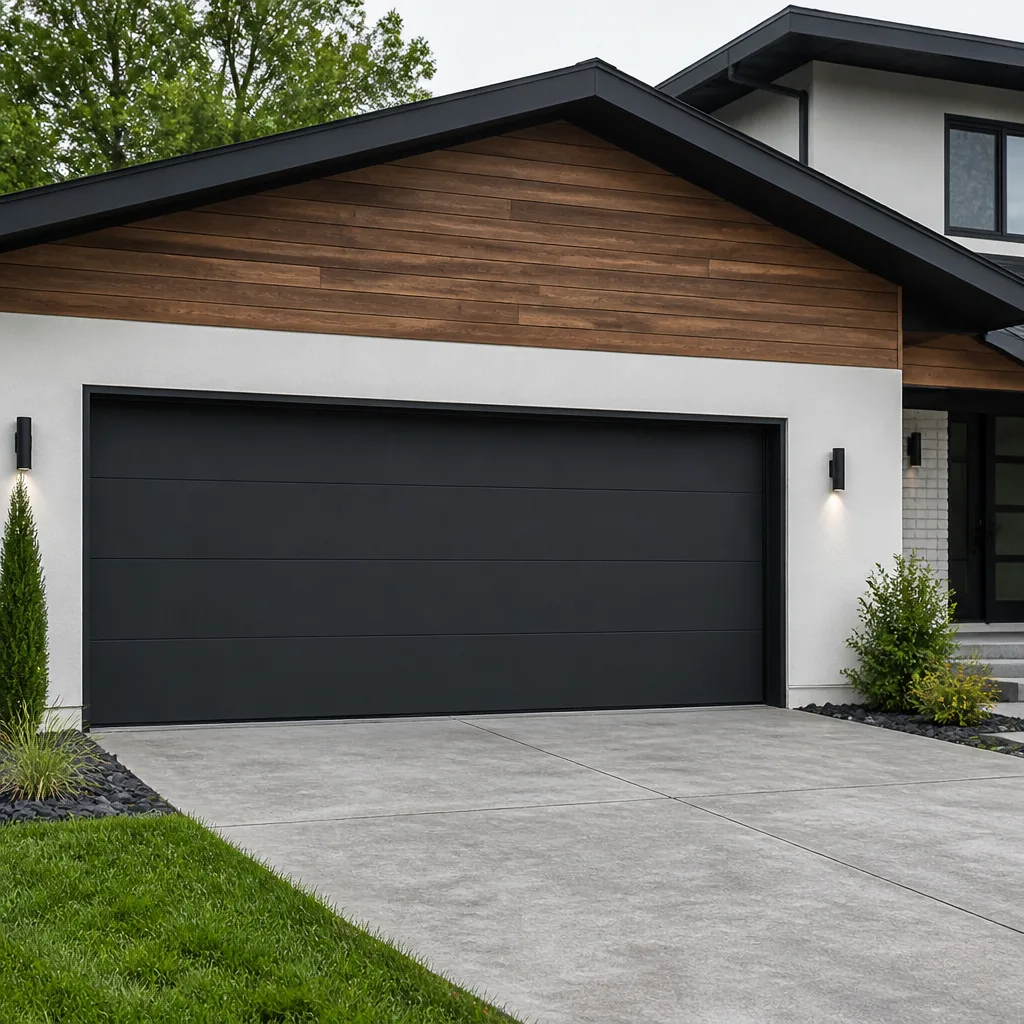 Modern flush
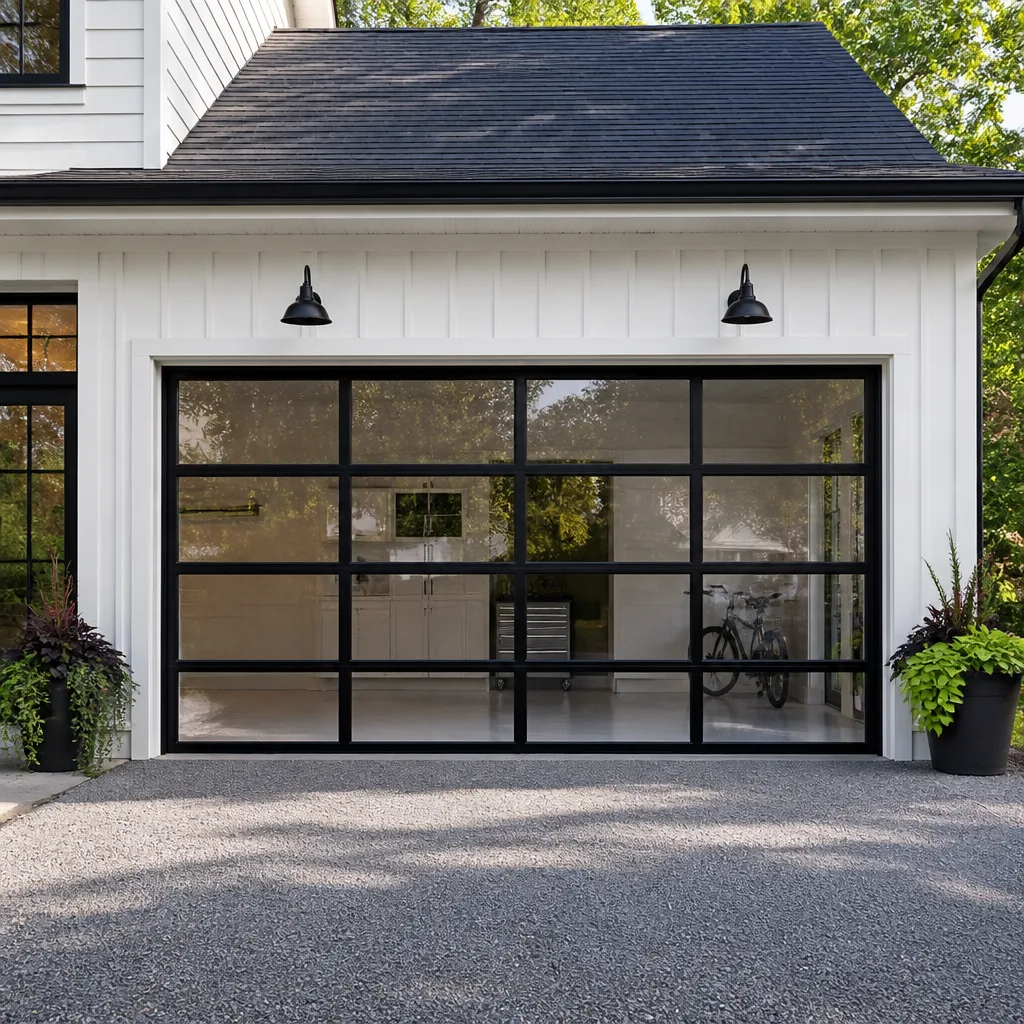 Full-view glass
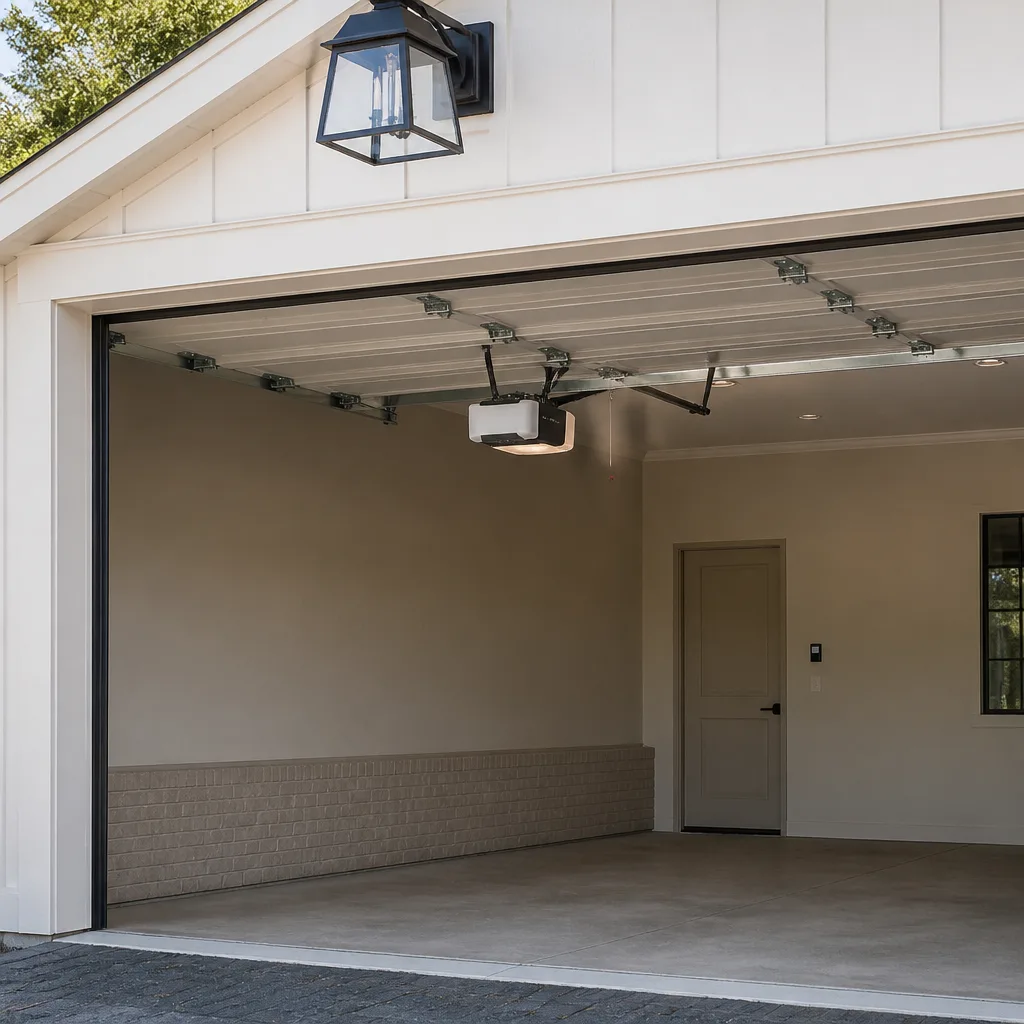 LiftMaster openers
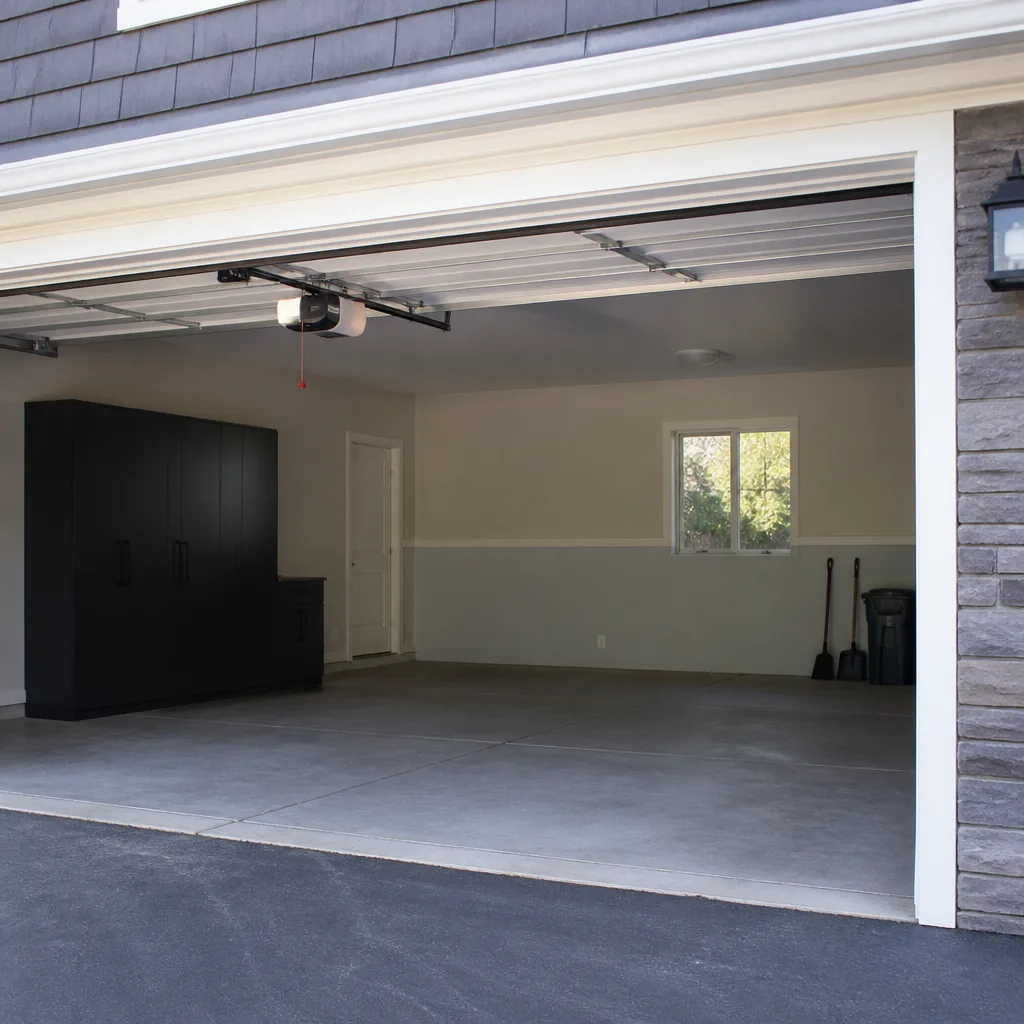 Chamberlain openers
Full 25-point door and opener safety check with every visit - springs, cables, rollers, tracks, and your LiftMaster or Chamberlain opener included
You get a price before we start. It does not change when the pro arrives.
Get your free estimateEmergency Garage Door Maintenance Schedule: What to Do and When
Ninety percent of after-hours emergency calls we handle trace back to a single deferred maintenance item. The item is almost never the part that failed. It’s the adjacent part that wore without lubrication until the failure cascaded into a snapped torsion spring or a door stuck half-open at midnight. A garage door in Whitney that gets two lubrication passes a year and one annual spring measurement rarely produces emergencies. A door that gets neither produces them on a schedule nobody wrote down. This guide names exactly which skipped tasks produce which emergencies, how many months the cascade takes, and what a seasonal schedule looks like across Nevada’s temperature swings.
Quick Answer
There is no emergency-specific maintenance. There are routine tasks that, when skipped, convert a $60 service call into a midnight emergency. The three that prevent the most after-hours failures are roller and hinge lubrication, balance and spring tension measurement, and track alignment. Do all three twice a year, add an annual technician inspection, and your door stops producing emergencies.
Styles & brands we work with
- Raised-panel steel
- Carriage house
- Modern flush
- Full-view glass
- LiftMaster openers
- Chamberlain openers
Table of Contents
- How a Skipped Lubrication Becomes a Midnight Emergency
- The Three Maintenance Tasks That Prevent Most After-Hours Failures
- Why Spring Tension Needs a Technician Every Year, Even When It Sounds Fine
- A Seasonal Checklist Calibrated to Nevada’s Temperature Range
- What a Maintenance Record Tells the Technician Who Arrives at 2 A.M.
- What Skipping Maintenance Actually Costs in Whitney
 Before
 After
How a Skipped Lubrication Becomes a Midnight Emergency
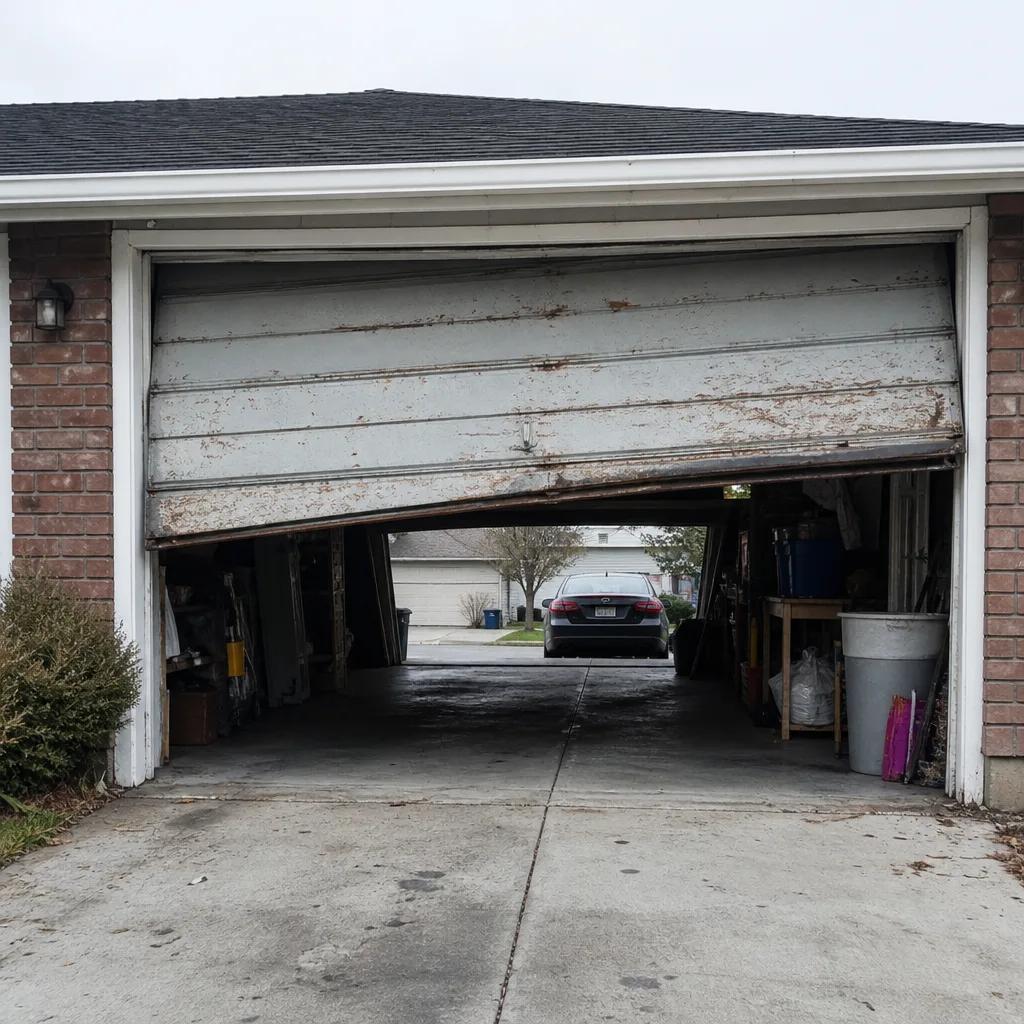
The cascade is predictable and slow. It starts with a dry roller. A steel roller in a dry hinge channel picks up grit, and grit grinds against the track. Within three to five months of skipped lubrication, that roller has developed a flat spot you can hear as a rhythmic thump. By month six, the roller is dragging rather than rolling, which loads the track unevenly. The track deflects. A deflected track pulls the lifting cable tight against one edge of the drum, and the cable begins to bind. By month eight or nine, the torsion spring, which has been lifting a door that now resists instead of assists, is carrying more cycles under more load than it was sized for. It snaps. Usually overnight. Usually with the car inside.
We’ve walked this timeline backward on hundreds of Whitney jobs. When we open a door that failed at 11 p.m., we can date the dry roller to a specific season by the wear pattern. The part that failed is almost never the part that started it.
This is why the schedule in this guide is front-loaded on lubrication. It’s the cheapest task on the list and it interrupts the cascade before it begins. If you want the full map of how individual failures play out, our page on Garage Door Repair in Whitney covers each symptom and its cause.
The Three Maintenance Tasks That Prevent Most After-Hours Failures
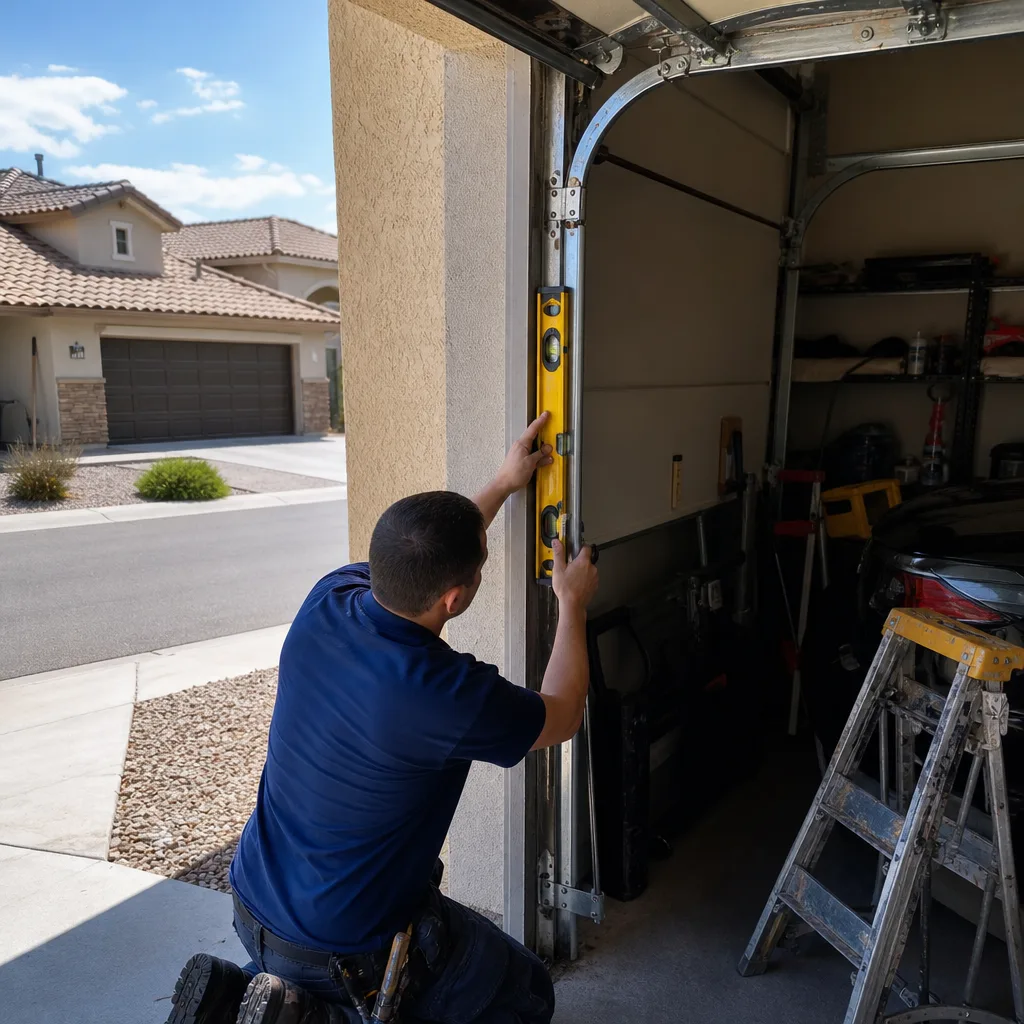
These three tasks prevent the majority of after-hours emergencies we see. They’re also the three most commonly skipped. In our experience, the doors that never produce emergencies are the ones where an owner does these reliably.
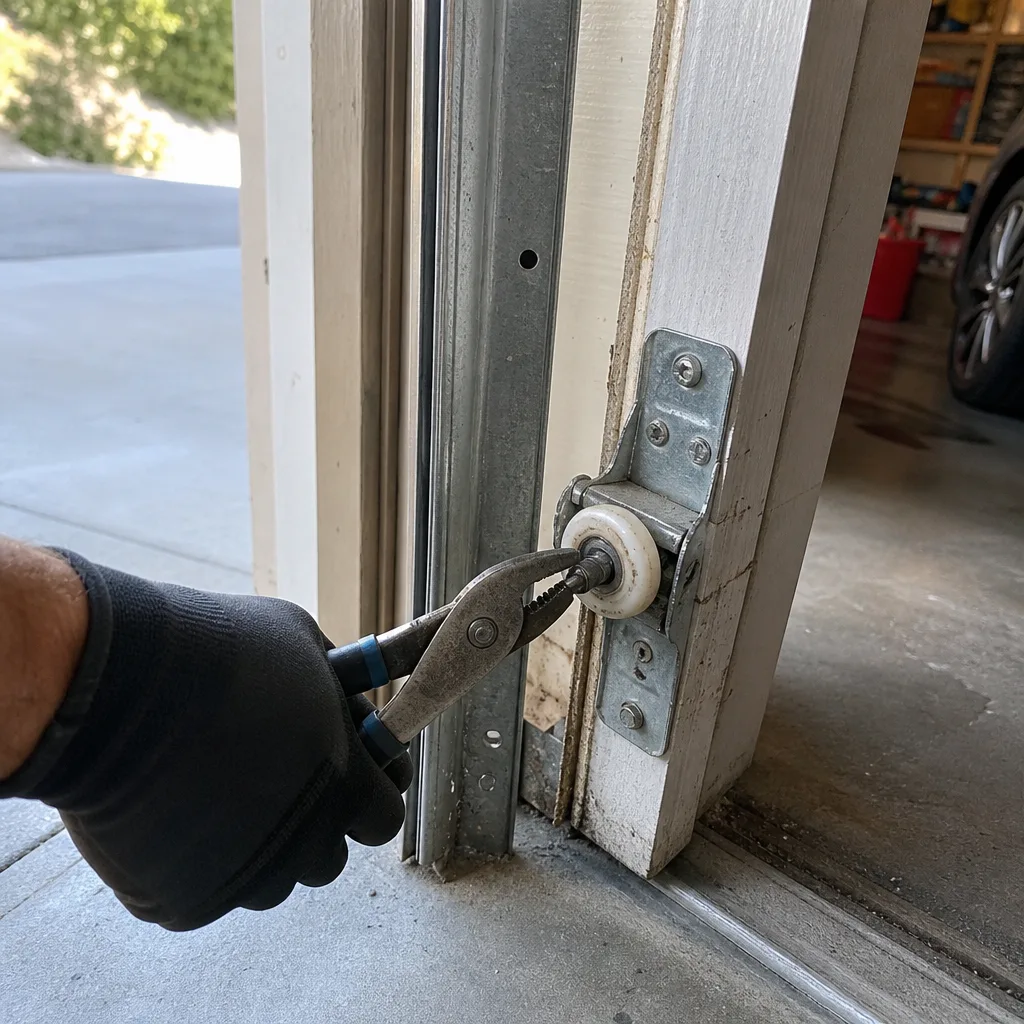
1. Roller and hinge lubrication. A white lithium grease or a silicone-based lubricant applied to each hinge pivot point and each roller bearing, twice a year. Dry rollers cause the cascade above. This is a fifteen-minute job.
2. Balance and spring tension measurement. The spring lifts the door’s weight. A spring at the wrong tension forces the opener to compensate, which overheats the opener motor and stresses the cables. This measurement requires disengaging the door from the opener and testing the balance by hand at the halfway point. Spring measurement itself is a technician task, covered below.
3. Track alignment and hardware tightness. Loose bolts work their way out over a year, and a track that drifts out of alignment deflects under load. A visual check and a torque check on the track bolts take ten minutes and prevent the deflection that binds a cable.
Add these to a calendar and you’ve removed most of the reasons a door fails at night. For the parts themselves, our technicians work with Craftsman, LiftMaster, and Chamberlain openers every day, and the roller and hinge hardware is largely universal across brands.
Why Spring Tension Needs a Technician Every Year, Even When It Sounds Fine
The spring measurement is the diagnostic, not the sound. A torsion spring that’s losing tension doesn’t squeal or grind in a way an untrained ear catches. It just lifts less. The door gets heavier, the opener works harder, and the failure announces itself only when the spring reaches the end of its fatigue life, which for a standard cycle-rated spring falls somewhere between seven and ten years depending on how often the door runs.
Here’s what a trained eye does that your ear can’t. We measure the wire diameter, the inside coil diameter, and the number of coils to determine the spring’s rated cycle life. A 0.25-inch wire spring rated for 10,000 cycles on a door running six times a day will last years longer than the same-door spring rated for 15,000 cycles that’s been cycling fourteen times a day. The measurement tells us how much of that life is left. The sound tells us nothing.
Spring tension adjustment and replacement are genuinely dangerous work. A wound torsion spring stores enough energy to break a hand or worse if it releases uncontrolled, and this is not a task to attempt with a socket wrench and a YouTube tab open. The annual measurement is the one inspection worth paying for, in part because the consequence of getting it wrong is severe. We recommend scheduling it alongside your twice-yearly lubrication passes so the visit covers both.
A Seasonal Checklist Calibrated to Nevada’s Temperature Range
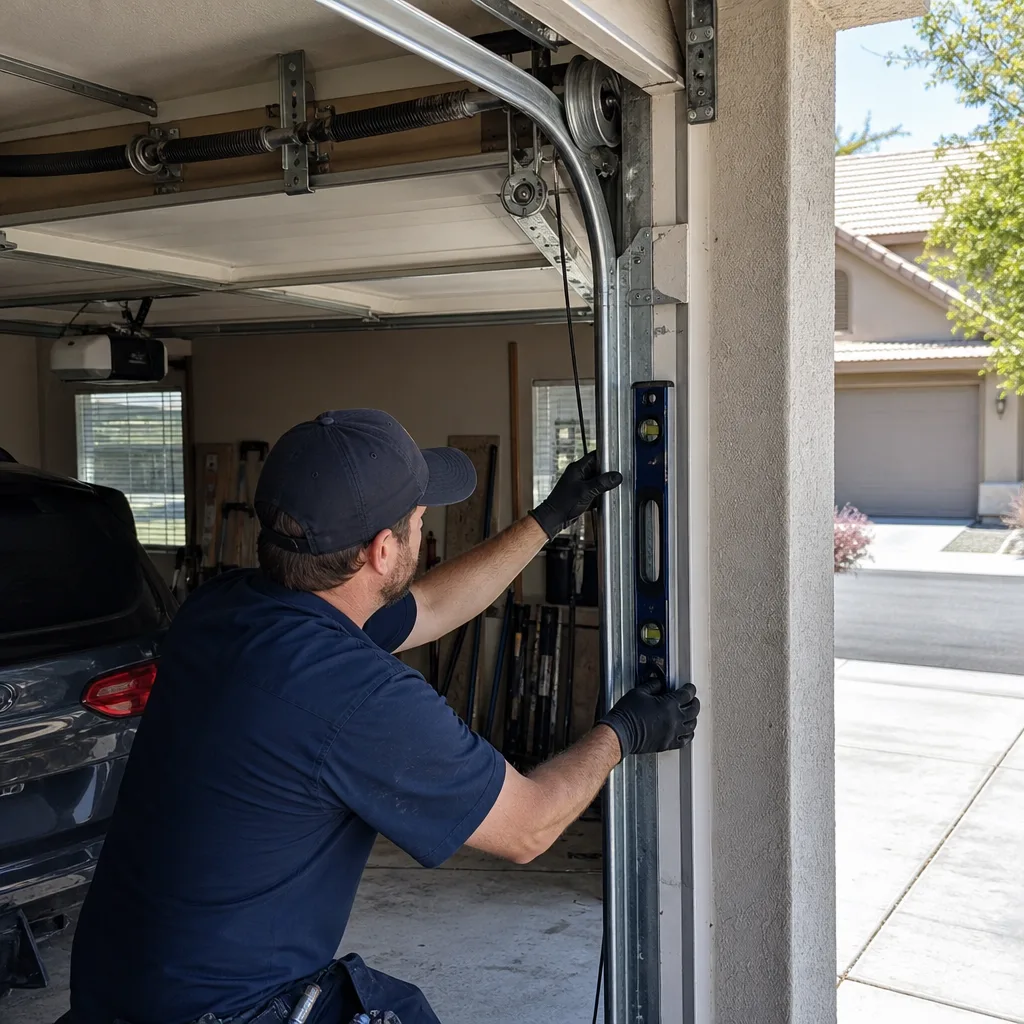
Whitney sits in a range where summer daytime heat pushes past 105°F and winter overnight lows drop into the 20s. That swing stresses specific parts at specific times of year. A generic national maintenance checklist won’t catch this. A checklist calibrated to the local temperature curve will.
- Spring (March – April): Full lubrication pass, track alignment check, and spring measurement. The goal is to prepare for the run-up to summer heat, when metal expands and tolerances tighten.
- Early summer (June): Check the opener’s motor housing for heat signs. Summer heat is brutal on opener logic boards and capacitors. A garage door opener repair and installation visit in early summer catches failing capacitors before an August failure. If your door runs a Chamberlain or LiftMaster, check that the safety sensors haven’t drifted out of alignment in the heat.
- Late summer (August – September): Lubrication pass before the first overnight temperature drops. Heat has been cycling the metal all season and the grease has thinned. Reapply before the swings begin.
- Late fall (November): The critical check for Whitney. Overnight lows push into the 20s, which contracts the metal in the track and cables. Cables that were fine in July can bind in November. This is the season when we see the most cable failures on doors that skipped the fall check.
- Winter (December – February): Visual inspection of the door’s bottom seal for cracking from the cold, and a balance test. Cold makes a tired spring brittle. A spring on its last stretch will fail in January more reliably than in June.
- After any temperature event: A sudden swing from a 70°F day to a 40°F night, which Whitney gets in spring, is worth a ten-minute look. Cables and tracks move.
Two of those entries are full lubrication passes, which is why the twice-yearly cadence holds here. The heat cycles the grease out faster than a mild climate would.
What a Maintenance Record Tells the Technician Who Arrives at 2 A.M.
An emergency call at 2 a.m. is a diagnostic puzzle, and the clock starts running the moment the technician pulls in. If there’s a maintenance record, the puzzle shrinks. The record says when the last lubrication pass happened, when the spring was measured and at what value, and which parts were flagged as worn. The technician skips the “when did this start, what did it sound like” interview and goes straight to the part that the record flagged.
That matters for your bill. Emergency labor is charged by the hour in most cases, and a thirty-minute diagnostic window that drops to ten minutes is money in your pocket. We’ve seen doors with a written maintenance history get solved in a fraction of the time of identical doors with no history, and the labor difference is real.
This is why every visit at Servo Garage Doors Whitney ends with a documented photo record: the failed component photographed before anyone quotes a replacement, and the completed work photographed when the technician leaves. That record travels with the door. If you call us in three months for a different problem, the next technician sees what the last one found. The founding rule behind this is Clause 4 of The Haven Standard, and it’s the reason the piece of paper you get at the end of a service call is worth keeping. The full standard lives at our Servo Garage Doors Whitney home.
What Skipping Maintenance Actually Costs in Whitney
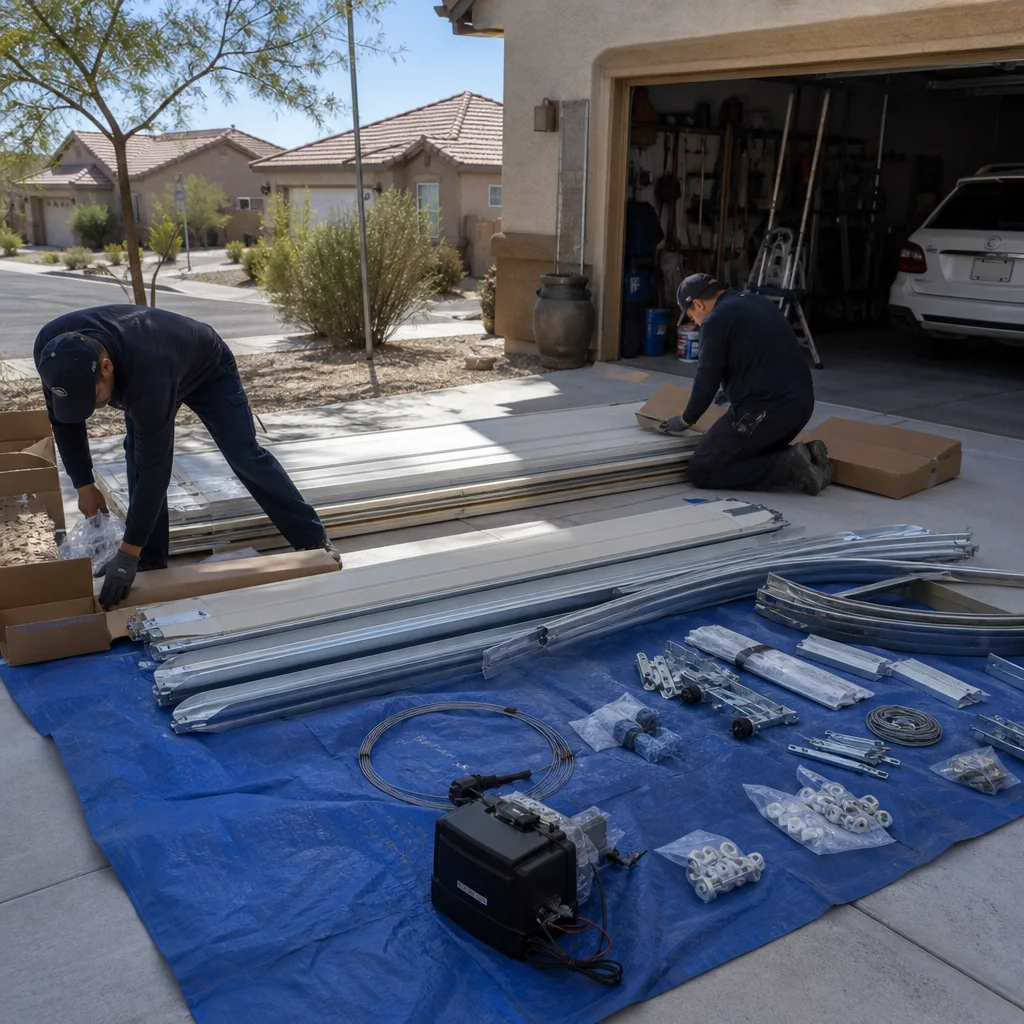
Skipping a twice-yearly lubrication pass costs nothing until it costs everything. Here’s what the numbers look like when the cascade plays out versus when it doesn’t.
- Routine lubrication pass (do-it-yourself): $10 – $20 in lubricant, fifteen minutes, twice a year.
- Routine lubrication pass (scheduled service visit): Roughly $60 – $120, including the hinge and track hardware check.
- Annual spring measurement and technician inspection: Typically $80 – $150 in the Whitney market, bundled with a lubrication pass.
- Emergency repair after a cascade failure (snapped spring, bound cable, deflected track): $220 – $800 depending on the part and whether the opener was damaged. After-hours premium adds to that.
- Opener replacement after a cascade overheated the motor: $450 – $900 installed, depending on the model and whether a LiftMaster or Chamberlain unit is specified.
- Door replacement after a deflected track fell: The highest cost of all, and the one most likely to follow a track that was never checked.
Every dollar on the top of that list prevents several on the bottom. The math is the entire argument for routine maintenance. If you’re already at the bottom of that list, our team handles Garage Door Installation in Whitney as well, and we’ll walk you through the range on a written price before anything is ordered.
Common Mistakes to Avoid
- Lubricating the tracks themselves. Tracks should be clean and dry. Grease on the track collects grit and turns into grinding paste. Lubricate the rollers and hinges, never the track surface.
- Assuming the silence means the spring is fine. A spring loses tension quietly. Whitney’s summer heat accelerates the fatigue. The measurement catches what the sound doesn’t.
- Waiting for a symptom before scheduling anything. By the time the door sounds wrong, the cascade is already underway. The schedule exists so you never get a symptom.
- Greasing the opener rail like it’s a hinge. Some opener rails need a thin manufacturer-specified lubricant and some shouldn’t be touched. Generic grease can void a Chamberlain or LiftMaster warranty. Check the manual or ask.
- Skipping the November check because the door felt fine in October. The overnight temperature drop in Whitney is the trigger for most winter cable failures. The door feels fine until the metal contracts.
- Paying for a repair without a written scope. If a contractor can’t give you a flat written price and a written scope before touching the door, don’t let them touch it. That’s the rule we work to.
- Treating an emergency like it needs an emergency fix. The best emergency repair is the one your maintenance schedule prevented. The second-best is one diagnosed quickly because you kept the record.
See the difference
BeforeAfter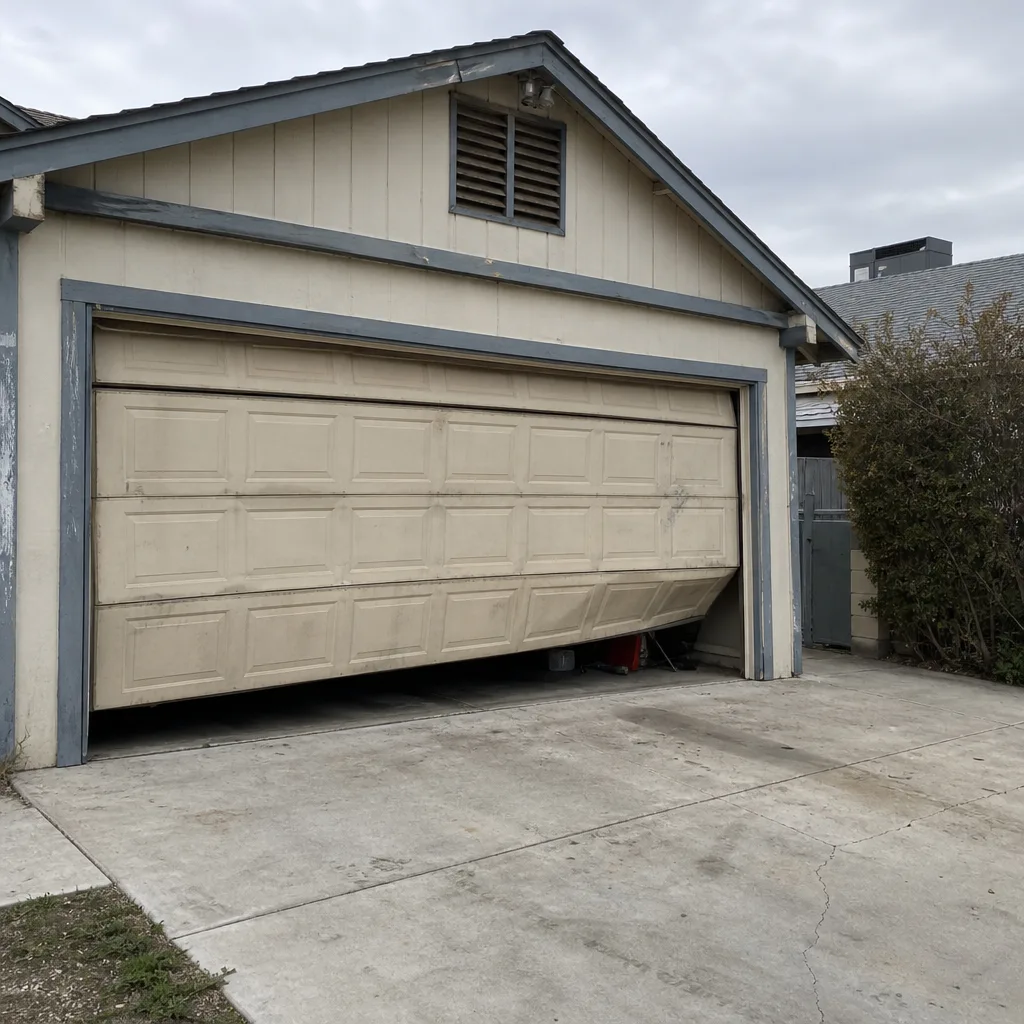 Before
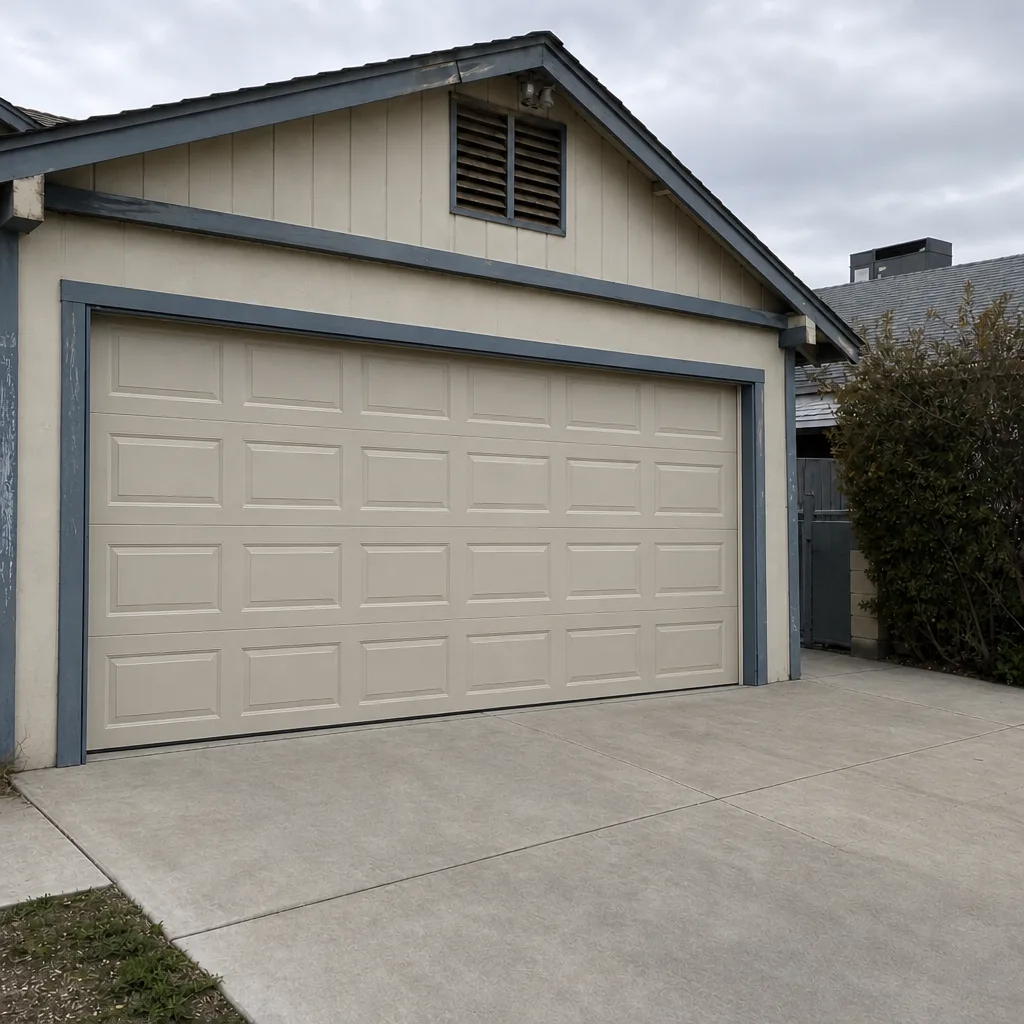 After
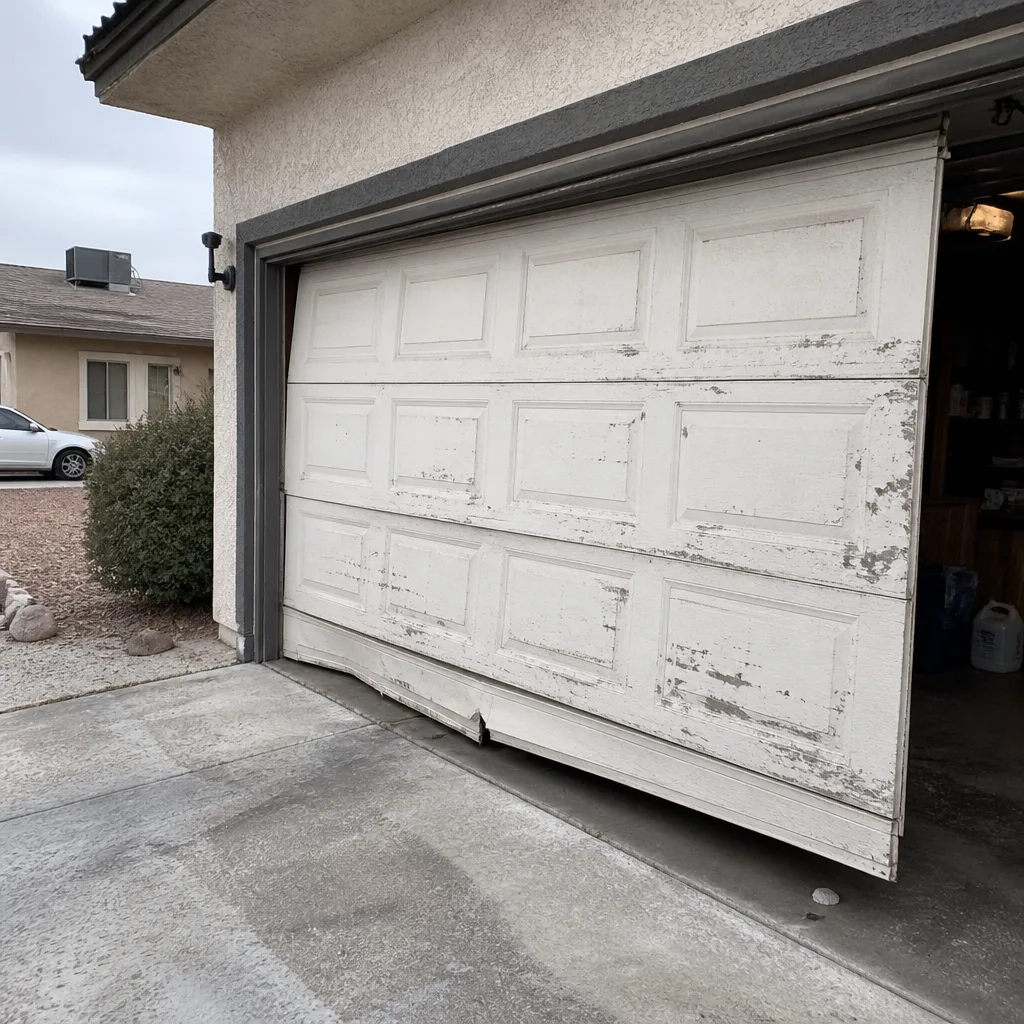 Before
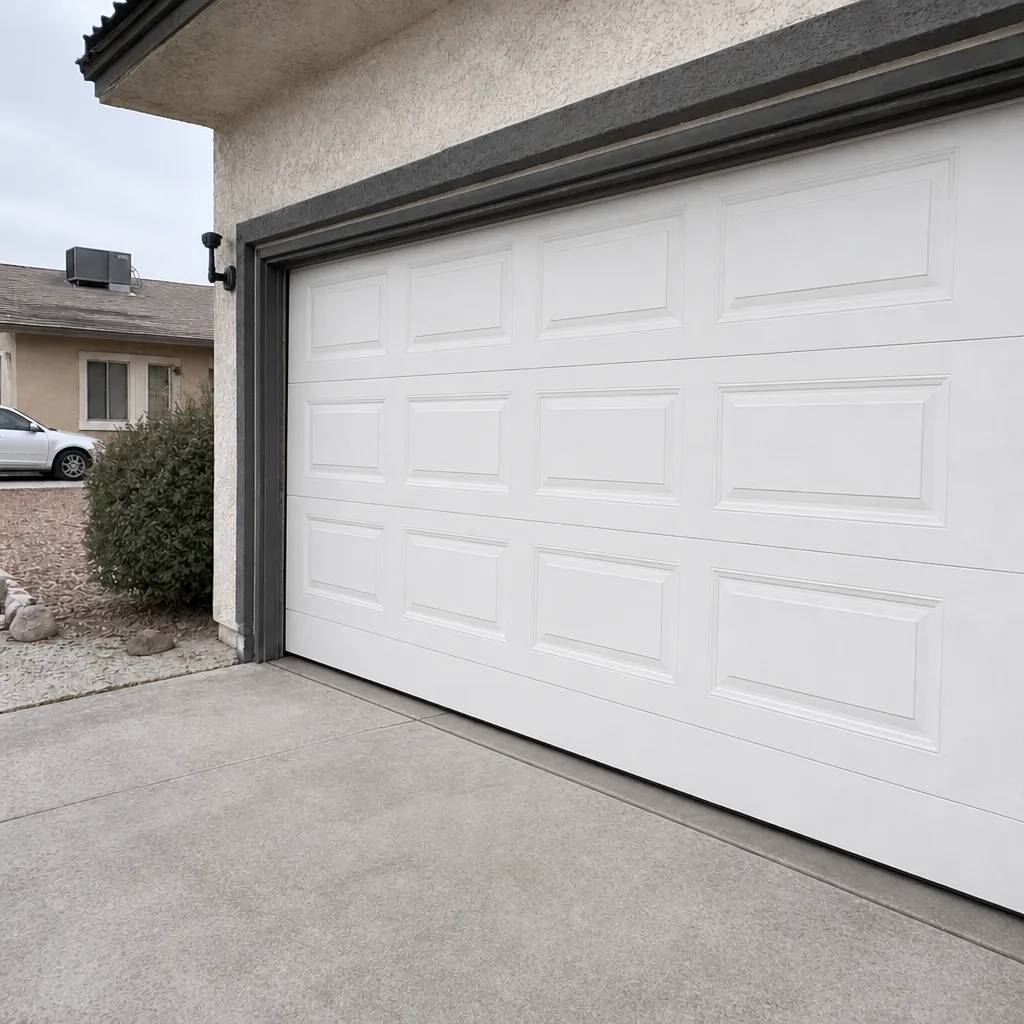 After
When to Call a Professional
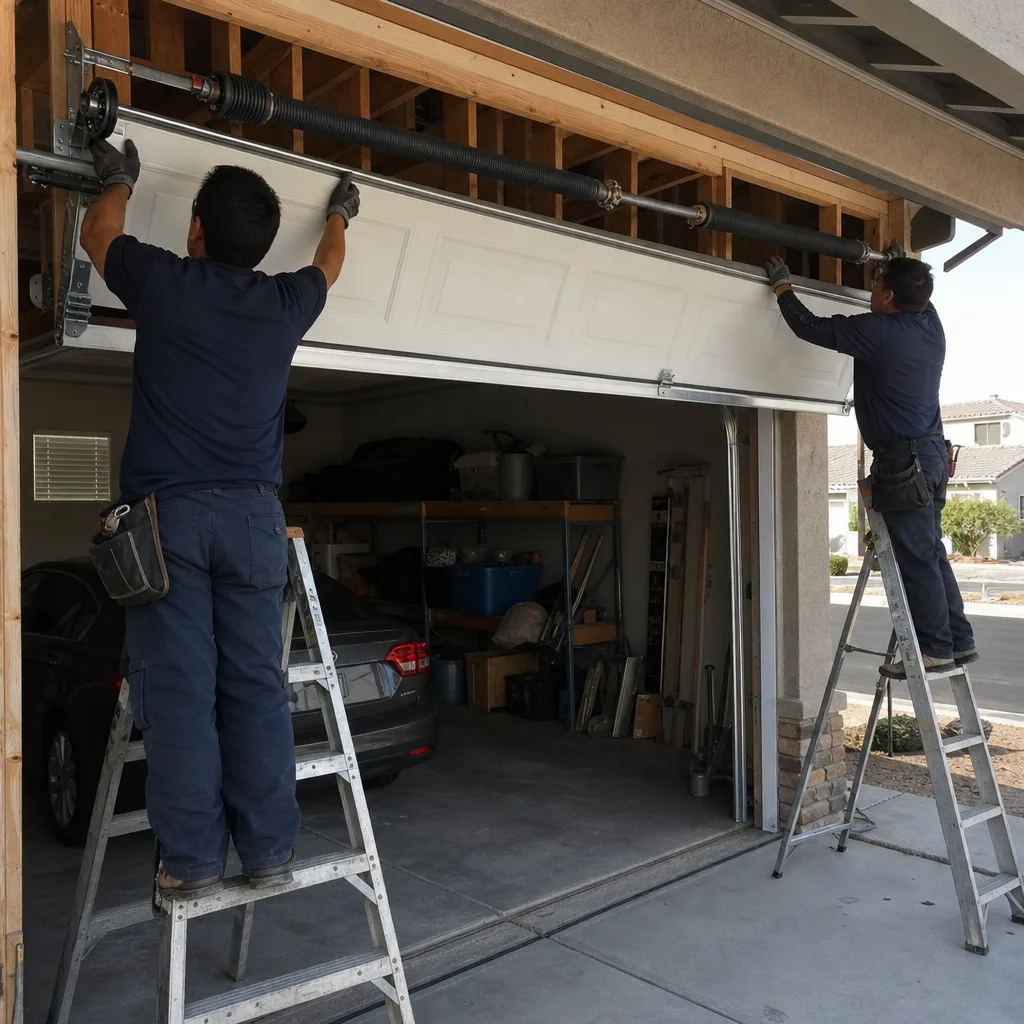
Call a professional for anything involving the torsion spring, the lifting cables, the drums, the bottom brackets, or the opener’s internal electronics. Those are the parts where the consequence of getting it wrong is an injury or a door on the ground. Lubrication, visual track checks, and balance tests are homeowner tasks. Spring measurement and adjustment are not. If your door has produced the same sound twice in a week, or has stopped halfway twice in a month, call before it becomes an emergency at an inconvenient hour. Servo Garage Doors Whitney offers free estimates in Whitney and written prices before any work starts. Call (888) 402-1096.
Frequently Asked Questions
Twice a year for lubrication and a visual check, plus one annual technician visit for a spring measurement. Whitney’s temperature swing from 105°F summer highs to 20s overnight in winter means the twice-yearly cadence matters more here than in a mild climate, because heat and cold both stress the metal parts.
Yes for lubrication, visual track checks, and balance tests. No for spring tension adjustment, cable work, drum work, or opener electronics. The spring alone stores enough energy to cause serious injury if it releases uncontrolled, so that measurement belongs with a trained technician even when the door sounds fine.
Most opener and door manufacturers require documented maintenance to honor a warranty claim. A door that failed because the hinges were never lubricated is a claim a manufacturer can deny. Keeping a written record of service visits protects you here.
Routine emergency repairs fall in the $220 – $800 range depending on the failed part and whether after-hours labor applies. A snapped torsion spring is usually on the lower end; a cable and track failure together with opener damage pushes toward the top. The larger cost is often the one the maintenance schedule would have prevented.
Because the measurement is the diagnostic. A door can open fine right up until the spring’s fatigue life ends, and the sound gives no warning. Measuring wire diameter and coil count tells us how many cycles remain. That’s the difference between a planned replacement and a midnight emergency.
A live person answers, seven days a week, including holidays. You get a named technician and an on-the-way text rather than a callback window. The technician photographs the failed component before quoting a replacement, and the price is written and agreed before any work begins.
The Bottom Line
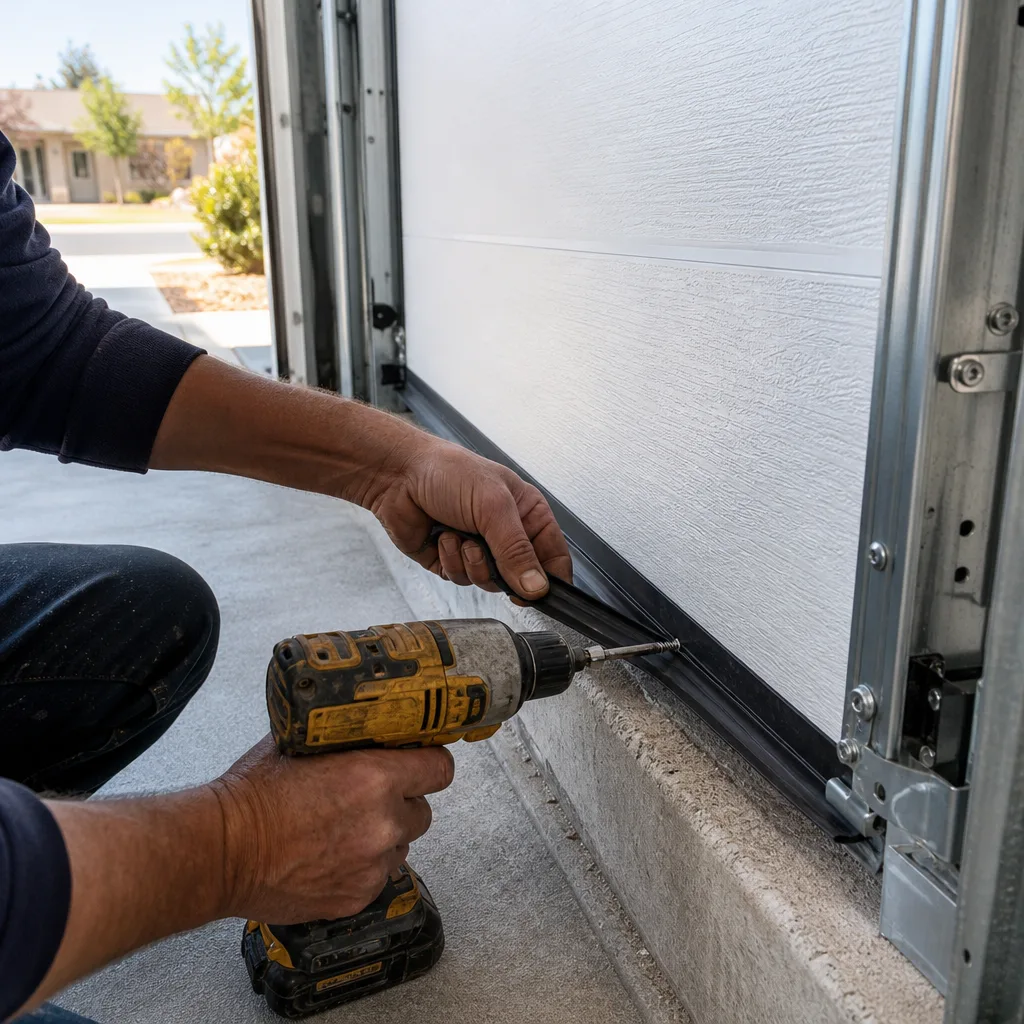
The schedule is the whole strategy. Lubricate twice a year, measure the spring once a year, and check the track when the temperature swings. Do that and the failure cascade never completes. Skip it and the $60 lubrication pass becomes a $600 emergency at 11 p.m. with the car trapped. The parts most likely to fail are the ones adjacent to the part most likely to start the cascade, not the part that finally breaks. A written maintenance record makes the next emergency diagnosis faster and cheaper, and every recovery we do at Servo Garage Doors Whitney ends with a documented photo record of what we found and what we fixed.
Call (888) 402-1096 for a free estimate on a maintenance plan or a repair. Live people answer around the clock, and the written price comes before any work starts.
Written by the team at Servo Garage Doors Whitney.