
Last updated November 18, 2026
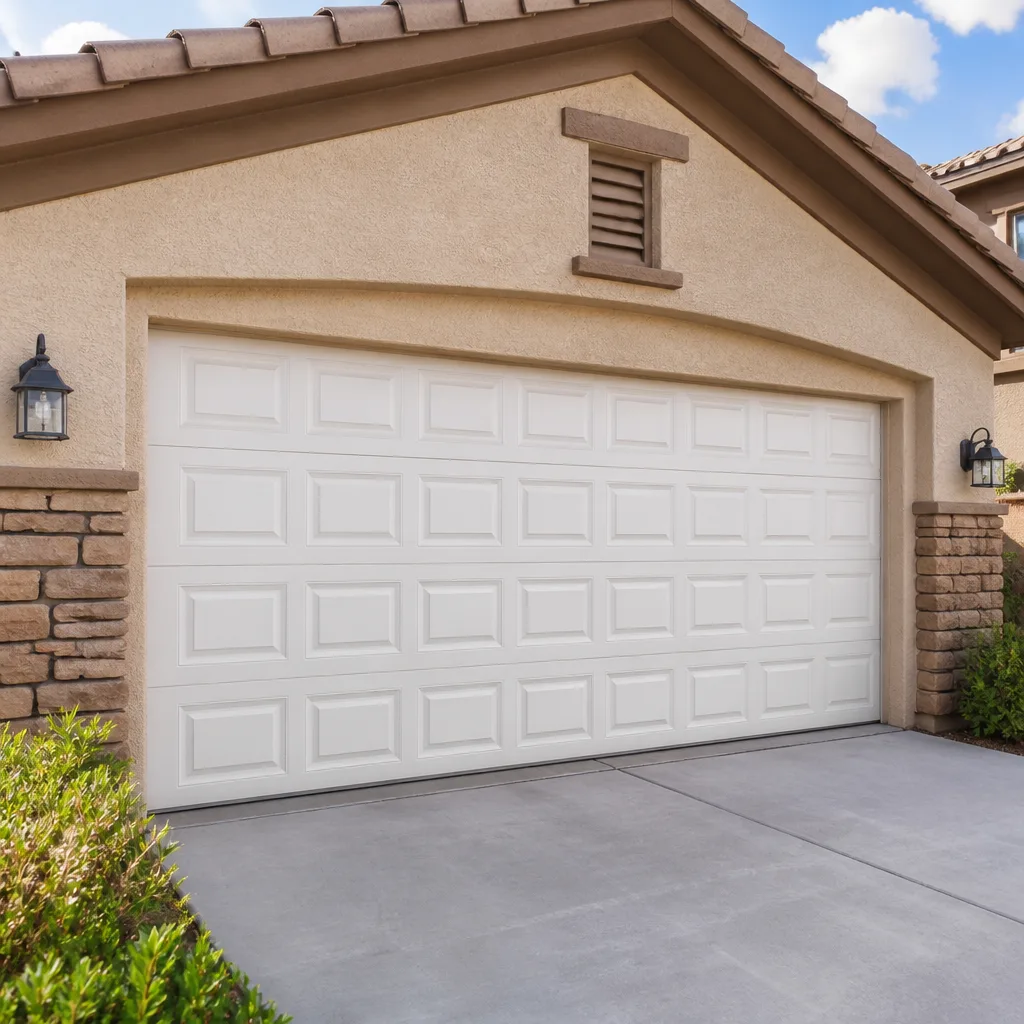 Raised-panel steel
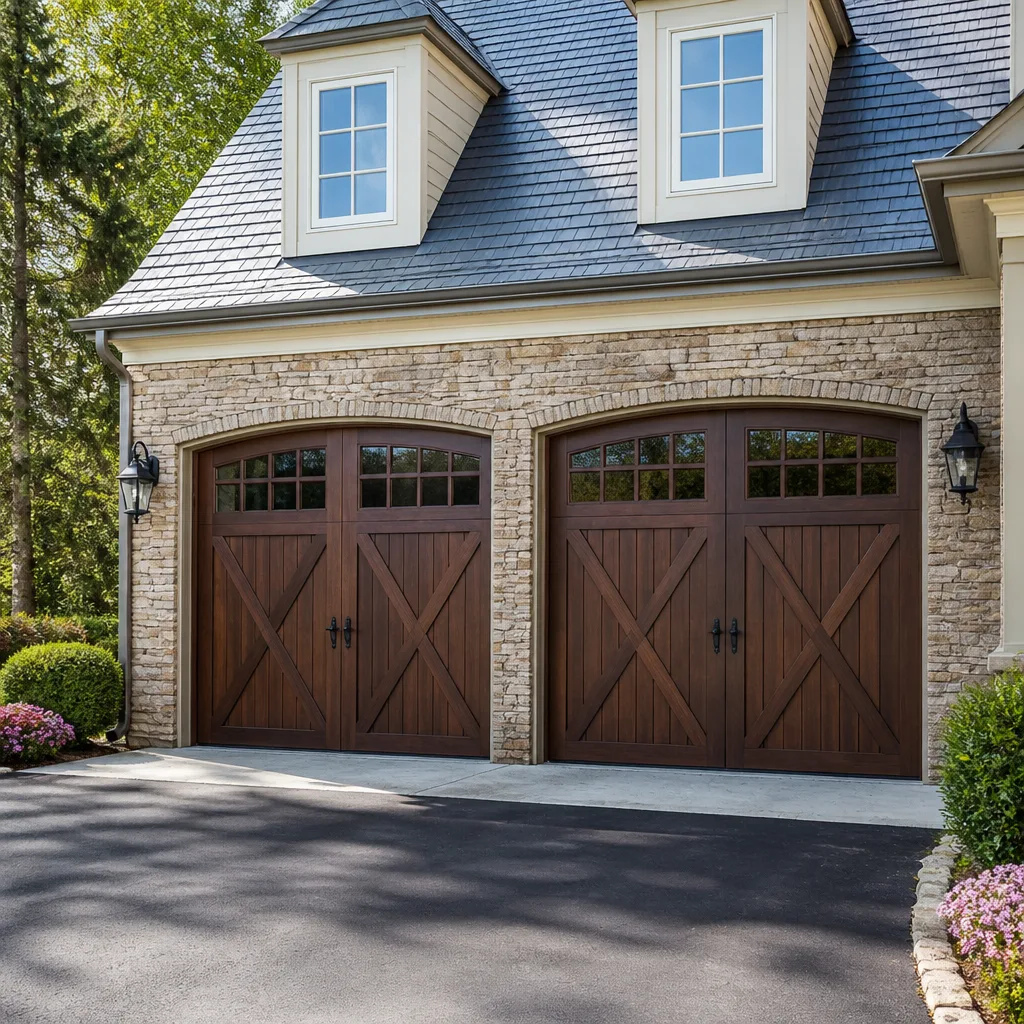 Carriage house
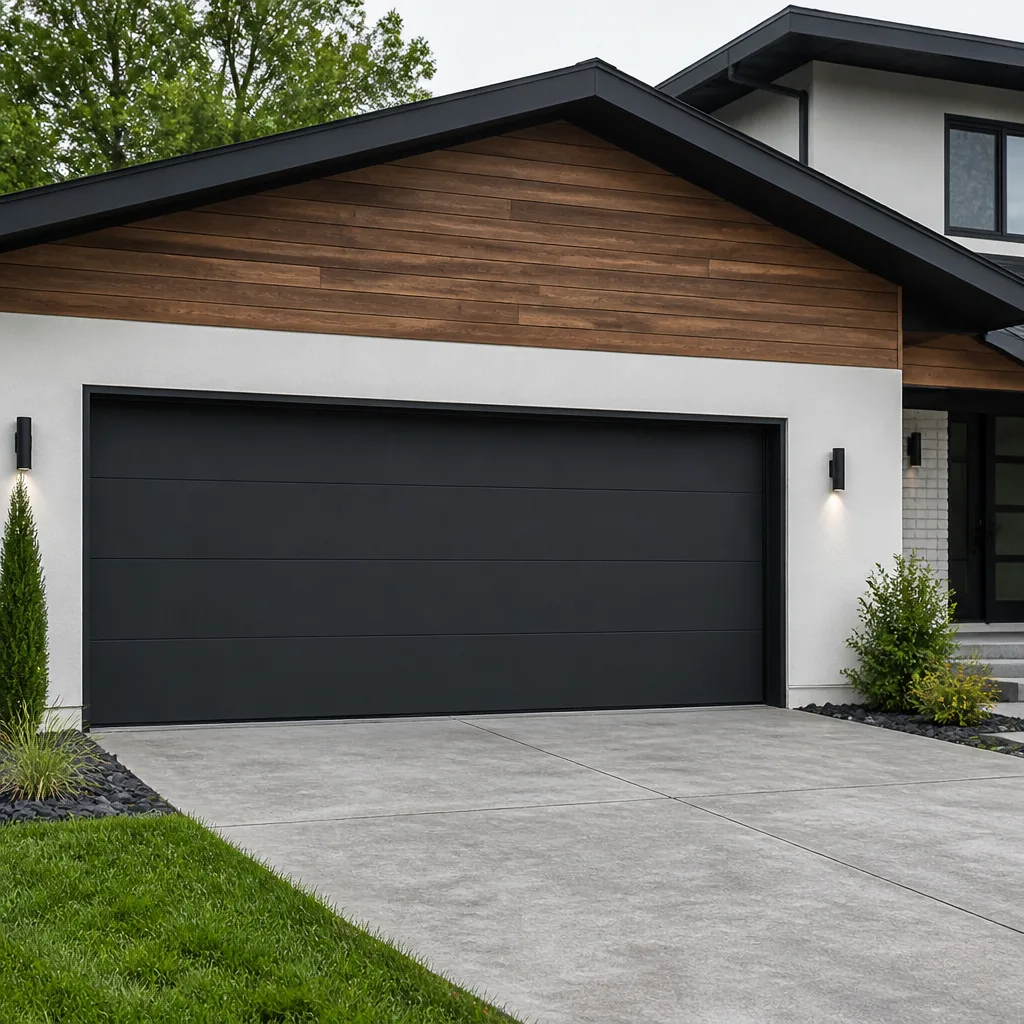 Modern flush
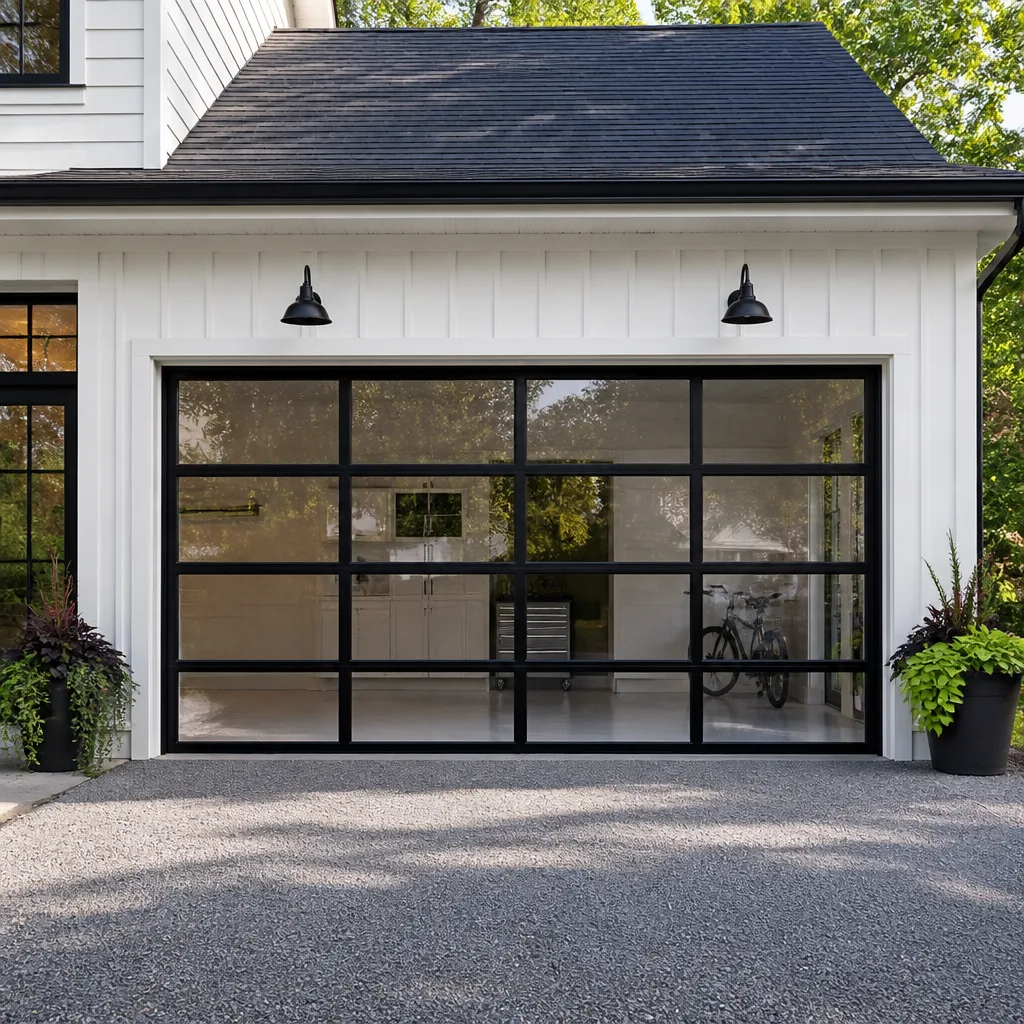 Full-view glass
 LiftMaster openers
 Chamberlain openers
Full 25-point door and opener safety check with every visit - springs, cables, rollers, tracks, and your LiftMaster or Chamberlain opener included
You get a price before we start. It does not change when the pro arrives.
Get your free estimateEmergency Garage Door Troubleshooting: Common Problems and How to Fix Them
Replacing the opener battery when a cable has snapped does not fix the door. It wastes six minutes while a 200-pound door sits on a single intact cable. That mistake is the most common one we see, and it happens because most troubleshooting starts at the remote and works inward. In our experience across Whitney, most true emergencies start in mechanical parts the opener has nothing to do with. This guide starts where the danger actually is: the physical state of the door. You’ll learn a decision tree that separates “won’t move” from “moved wrong,” a three-second visual check, and the exact point where continuing on your own starts costing more than calling.
Quick Answer
For emergency garage door troubleshooting, check the door’s physical state before touching the opener: look for a snapped cable, a broken torsion spring (the horizontal spring above the door), or a door hanging off its track. If the door is crooked, jammed, or you hear a loud bang, stop and call a technician. If the door is level and intact but won’t respond, the problem is likely electrical (power, remote, or opener logic board) and can often be sorted in minutes. Never try to lift a door with a broken spring or cable yourself. In Whitney, call (888) 402-1096 and a live person answers, day or night.
Styles & brands we work with
- Raised-panel steel
- Carriage house
- Modern flush
- Full-view glass
- LiftMaster openers
- Chamberlain openers
Table of Contents
- The First Branch: “Won’t Move” vs. “Moved Wrong”
- The Three-Second Visual Inspection
- Is It the Opener or the Door? The Manual Disconnect Test
- Partial-Open Scenarios: 8 Inches, 2 Feet, and Random Stops
- Mechanical Failures: Springs, Cables, and Rollers
- Electrical Failures: Remotes, Sensors, and Logic Boards
- The Point Where DIY Stops Saving Money
 Before
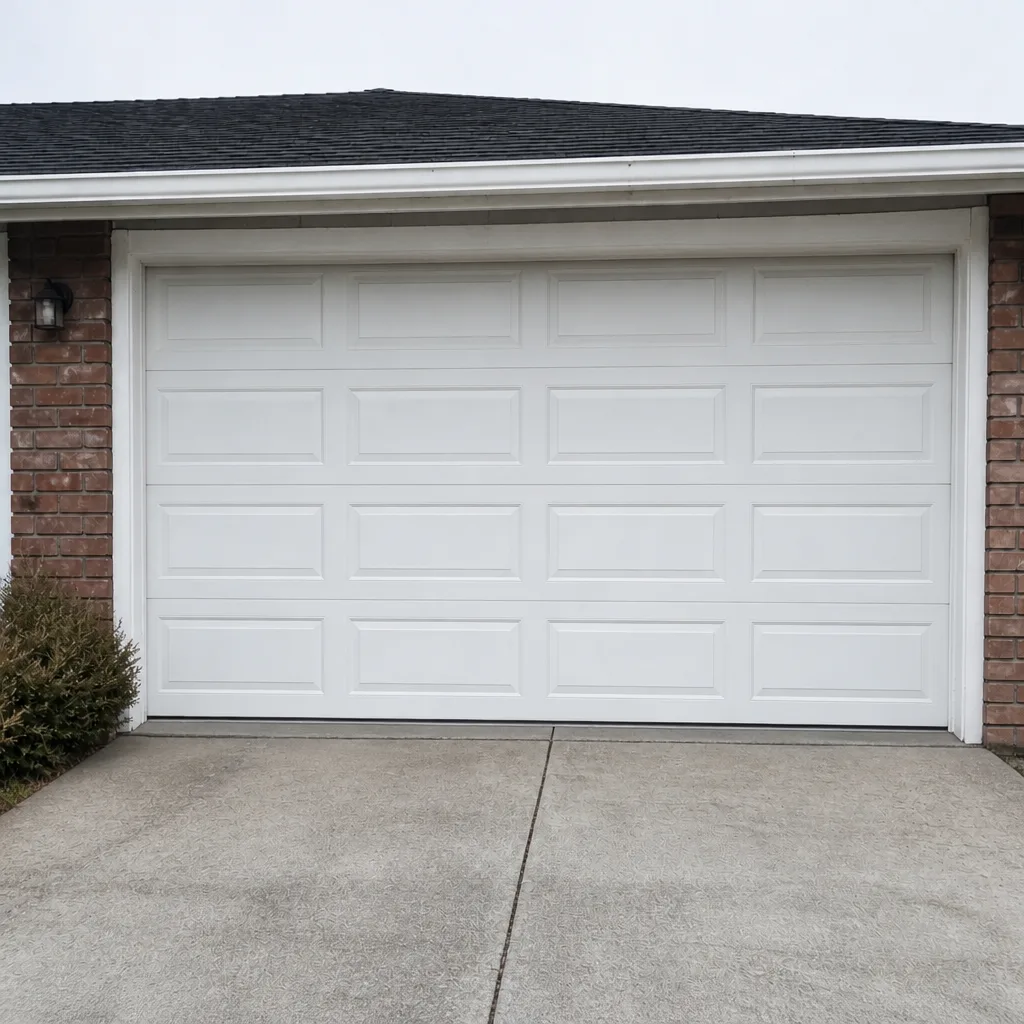 After
The First Branch: “Won’t Move” vs. “Moved Wrong”
Before you troubleshoot anything, answer one question: did the door fail to move at all, or did it move and then do something wrong? These two categories have almost no overlap in cause, and treating them the same sends you down the wrong path every time.
“Won’t move” is usually electrical or control-related. The door is level, sits flush in the frame, and the opener simply doesn’t respond. Causes cluster around power, the remote, the wall button, the safety sensors, or the opener’s logic board. Most of these you can check safely in a few minutes.
“Moved wrong” is usually mechanical. The door lurched, jerked, reversed, stopped halfway, or came down crooked. That points to springs, cables, rollers, or track alignment, the parts that carry the door’s weight and guide it. These are the failures that hurt people, and they’re the ones where a snapped cable or a broken spring turns a repair into an emergency fast.
Here in Whitney, we see a specific pattern: hot summers work springs hard, and doors that “moved wrong” in July often trace back to a spring that was already fatigued in spring. If your door lurched once and then worked fine for a week, don’t assume it fixed itself. Note the date it happened. When you call, that detail shortens the diagnosis.
The Three-Second Visual Inspection
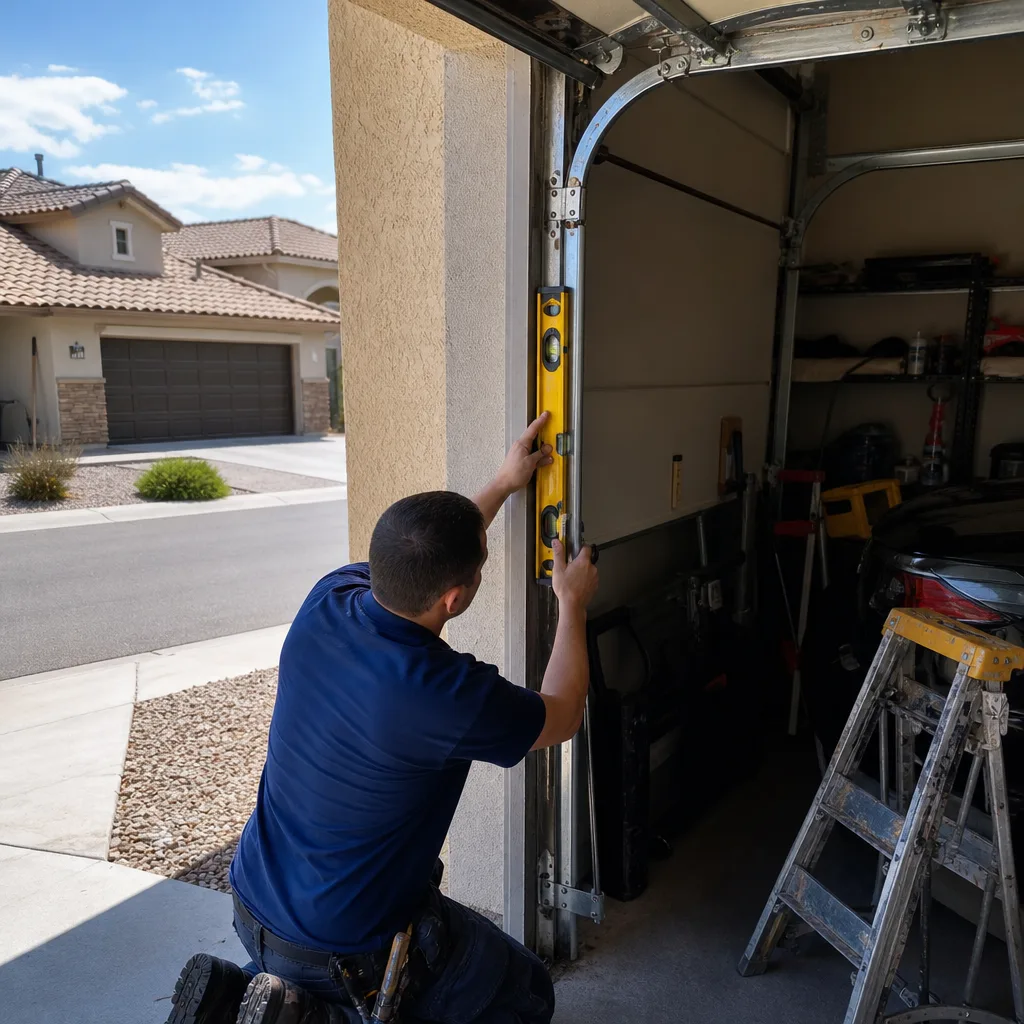
Stand back from the door, look at it, and sort what you see into one of three buckets. This takes about three seconds and tells you how urgently to act.
- Mechanical. Look for a visible gap in a spring coil, a cable hanging loose or coiled at the bottom corner, or a door that’s visibly crooked. A snapped torsion spring often leaves a clean break you can see. This is your highest-priority category.
- Electrical. The door looks perfectly straight and level, but nothing happens when you press the button. Check whether the opener’s light comes on, whether the safety sensors at the bottom corners have a lit indicator, and whether the wall outlet the opener plugs into has power.
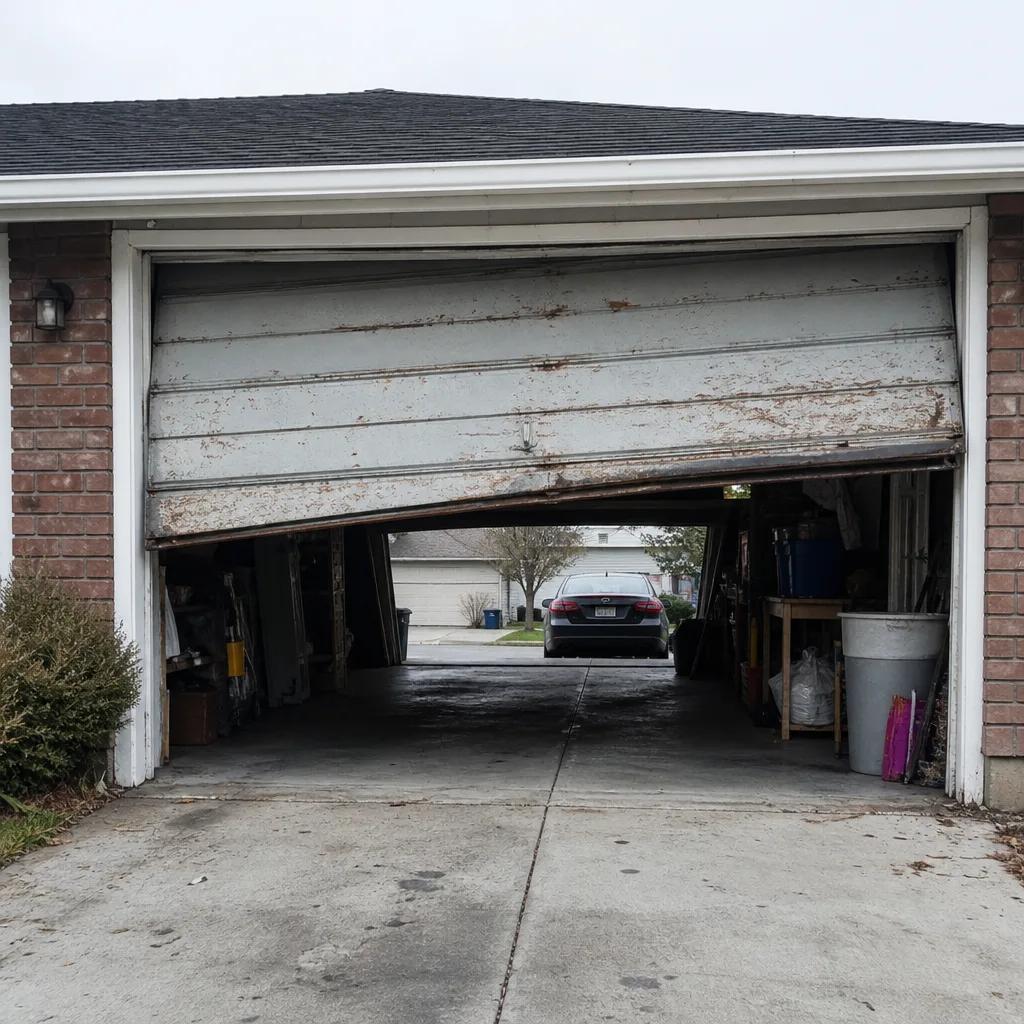
- Structural. The door is off its track, a roller has popped out of the channel, or the frame around the door is bowed. Don’t force anything here. A door off-track can fall.
This sequence catches the vast majority of genuine emergencies before anyone touches a remote. It’s also the sequence a technician runs on arrival, which is why we photograph the failed component before quoting a replacement (Clause 4 of The Haven Standard) – the photo record shows you exactly what the inspection found.
Is It the Opener or the Door? The Manual Disconnect Test
This is the single most skipped step in every troubleshooting guide, and it’s the one that actually tells you where the problem lives. The manual disconnect is the pull cord (usually red) hanging from the opener’s rail. Pulling it separates the door from the opener so you can move the door by hand.
How to run the test safely:
- Pull the release cord to disconnect the door from the opener.
- With the door down and the spring intact, lift the door about a foot by hand. A properly balanced door lifts with modest effort and stays where you put it.
- If it feels extremely heavy, won’t stay up, or slams down, the door itself has a mechanical problem. Stop here.
- If it moves smoothly and balances, reconnect it and try the opener again. If the opener still fails, the fault is electrical.
If the door won’t lift at all by hand, or you hear grinding when you try, do not keep pulling. That’s a spring or cable failure, and the door’s full weight is being held by whatever’s left. In Whitney, we’ve walked into more than one garage where someone kept forcing a disconnected door and bent the track in the process. The disconnect test tells you which half of the system to look at. It does not authorize you to work on a broken spring.
Partial-Open Scenarios: 8 Inches, 2 Feet, and Random Stops
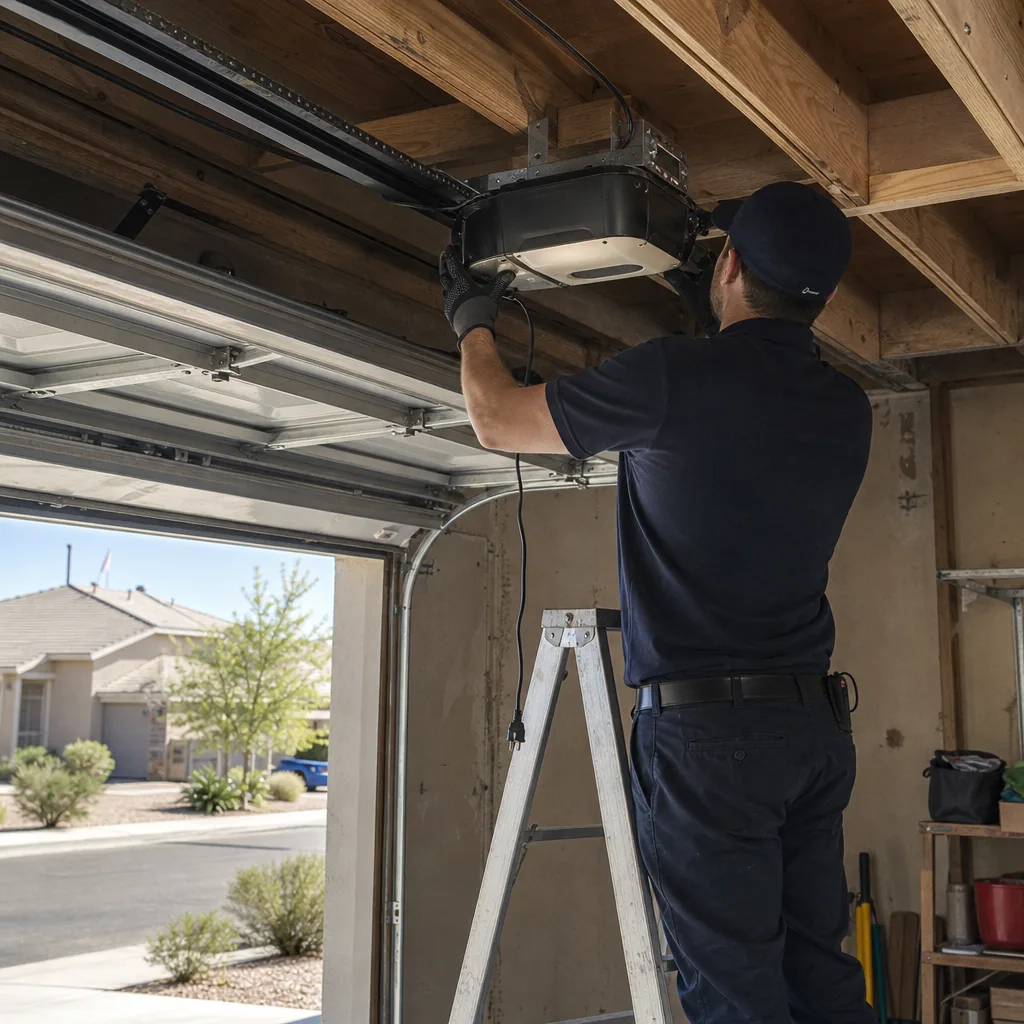
A door that moves partway and then stops is telling you something specific. Where it stops narrows down the cause.
- Stops at roughly 8 inches: This is often a safety-sensor issue. The sensors sit near the floor and need a clear, aligned line of sight between them. A cobweb, a shifted bracket, or sunlight hitting one sensor can trigger a reversal. Wipe the lenses and check alignment.
- Reverses at about 2 feet: The opener’s travel limits or force settings may be off, or the door is binding on one side and the opener reads the resistance as an obstacle. Binding usually means a roller or track problem.
- Stops randomly mid-travel: This is the one that points to the opener’s logic board or a failing motor capacitor. It’s intermittent, which makes it frustrating to pin down, and it’s more common in older Chamberlain and Genie units.
Each of these carries different urgency. A sensor problem is a five-minute fix. A binding door that reverses is a mechanical issue that will wear the opener out if ignored. Random stops on a logic board are usually a repair-or-replace decision, not an emergency. If you’re not sure which one you have, our garage door opener repair and installation in Whitney page walks through the electrical side in more depth.
Mechanical Failures: Springs, Cables, and Rollers
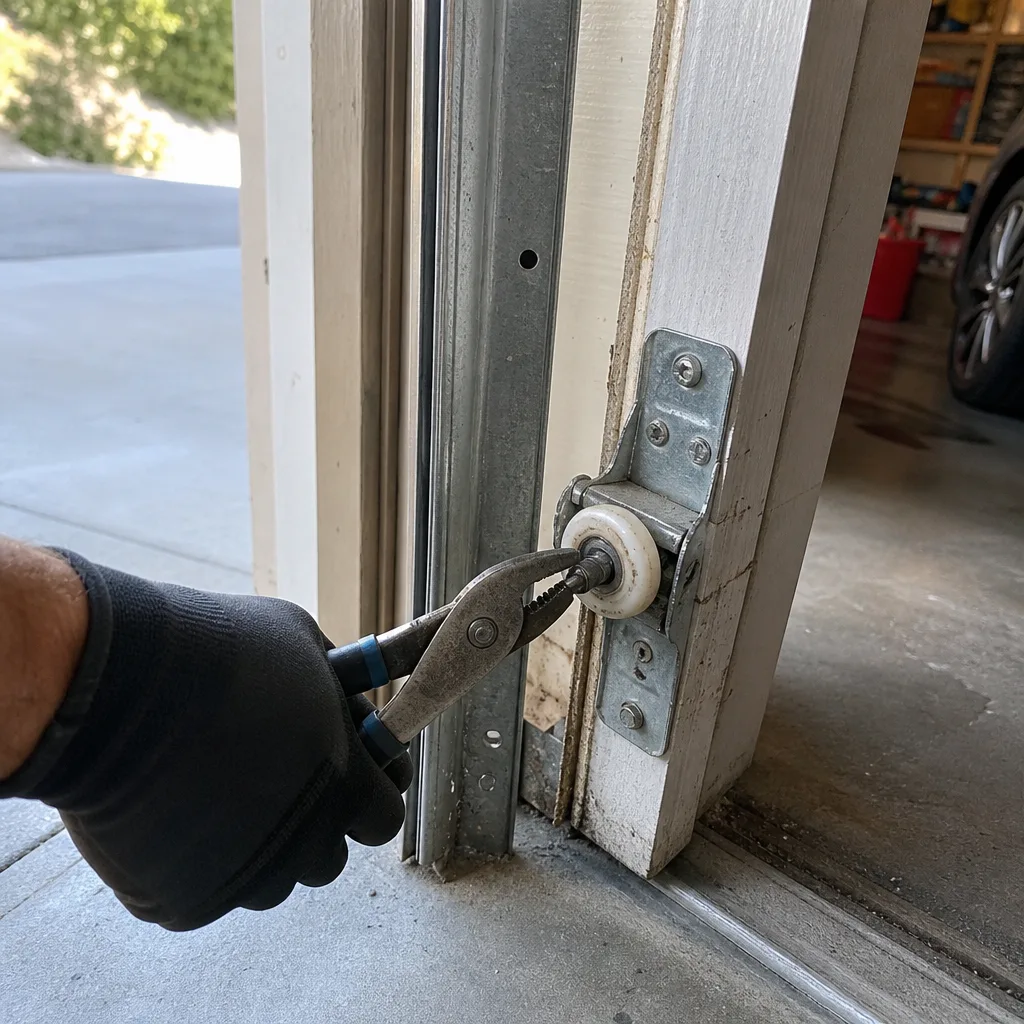
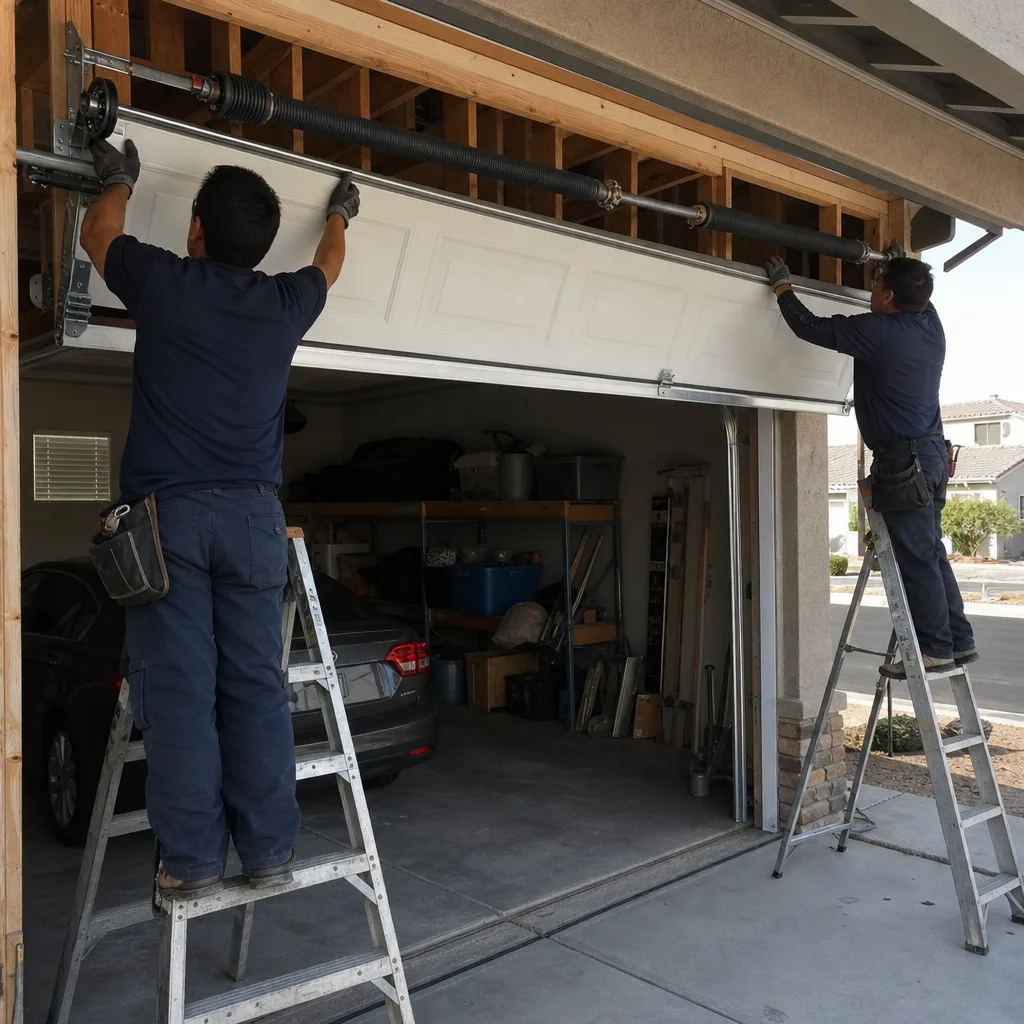
The torsion spring above the door carries the door’s weight so the opener only has to guide it. When a spring breaks, the door becomes dangerously heavy, and the loud bang most people hear is the spring letting go. Cables run along the sides and hold tension; a snapped cable can whip and is genuinely hazardous. Rollers ride in the track and wear out quietly.
Here’s the safety caveat that matters most: torsion springs and cables are under high tension, and adjusting or replacing them yourself can cause serious injury or death. We don’t publish step-by-step instructions for working on them, because the honest answer is that this is a job for a trained technician with the right winding bars and the knowledge to use them. What you can safely do is identify the failure and stop.
What to note for the call: whether the door is up or down, whether you can see the break, and whether the door is crooked. In Whitney’s climate, springs take a beating from summer heat, and we regularly see failures clustered in the hottest weeks. Our garage door repair in Whitney page covers what a spring or cable repair typically involves.
Electrical Failures: Remotes, Sensors, and Logic Boards
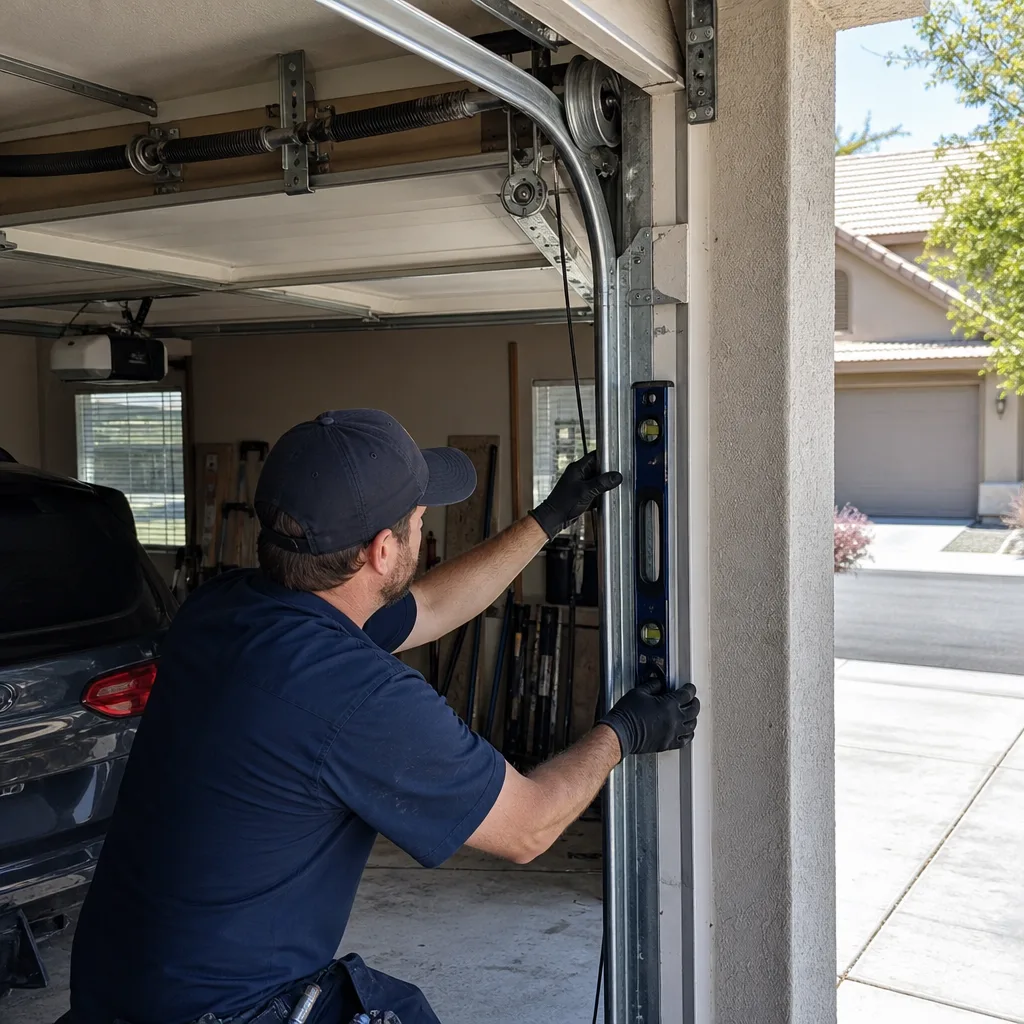
If the door is level and balances by hand but the opener won’t cooperate, work through the electrical side in order, cheapest fix first.
- Power: Confirm the outlet works. A tripped GFCI in the garage is a common culprit and costs nothing to reset.
- Remote and battery: Try the wall button. If the wall button works and the remote doesn’t, it’s the remote or its battery, not the opener.
- Safety sensors: Both sensors should show a steady light. A blinking light means misalignment or an obstruction. Realign the brackets so the lights face each other.
- Lock or vacation mode: Many openers have a lock feature that disables remotes. Check the wall control.
- Logic board: If none of the above works and the opener is getting power but not responding, the board may have failed. That’s a repair-or-replace call.
On a Clopay or Amarr door paired with a Chamberlain or Genie opener, we’ve seen sensor brackets shift just enough over a hot Whitney summer to break the beam. It’s a two-minute realignment most of the time. If you’re weighing repair against a new unit, garage door installation in Whitney lays out what replacement looks like when the opener is truly done.
The Point Where DIY Stops Saving Money
There’s a clear line in troubleshooting where continuing on your own starts increasing the bill instead of reducing it. Cross it and you’re no longer saving money; you’re adding to the repair.
Stop and call when:
- A spring is broken or a cable is snapped. The door is being held by less than it should be. Forcing it bends tracks and can bring the door down.
- The door is off its track or crooked. Every attempt to straighten it by hand risks a fall and usually worsens the track damage.
- You’ve reset power, checked the sensors, and tried the wall button, and the opener still won’t respond. Further poking at a logic board risks a more expensive failure.
- The door reverses repeatedly and you can’t find an obstruction. A binding door wears out the opener motor, and a new opener costs far more than the roller or track fix that caused it.
The pattern is consistent: mechanical problems get worse the longer you force them, and electrical problems get more expensive the longer you experiment. That’s why we quote a flat, written price and scope before any work starts (Clause 1 of The Haven Standard). You know the number before a tool comes out, so there’s no invoice surprise waiting at the end.
Common Mistakes to Avoid
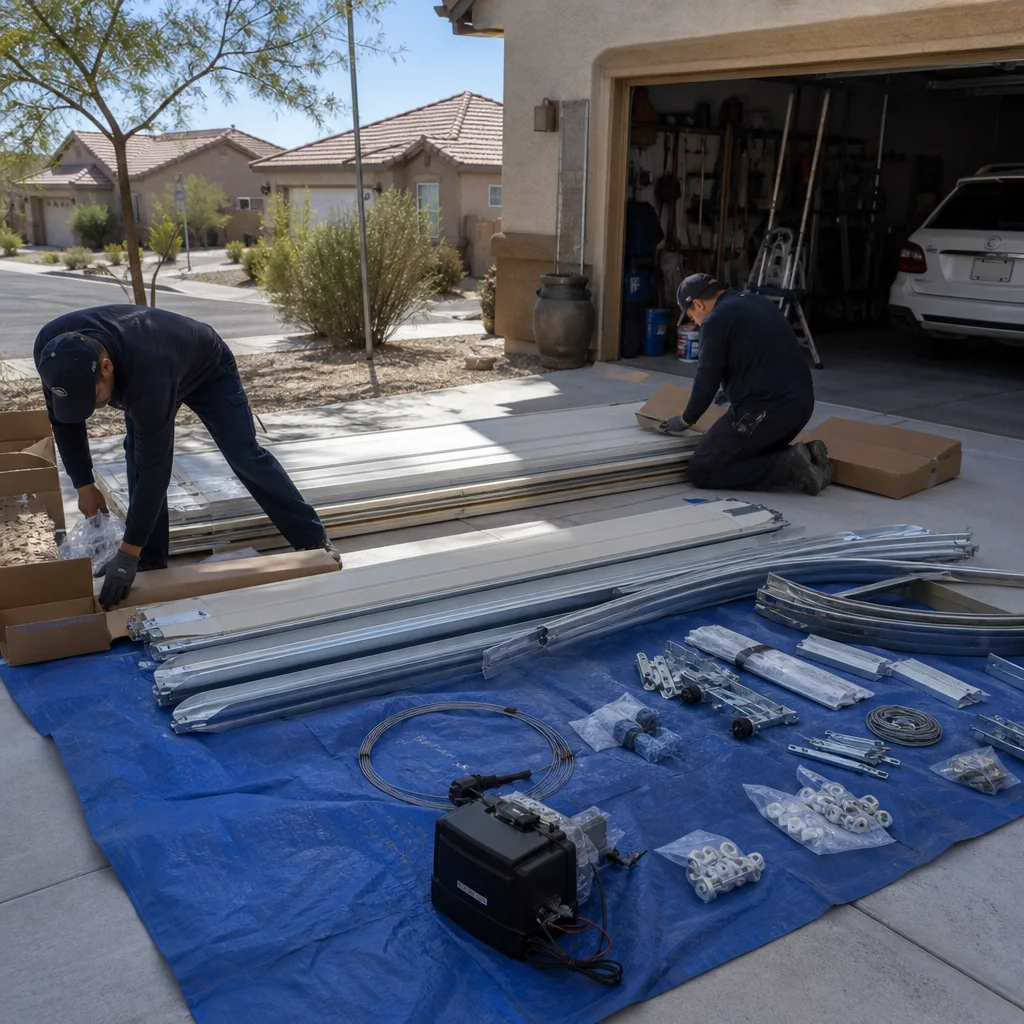
- Replacing the remote battery first. It’s the cheapest thing to try, so it feels productive, but when the real failure is a snapped cable it just wastes the six minutes while the door sits on one cable.
- Forcing a door that won’t lift. If it’s heavy or grinding, stop. Forcing it bends tracks and can drop a door, turning a spring repair into a full replacement.
- Skipping the manual disconnect. Without it, you never learn whether the fault is in the door or the opener, and you end up guessing.
- Ignoring a single lurch. A door that jerked once and then “worked fine” is often a fatigued spring in Whitney’s heat. Note the date and mention it on the call.
- Pulling the red cord and leaving it disconnected. If you disconnect the door to test it, reconnect it before walking away, or the next person who hits the button gets a surprise.
- Tightening track bolts to “fix” a crooked door. A door off-track needs the rollers and alignment reset by someone who can see the whole geometry. Snugging bolts usually makes it worse.
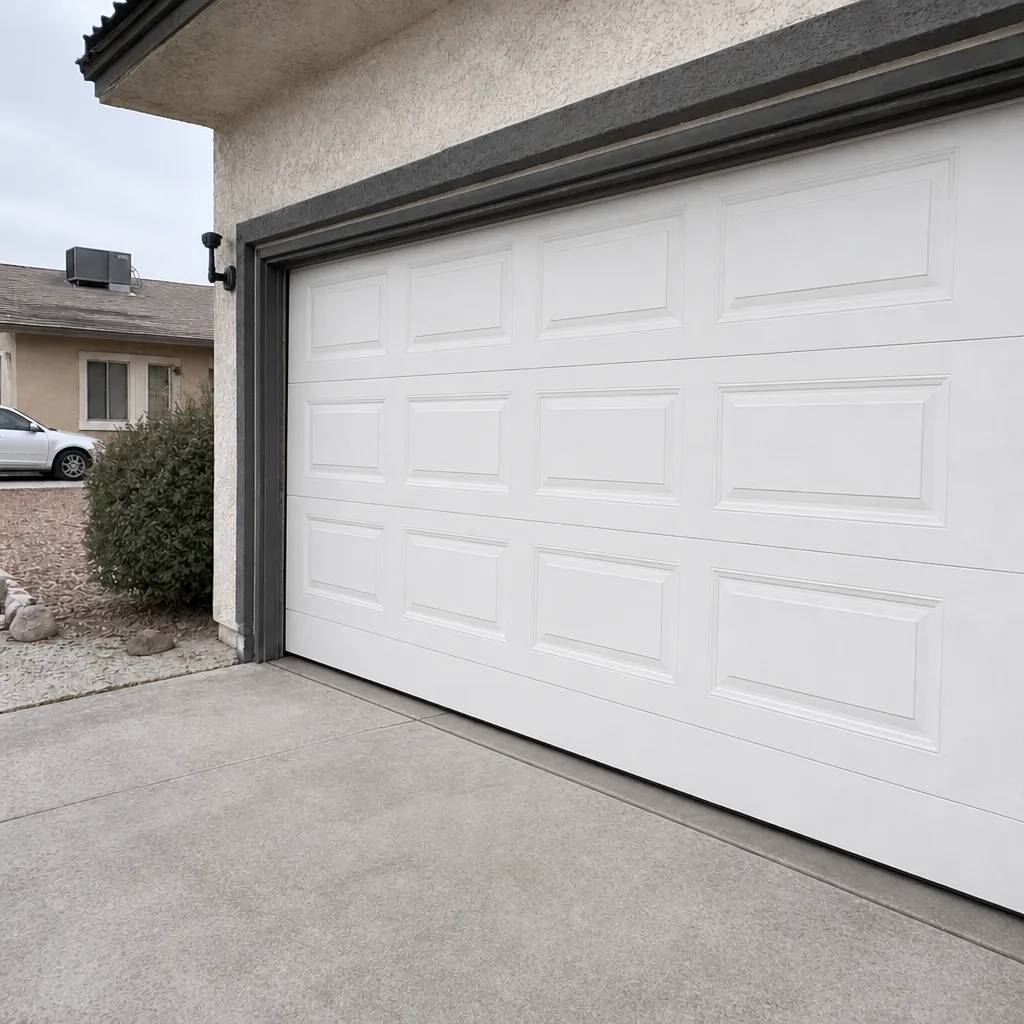
See the difference
BeforeAfter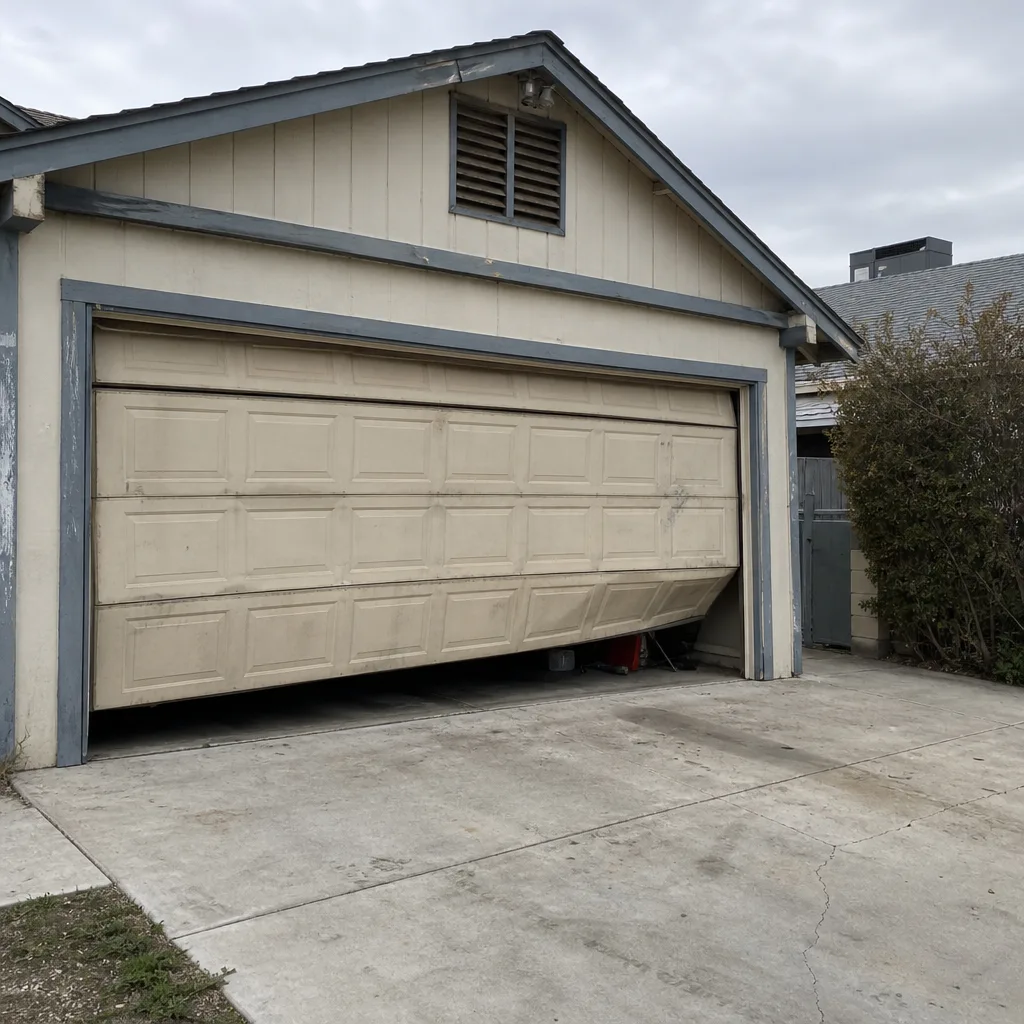 Before
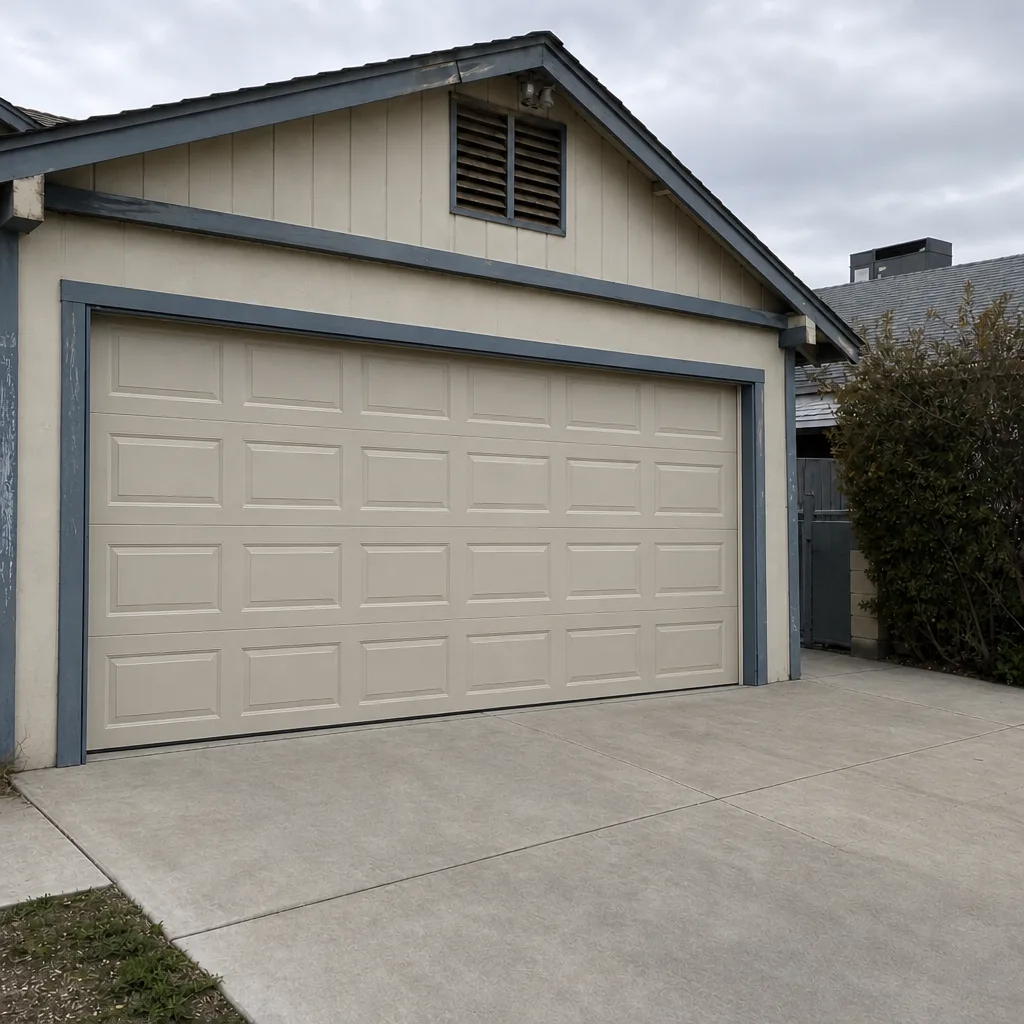 After
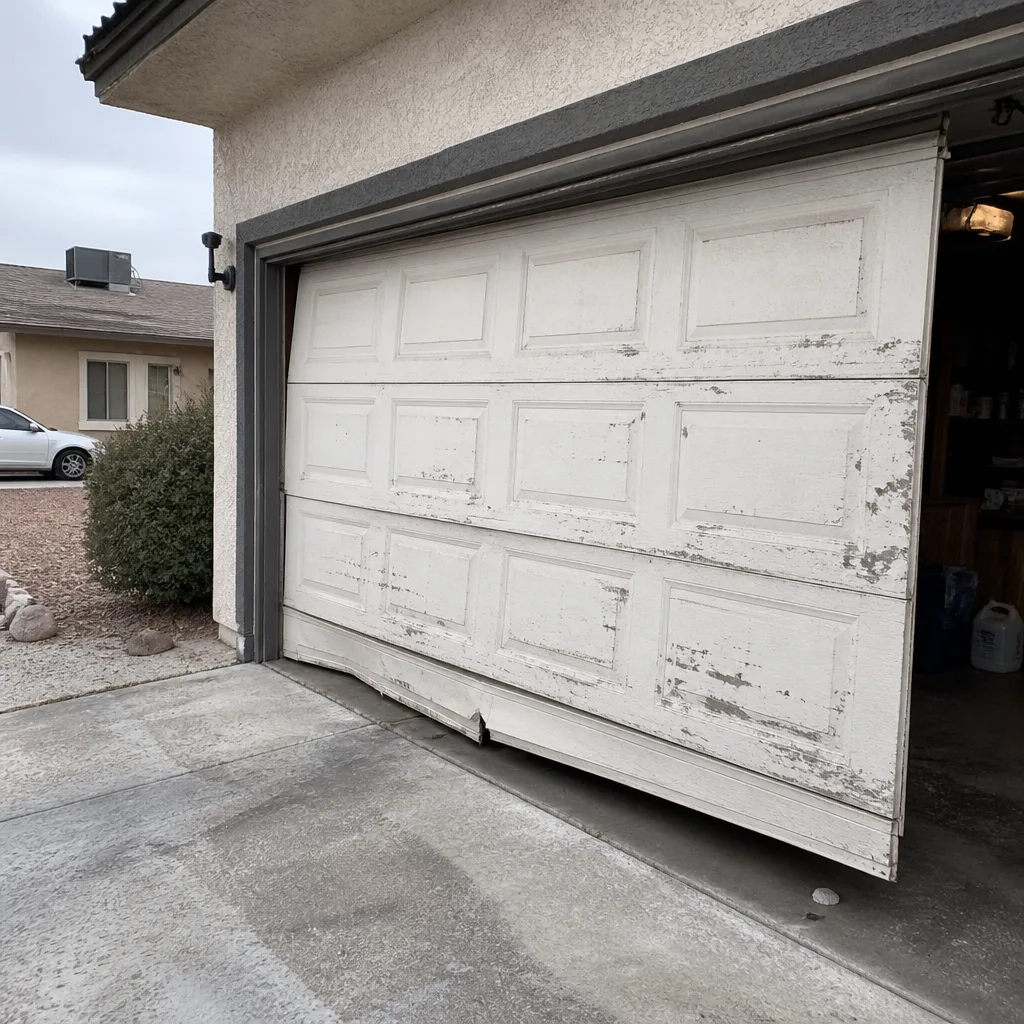 Before
 After
When to Call a Professional
Call a professional the moment a broken spring, snapped cable, or off-track door is involved, and any time you’ve reset power, checked the sensors, and the opener still won’t respond. These are the scenarios where the honest path is a trained technician, not a homeowner with a ladder. Torsion springs and cables are under high tension and are not a do-it-yourself job, full stop. If you’re unsure whether your situation qualifies, that uncertainty is itself a reason to call. Servo Garage Doors Whitney offers free estimates in Whitney, backed by written pricing before any work starts, our Whitney repair service answers live around the clock, and technicians have up to 11 years of experience. Call (888) 402-1096 and a real person picks up, with a named technician and an on-the-way text.
Frequently Asked Questions
Check whether the door is level and intact before touching the remote. If it’s straight and balances when you pull the manual disconnect, the problem is electrical (power, sensors, remote, or logic board). If it’s crooked, heavy, or you see a broken spring or cable, stop and call. Call (888) 402-1096 for a free estimate if you’re not sure.
Yes, emergency garage door calls in Whitney are answered live around the clock, including holidays, and we prioritize doors that are stuck open, off-track, or holding on a broken spring. Call (888) 402-1096 and you’ll get a named technician and an on-the-way text rather than a callback window.
No. You get a flat, written price and written scope before any work starts, which is Clause 1 of The Haven Standard. The number we quote is the number you pay. Call (888) 402-1096 for a free estimate, and if you have a written estimate from another company, we’ll give you a free second opinion on it.
Pull the manual disconnect cord and try lifting the door by hand. If it’s smooth and balances, the door is fine and the opener is the problem. If it’s very heavy, won’t stay up, or grinds, the door has a mechanical failure and the opener is not at fault. Stop and call if it’s heavy.
Not usually an emergency, but it shouldn’t be ignored. A reversal around 2 feet often means the door is binding on one side or the opener’s force settings are off. Left alone, it wears out the opener motor. Wipe and align the sensors, then call for a diagnosis if it continues.
Yes. The local professionals we connect you with are licensed and insured as their state requires, and the technician’s license number is on the page, not buried in fine print. Every visit also includes a documented photo record of what was found and what was done.
The Bottom Line
Most garage door emergencies start in the door’s mechanical parts, not the opener, which is why troubleshooting should begin with the door’s physical state. Separate “won’t move” from “moved wrong,” run the three-second visual inspection, and use the manual disconnect to find out whether the opener or the door is at fault. Stop the moment a spring, cable, or off-track door is involved; those are jobs for a trained technician, and forcing them adds to the bill. For anything in Whitney, the fastest path is a live call, a written price before work, and a photo record when we leave.
Contact Us for a Free Estimate
If your door is stuck, crooked, or making a noise that wasn’t there last week, don’t guess. Call Servo Garage Doors Whitney at (888) 402-1096 for a free estimate. A live person answers around the clock, you get a written price and scope before any work starts, and the technician photographs the failed component before quoting a replacement. Bring a written estimate from another company and we’ll give you a free second opinion on it. Our Whitney service and installation teams are ready when you are, backed by the 365-Day Done Right Promise.
Written by the team at Servo Garage Doors Whitney.