
Last updated November 18, 2026
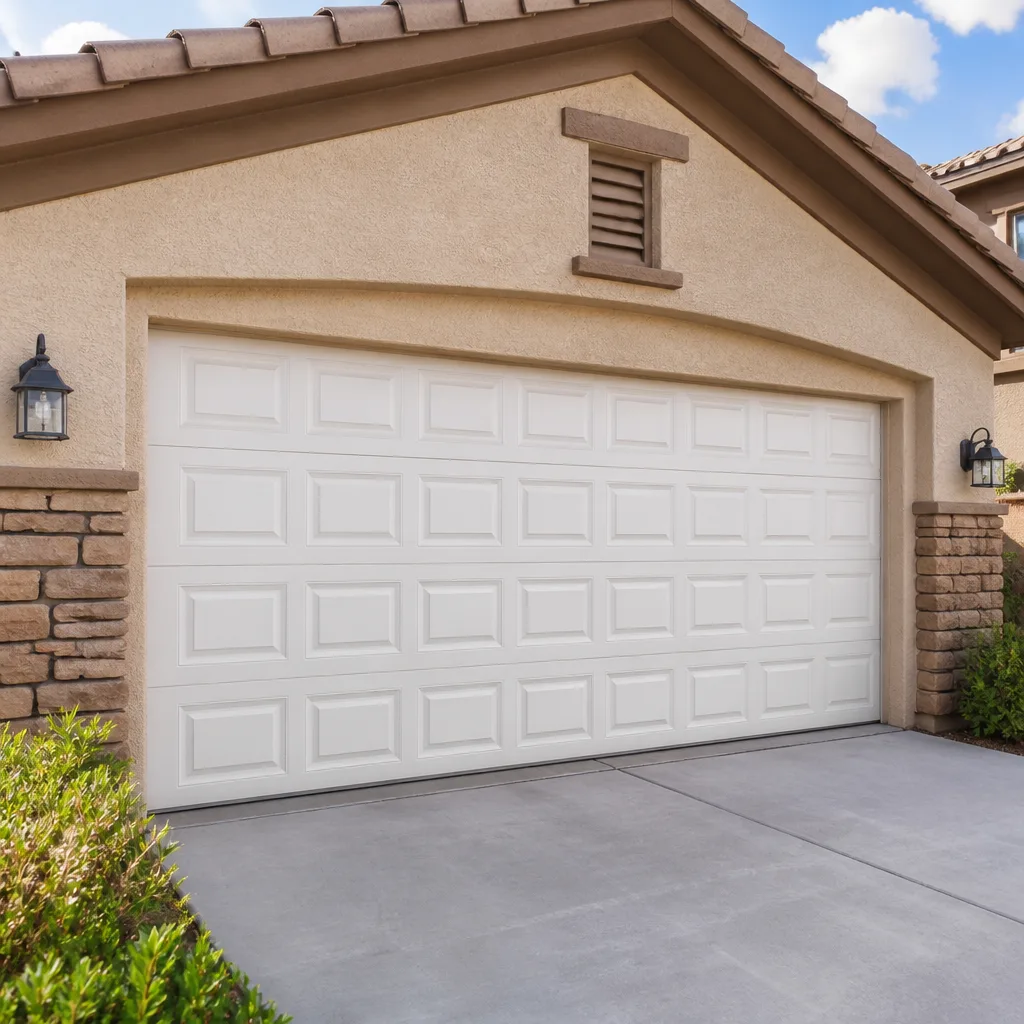 Raised-panel steel
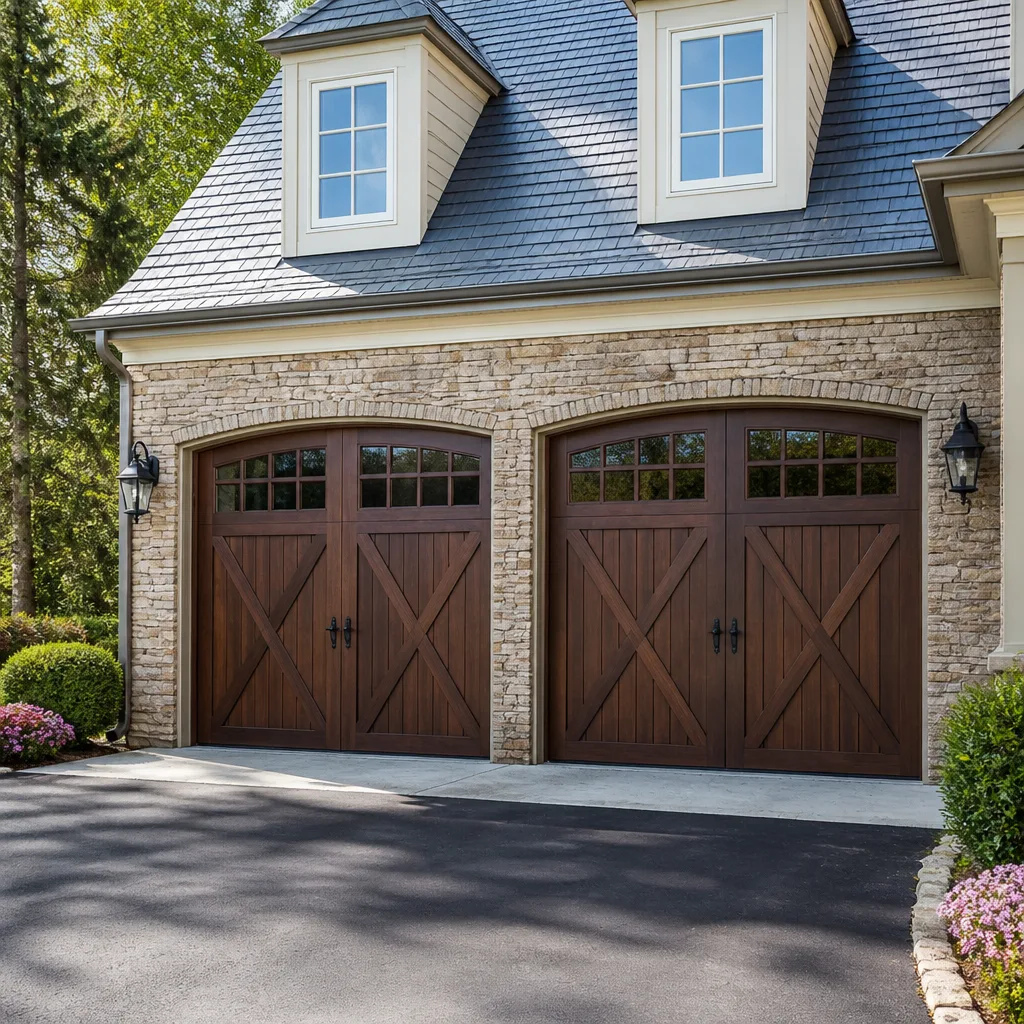 Carriage house
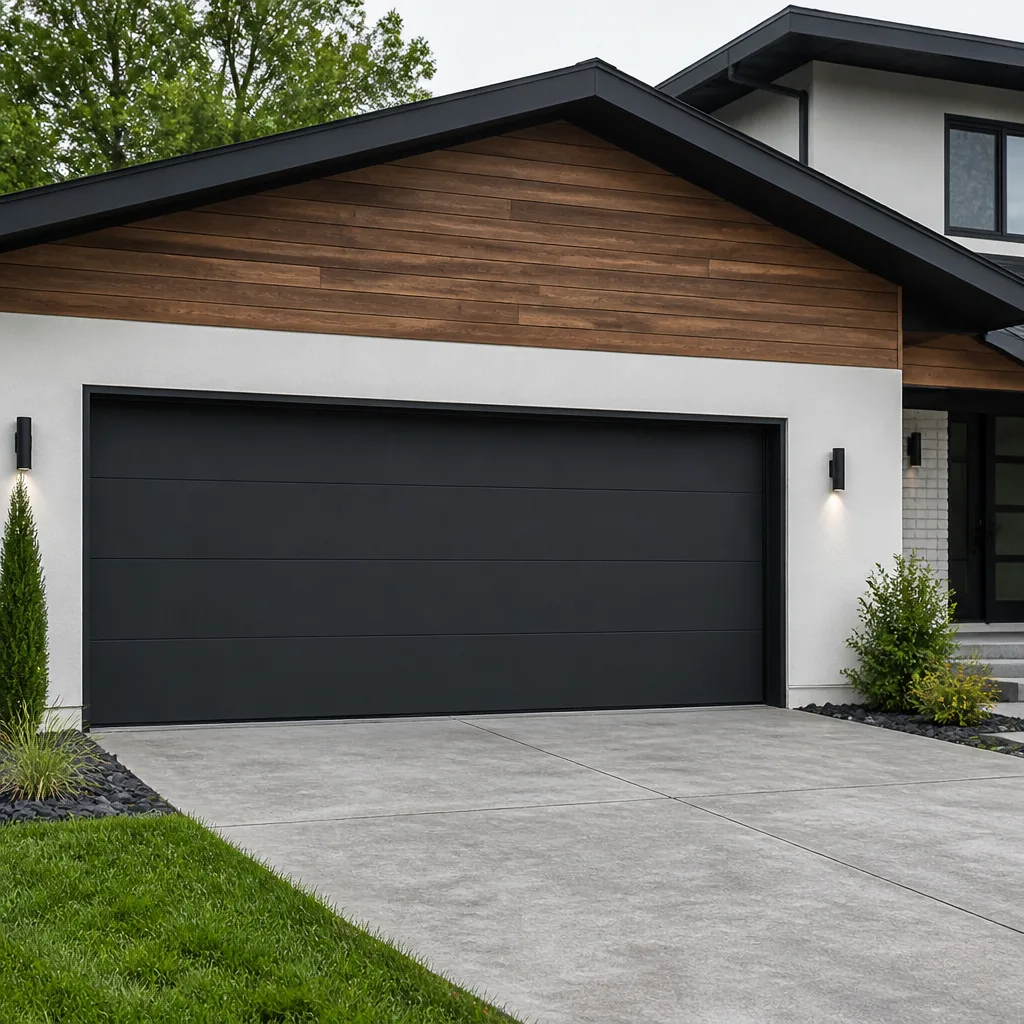 Modern flush
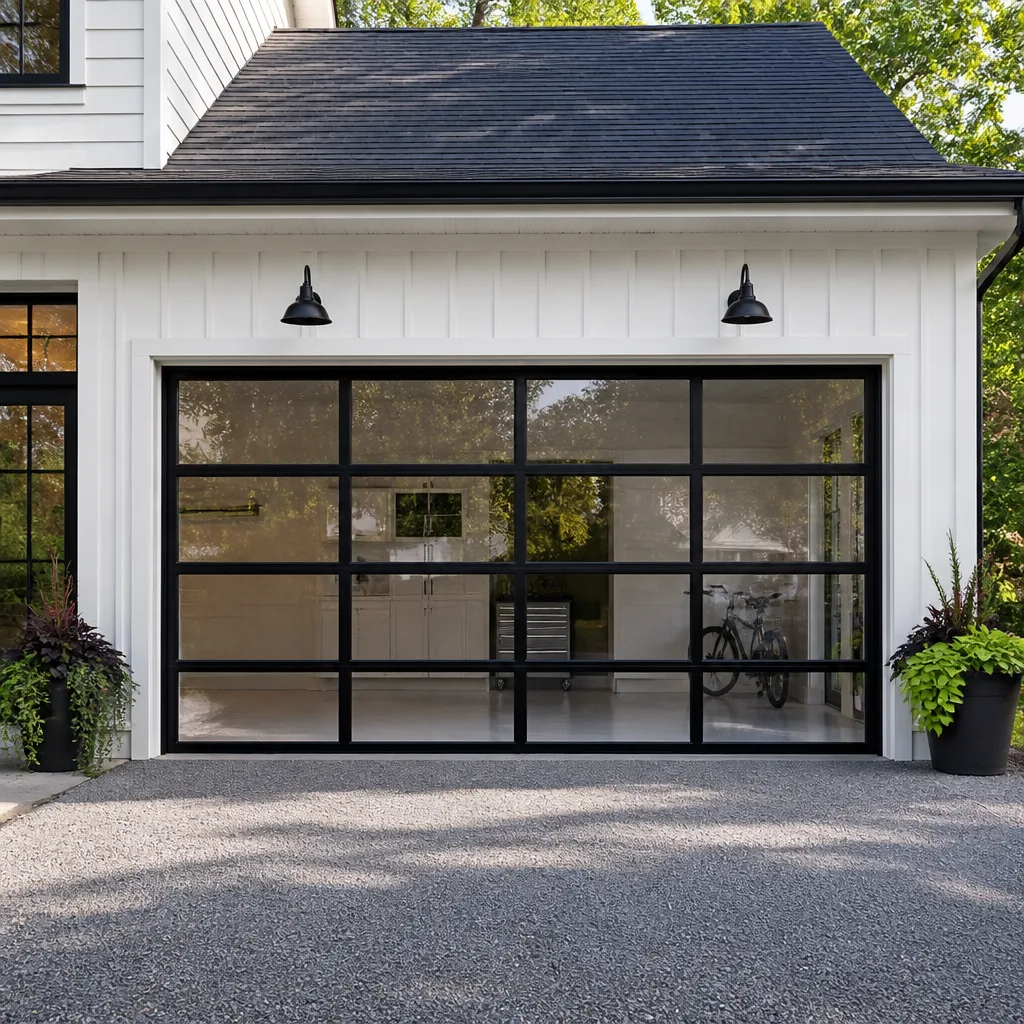 Full-view glass
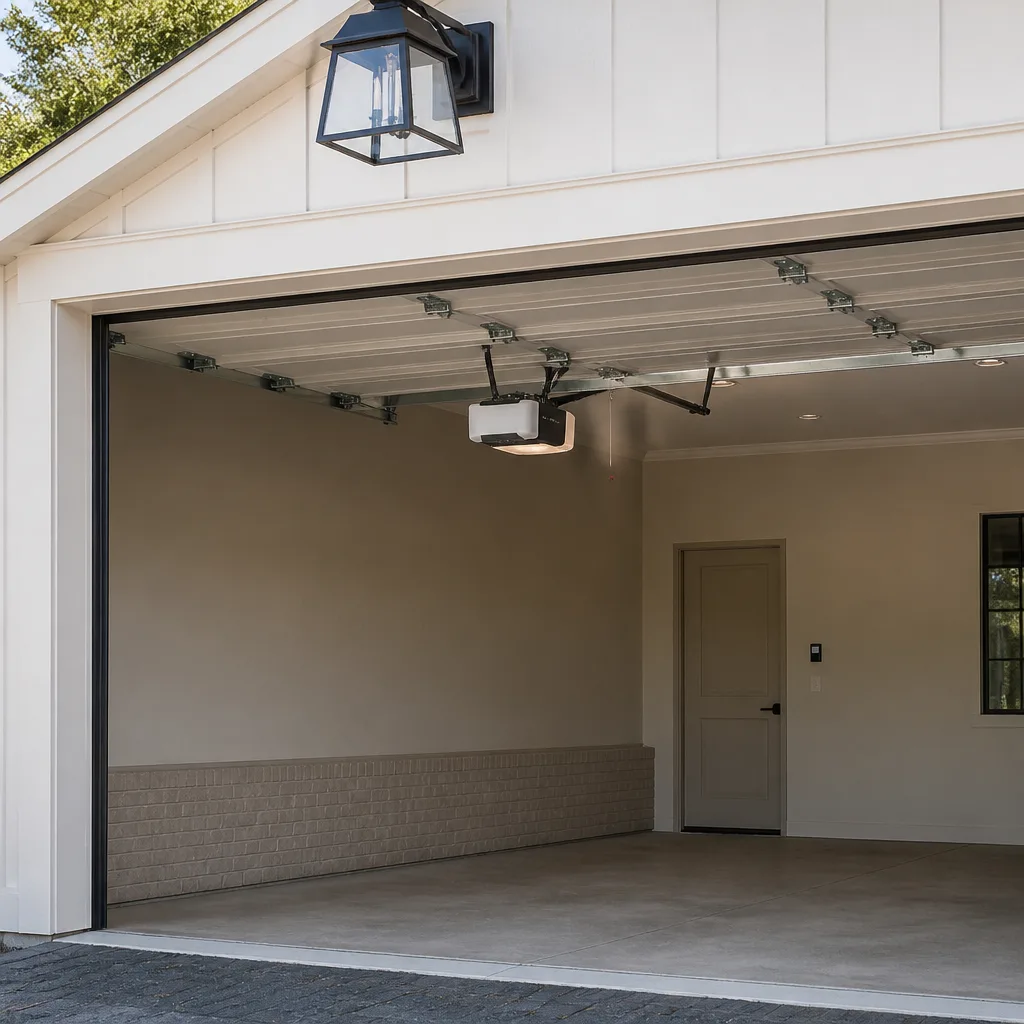 LiftMaster openers
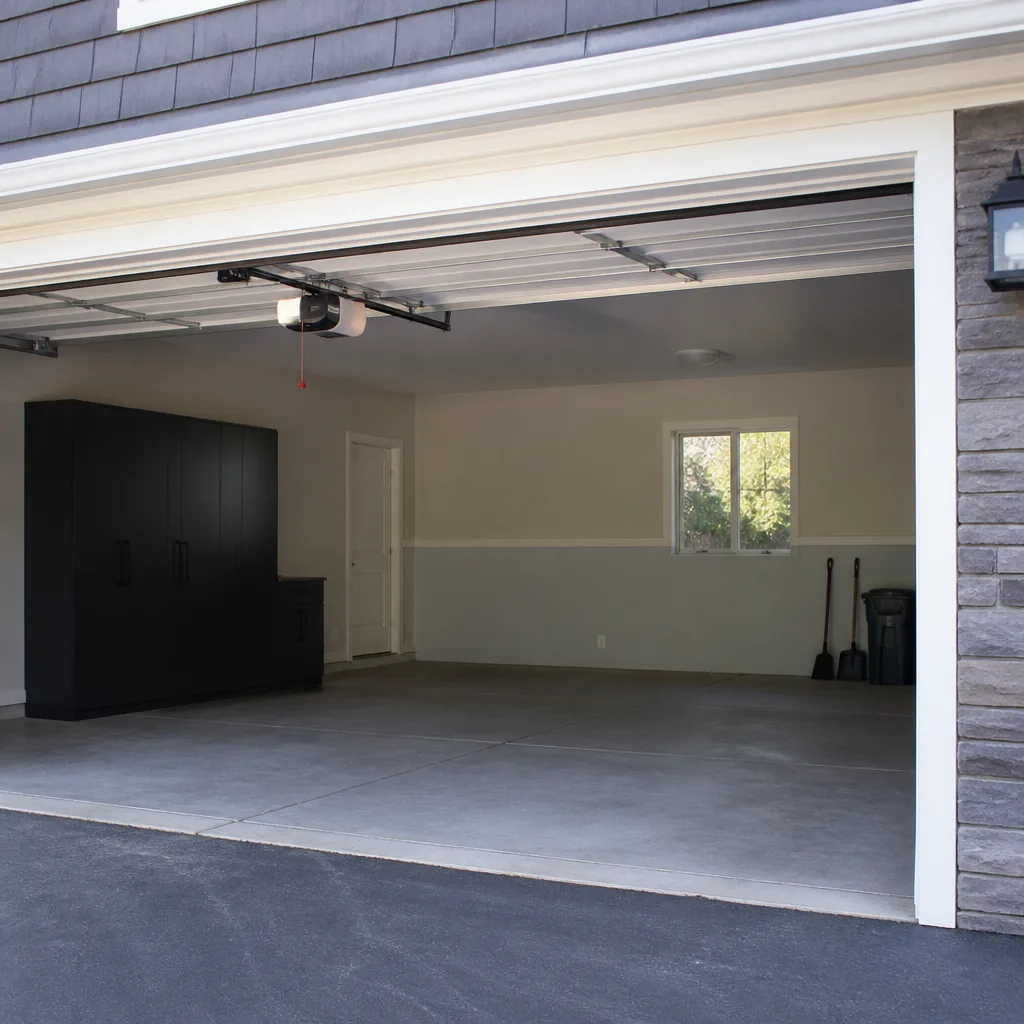 Chamberlain openers
Full 25-point door and opener safety check with every visit - springs, cables, rollers, tracks, and your LiftMaster or Chamberlain opener included
You get a price before we start. It does not change when the pro arrives.
Get your free estimateThe Complete Garage Door Installation Guide for Whitney Homeowners
A garage door that passes a standard installation inspection in a mild-climate state can develop bottom seal failure within 18 months in Whitney. That’s not a knock on the door or the installer. It’s the environment. Whitney sits in a stretch of southern Nevada where summer surface temperatures on a west-facing steel door climb past 150°F, winter nights drop near freezing, and wind carries fine sand into every gap that isn’t sealed against it. National installation guides are written for average conditions. Average conditions don’t exist here. This guide covers what actually changes when you install a garage door in Whitney: material selection, track configuration, seal specification, and the documentation you should walk away with.
Quick Answer
Garage door installation in Whitney requires a steel door with a polyurethane foam core (not polystyrene), a rubber bottom seal rated above 110°F, and correct header clearance measured before the door is ordered – typically 12 inches for standard-lift and 15 inches or more for high-lift track. The installation should close with a written inspection record confirming spring tension, travel limits, and auto-reverse force calibration. Getting the specification right before the door ships is what prevents the return visit.
Styles & brands we work with
- Raised-panel steel
- Carriage house
- Modern flush
- Full-view glass
- LiftMaster openers
- Chamberlain openers
Table of Contents
- Why Whitney’s Climate Changes the Door You Should Buy
- What R-Value Actually Means for an Attached Whitney Garage
- Header Clearance: The Installation Error That Forces a Return Visit
- Bottom Seals and Thresholds for a Desert Environment
- The Pre-Installation Documentation Checklist
- The Installation Process, Step by Step
- What a Proper Post-Installation Inspection Covers
- Choosing Between Brands and Openers
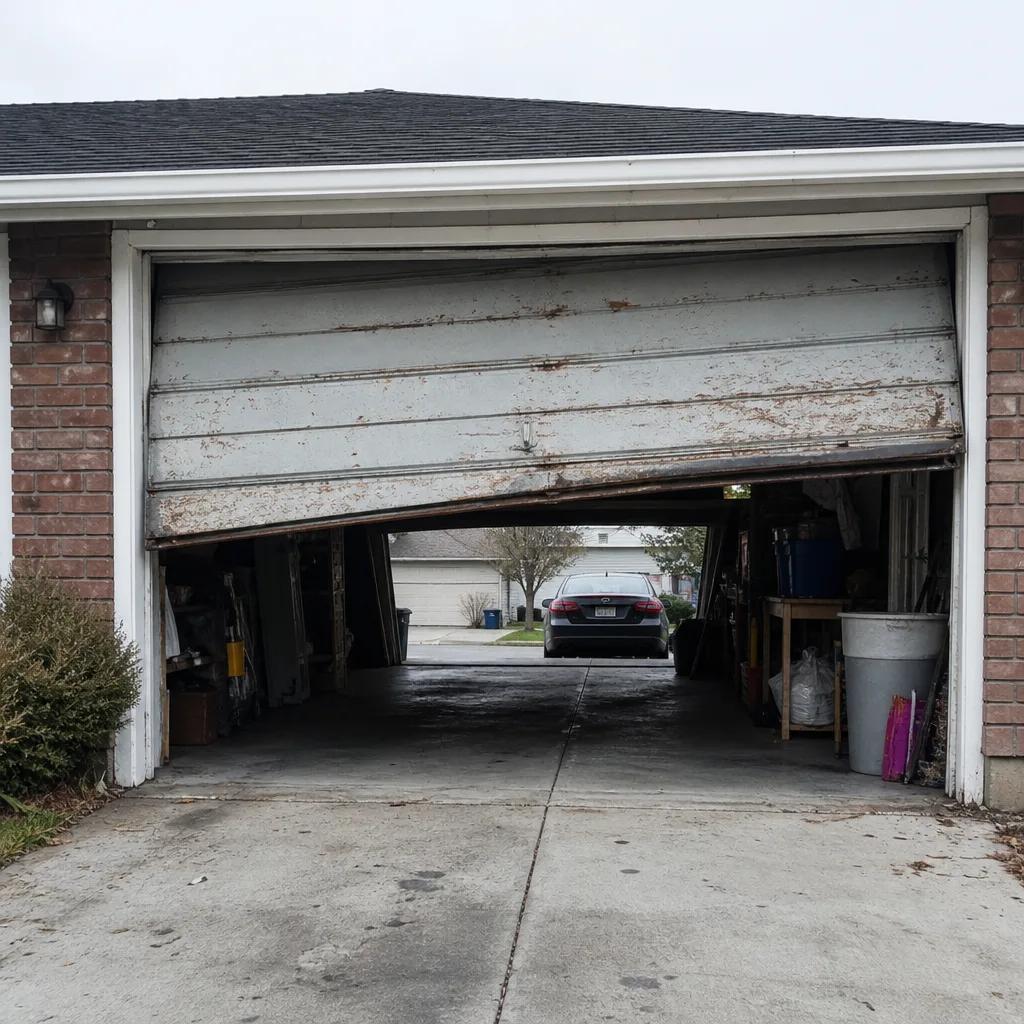 Before
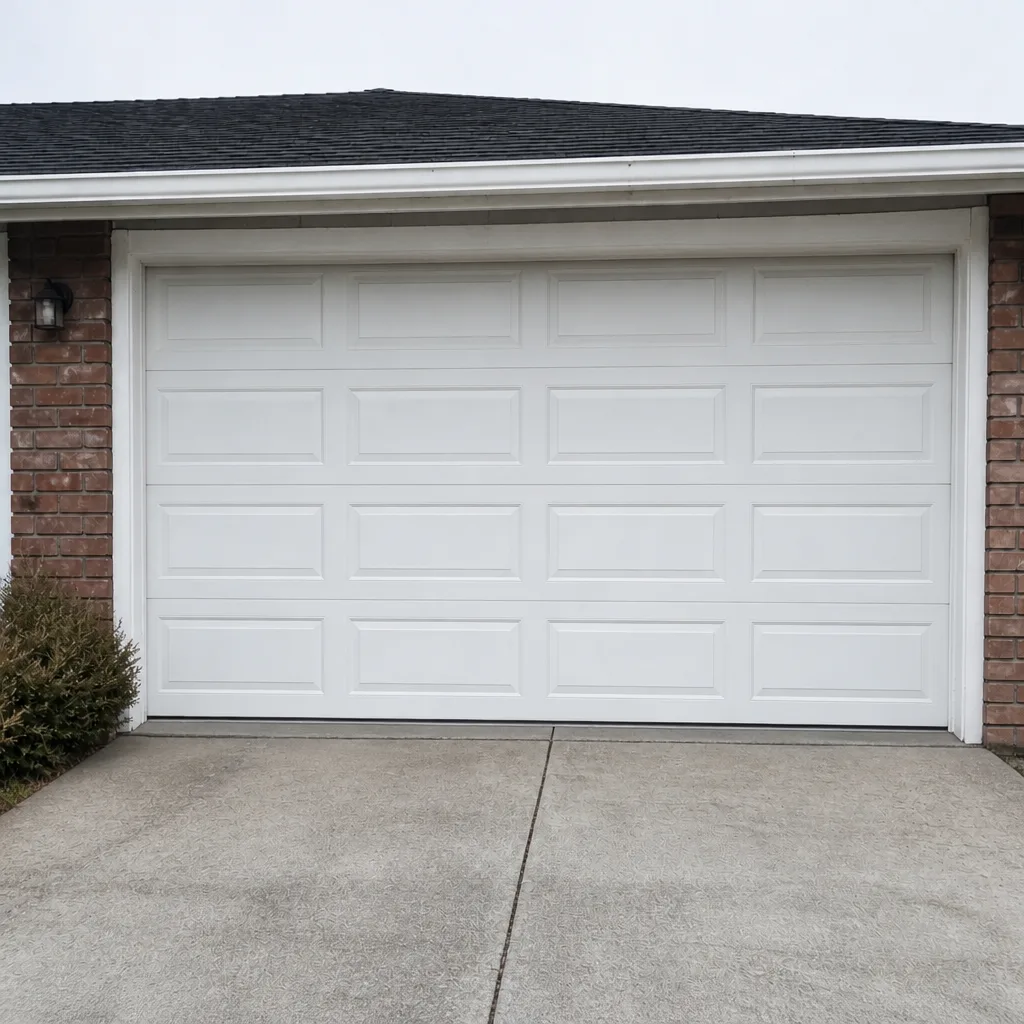 After
Why Whitney’s Climate Changes the Door You Should Buy
The single biggest mistake we see in Whitney garage door purchases is a door specified for national averages. A polystyrene-core steel door that performs fine in Ohio will cycle through roughly 1,500 open-and-close cycles a year here while absorbing sustained heat that breaks down cheaper foam and stresses every seal on the panel. The door doesn’t fail because it’s low quality. It fails because it was never matched to the environment.
The two variables that matter most are the skin material and the core material:
- Steel skins handle UV exposure and temperature cycling better than aluminum (which dents and transfers heat) and far better than wood (which cracks and warps in low humidity). A 24- or 25-gauge steel skin with a baked-on finish is the standard for Whitney.
- Polyurethane foam cores hold their structure under sustained heat. Polystyrene beadboard, the cheaper option, is more prone to sagging and loses insulating performance faster when the door face regularly hits 140°F to 160°F in direct summer sun.
We’ve seen Whitney doors on west-facing walls where the polystyrene core visibly compressed within three summers. The homeowner wasn’t told the difference at purchase. That’s the gap this section exists to close.
If you’re comparing options, our Garage Door Installation in Whitney page breaks down the product lines we install and the price ranges for each.
What R-Value Actually Means for an Attached Whitney Garage
R-value measures resistance to heat flow. Higher is better, but the number is only useful if you understand what the garage is doing. In Whitney, an attached garage shares at least one wall with the conditioned house. In summer, that garage can sit 20 to 30 degrees hotter than outdoor air because the door face radiates heat inward all afternoon. In winter, the reverse: the garage becomes a cold buffer that pulls heat through the shared wall.
Here’s what the R-value actually buys you:
- R-6 to R-9 (typical single-layer steel or basic polystyrene): adequate for a detached garage where temperature control doesn’t matter.
- R-12 to R-18 (polyurethane core, insulated): the practical range for an attached Whitney garage, especially if the garage shares a wall with a bedroom or living space.
- R-18 and above: worth considering only if the garage is conditioned or you’re planning to use it as workspace.
A door with a high R-value but a poor bottom seal is a waste of money in Whitney. Air and sand move through the gap at the floor faster than heat moves through the panel. Seal first, then insulation. That’s the order that matters here.
Header Clearance: The Installation Error That Forces a Return Visit
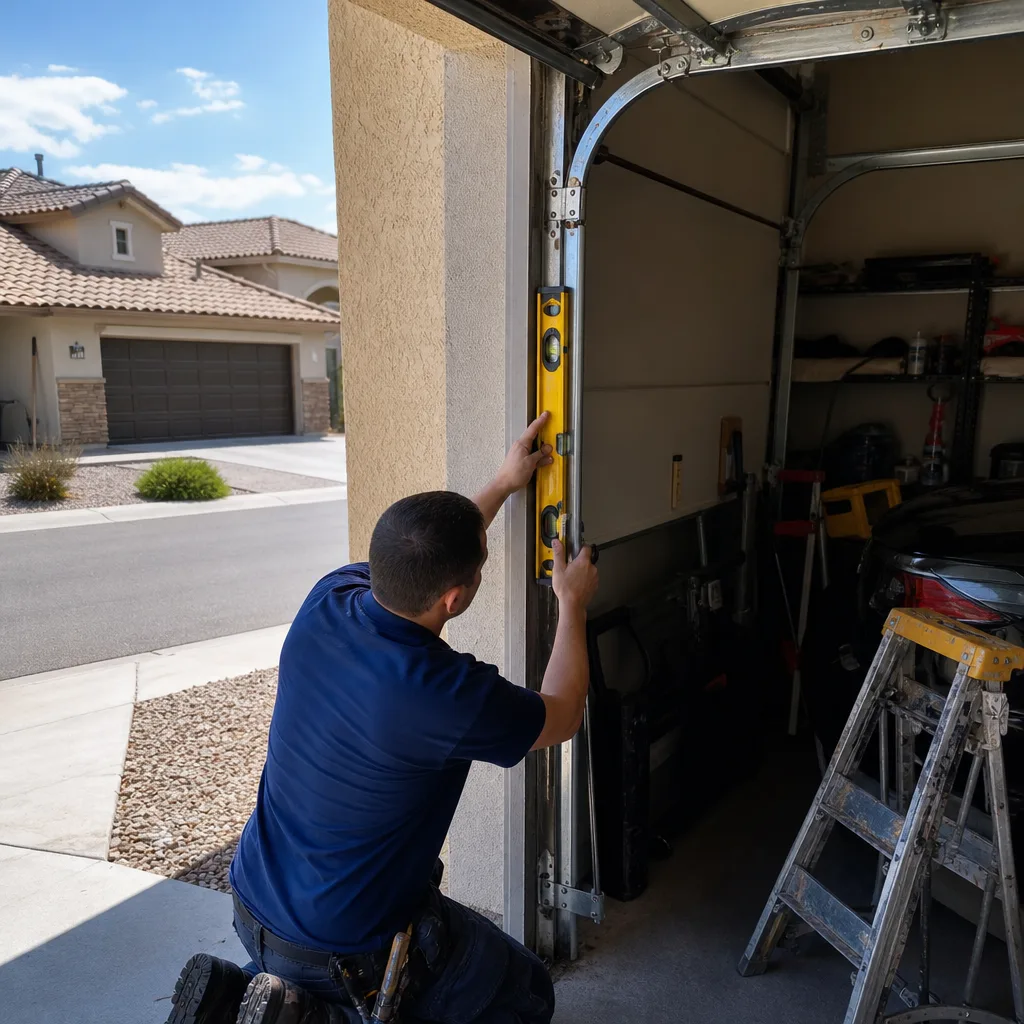
Header clearance is the vertical distance from the top of the garage door opening to the ceiling or the lowest obstruction (a beam, a duct, a light fixture). It determines which track configuration the door can use. Get it wrong and the door either won’t fit, won’t open fully, or forces the installer to cut into the ceiling structure on the day of installation.
The two configurations:
- Standard-lift track: requires about 12 inches of clearance above the opening. The door travels straight up and back along a horizontal track. This is what most Whitney homes are built for.
- High-lift track: requires 15 inches or more and lifts the door higher before it turns back. Used when there’s a beam, a low ceiling, or when the homeowner wants more overhead clearance inside the garage for storage or a lift.
The error we see most often is a door ordered before anyone measured the actual clearance. A contractor quotes a standard door, the door arrives, and the ceiling beam that wasn’t on the drawing blocks the track. Now you’re looking at a return visit, a modified track, or a different door. None of that is the homeowner’s fault, but the homeowner pays for the delay.
Measuring header clearance is a five-minute task that should happen during the estimate, before the order. Our Servo Garage Doors Whitney home page describes how we document the opening before quoting.
Bottom Seals and Thresholds for a Desert Environment
The bottom seal is the most overlooked component in a Whitney installation and the one that fails first. It’s the flexible strip along the bottom panel that meets the floor. In mild climates it lasts years. Here it faces three stressors at once: UV, heat above 110°F, and blowing sand.
Rubber versus vinyl at desert temperatures:
- Rubber (EPDM) seals stay flexible above 110°F and resist UV cracking. They cost more but last two to three times longer in Whitney conditions.
- Vinyl seals harden faster under sustained heat and can crack or take a permanent set against the floor. Cheaper upfront, replaced sooner.
Sand infiltration is the failure mode most homeowners don’t anticipate. Fine desert sand blows under the door and lodges between the seal and the floor. Each time the door closes, the sand grinds against the seal. Over a couple of seasons, the seal wears unevenly and stops making contact. You’ll notice daylight under the door, a draft, or insects getting in. That’s not a door problem. It’s a seal specification problem.
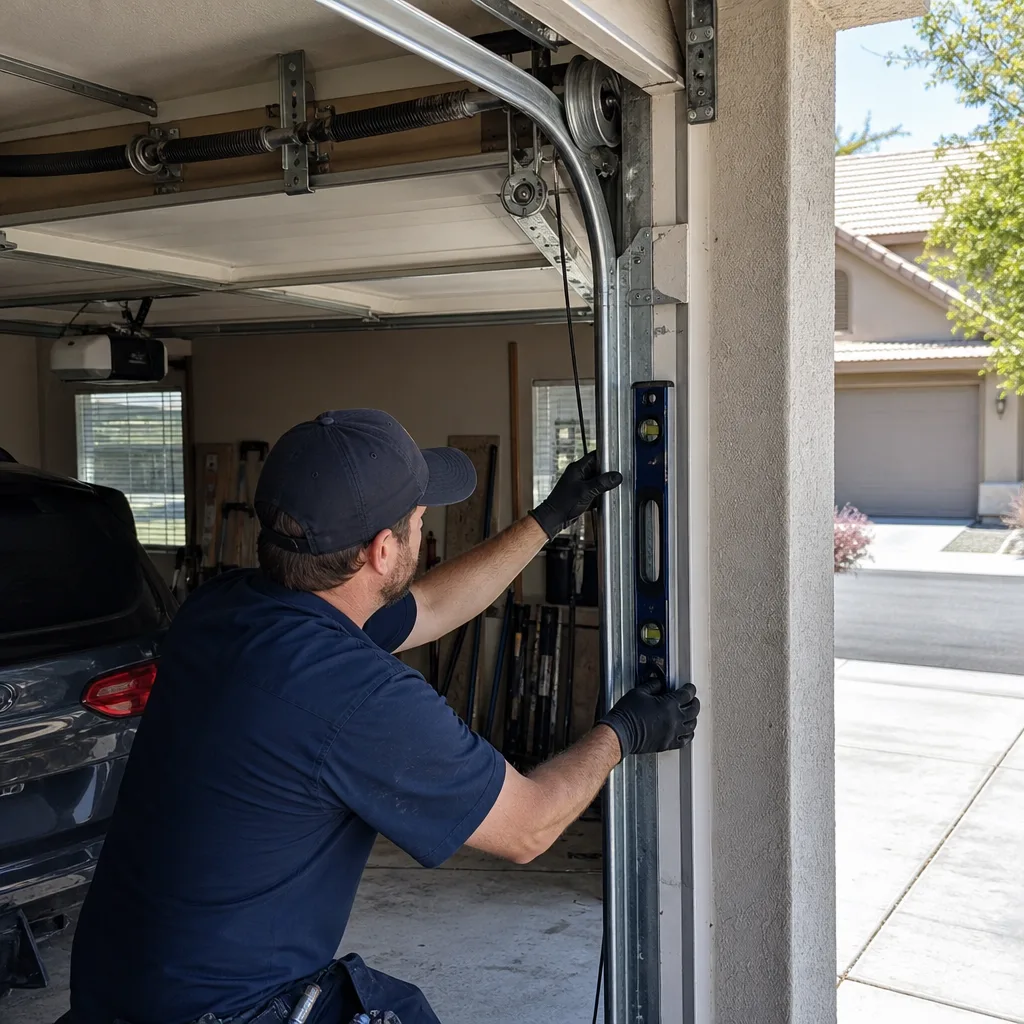
The fix is a rubber seal paired with a properly leveled threshold. If the floor is out of level by more than a quarter inch across the opening, no seal will sit flush. That’s why floor levelness is on the pre-installation checklist.
The Pre-Installation Documentation Checklist
Every installation we do starts with measurements, not a truck. Here’s the checklist we work from before any door is ordered. You can use it to evaluate any installer’s process in Whitney.
- Opening rough dimensions: width and height measured at the opening, not the finished trim. A standard single door is 8 or 9 feet wide; a double is 16 feet. Measure, don’t assume.
- Floor levelness: measured across the opening and front-to-back. More than a quarter inch of variance affects seal selection and may require a threshold.
- Header depth and clearance: the distance from the opening top to the first obstruction, which determines standard-lift versus high-lift track.
- Side clearance and backroom: the distance from the opening sides to walls or obstructions, and the horizontal depth available for the door to travel back. A door needs roughly the door height plus 18 inches of backroom for standard track.
- Electrical rough-in location: where the opener outlet sits, whether it’s ceiling-mounted or wall-mounted, and whether it has power. A missing or badly placed outlet changes the opener specification.
- Existing spring and torsion setup: for a replacement, documented so the new door’s spring is matched to the new door weight. Spring tension is calculated, not guessed.
All six items affect which door and which hardware get ordered. Skip one and you’re guessing. Whitney homes built between 2015 and 2025 vary widely in header height and garage depth depending on the builder, so measuring the specific house matters more than knowing the neighborhood.
A related guide to keep open: our Garage Door Repair in Whitney page covers what happens when a pre-installation step was skipped on a prior job.
The Installation Process, Step by Step
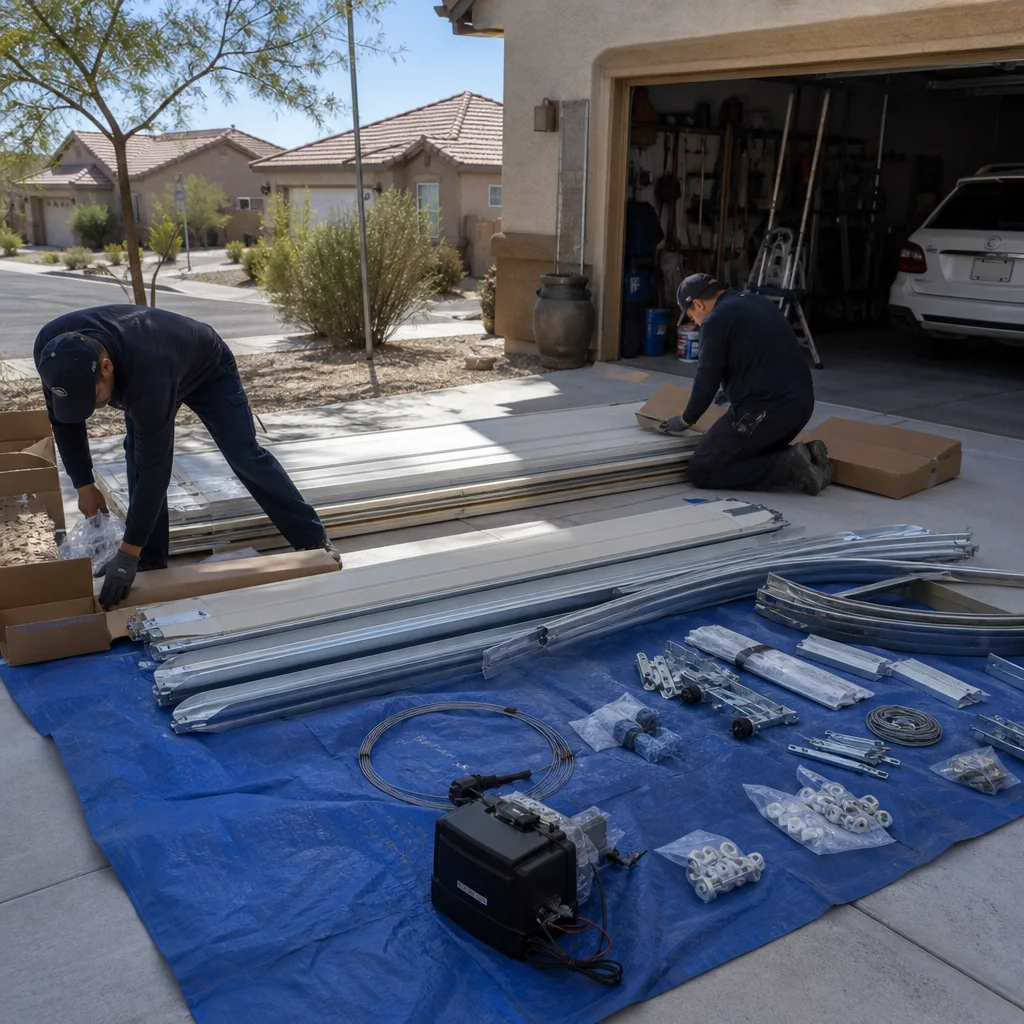
Here is the general sequence for a residential garage door installation in Whitney, from order to completion. Timelines vary by product availability and door type.
- Estimate and measurement: the opening is measured, the six-item checklist is completed, and a written quote with a flat price and written scope is provided before any work is scheduled.
- Product order: the door and hardware are ordered to the measured spec. Lead times depend on brand and size; custom sizes take longer than standard.
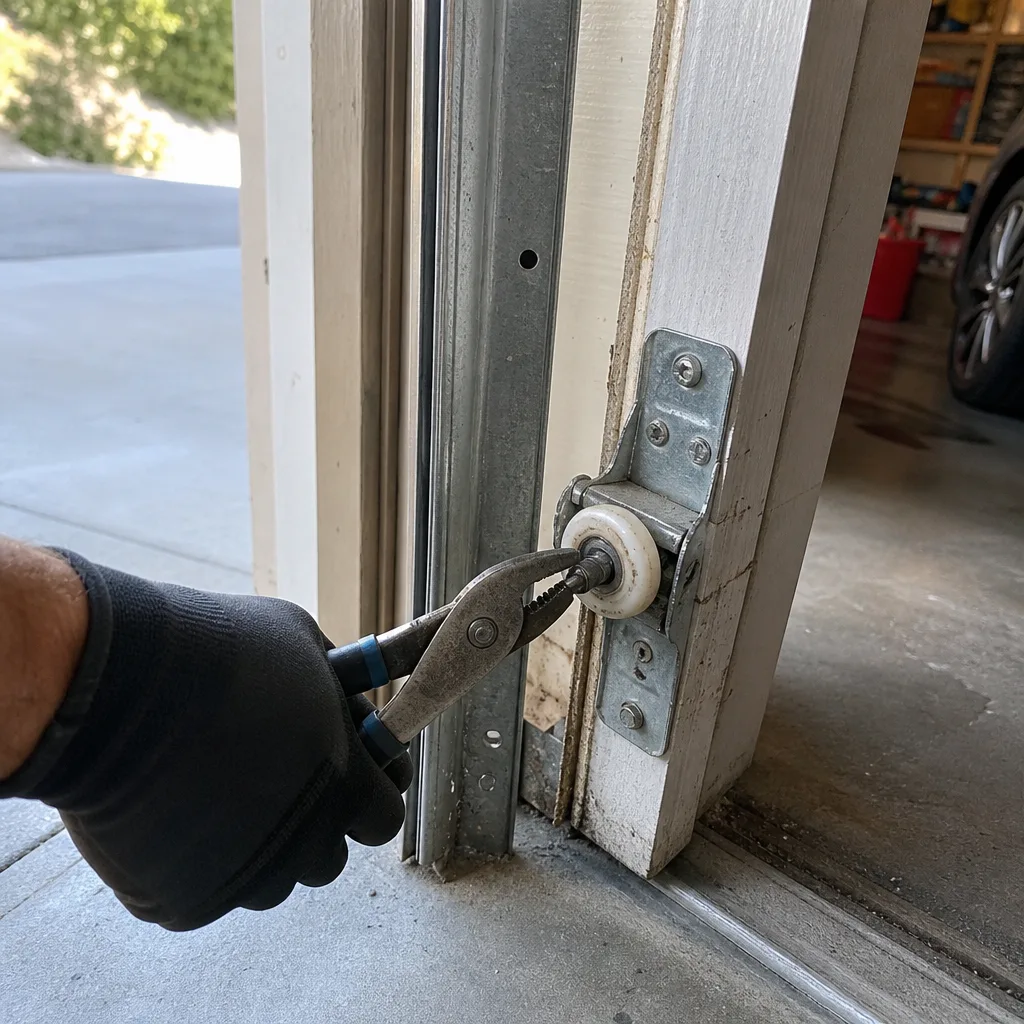
- Removal: the old door and track are removed. Springs are secured first. This is where a trained installer matters; the tension on a wound torsion spring is dangerous and release must be controlled.
- Track and hardware installation: new track is set and leveled, and the vertical and horizontal sections are aligned.
- Door assembly and hanging: sections are assembled, panels aligned, and the door hung on the track.
- Spring installation and tensioning: the torsion spring is mounted and wound to the calculated tension for the door weight. This step determines whether the door balances when lifted halfway.
- Opener installation or reconnection: if an opener is part of the job, it’s mounted, the trolley carriage (the part that connects the opener arm to the door) is set, and travel limits are programmed. Our Garage Door Opener Repair & Installation in Whitney page goes deeper on opener selection.
- Testing and inspection: auto-reverse force, travel limits, balance, and seal contact are all checked. The inspection record is completed.
One safety note on this trade: garage door springs and cables are under high tension and cause serious injury when handled without the right tools and training. The sequence above is for understanding the job, not for doing it yourself. Spring work belongs to a trained technician.
What a Proper Post-Installation Inspection Covers
The inspection is where a good installation is proven. When we finish a job in Whitney, the customer receives a documented photo record and a written inspection confirmation. Here’s what it covers and what you should ask for.
- Spring tension verification: the door should balance when lifted to the halfway point and stay there without drifting. If it won’t, the spring tension is wrong.
- Travel limit settings: the opener must stop the door at the correct open and closed positions, not short of the floor or too far past it.
- Auto-reverse force calibration: the door must reverse when it meets an obstruction. This is the safety system that protects anyone standing under a closing door. It’s tested and recorded, not assumed.
- Seal contact: the bottom seal should meet the floor evenly across the full width with no gap.
- Panel alignment and hardware torque: all fasteners checked, hinges aligned, rollers seated.
Ask any installer for written confirmation of these items. If they can’t produce it, you don’t know what was checked. Our Garage Door Installation in Whitney page outlines the documentation we deliver on every installation.
Choosing Between Brands and Openers
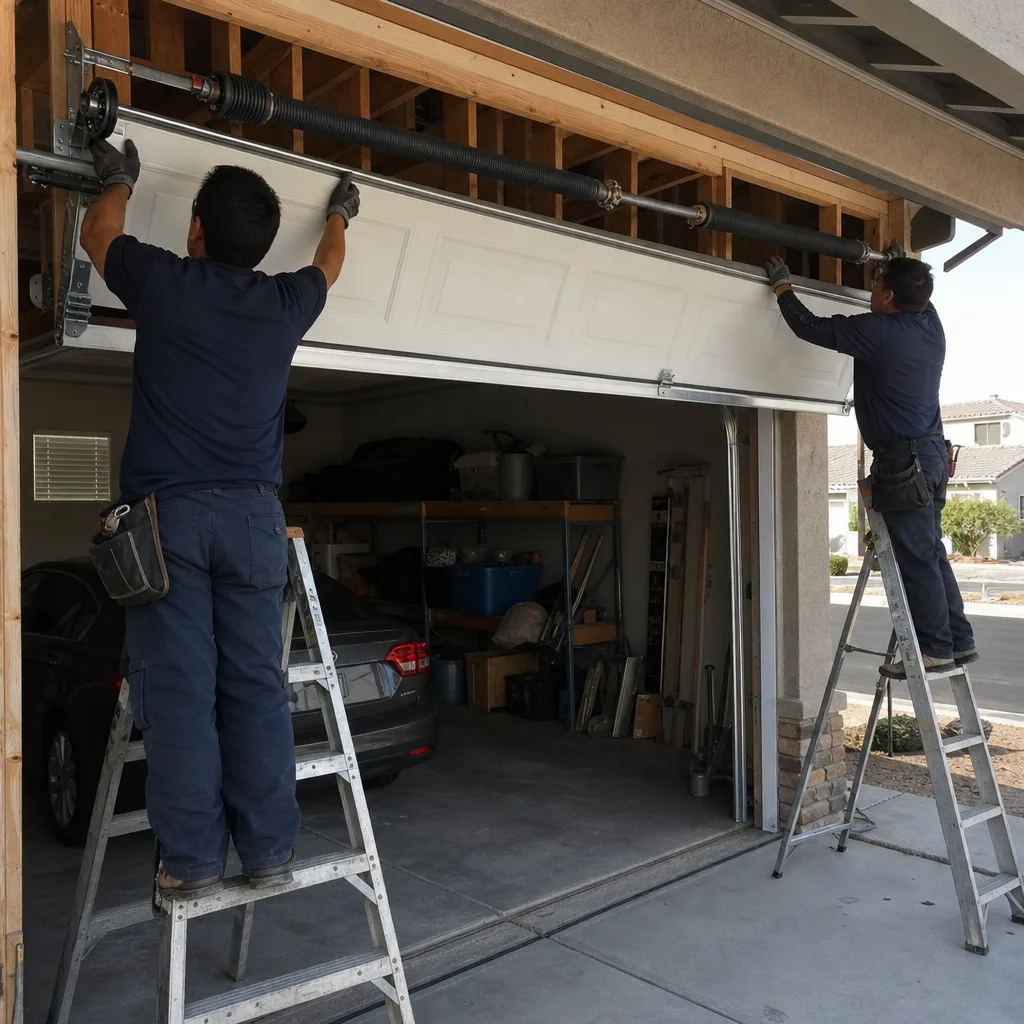
Brand matters less than the spec, but there are a few things worth knowing when you’re selecting a door and opener in Whitney. Clopay and Amarr are the door brands we install most often for the Whitney climate because their steel and insulation specs line up with what the environment demands. LiftMaster and Chamberlain make the openers we specify most for residential work; Craftsman openers are common in existing Whitney homes, and a new door installation often includes a decision about whether to keep the existing unit or replace it.
- Belt-drive openers run quieter than chain-drive, which matters in an attached garage near living space.
- Battery backup is worth specifying in Whitney. Summer monsoon storms and grid outages leave a door stuck without it.
- Smart connectivity (remote open/close via phone) is a common add-on for homeowners who want to confirm the door is closed when they’re away.
All of this gets settled during the pre-installation conversation, not on the truck. That’s the whole point of the checklist.
Common Mistakes to Avoid
- Ordering a polystyrene door for a west-facing Whitney wall. Sustained heat compresses the core within a few summers. Pay for polyurethane and it lasts.
- Skipping the header clearance measurement. A beam that wasn’t on the drawing forces a modified track and a return visit after the door arrives.
- Specifying a vinyl bottom seal in a sand zone. Vinyl hardens above 110°F and sand grinds it down. Rubber EPDM is the right call for Whitney.
- Ignoring floor levelness. A floor out of level by more than a quarter inch means no seal sits flush. Measure before ordering, not after.
- Accepting a verbal quote. A price that isn’t written down with a scope is a price that changes. Get it on paper before work starts.
- Letting the installer leave without an inspection record. Without written confirmation of spring tension and auto-reverse calibration, you don’t know what was checked. The 365-Day Done Right Promise means if it isn’t right, we make it right, but the record is what proves it was right the first time.
See the difference
BeforeAfter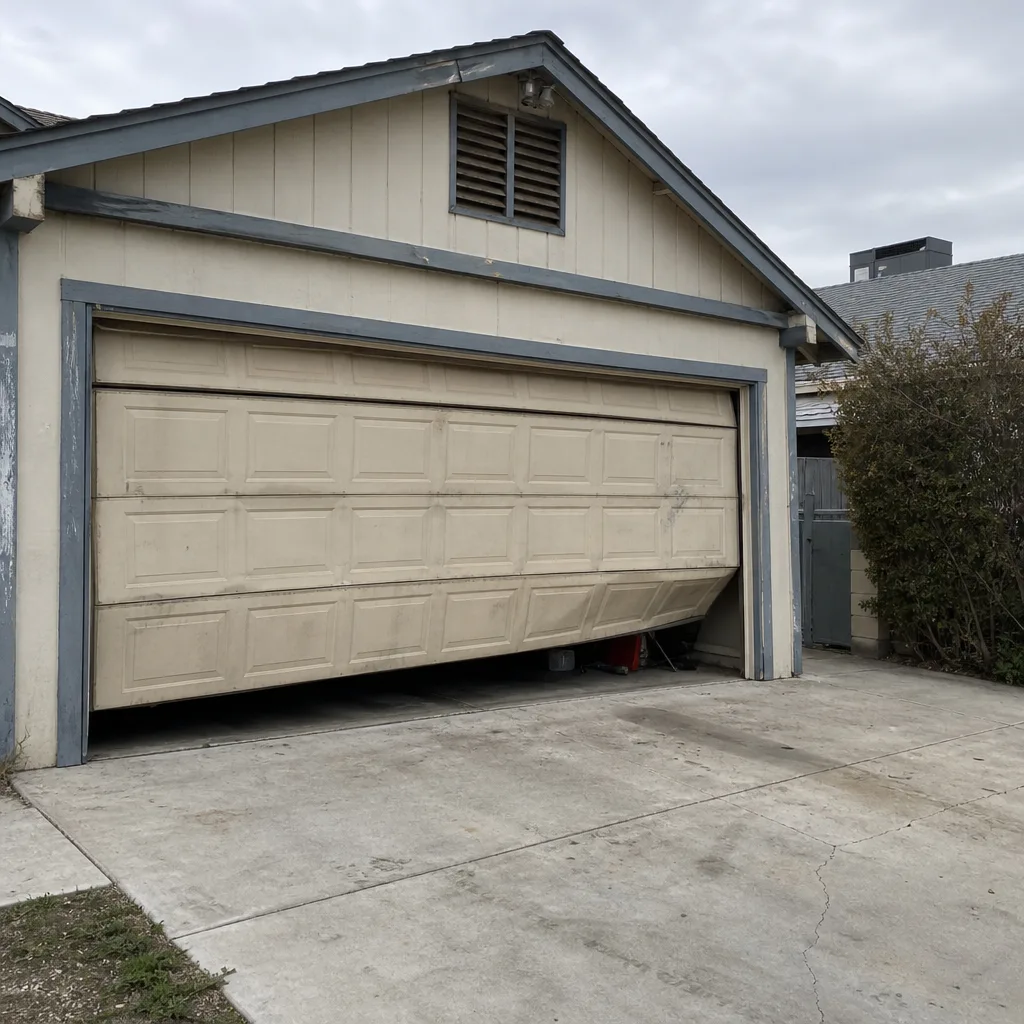 Before
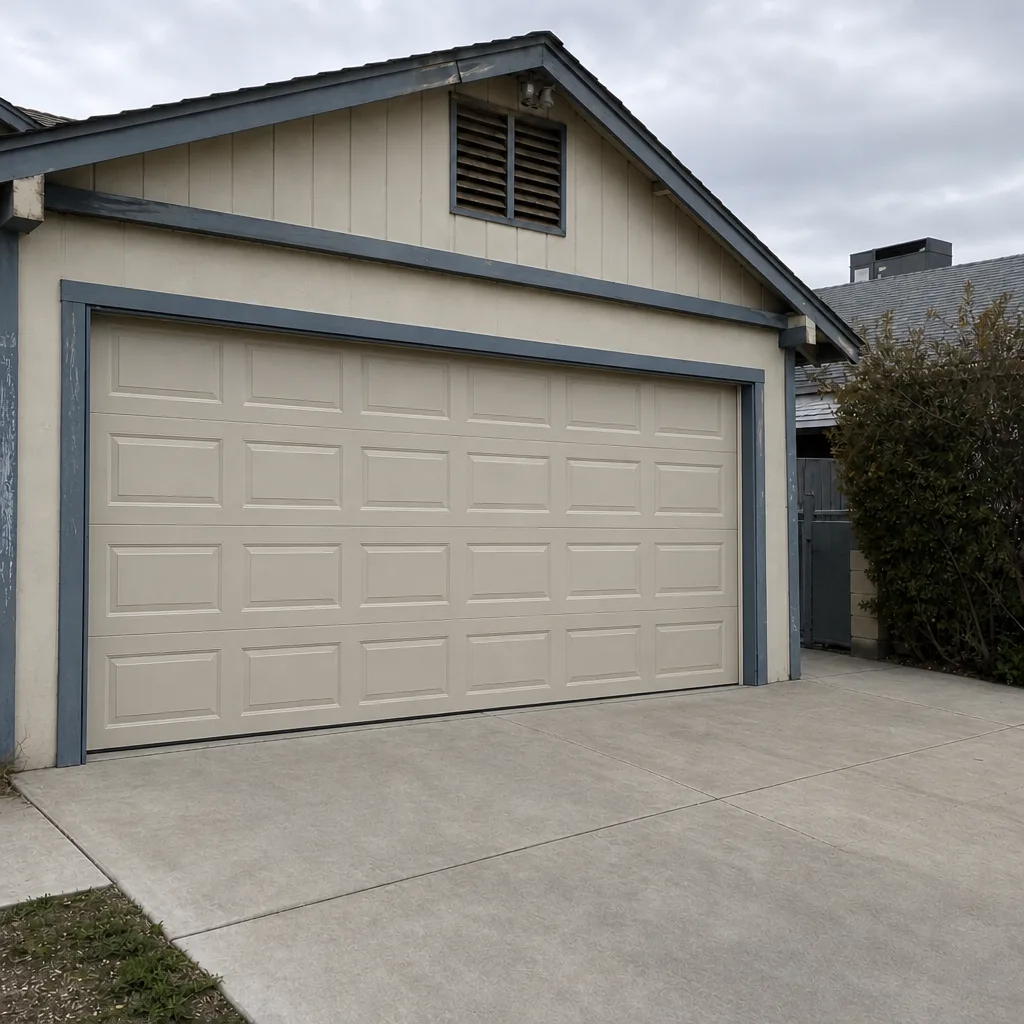 After
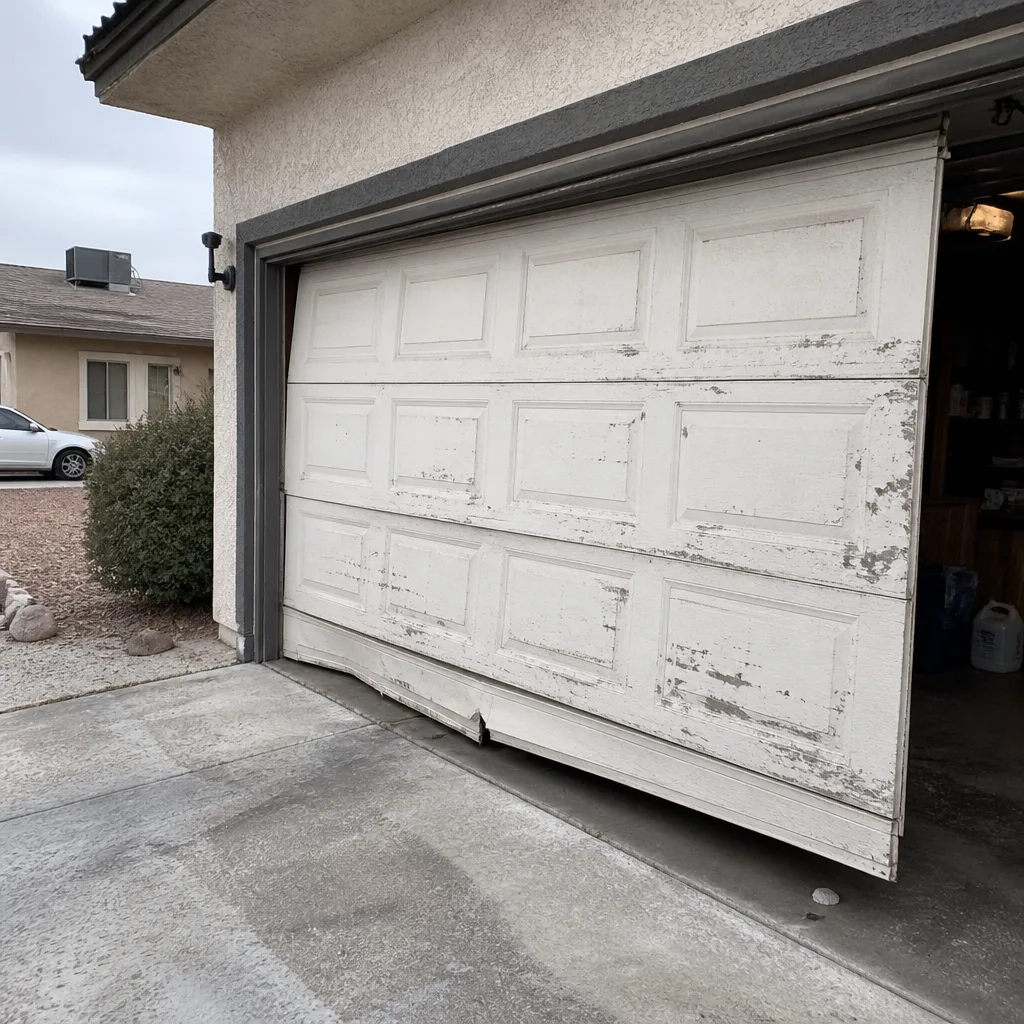 Before
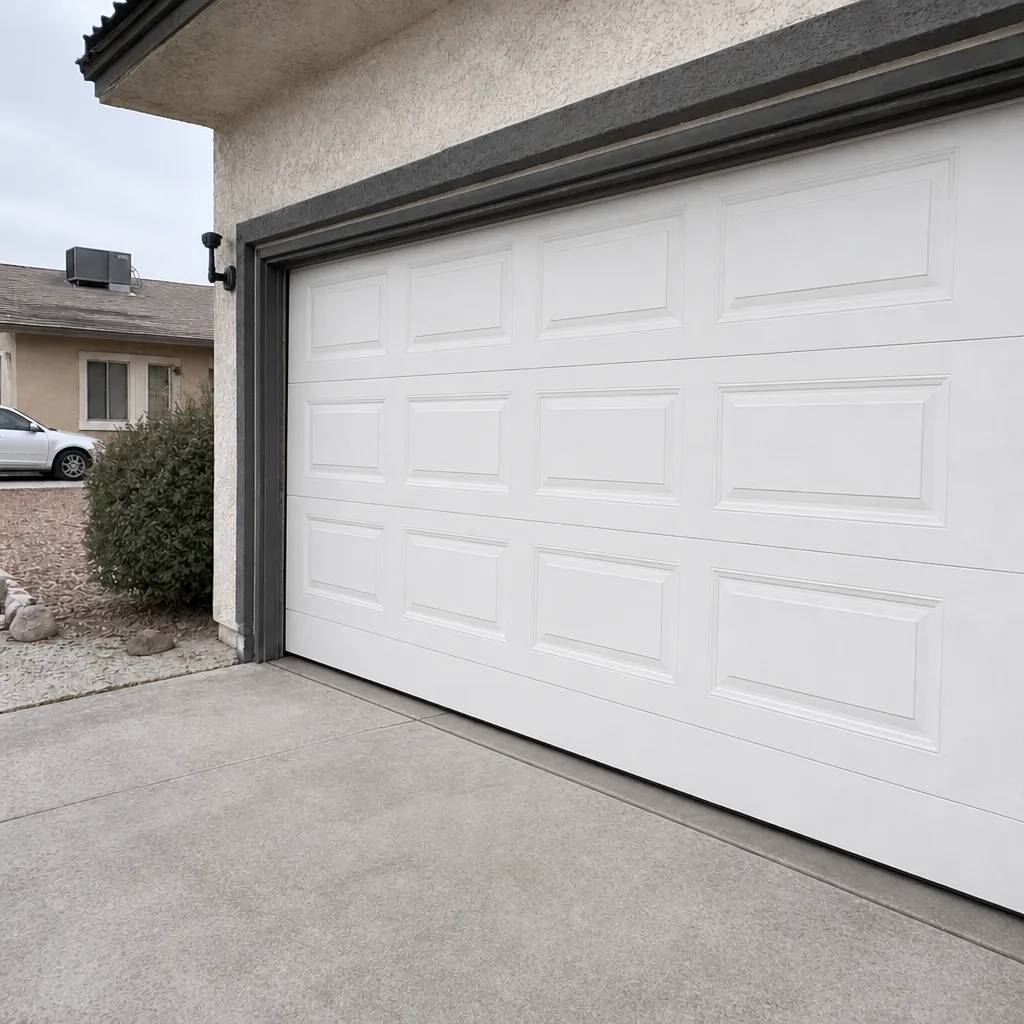 After
When to Call a Professional
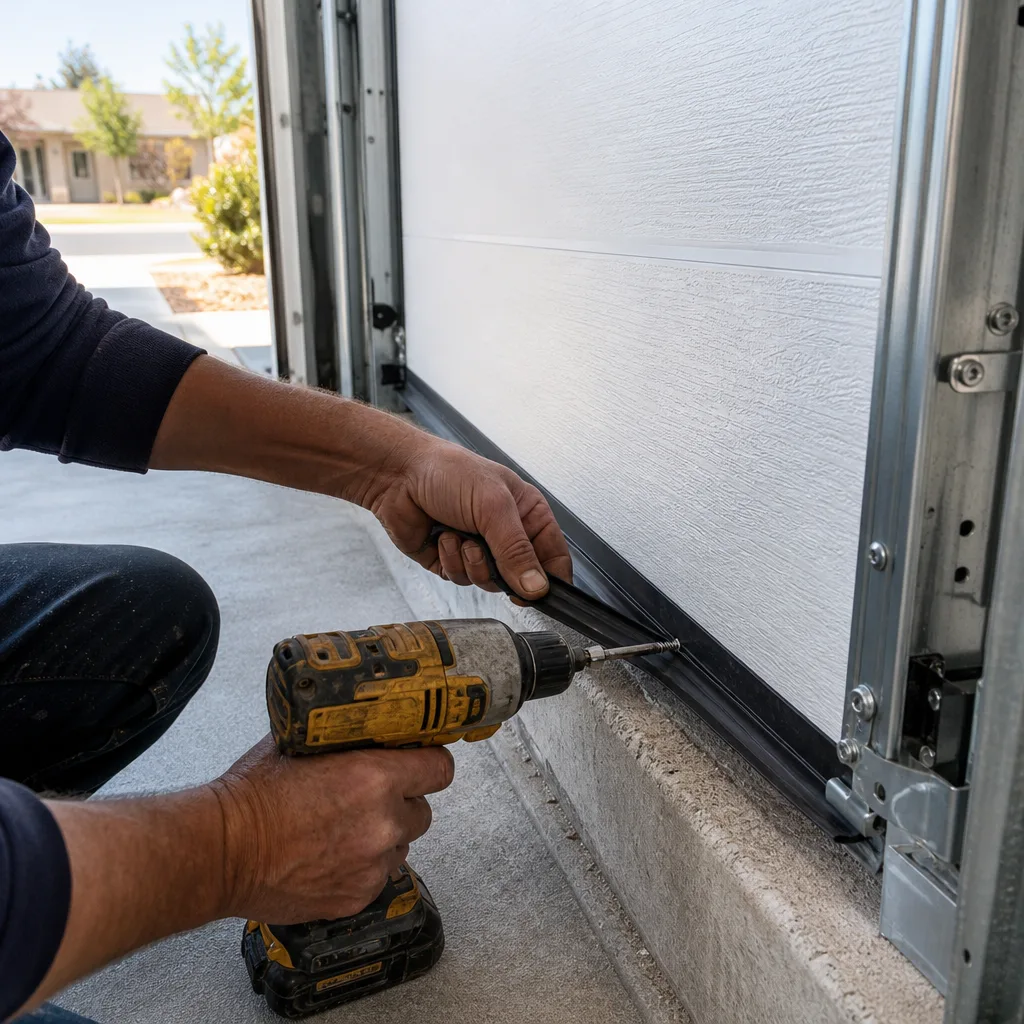
Some garage door tasks are safe to handle yourself: replacing a remote battery, lubricating rollers, wiping down panels. Others are not. Call a professional when the spring is broken (the door won’t lift or drops fast when released), when the opener runs but the door doesn’t move, when the door comes off the track, when the cables are frayed or loose, or when you’re installing a new door and haven’t measured the opening. Spring and cable work is genuinely dangerous and belongs to a trained technician. Servo Garage Doors Whitney offers free estimates in Whitney and provides a flat, written price and written scope before any work starts. Call (888) 402-1096 and you’ll reach a live person, not a recording, any hour of the day or night.
Frequently Asked Questions
Garage door installation in Whitney typically ranges from $900 to $2,500 for a standard single door and $1,500 to $4,000 for a double door, depending on material, insulation, and opener. Custom sizes and high-end steel push the upper end. Call (888) 402-1096 for an exact quote; estimates are free and the price is written before any work starts.
R-12 to R-18 is the practical range for an attached Whitney garage, especially when the garage shares a wall with a bedroom or living area. Single-layer steel and basic polystyrene run R-6 to R-9, which is adequate for a detached garage but weak for an attached one in this climate. A higher R-value only helps if the bottom seal is tight, so seal specification comes first.
No. Installation is measured, ordered, and scheduled, not same-day work. The door has to be spec’d to your opening before it ships, and lead times vary by brand and size. Repair callbacks and emergency calls are handled the same day; new door installation is a planned job. Call (888) 402-1096 and we’ll give you a timeline when we quote.
Bottom seals fail fast in Whitney because heat above 110°F hardens vinyl and blowing sand grinds the seal against the floor each time the door closes. Rubber EPDM seals hold up to both better than vinyl. If you’re seeing daylight under the door or a draft, the seal is the culprit and replacing it with a rubber one is the fix.
Header clearance of 15 inches or more above the opening allows a high-lift track configuration. If you have 12 inches, you’re set up for standard-lift, which is what most Whitney homes use. Measure from the top of the opening to the lowest obstruction, not to the ceiling, and measure it before ordering the door.
You should receive a written inspection record confirming spring tension, travel limits, and auto-reverse force calibration, plus a documented photo record of what was done. That record is what makes the warranty meaningful. If an installer can’t produce written confirmation of these items, ask for it before you sign off.
The Bottom Line
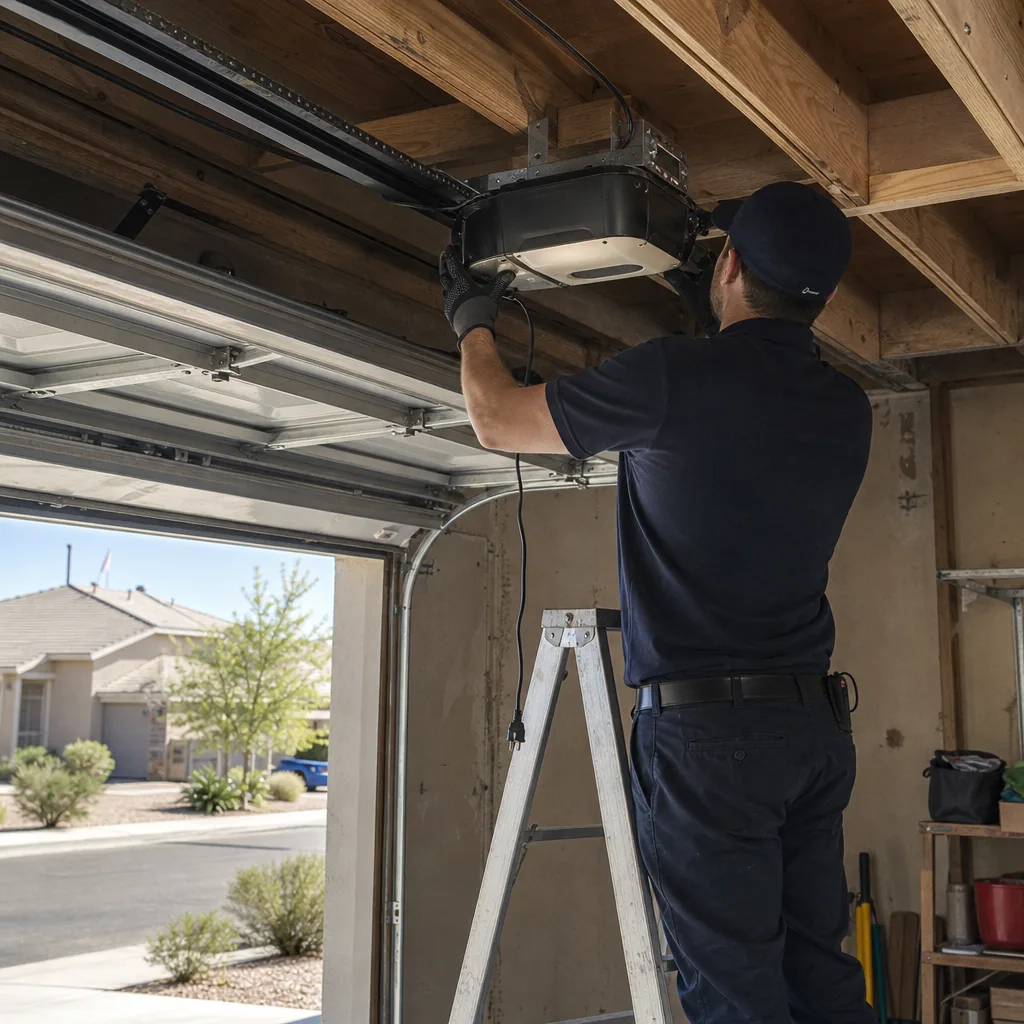
Garage door installation in Whitney is a spec problem before it’s a hardware problem. The door that lasts here has a steel skin, a polyurethane core, a rubber bottom seal, and a track configuration matched to the measured header clearance. The installation that lasts has a written price and scope before work starts, a documented pre-installation checklist, and a written inspection record confirming spring tension and auto-reverse calibration when it’s done. Get those right and the door outlasts the conventional timeline. Get them wrong and you’re replacing seals in two years. The evidence lives in the paperwork. Read it before you sign.
Ready for a written quote? Call Servo Garage Doors Whitney at (888) 402-1096 for a free estimate and a documented plan for your installation.
Written by the team at Servo Garage Doors Whitney.