
Last updated November 18, 2026
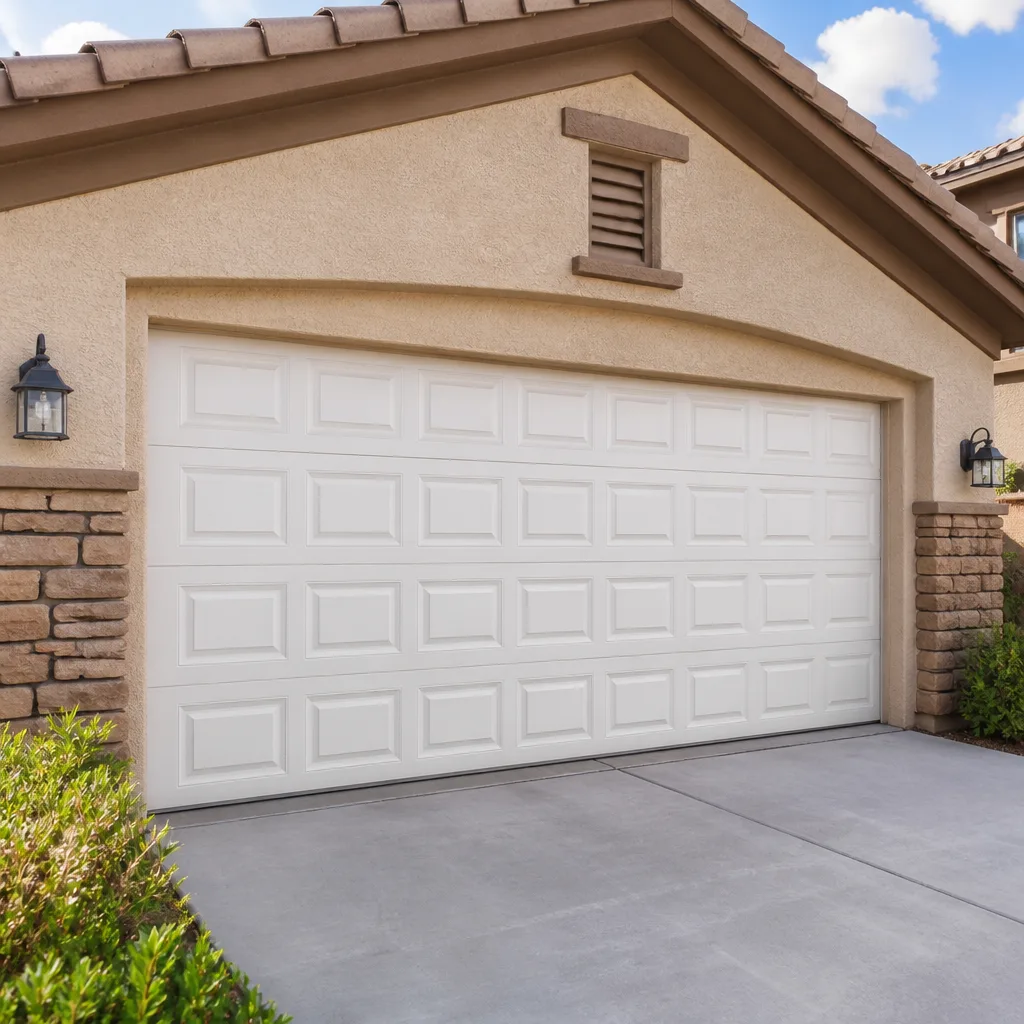 Raised-panel steel
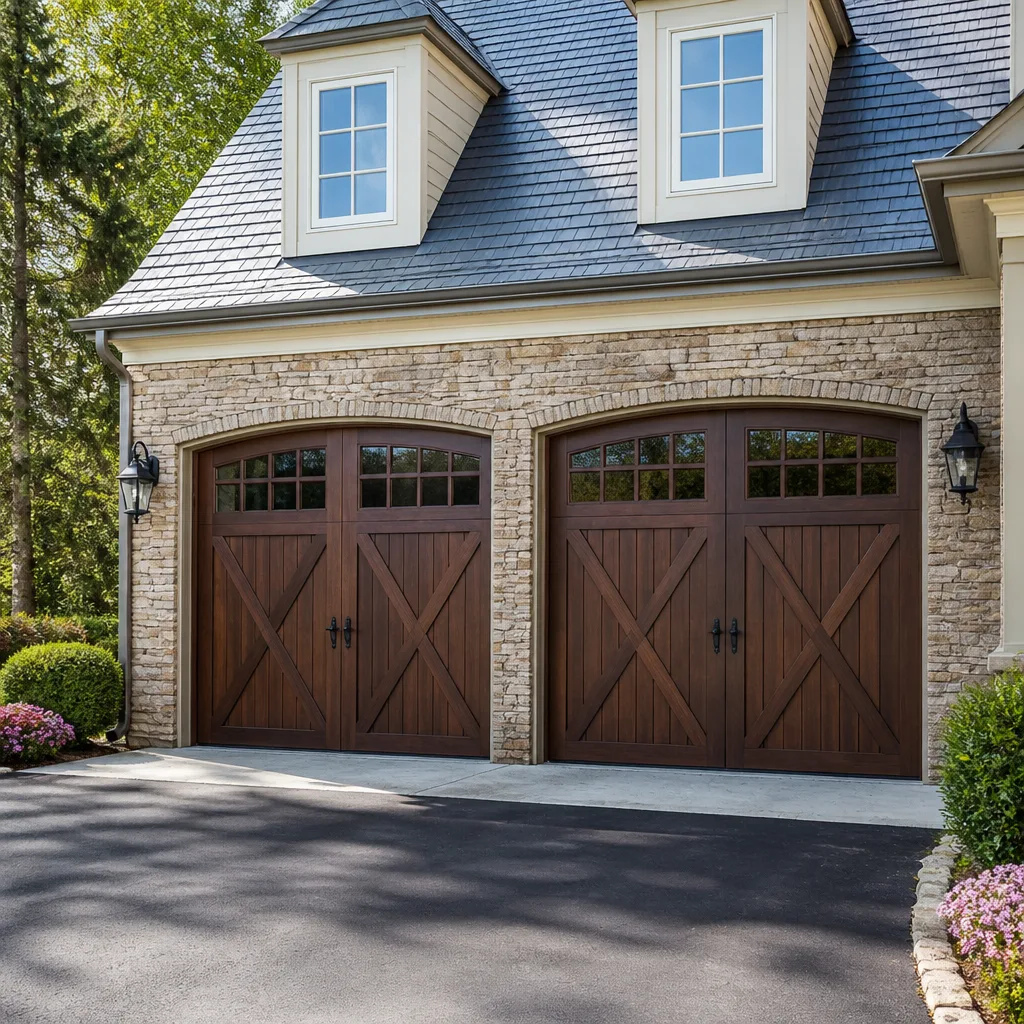 Carriage house
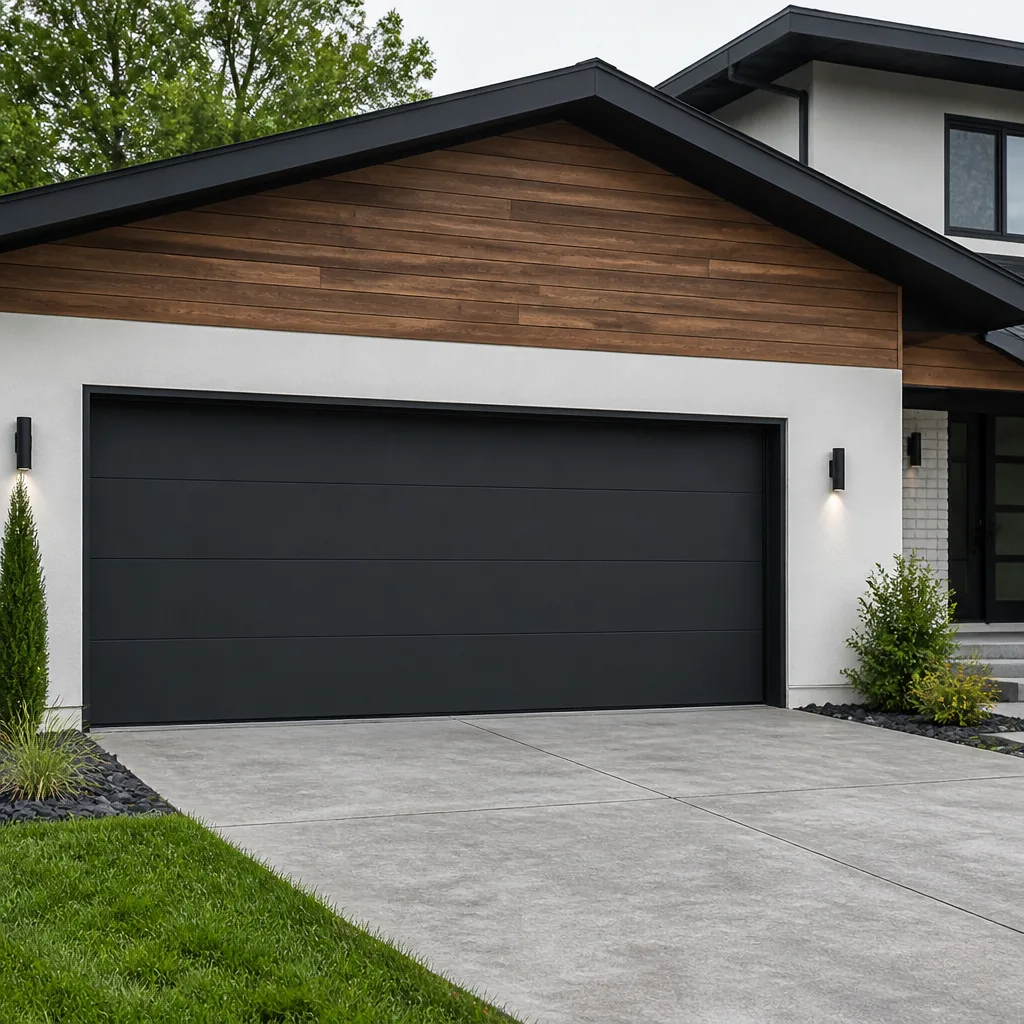 Modern flush
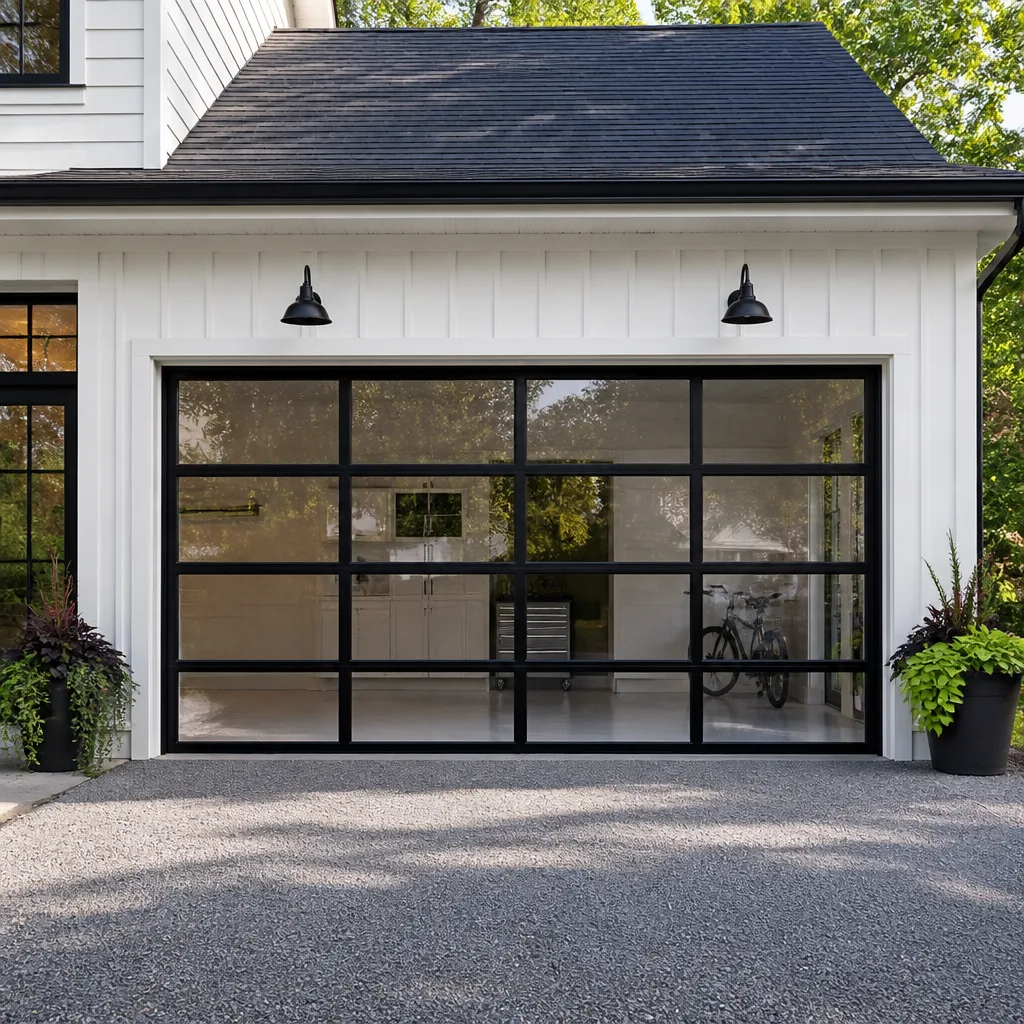 Full-view glass
 LiftMaster openers
 Chamberlain openers
Full 25-point door and opener safety check with every visit - springs, cables, rollers, tracks, and your LiftMaster or Chamberlain opener included
You get a price before we start. It does not change when the pro arrives.
Get your free estimateChoosing the Right Garage Door Brand: A Buyer’s Guide for Whitney
The brand name on your garage door doesn’t determine how long it lasts. The gauge of the steel, the UV inhibitor rating on the paint system, and whether a dealer stocks replacement parts locally do. In Whitney, two of those three variables are climate-specific, and most brand guides ignore that entirely because they’re written for a national audience that never sees 110-degree summers or an HOA palette committee. This guide ranks garage door brands by what actually matters in Whitney: fade warranties that survive high sun, steel gauge availability in HOA-compliant finishes, Clark County parts stock, and which dealers photograph the failed component before quoting a replacement. You’ll finish knowing how to compare Clopay, Amarr, Wayne Dalton, and Craftsman on facts instead of logo recognition.
Quick Answer
For a Whitney home, the best garage door brand is the one whose product line offers 24-gauge steel (or better), a published fade warranty that holds up under southern Nevada UV, and a local dealer who stocks or can quickly source replacement parts in the Clark County market. Brand name matters far less than those three variables. Clopay and Amarr both publish finish warranty terms that cover fade in high-sun climates on their premium lines; Wayne Dalton and Craftsman offer solid value but often come with shorter cosmetic coverage and longer parts lead times in this market.
Styles & brands we work with
- Raised-panel steel
- Carriage house
- Modern flush
- Full-view glass
- LiftMaster openers
- Chamberlain openers
Table of Contents
- Why Whitney’s Climate Changes How You Should Rank Brands
- Steel Gauge by Brand and Product Line
- UV and Heat Resistance: Which Brands Publish Real Fade Warranties
- Parts Availability in the Clark County Market
- Insulation Core Comparison for Whitney Heat Load
- Matching Brand Finishes to Clark County HOA Palettes
- Which Brands’ Dealers Photograph Before Quoting
- How to Compare Brands in Seven Steps
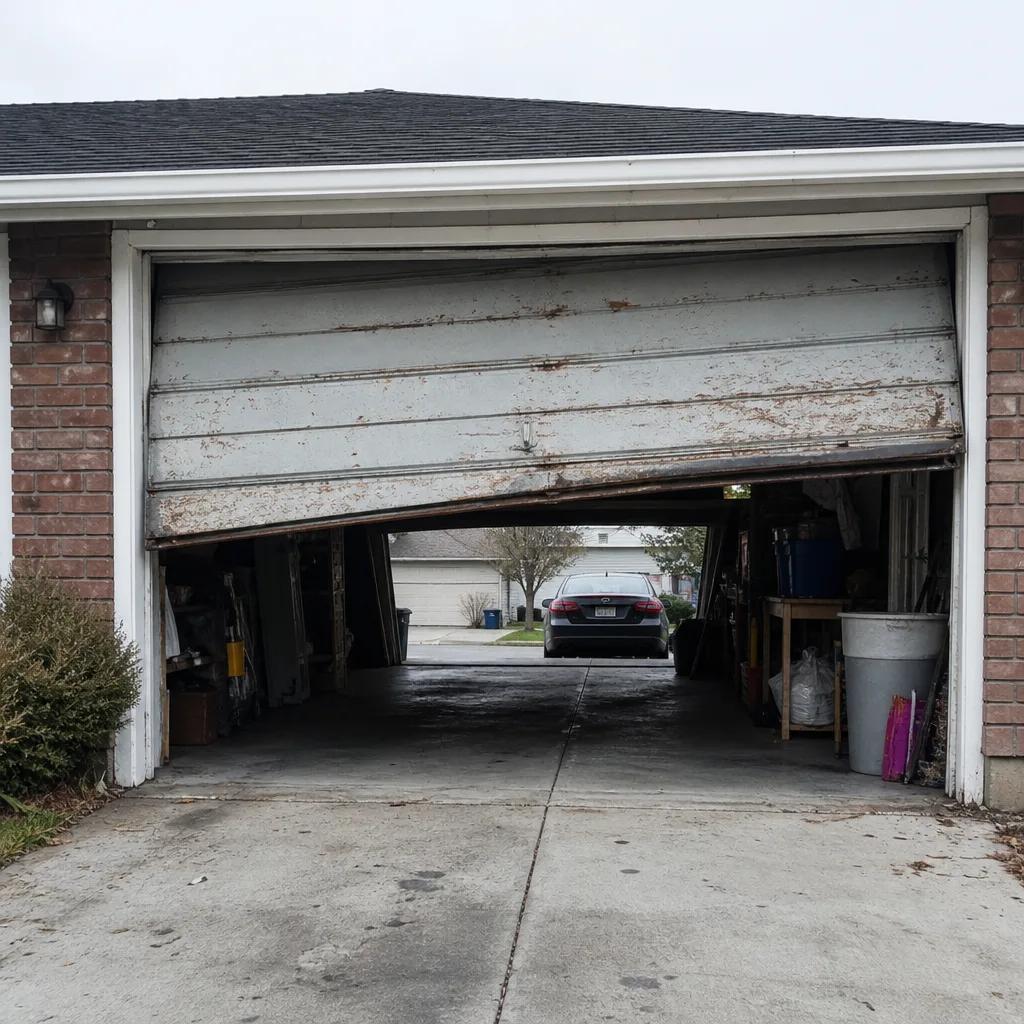 Before
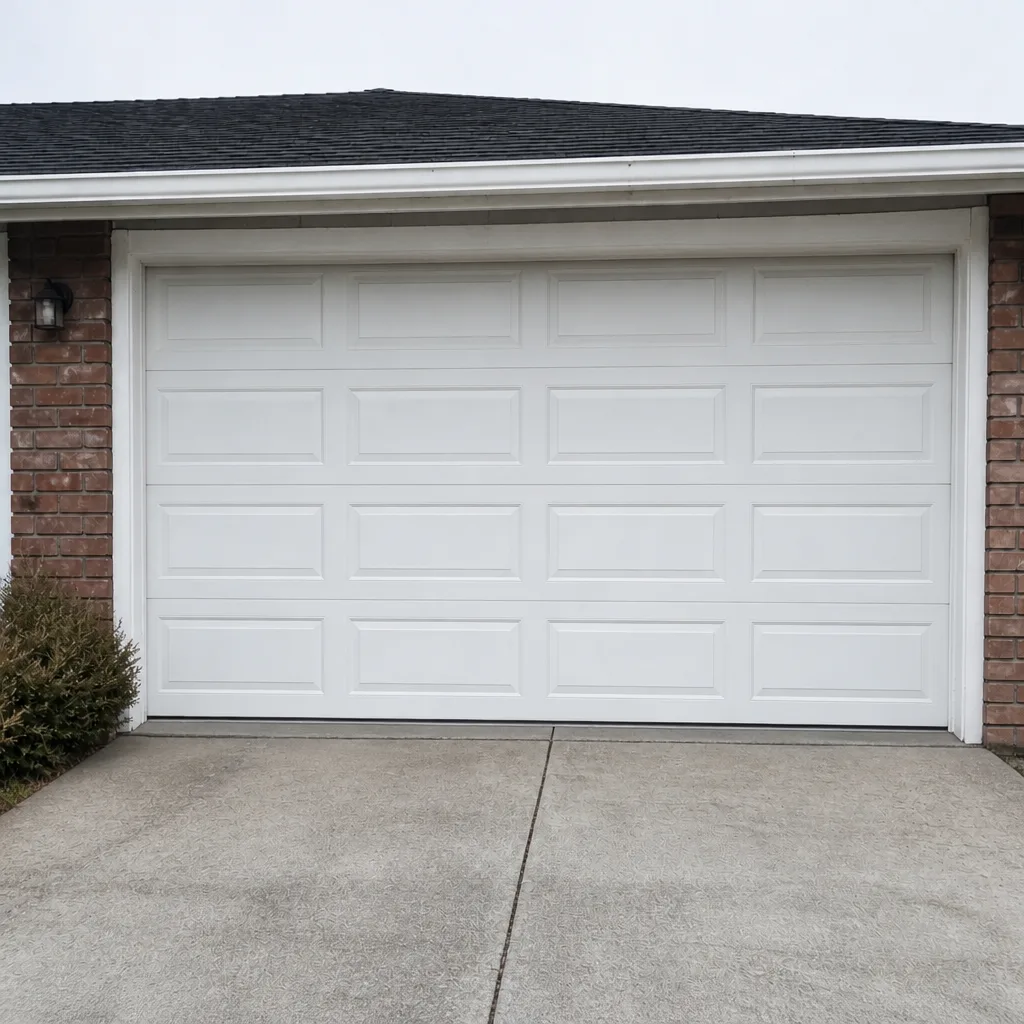 After
Why Whitney’s Climate Changes How You Should Rank Brands
Whitney sits in a band of the Las Vegas Valley that gets full southwest sun exposure and summer highs that regularly hold above 105 degrees for weeks. That matters because a garage door is a large, thin, painted steel panel with no shade on the south and west faces. When the paint system fails, the steel underneath starts to oxidize, and once oxidation starts at a panel seam the door’s structural life drops fast. In our experience, the doors that fail early in Whitney fail at the finish first and the hardware second.
The second climate variable is heat load. An attached garage on a southwest-facing wall in Whitney can run 20 to 30 degrees hotter than the outside air because the door radiates heat into the enclosed box. If that garage shares a wall with living space, a poorly insulated door becomes a de facto air leak. That pushes insulation core choice ahead of brand prestige in the ranking.
Third, the valley’s dust and grit wears the rollers and hinges faster than in wetter climates, which means replacement parts availability stops being an abstract concern and becomes a repair-timeline concern. A torsion spring or a hinge set that takes two weeks to arrive extends a repair window that should have closed in a day.
Rank brands in this order for Whitney: warranty terms first, steel gauge second, insulation core third, local parts stock fourth, and price tier last. A brand that wins on logo recognition but loses on all four of the others is the wrong door for this valley.
Steel Gauge by Brand and Product Line
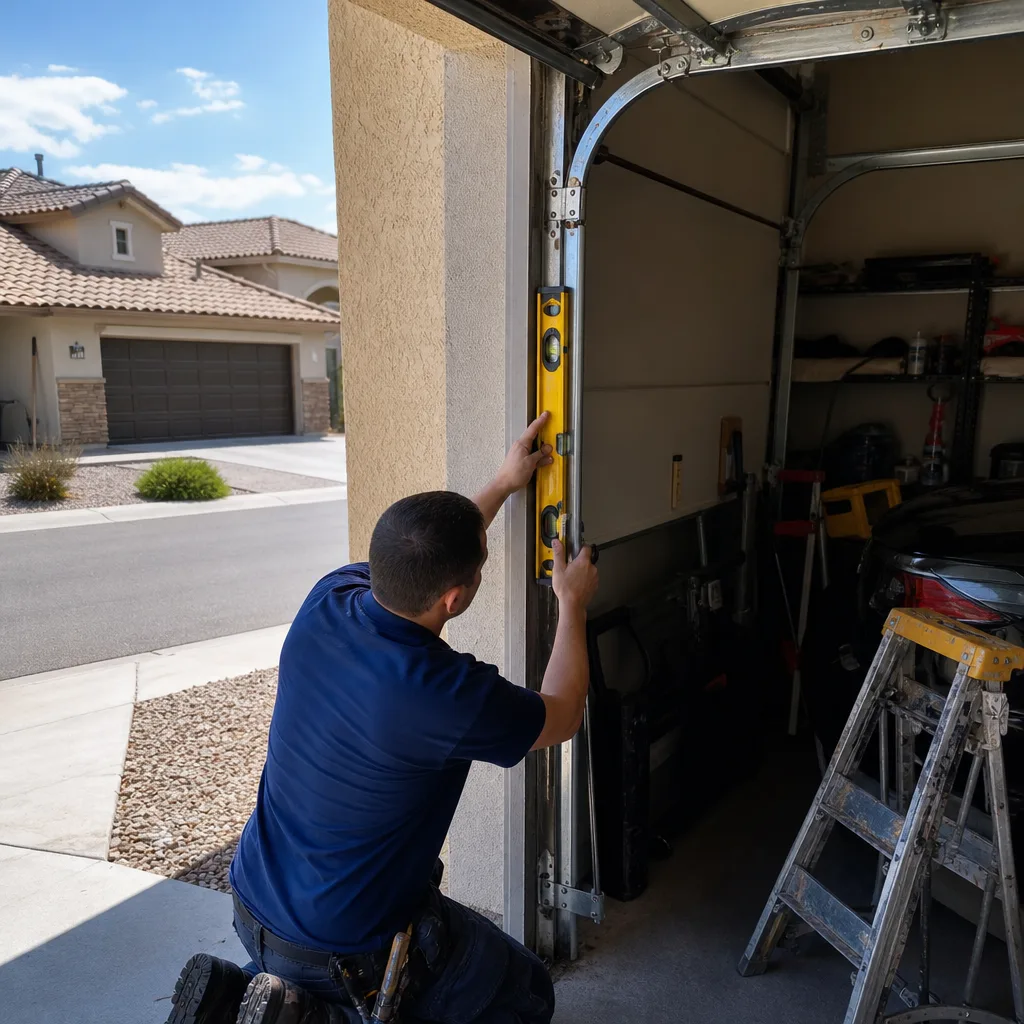
Steel gauge is measured backward: a lower number means thicker steel. A 24-gauge door is thicker and more dent-resistant than a 25-gauge door, but it also weighs more and may need a heavier spring set. That difference matters in Whitney because daytime heat softens the steel’s resistance to oil-canning, the shallow dents that develop from a warm panel pushing in and popping out. Our technicians have up to 11 years of experience and will tell you they see more oil-canning on 25-gauge doors in Whitney than on thicker panels, because the sun loads the face and the thinner steel flexes under it.
How the brands and their lines typically break down:
- Clopay – its entry-level lines run 25-gauge; its premium and insulated lines move to 24-gauge and thicker steel. Ask for the product line and the gauge spec in writing before you order.
- Amarr – most of its mid-tier residential lines run 24-gauge; its premium lines go thicker still. Its spec sheets list gauge per line, which makes comparison straightforward.
- Wayne Dalton – value lines tend toward 25-gauge; its higher lines improve the gauge and add heavier hardware.
- Craftsman – sold through retail channels, so the gauge spec depends entirely on which line you buy; check the product sheet rather than assuming.
Thermal performance and gauge interact. A 24-gauge door holds its shape better against heat-cycle movement and accepts a tighter-sealing insulation core. A 25-gauge door can be perfectly serviceable, but in a southwest-facing Whitney application it’s the cheaper door for a reason, and you’ll feel it in the garage heat load and see it in dent resistance.
Pop quiz we use with customers: ask yourself what happens to a 25-gauge door at 112 degrees after five years of full sun. If the answer is “the panel starts to flex,” you understand why gauge comes before logo.
UV and Heat Resistance: Which Brands Publish Real Fade Warranties
This is where most brand comparisons fall apart, because “fade warranty” means different things to different manufacturers. Some brands publish finish warranties that explicitly cover color fade under high-sun conditions on their premium lines. Others offer only cosmetic coverage exclusions, which is manufacturer language for “the finish is warranted unless the sun did it.” Since the sun does it in Whitney, that distinction is the whole ballgame.
What to look for in the warranty text:
- Whether “fade” is named as a covered defect or only as an exclusion.
- Whether the warranty is prorated and by how much per year.
- Whether the coverage differs by finish type: a factory-applied baked-on finish usually carries longer coverage than a field-painted or vinyl-back-painted option.
- Whether the warranty transfers to a new homeowner. This matters for resale in Whitney’s housing market.
- Whether high-sun or high-UV environments are carved out. If the language carves out “extreme exposures,” ask the dealer to point to that clause before you sign.
Clopay and Amarr tend to publish the clearest fade coverage on their premium lines, with factory-finish terms that hold up in a high-UV environment. Wayne Dalton and Craftsman sell real value at the entry tier, but their cosmetic coverage is often shorter or excludes fade specifically, which means a door facing west in Whitney may look chalky or lighten within a few years. That isn’t a defect in the brand; it’s a mismatch between the product line and the climate.
When you see a written estimate, ask the dealer to quote the warranty language verbatim, not the brochure version. Any certified dealer of those brands can give you the clause, and if they won’t, that tells you something.
Parts Availability in the Clark County Market
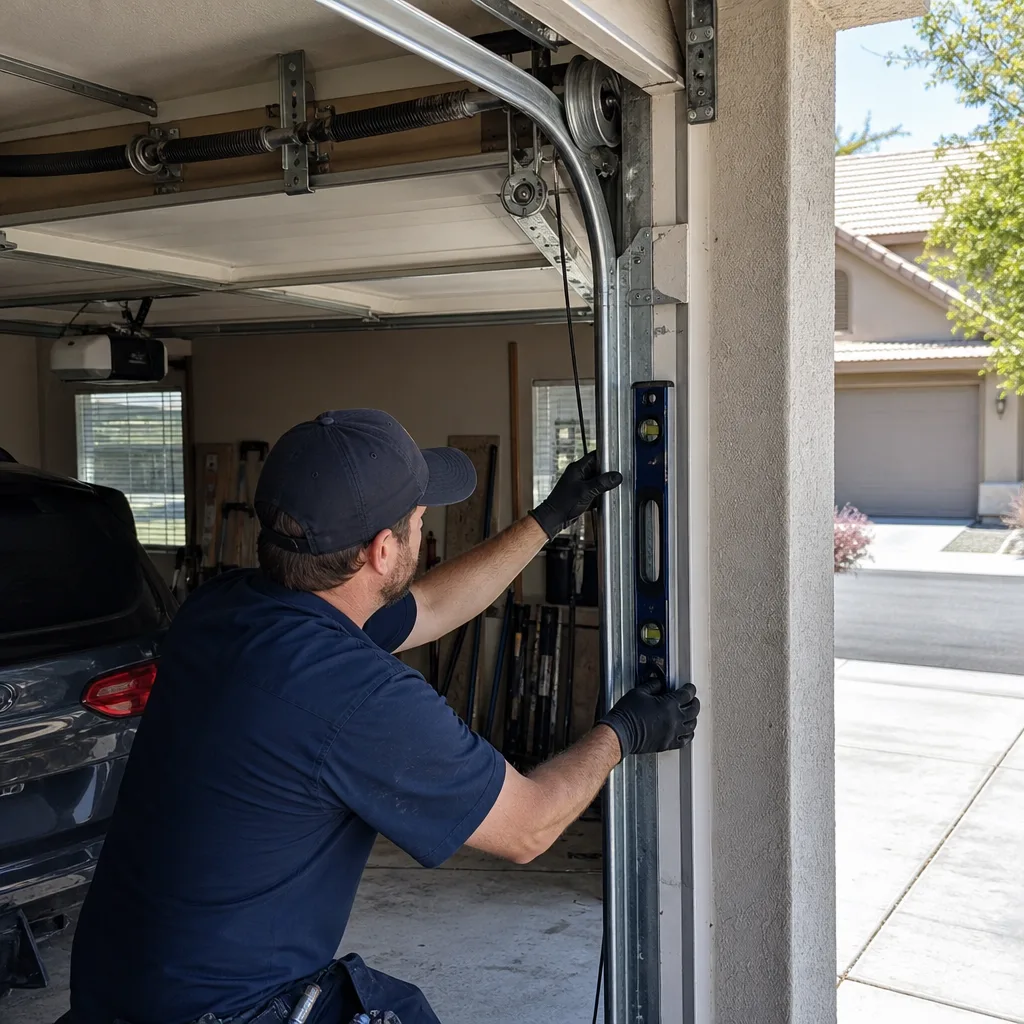
A garage door is a system of springs, cables, hinges, rollers, and a bottom seal, and those parts wear on a different timeline than the door face. In Whitney, where grit and heat accelerate roller and hinge wear, the question isn’t whether you’ll need a part, it’s how fast it arrives. Local distributor stock versus a 7- to 14-day lead time changes the repair window from a same-day job into a weeks-long wait.
What we’ve observed in the Clark County market:
- The major brands with regional distribution relationships in and around the Las Vegas Valley can supply common parts quickly: torsion springs sized to standard door weights, roller sets, hinge sets, bottom seals, and opener logic boards for the major opener brands.
- Non-standard hardware, custom color-matched panels, and some opener components can still carry lead times, which is why a written scope should name the part and the expected arrival window.
- Craftsman parts availability depends more on the opener supply chain than on the door, since opener boards and remotes move through retail channels. Check before assuming.
- If your door is more than 15 years old and the manufacturer has discontinued the panel profile, a same-line replacement panel may not exist. That’s when a full replacement conversation starts.
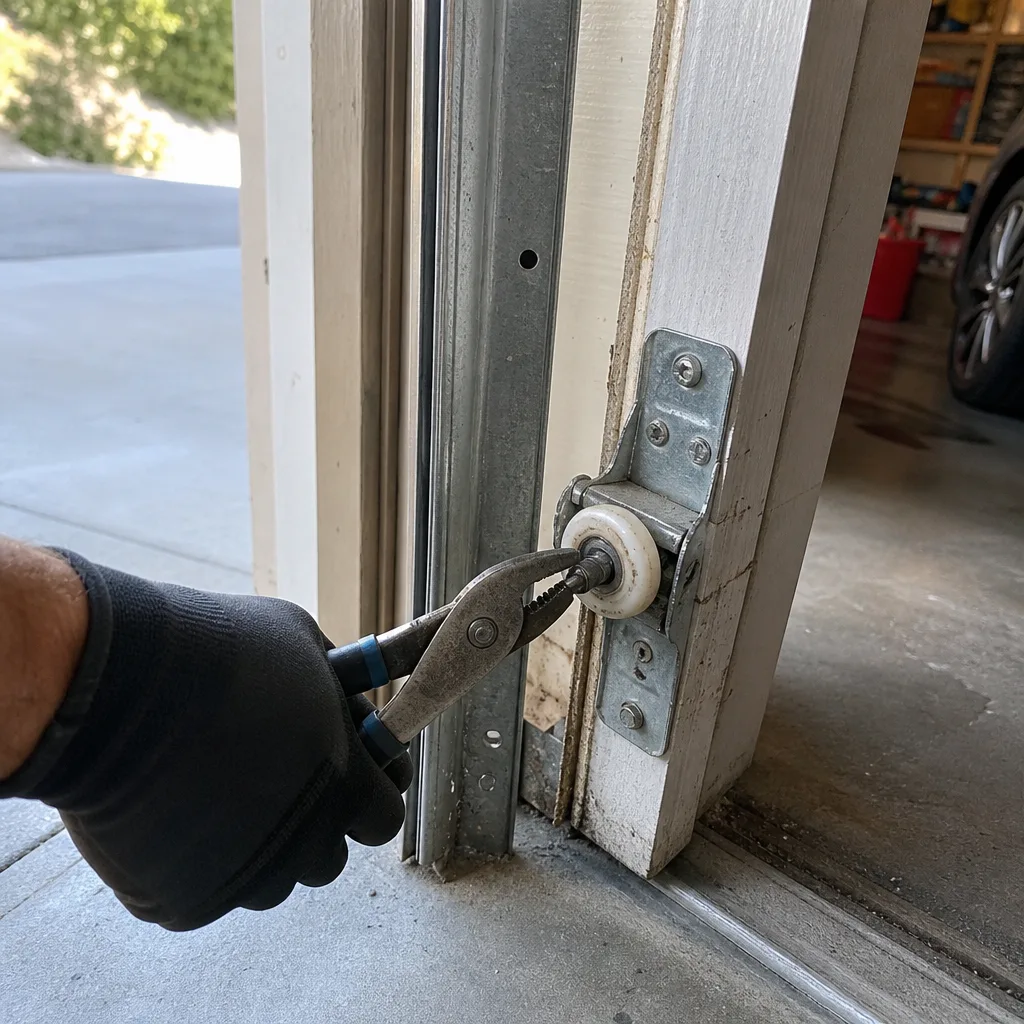
On the repair side specifically, our team photographs the failed component before quoting the replacement, and the photo record lets you see whether the part is genuinely a stock item or a special order. If you’re scheduling a repair, our Garage Door Repair in Whitney page walks through how that works, including the safety caveat on torsion springs and cables.
Insulation Core Comparison for Whitney Heat Load
If your garage shares a wall with living space, the insulation core is the variable that determines how much of the summer heat your air conditioning fights through that wall. The two core types you’ll compare are polystyrene and polyurethane. Polystyrene runs roughly R-4 to R-5 per inch of foam, while polyurethane runs roughly R-6 to R-7 per inch. That gap sounds small until you multiply it across a door’s full panel area and all summer.
What that means for Whitney:
- A standard single-layer steel door has almost no insulation value and should be at the bottom of your list for any living-adjacent garage.
- A polystyrene core door is the middle tier; it’s fine for a detached garage or a door you never open into living space.
- A polyurethane core door is the top tier for attached garages in this valley. It also adds structural rigidity to the panel, which helps dent resistance.
Ask for the door’s published R-value, not just the core type. The manufacturers publish it per line, and it’s the number the building trade uses. A Whitney homeowner calculating garage heat load should also know the door’s U-factor, which is the heat transfer number the energy code cares about. Compare U-factor across lines if you’re serious about the heat load calculation, and compare R-value if you want a simpler yardstick.
The insides of your door matter, but so does the opener. Our Garage Door Opener Repair & Installation in Whitney page covers how to match opener capacity to a heavier insulated door, because the wrong pairing will burn out the motor ahead of schedule.
Matching Brand Finishes to Clark County HOA Palettes
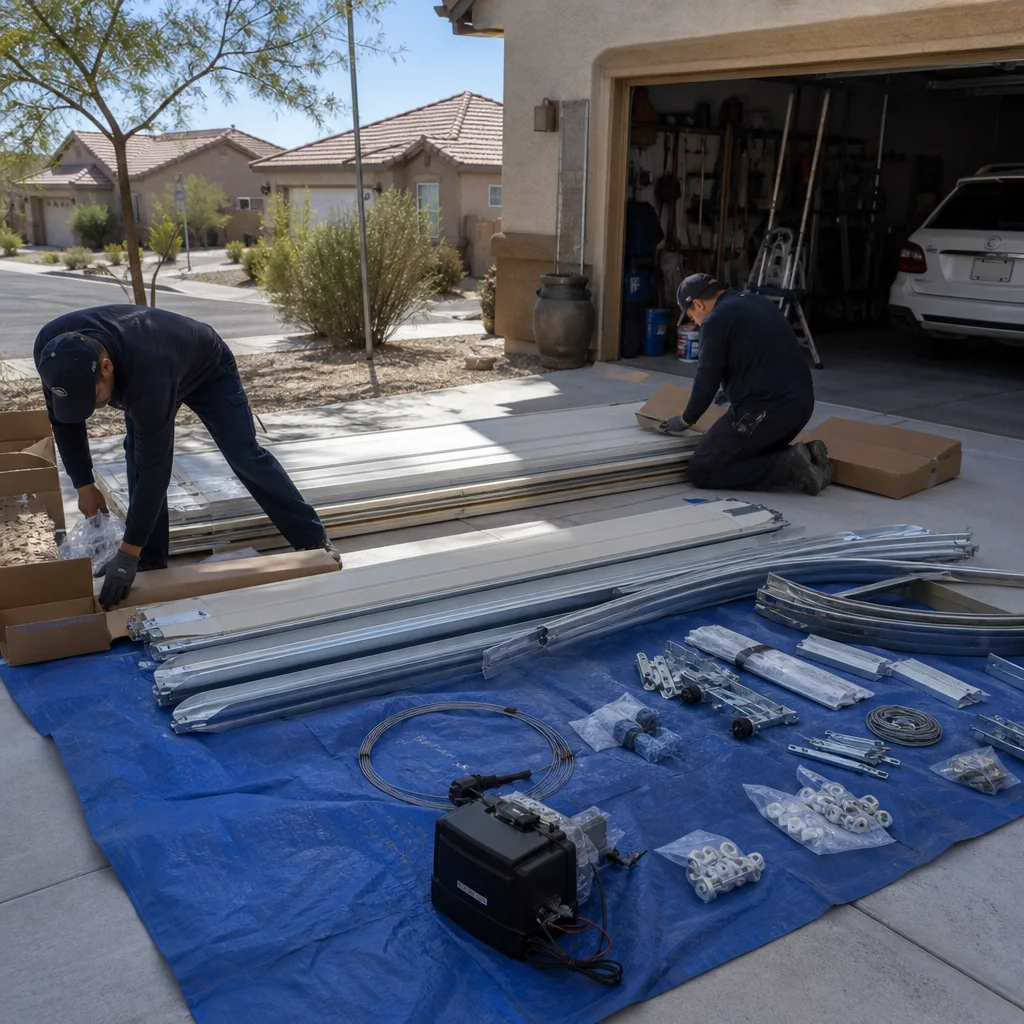
Most of Whitney falls within master-planned community associations, and many of those boards have a documented paint palette that pre-approves specific colors for exterior elements, including garage doors. That means the brand you choose has to offer a factory finish that satisfies the board before a single panel gets ordered. This is the step buyers skip and pay for later.
How to match brand finishes to Clark County HOA requirements:
- Get the association’s written palette before you shop. Ask for the exact color codes and whether the garage door is covered.
- Ask the brand dealer for the factory finish color codes in the line you’re considering, and cross-reference them against the palette. Baked-on factory finishes are the standard; field painting rarely matches a board’s expectations.
- If the palette requires a color that the line doesn’t offer, check whether the brand offers a custom color program and what it costs and how long it takes.
- Get the association’s approval in writing before the door is ordered, not after.
- Keep the palette reference and the finish code with your paperwork for resale.
Clopay and Amarr tend to offer a wide factory palette across their residential lines, which makes them easier to fit to a Whitney association’s requirements. Wayne Dalton also has solid color options in its mid and upper lines. Craftsman’s finish options are narrower because they move through retail channels. The key point: a brand that can’t match the palette is the wrong brand for your house, no matter how good its steel is. When you order, confirm the factory color code in writing on the scope.
Which Brands’ Dealers Photograph Before Quoting
The brand printed on the panel is not the brand that shows up to quote the repair. The dealer is what you actually get. A brand guide that doesn’t say that is incomplete, because the difference between a good and a bad door doesn’t show up until something fails. Clause 4 of The Haven Standard is the originating rule at our company: the technician photographs the failed component before quoting a replacement. The customer sees the failed part, not a description of it. That rule is the single best test you can apply to any dealer of any brand.
Ask three questions before you hire a dealer:
- “Will you send me photos of the failed component before you quote a replacement?” A dealer who does this as standard practice is following a documented process.
- “Will you give me a flat written price and written scope before work starts?” Clause 1 of The Haven Standard makes that non-negotiable on every job. A written scope names the part, the price, and what the job includes.
- “What’s the documentation after the job?” A documented photo record of findings and completed work, delivered to the customer, is the difference between a paper trail and a handshake.
For a full replacement, the same rule applies one level up: a written scope, a written price, and a scheduled measure rather than a same-day promise. If you’re looking at new construction or replacement, our Garage Door Installation in Whitney page explains what a measured, ordered job looks like in Whitney. The right dealer is the one whose process you can inspect before you commit to a brand.
How to Compare Brands in Seven Steps
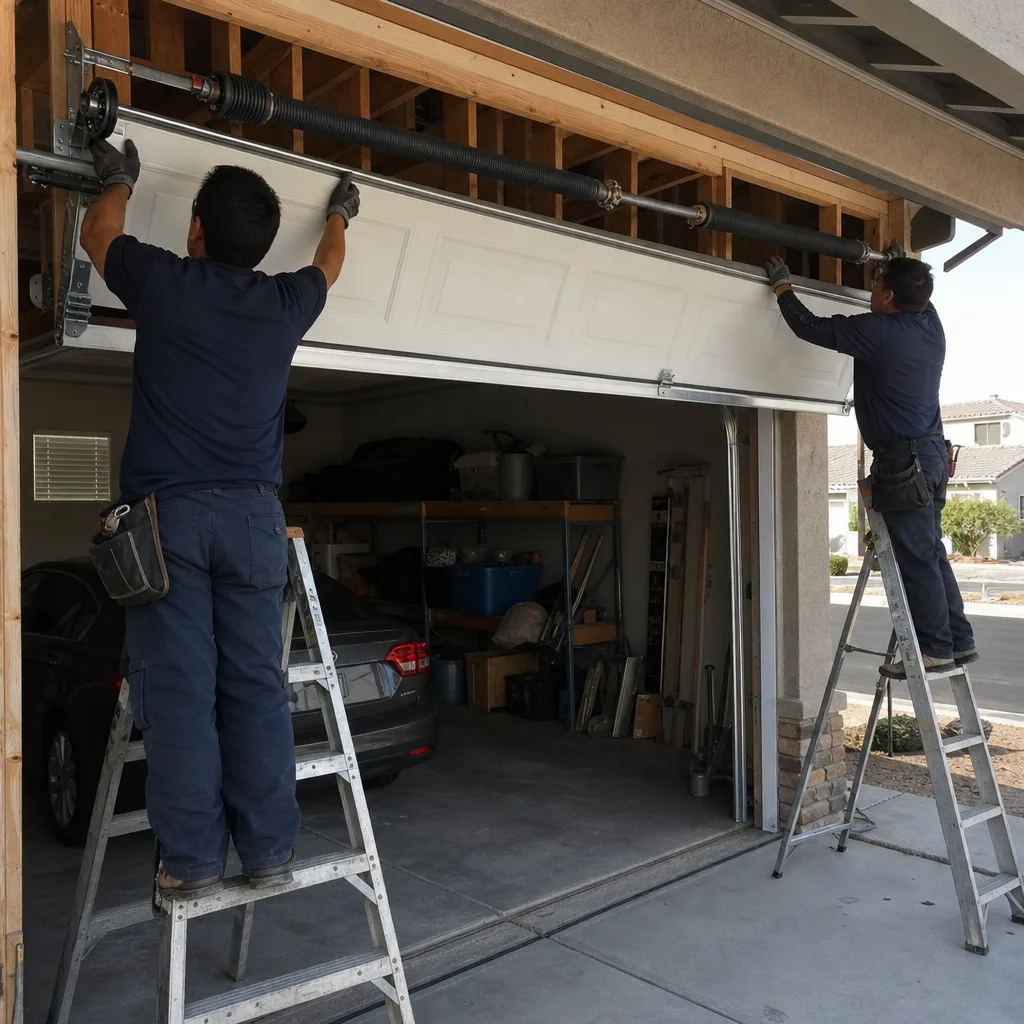
Here’s the process we’d recommend to a Whitney homeowner comparing brands this week:
- Get the HOA palette in writing before you shop. No palette, no comparison.
- Check the gauge spec for the exact product line, not the brand’s best line. Ask for it in writing.
- Read the fade warranty clause verbatim. Confirm it covers fade and that high-UV environments aren’t excluded.
- Confirm local parts availability for the door’s hardware, springs, and any opener components.
- Compare insulation core and R-value per line, and compare U-factor if you’re calculating heat load for an attached garage.
- Ask the dealer three questions: photos before quoting, written price and scope before work, documented record after. If any of them gets a “sometimes,” that’s a no.
- Get a second written estimate and compare the scopes, not just the totals. Our Free Second Opinion applies to any competing written estimate you bring us, no coupon needed, because the scopes should be comparable line by line.
That’s the whole method: warranty, gauge, parts, insulation, dealer discipline. Price tier falls out of the comparison once you’ve set those variables. If you want a starting point, see the Servo Garage Doors Whitney home page for the services we cover.
Common Mistakes to Avoid
- Ranking by logo recognition. A brand that’s well-known nationally may not have the right line for Whitney’s UV exposure. Ask for the spec sheet on the exact line you’re buying, not the brand’s best product.
- Trusting the brochure warranty instead of the actual clause. Cosmetic coverage exclusions are buried in the fine print, and “fade” is often not a covered defect unless the manufacturer says explicitly that it is.
- Buying 25-gauge for a southwest-facing Whitney garage. Thinner steel flexes and oil-cans faster under full sun. Ask for gauge per line before you choose.
- Ordering before you have the HOA palette in writing. A factory finish that misses the board’s color codes costs you a second door or a repaint the association won’t approve.
- Ignoring parts lead times. A 7- to 14-day special order turns a one-day repair into a two-week wait in Whitney’s Clark County market. Confirm local stock before you commit.
- Skipping R-value and U-factor for an attached garage. Insulation core is not cosmetic; it’s how much summer heat your air conditioning pushes back out of the wall.
- Hiring a dealer who won’t photograph before quoting. A dealer who describes a failed part instead of showing it is telling you how the rest of the job will go.
See the difference
BeforeAfter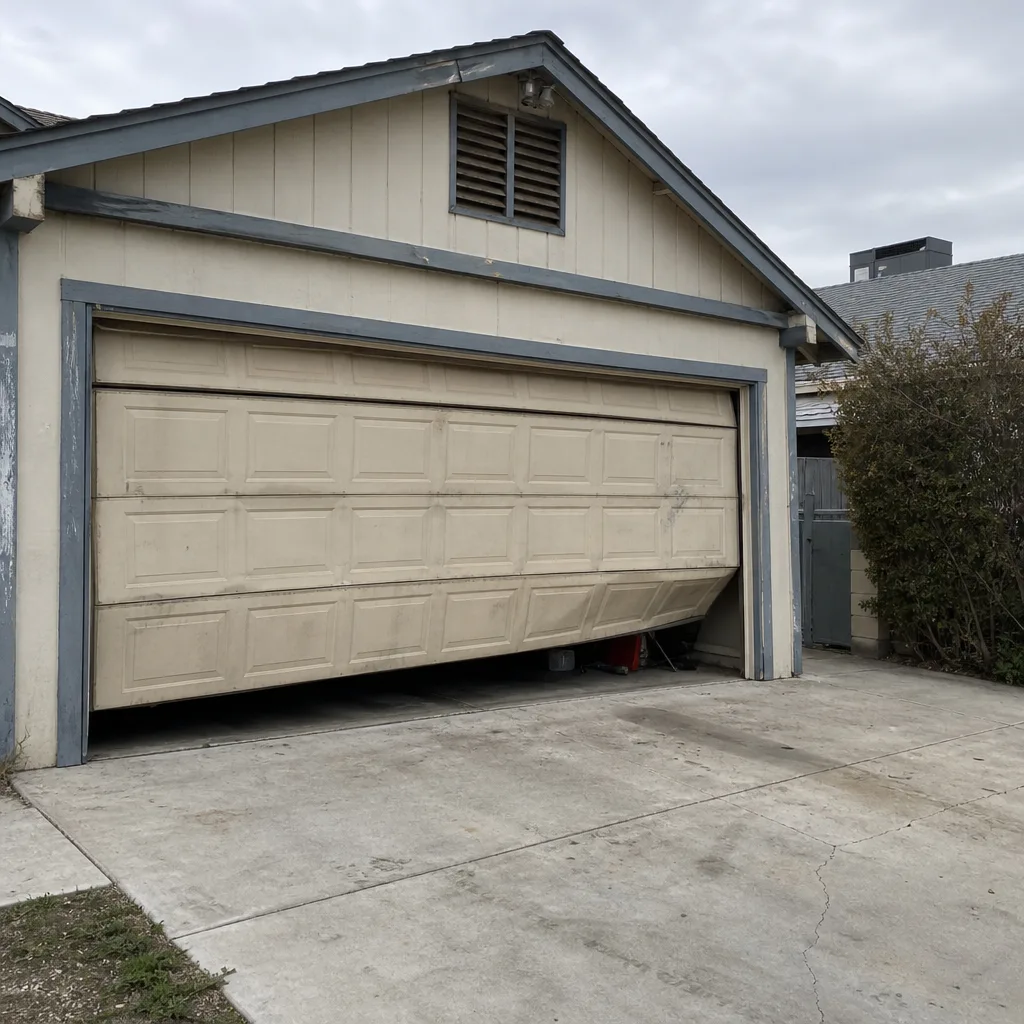 Before
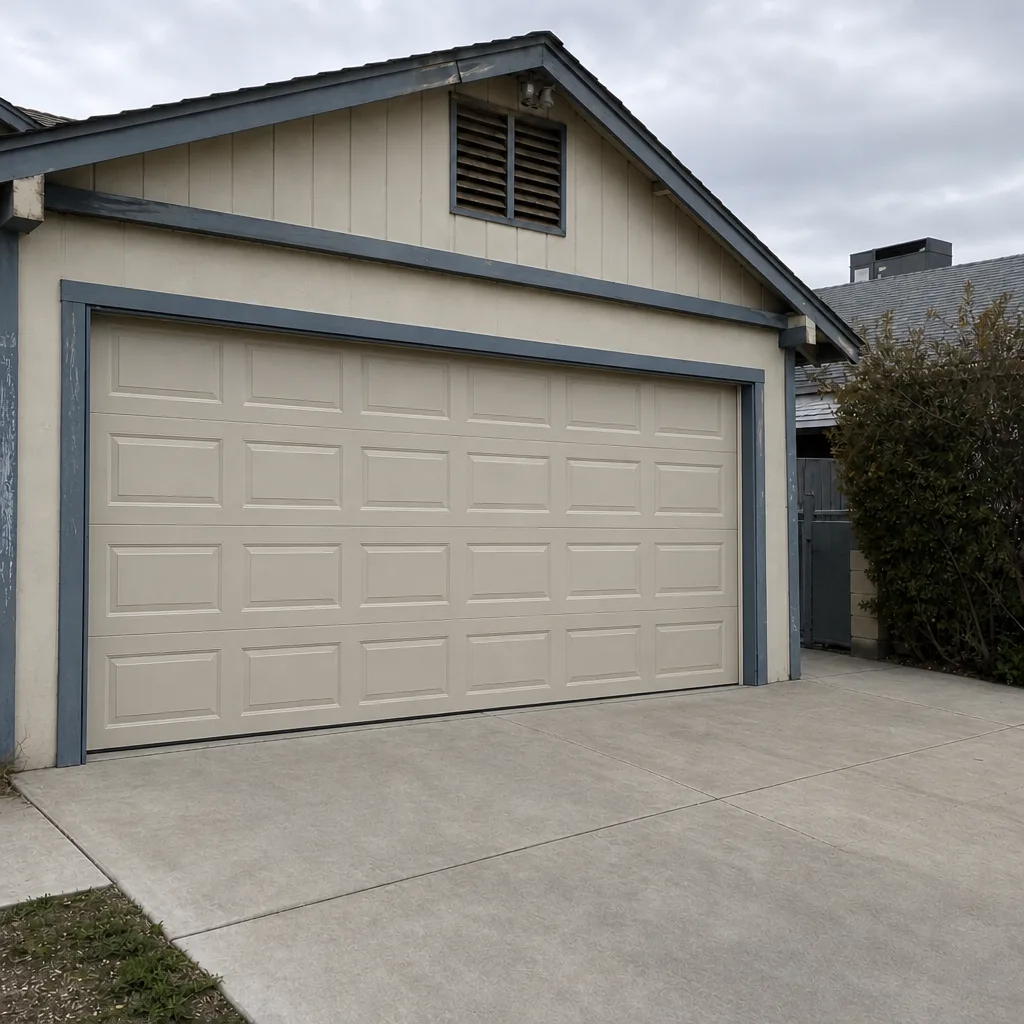 After
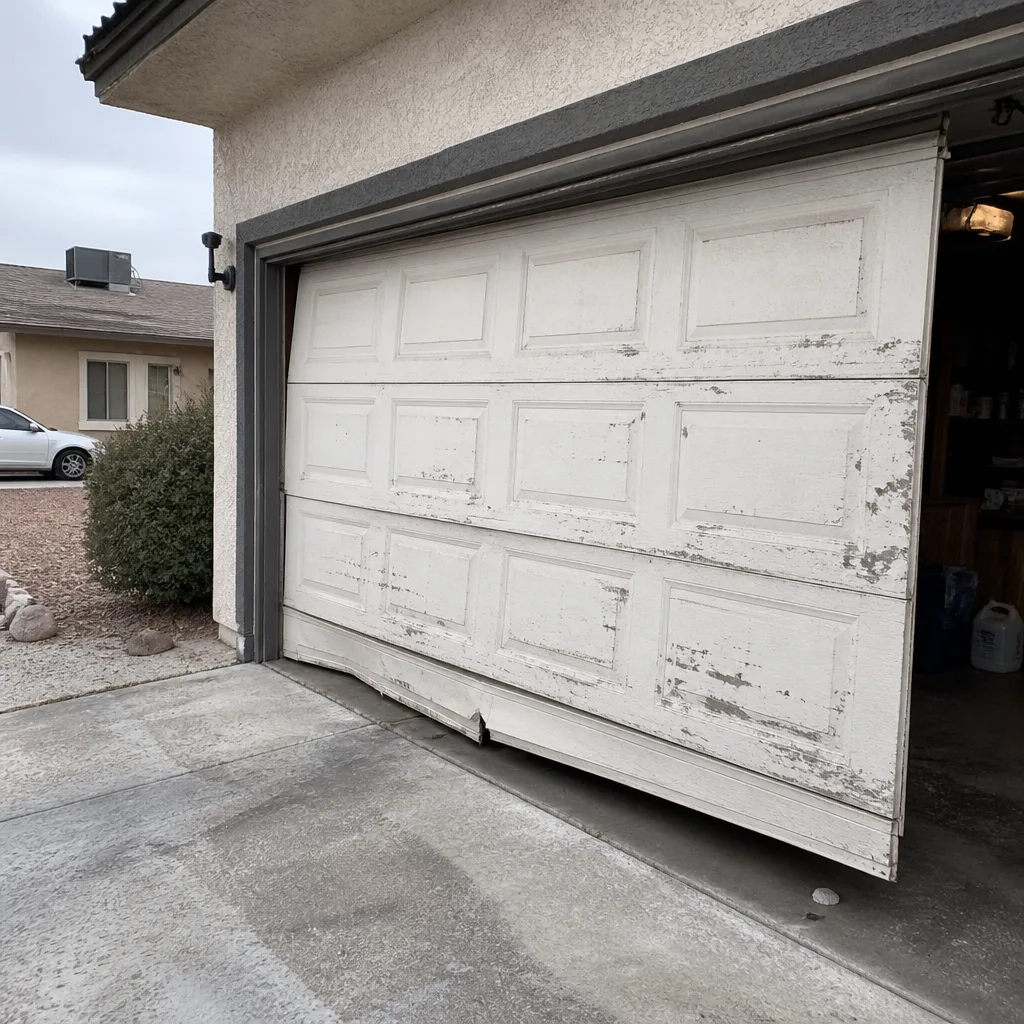 Before
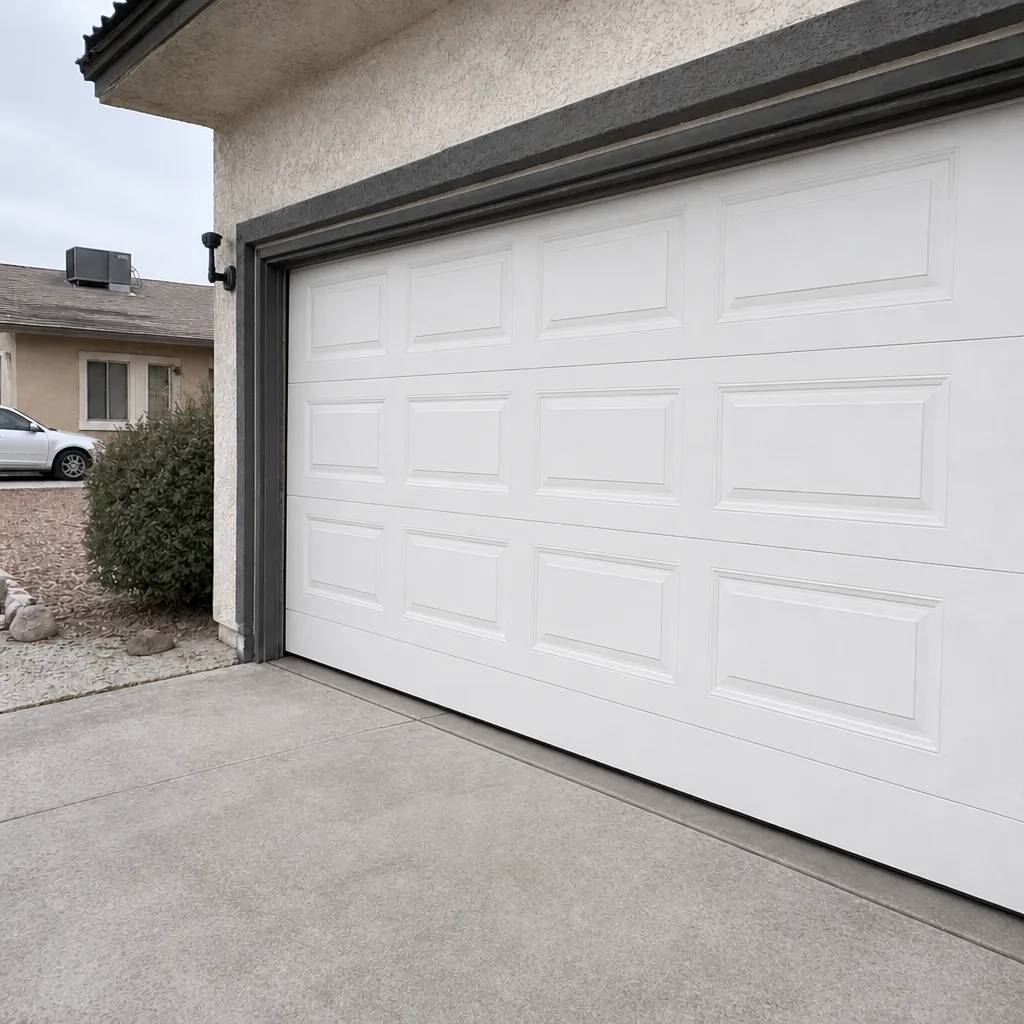 After
When to Call a Professional
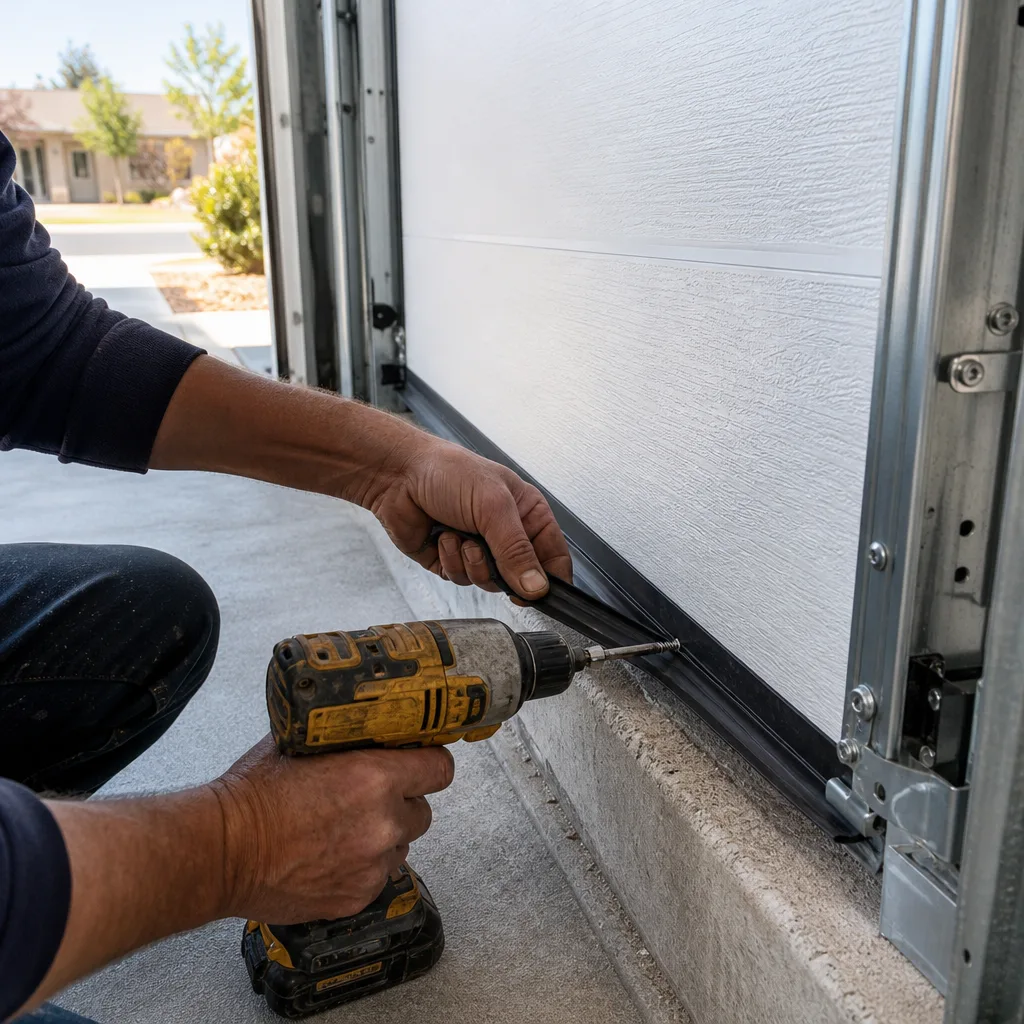
Call a professional before you touch a torsion spring, a cable, or a high-tension counterbalance system. Those parts store enough energy to cause serious injury, and the failure mode is a snap, not a slow leak. Call a professional if a torsion spring has broken, if the door is off its tracks, if a cable has come loose, if the opener runs but the door doesn’t move, or if you hear a bang from the garage you can’t identify. Also call if you’re comparing brands and want the written scope that makes the comparison possible. Servo Garage Doors Whitney offers free estimates in Whitney – call (888) 402-1096. The company services all eight major brands, including LiftMaster, Chamberlain, Genie, Clopay, Amarr, Wayne Dalton, Craftsman, and Raynor, and the local pro is licensed and insured as their state requires.
Frequently Asked Questions
The best brand for Whitney is the one whose premium line offers 24-gauge steel, a published fade warranty that isn’t excluded in high-UV environments, and quick local parts availability in the Clark County market. Clopay and Amarr tend to lead on those three for Whitney homes. Look at the product line, not the brand name.
Less than the steel gauge, the paint system’s UV inhibitor rating, and whether a dealer stocks replacement parts locally. The brand is a starting point for comparing product lines. The spec sheet is what you’re actually buying. Call (888) 402-1096 for a free second opinion on any competing written estimate.
A 24-gauge door is thicker, more dent-resistant, and better at holding its shape under heat-cycle movement than a 25-gauge door. Lower gauge means thicker steel. A 25-gauge panel can serve well on a shaded elevation, but on a southwest-facing Whitney garage you’ll see more oil-canning and flex over time.
Polyurethane cores run roughly R-6 to R-7 per inch while polystyrene runs roughly R-4 to R-5 per inch, so a polyurethane door reduces heat transfer into an attached garage noticeably in Whitney’s summers. Ask for the published R-value and U-factor for the exact line before you order.
Yes, if the brand offers a factory finish that matches the association’s color codes. Get the palette in writing first, then cross-reference it against the brand’s finish codes. Clopay and Amarr tend to offer the widest factory palette; confirm the code on the written scope before the door is ordered.
No. The flat price and written scope are quoted and agreed before any work starts, per Clause 1 of The Haven Standard. Clause 4 is why the technician photographs the failed component before quoting a replacement. If the scope changes, the new price is agreed in writing before the work continues. Call (888) 402-1096 for an exact quote – estimates are free.
The Bottom Line
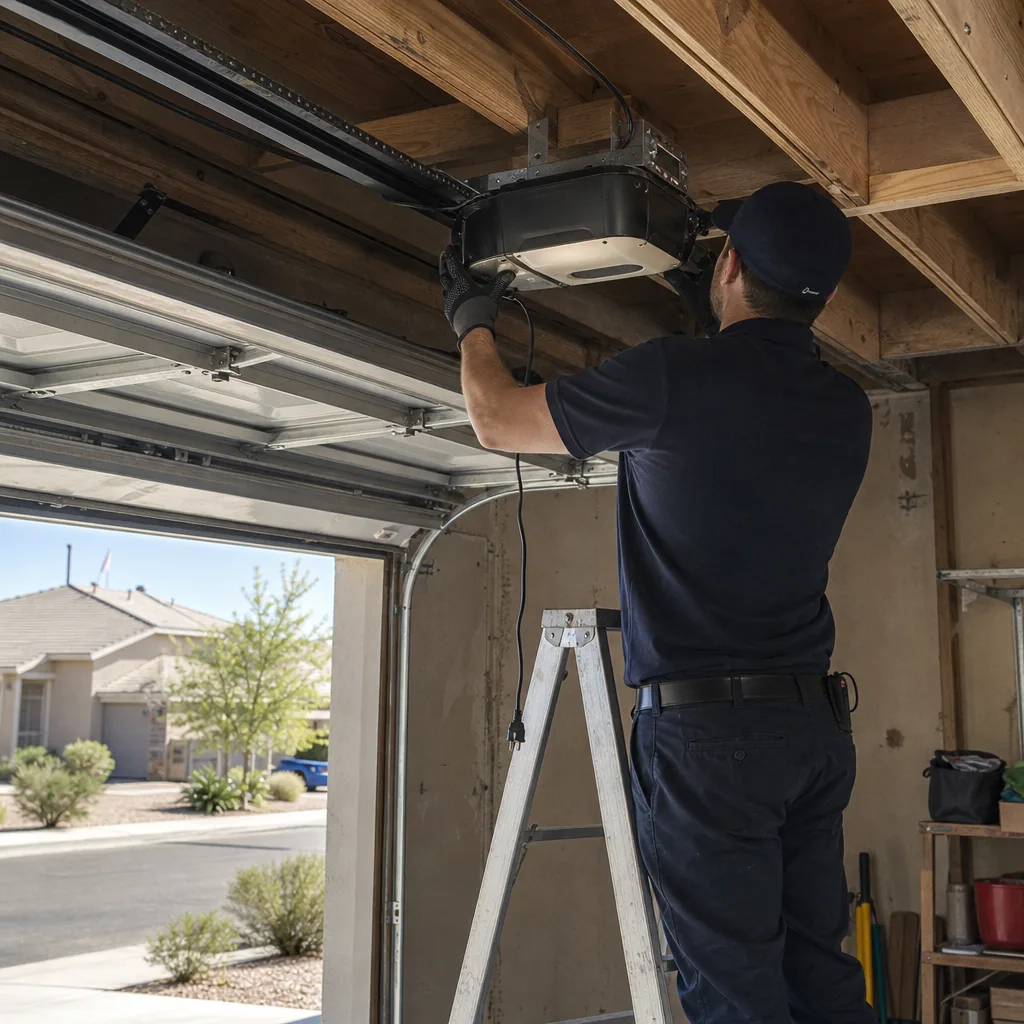
Rank garage door brands in Whitney by the variables that survive this climate: warranty terms that cover fade under high UV, steel gauge per product line, insulation core and R-value, and parts availability in the Clark County market. Then pick the dealer whose process you can inspect: photos before quoting, a written price and scope before work, a documented photo record after. That’s the whole framework. Clopay and Amarr tend to lead on the climate-specific variables; Wayne Dalton and Craftsman can work well on shaded elevations or value budgets, provided the line and warranty fit. When you’re ready to compare, call us at (888) 402-1096 for a free estimate – the price is written and agreed before anything starts, every time.
Written by the team at Servo Garage Doors Whitney.