
Last updated November 18, 2026
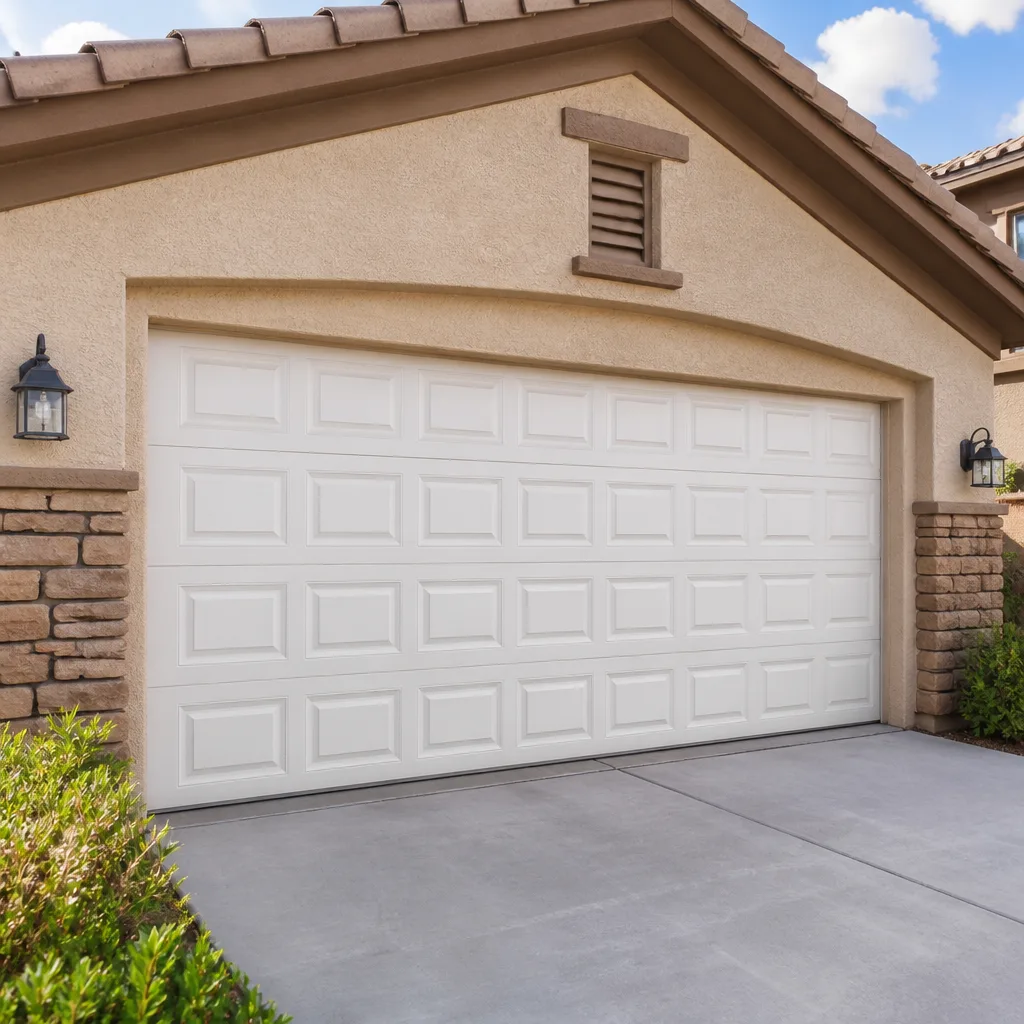 Raised-panel steel
 Carriage house
 Modern flush
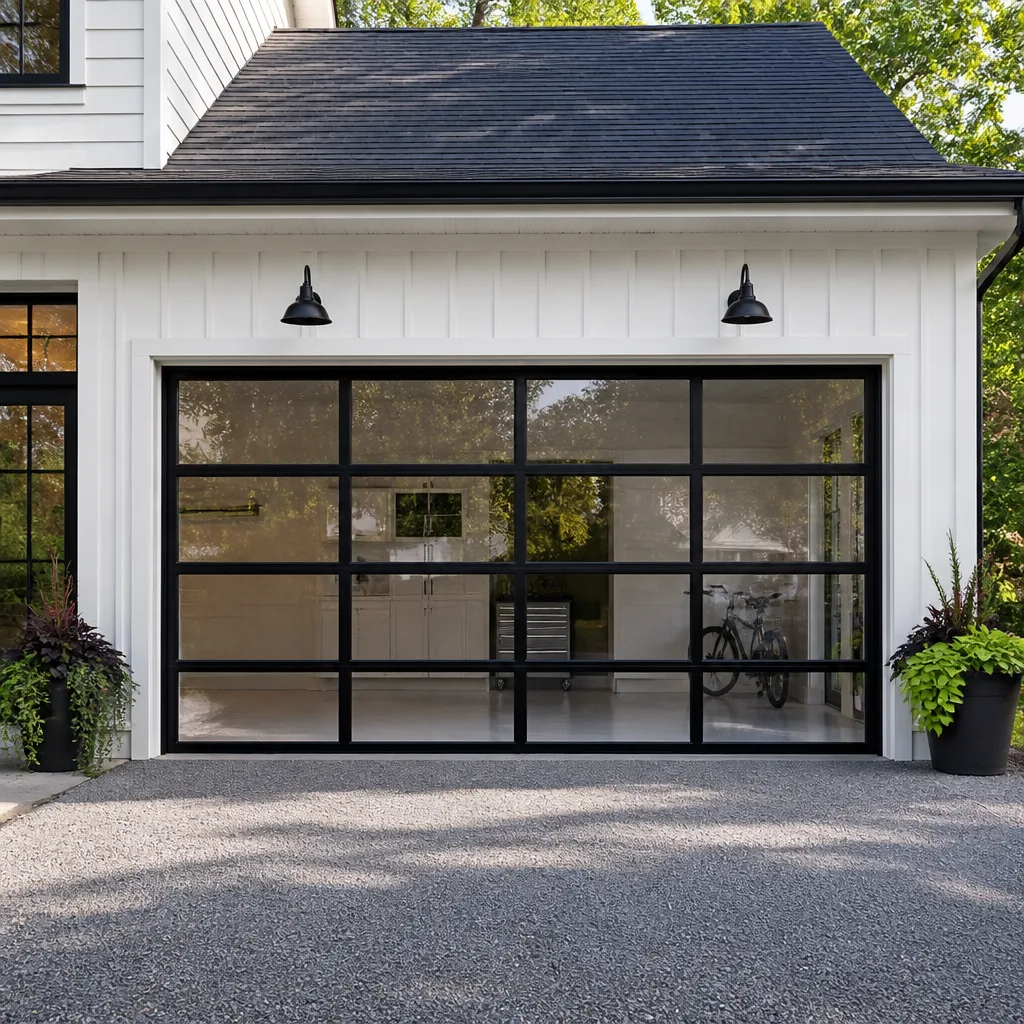 Full-view glass
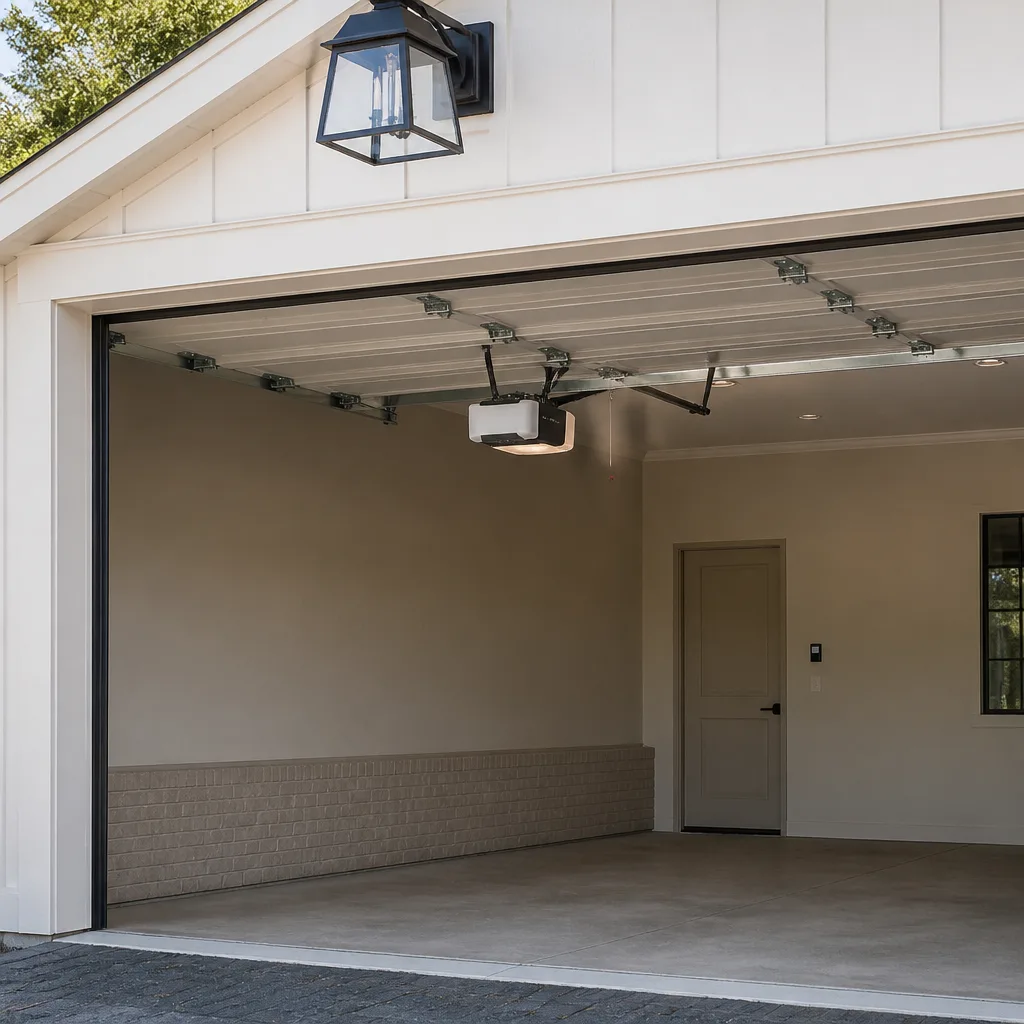 LiftMaster openers
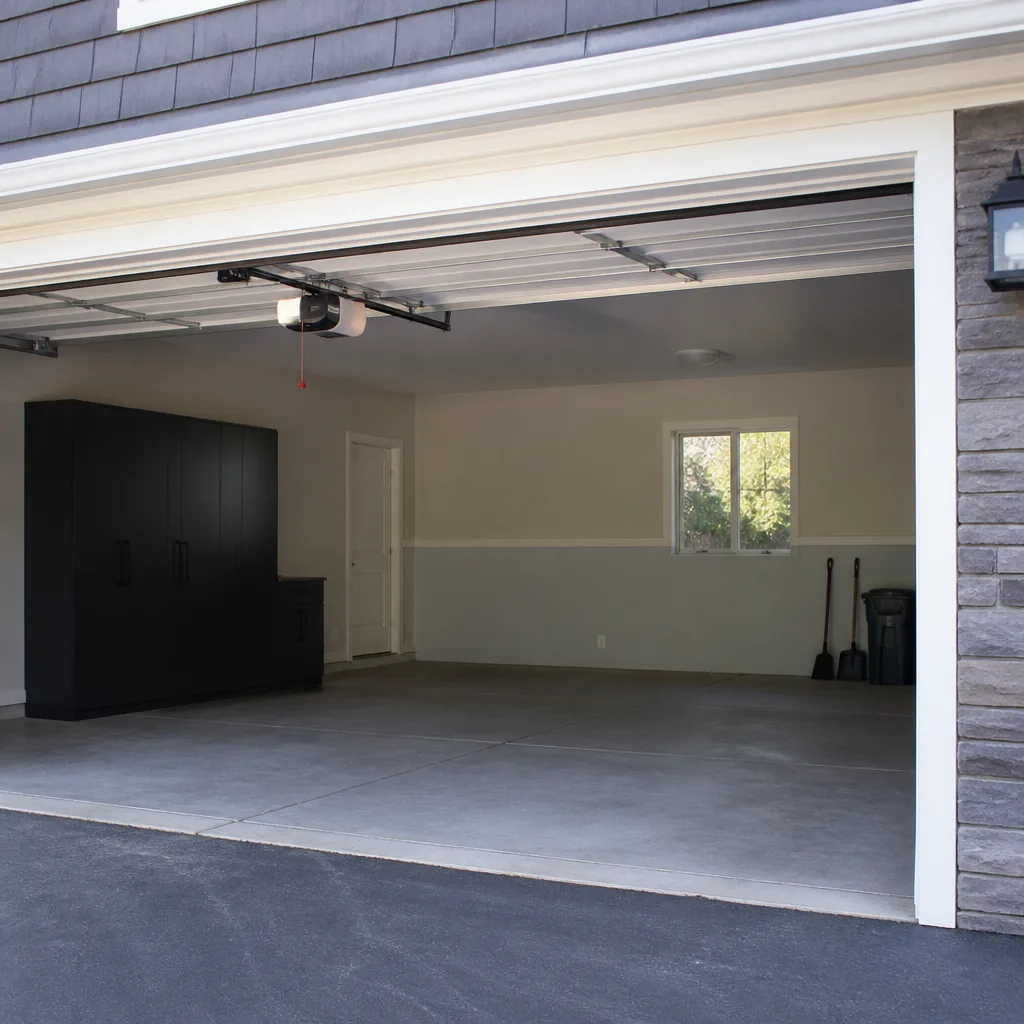 Chamberlain openers
Full 25-point door and opener safety check with every visit - springs, cables, rollers, tracks, and your LiftMaster or Chamberlain opener included
You get a price before we start. It does not change when the pro arrives.
Get your free estimateDIY vs Professional Garage Door: The Whitney Homeowner’s Decision Guide
A wound torsion spring holds roughly 100 foot-pounds of torque, enough stored energy to spin a winding bar out of your hand and put it through drywall. The question isn’t whether you can wind it. It’s whether a winding error ends with a scratched door panel or a fractured wrist. Most DIY-versus-pro arguments sort tasks by skill, and that’s the wrong axis. This guide sorts every common garage door job by consequence: what’s safe to attempt, what needs a specific tool to be safe, and what stays a professional job no matter how handy you are. We’ll also cover what Clark County code, your manufacturer warranty, and your homeowner’s insurance have to say about it, plus the documentation that makes any future service faster and cheaper, even in Whitney.
Quick Answer
Most garage door tasks split cleanly by consequence, not difficulty. Rollers, weather seals, hinges, and opener battery or remote work are reasonable DIY jobs with ordinary hand tools. Torsion spring winding, cable and drum work, and opener force-limit calibration carry injury or structural risk and belong to a trained technician, regardless of skill level. In Whitney, independent pros are licensed and insured as the state requires, and the price is quoted and agreed before any work starts.
Styles & brands we work with
- Raised-panel steel
- Carriage house
- Modern flush
- Full-view glass
- LiftMaster openers
- Chamberlain openers
Table of Contents
- The Consequence Matrix: Sorting Tasks by Risk, Not Skill
- What’s Actually Safe to Attempt Yourself
- The Tool Math: When Buying the Tool Closes the Savings Gap
- Failure Modes: What Goes Wrong Physically
- Nevada Consequences: Warranty, Insurance, and Code
- Documentation That Makes Future Service Cheaper
- Common Mistakes to Avoid
- When to Call a Professional
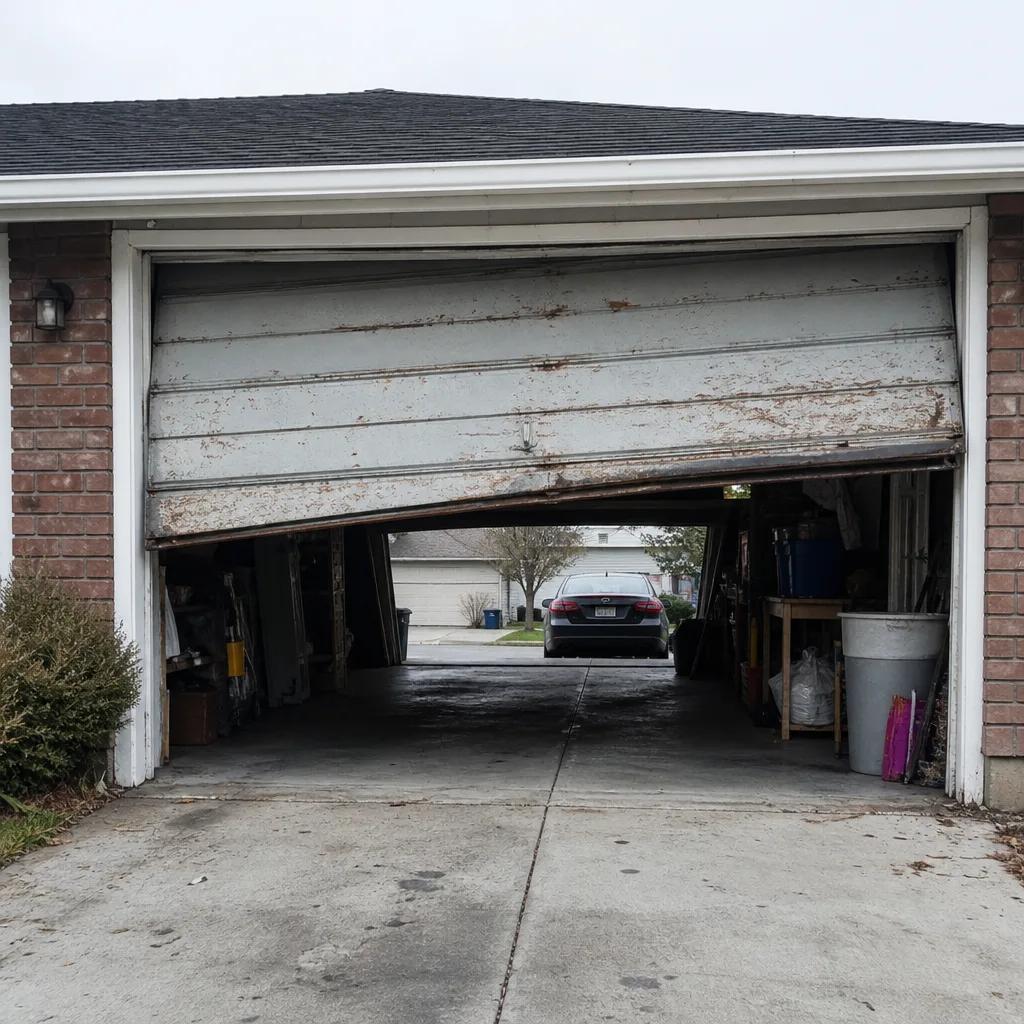 Before
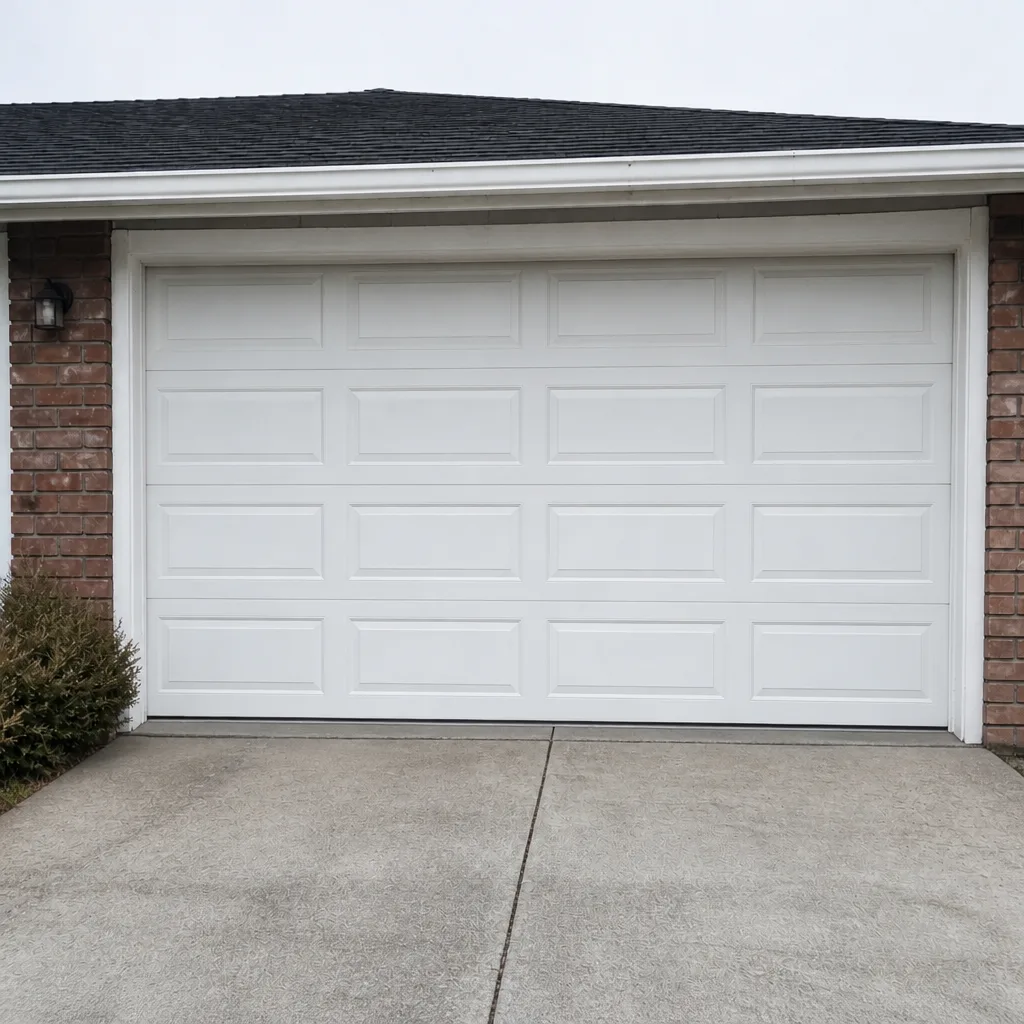 After
The Consequence Matrix: Sorting Tasks by Risk, Not Skill
Every garage door task falls into one of three consequence bands. Difficulty has almost nothing to do with which band you land in, and that’s the point most homeowners miss when they search “DIY garage door repair vs professional Whitney NV” and find generic skill-level checklists. The real question is what happens when the job goes wrong. A misaligned roller costs you a noise complaint. A miswound spring costs you a hand.
Band 1: Inconvenient Failure
If the job fails, you’re annoyed, not injured, and the door still works or is easy to reset. Roller replacement, weather-strip seals, hinge swaps, and remote or keypad programming live here. Worst case is a re-do.
Band 2: Tool-Gated Risk
These tasks are physically safe only if you own the correct tool. A winding bar for a torsion spring, a proper cable clamp for a lift cable, a torque wrench for track bolts. Skip the tool and a task that belongs in Band 2 quietly becomes Band 3. We’ve seen homeowners buy the wrong winding bar, save $40, and spend $600 on a track realignment.
Band 3: Non-Negotiable Professional
Torsion spring replacement and winding, cable and drum work, and opener force-limit or travel-limit calibration. These have failure modes that are injurious or structural. No amount of skill moves them down a band. If you take only one thing from this guide, take that.
A quick note on why this matters in Whitney specifically: our summer heat cycles doors more than most homeowners realize. A door opening twice a day, 365 days a year, in triple-digit heat loads a torsion spring hard. Failures cluster here in late spring and early summer, when a door that ran fine all winter snaps. When it does, sorting the repair by consequence rather than rushing it is what keeps people out of the emergency room. See our Garage Door Repair in Whitney page for what repair calls actually look like.
What’s Actually Safe to Attempt Yourself
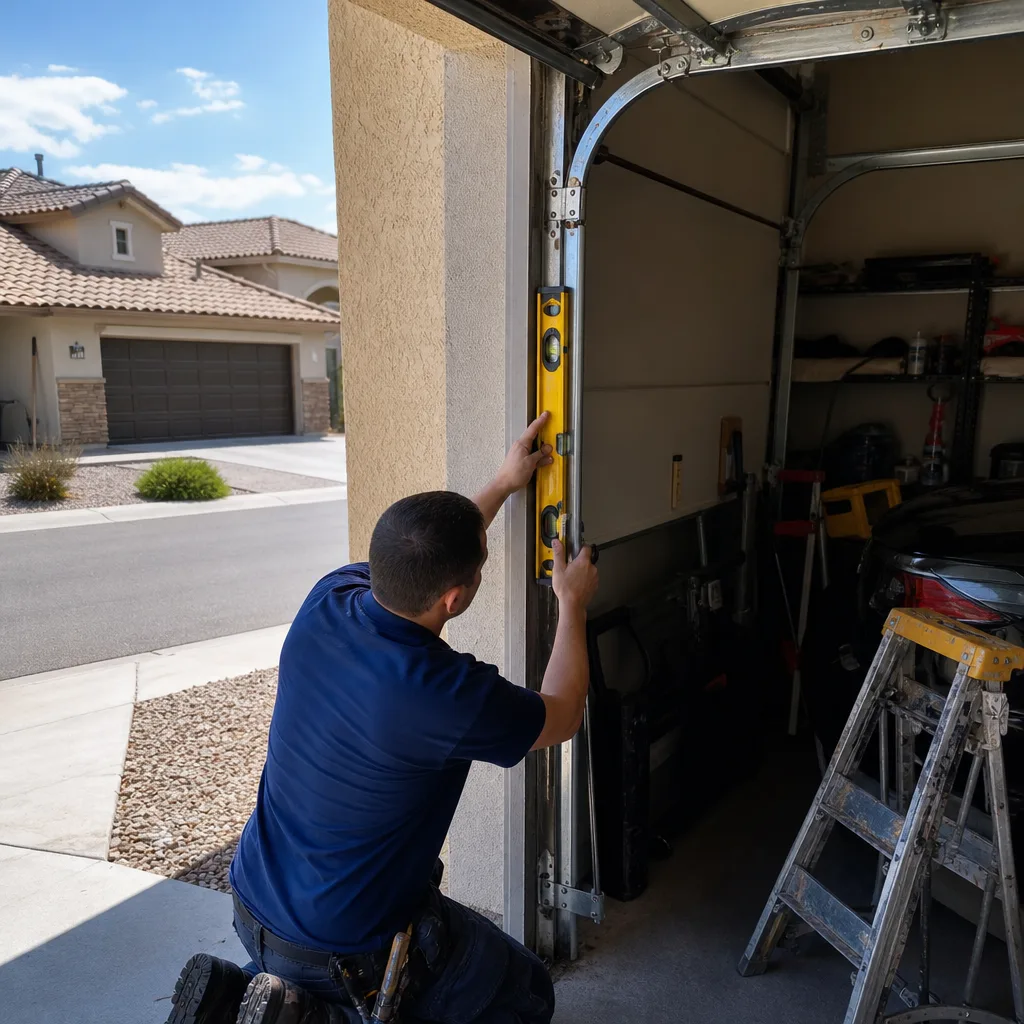
Four tasks stay safely in Band 1 with ordinary hand tools and a step stool. If you’re a careful homeowner with a few hours and a willingness to stop when something looks wrong, these are reasonable.
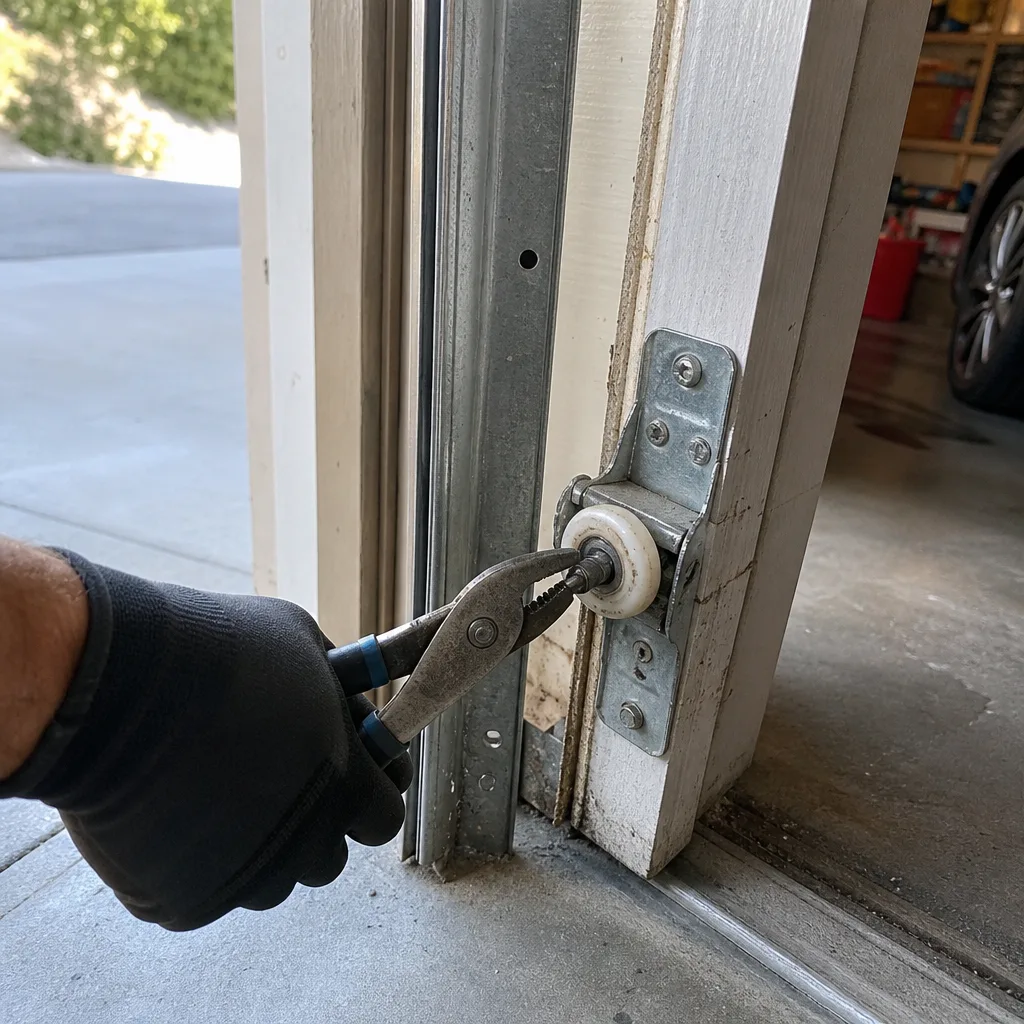
- Roller replacement. Nylon rollers cost $3 to $8 each. You’ll need a screwdriver or a small wrench and about an hour for all ten. The door stays closed during the swap, no spring tension involved. If you hear grinding, that’s the roller, and it’s the easiest fix on the list.
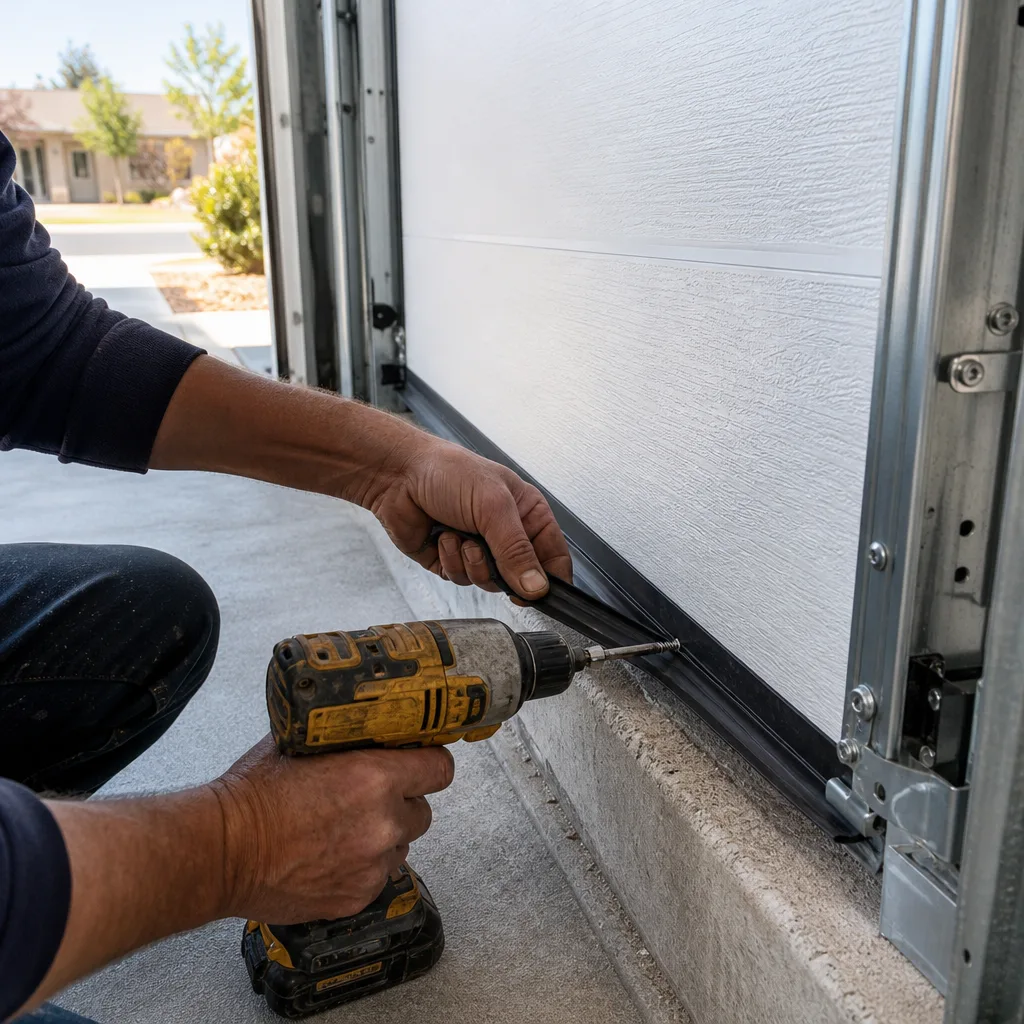
- Weather seal replacement. The bottom rubber seal and the side and top jambs keep dust and heat out. A new bottom seal runs $20 to $45; side and top jamb seals run slightly more. Push the old seal out of the retainer, push the new one in. No tools beyond a scraper and maybe pliers.
- Hinge swap. Hinges between panels cost $6 to $12 each. Numbered holes tell you which hinge goes where. Swap one at a time so you don’t lose the order.
- Opener remote, keypad, and battery. Programming a new Garage Door Opener Repair & Installation in Whitney-style unit’s remote or keypad is a manual read, not a repair. LiftMaster and Chamberlain both publish the pairing steps. Battery swaps are trivial.
None of these jobs involve spring tension, lift cables, or the opener’s motor logic. That’s the dividing line. The moment your task touches a spring, a cable, or the force settings, stop. Those are Band 2 or Band 3 no matter how small the symptom looks.
The Tool Math: When Buying the Tool Closes the Savings Gap
Here’s what nobody tells you before the DIY video: the tool purchase often eats most of the savings on a one-off repair. We’ve run this math with Whitney homeowners more than once. Run it yourself before you decide.
- Torsion spring job: two winding bars ($25 to $45 each), a spring scale, safety glasses, and a proper set of vise grips. That’s $110 to $160 in tools, for a job you may do once in ten years. A professional spring replacement in the Whitney market typically runs $180 to $340, all-in, including the spring and the labor. Buy the tools and the gap is $20 to $60, before the risk.
- Roller replacement: $6 socket set or a screwdriver you already own. Tools effectively free. Worth doing yourself if you’re comfortable.
- Cable replacement: a proper cable clamp and crimping tool. About $40. But cable failure is Band 2 for a reason, and the tools don’t reduce the risk of a snap-back.
- Opener force-limit calibration: no tool fixes this. It’s a setting, and getting it wrong is how a door crushes a pet or a child’s arm. No tool purchase makes this a DIY job.
When the numbers land this close, the calculation isn’t “save $40 versus pay a pro.” It’s “save $40 and absorb the risk versus let someone else absorb it for the same price.” That’s an easy call to make against yourself.
Failure Modes: What Goes Wrong Physically
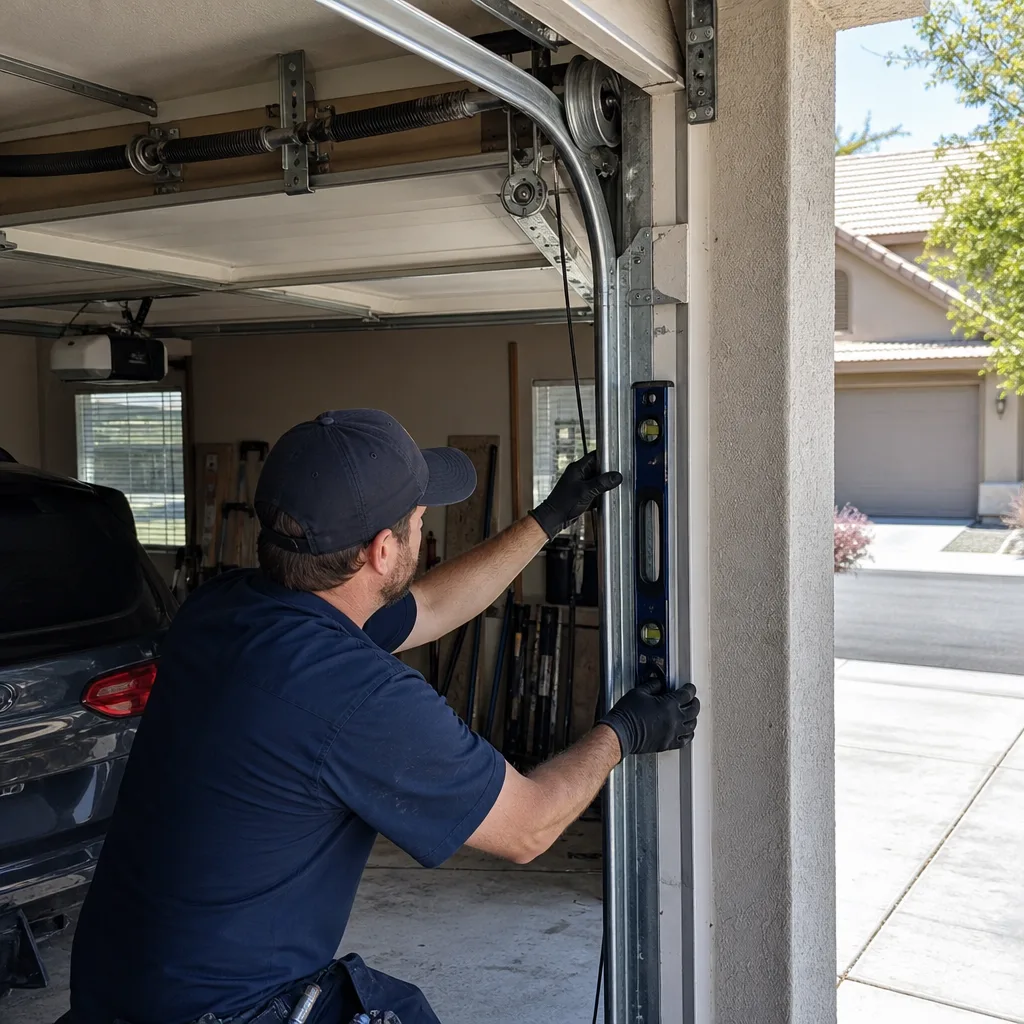
Descriptions of garage door failures are usually vague, and vague failure descriptions are how people get hurt. Here’s what actually happens when each of the three Band 3 tasks is done wrong. We’re describing the mechanism, not the procedure. If you’re reading this to attempt one, the correct next step is to call someone.
Torsion spring winding
A torsion spring is wound to roughly 7 to 9 full turns for a standard door. If the winding increments are uneven, the spring can slip a winding bar mid-cock. The bar spins loose at high speed, and the force concentrates on your hand, wrist, or forearm. This is the most common serious garage door injury. There’s no way to practice on a live spring safely; the first wrong turn is the one that hurts.
Cable drum misalignment
The lift cable wraps into a drum at each end of the torsion shaft. Seat the drum wrong and the cable can unwind under load and snap toward the operator’s face. Cables are also under tension at both ends when the door is down, so a broken cable is dangerous to remove even when the door is “closed.”
Opener force-limit miscalibration
The force limit is the setting that tells the opener how much resistance to push through before it reverses. Set it too high and the opener drives the door into an obstruction instead of reversing. Set it too low and the door reverses at the slightest binding. The wrong value is how a garage door becomes a hazard to a child or a car.
Nevada Consequences: Warranty, Insurance, and Code
In Whitney, three paper consequences hang off the DIY decision. None of them show up in a YouTube tutorial.
Manufacturer warranty
Wayne Dalton, LiftMaster, and Raynor all write their limited warranties around installation and service by a qualified professional. A failed spring replaced by a homeowner doesn’t just cost you the part; it can cost you the warranty on the surrounding component. Keep the written scope and receipt from any professional service, because that’s the paperwork a warranty claim needs.
Homeowner’s insurance
An improperly serviced door that fails and damages property, or injures a household member, can complicate a claim. The relevant concern is documented: work the carrier can trace to unpermitted or improper servicing is harder to support. A licensed and insured technician’s written record is the documentation a claim wants to see. It’s the kind of thing we’ve watched matter after the fact, which is why we photograph the failed part before anyone quotes a replacement.
Code and permit
New garage door installation, and any change to the door’s load or travel, touches Clark County permitting and the safety-reversal requirement that all doors opaquely comply with current code. Repairs generally don’t require a permit; replacement installation typically does. If you’re facing a full replacement rather than a repair, read our Garage Door Installation in Whitney page before you price it out, because the permit and the measured order change the timeline.
Documentation That Makes Future Service Cheaper
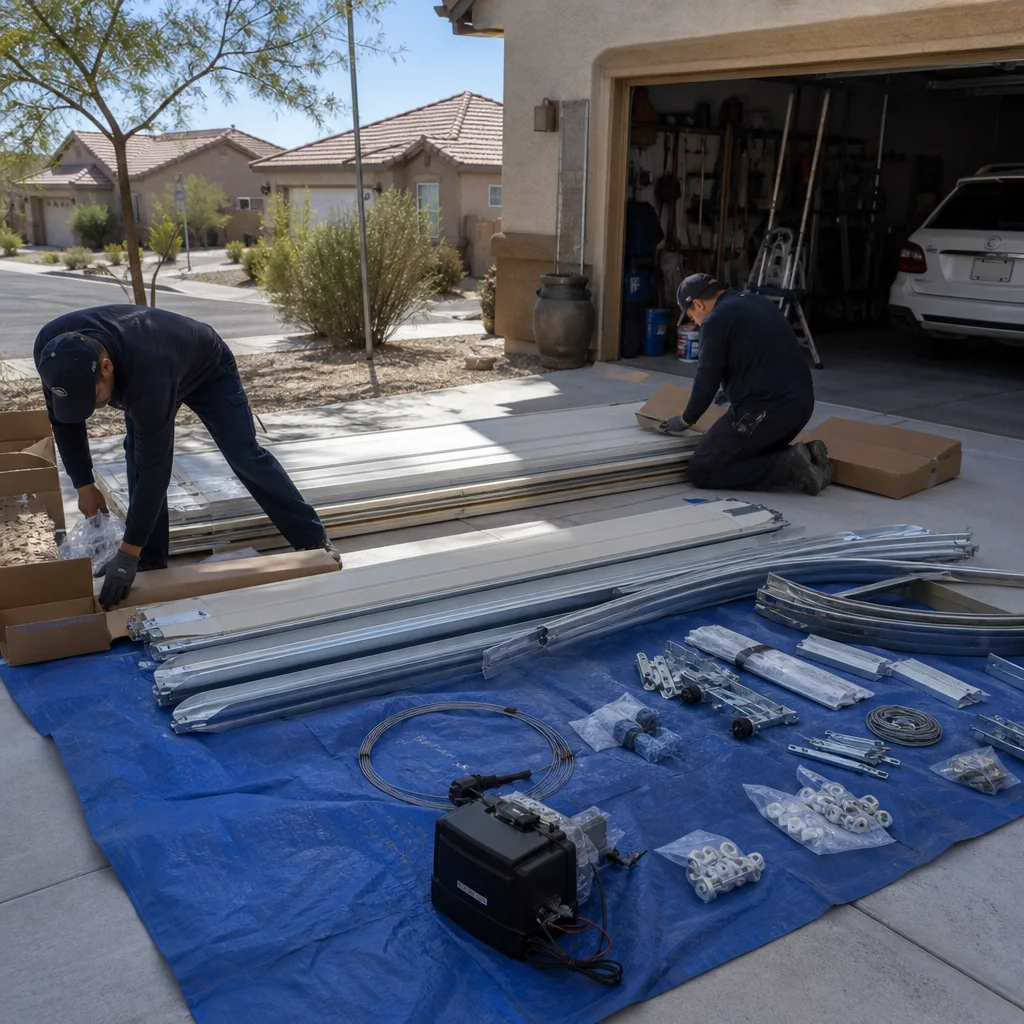
Even if you do the repair yourself, the records you keep shorten the next professional visit and lower the quote. This is the part DIY guides skip entirely, and it’s why we wrote a documentation system into our standard as Clause 4. Here’s what to capture, in order.
- Photograph the door open and closed from inside and outside, then the failed part in place, then its label. Manufacturer and model are on the door’s interior end stile or the opener’s head unit. Those numbers matter more than photos of a symptom.
- Photograph the failed component close-up and its measurement where relevant. For a spring, the wire diameter is on the spring’s tag or the original paperwork. For an opener, the model number is on the head unit. Write them down and shoot a photo of the tag.
- Write the cycle count if you know it, and the door’s age. “Opened four times a day for eight years” is a meaningful cycle estimate when a technician arrives, and it narrows the failure to the loaded component.
- Keep the written scope from any prior service in the same file as your door’s warranty card. That’s the stack a future technician wants to see, and it lets them quote from evidence rather than guesses.
A homeowner who hands us a phone with those four things photographed has shortened the visit to the actual repair, and that’s cheaper for them. Clause 1 of The Haven Standard is why our written price and written scope arrive before any work starts, and Clause 4 is why the technician photographs the failed part before quoting a replacement. That’s the record you keep, whether you did the work or we did.
Common Mistakes to Avoid
- Treating the spring as a “harder roller.” The spring is the only part in the door that can hurt you from a standing position. Every Whitney contractor we know has seen a homeowner’s bruised forearm from a Friday evening attempt that should have been a Monday appointment.
- Buying the wrong winding bar. A socket extension or a screwdriver is not a winding bar. The bar is sized to the winding cone, and the wrong tool is the direct path from Band 2 into a hospital visit.
- Adjusting the opener force limit by feel. “It’s closing but it kind of fights me” is not a diagnosis. The force limit is set by the door’s resistance, and a technician measures it.
- Cutting a broken cable yourself to “get it out of the way.” The cable is under tension at both ends while the door is down. Even removal is a professional task. This is the one we see go wrong most often because the door “looks down.”
- Replacing a spring without checking the door’s balance. A brand-new spring on a door with binding hinges and worn rollers will fail early. The balance check is part of the job, not an upsell.
- Losing the manufacturer label. When the tag is gone, every future technician spends extra time on-site, and that time lands on your invoice. Photograph it before you need it.
- Running a door that’s visibly moving wrong. A door that stalls, reverses at mid-travel, or runs crooked is telling you a component is failing. A single extra cycle on a failing spring can be the last one.
When to Call a Professional
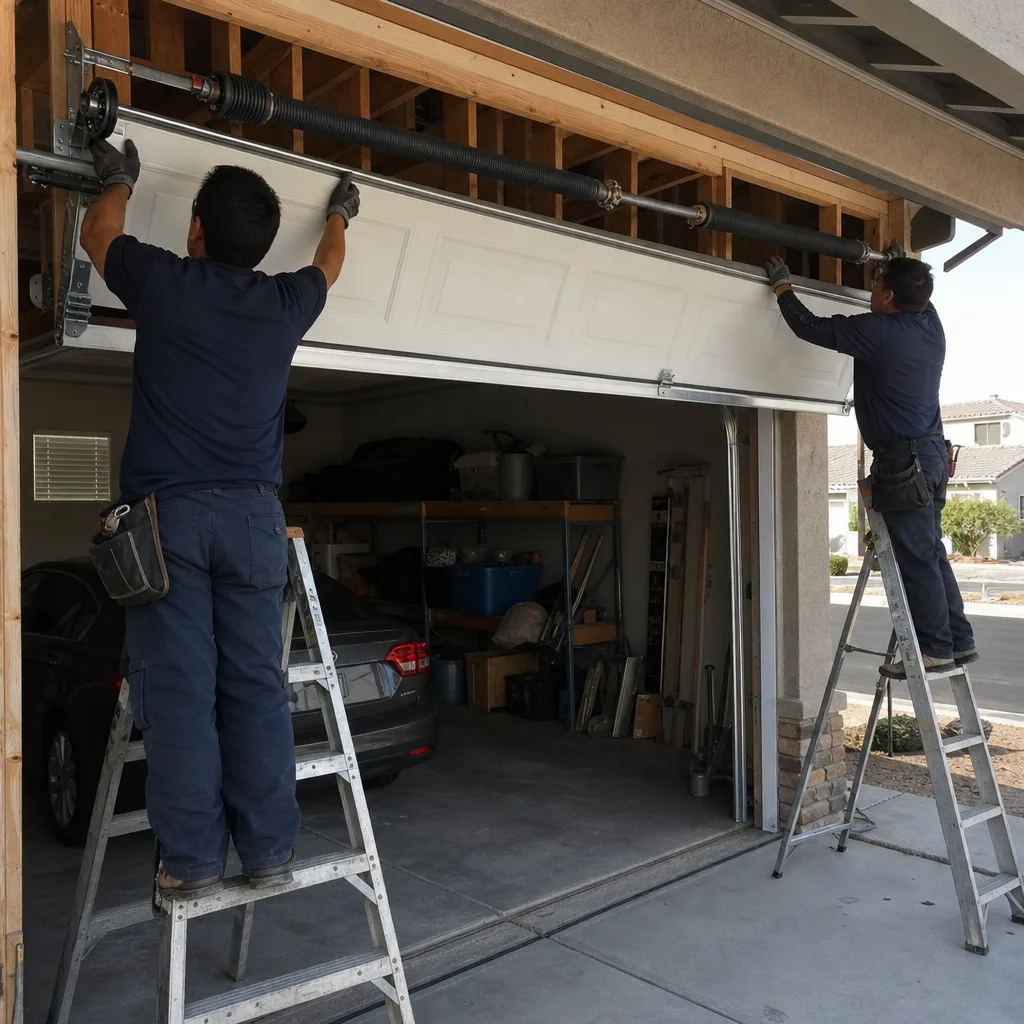
Call a professional the moment the task touches a torsion spring, a lift cable, a drum, or the opener’s force and travel settings. That’s the entire Band 3 set, and it applies to Whitney homeowners regardless of how many prior repairs you’ve done. Also call for a door that’s balanced wrong (it drifts or slams on its own), a door that reverses at mid-travel, an opener that runs but doesn’t move the door, or any panel that was damaged in a collision. In our experience, the calls we wish we got sooner are the ones where a weekend attempt moved a Band 3 task up the injury scale. The local pro is licensed and insured as their state requires, and the price is quoted and agreed before any work starts. Servo Garage Doors Whitney offers free estimates in Whitney. Call (888) 402-1096.
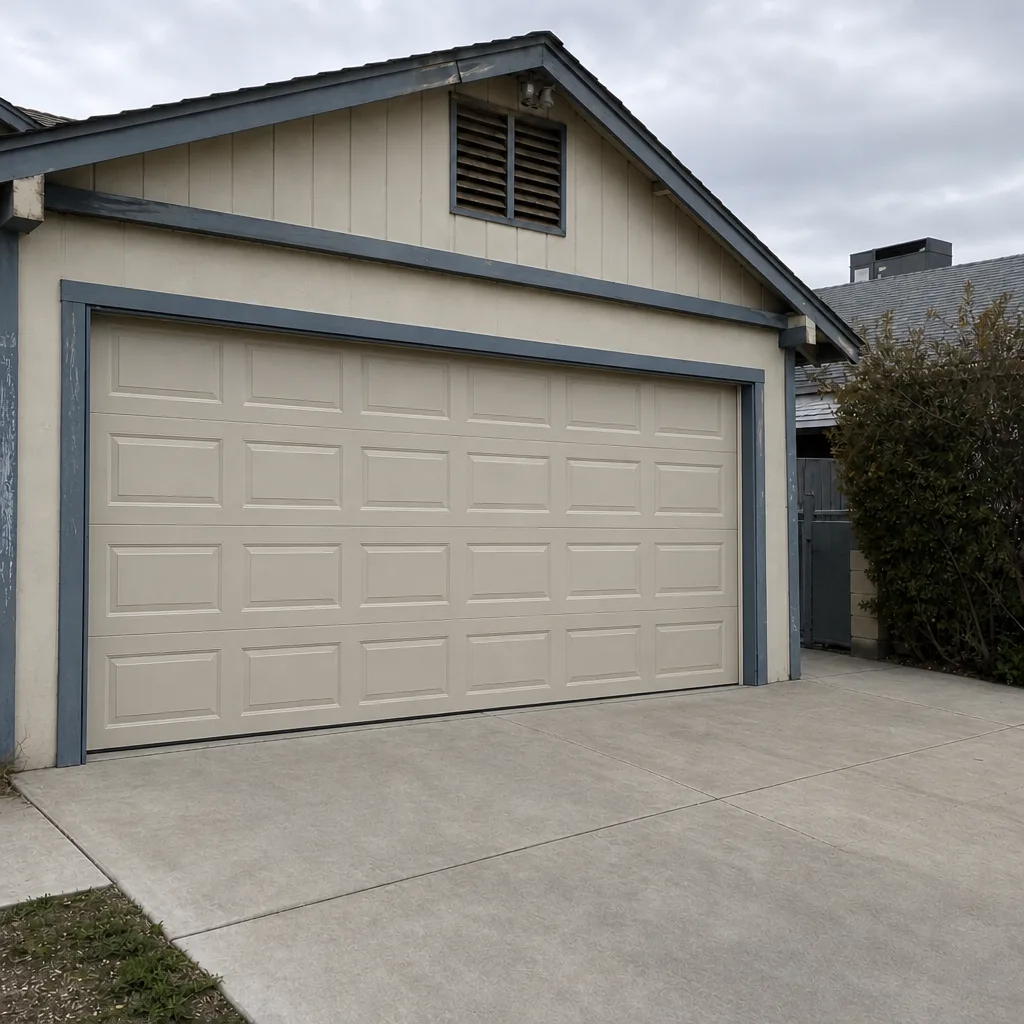
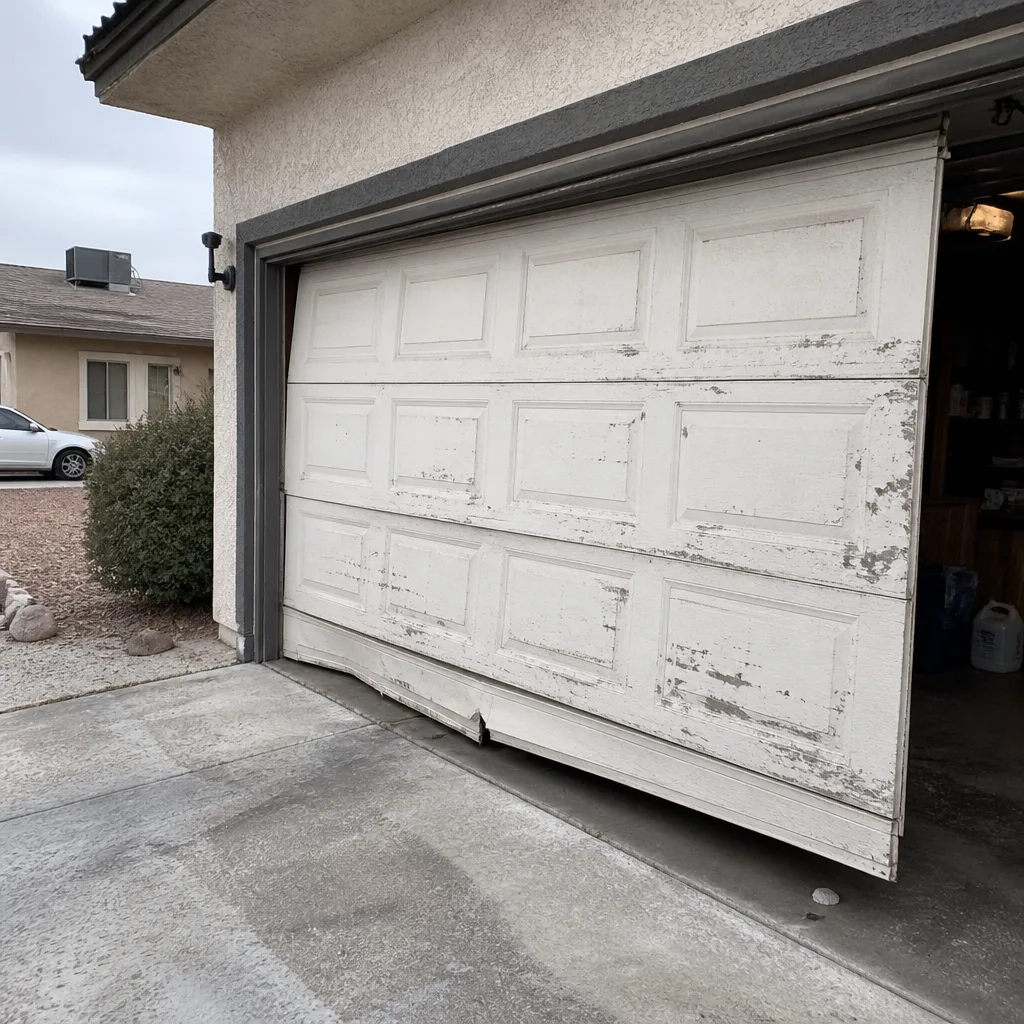
See the difference
BeforeAfter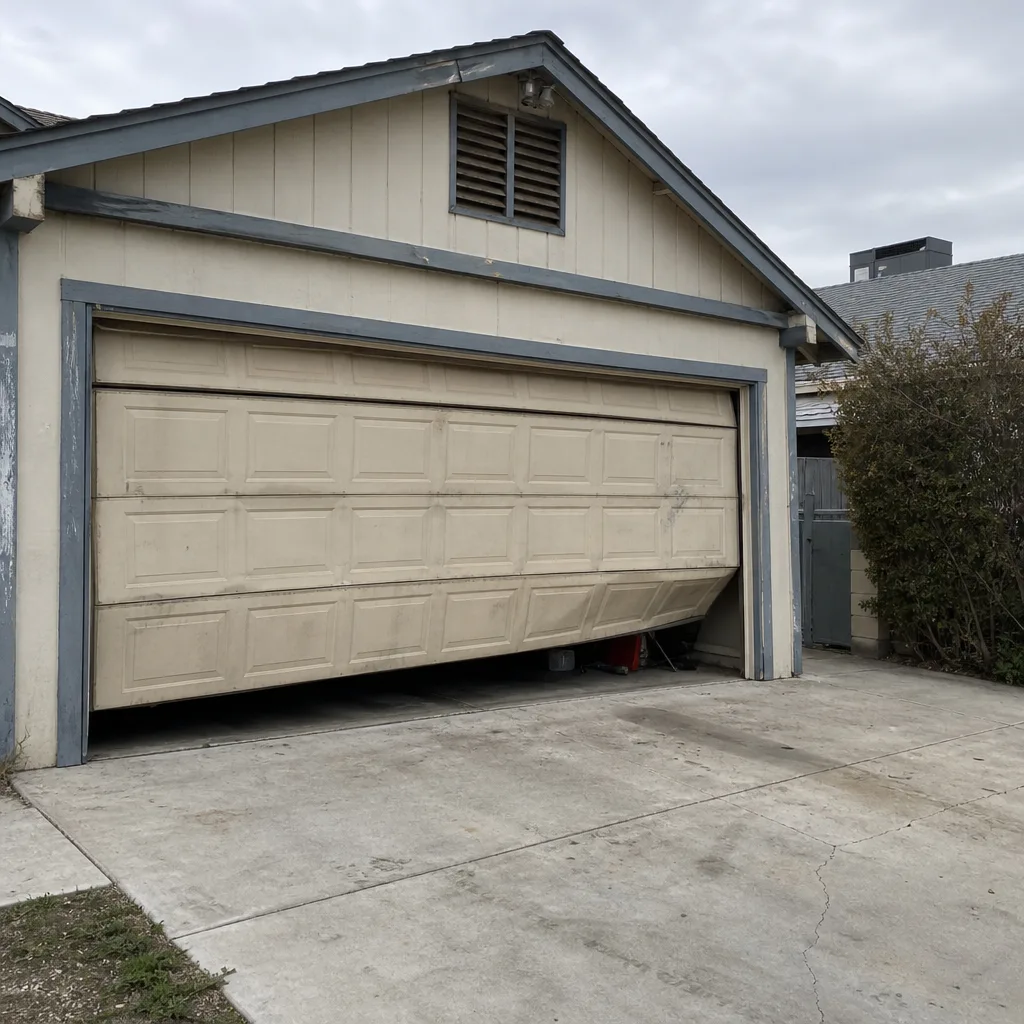 Before
 After
 Before
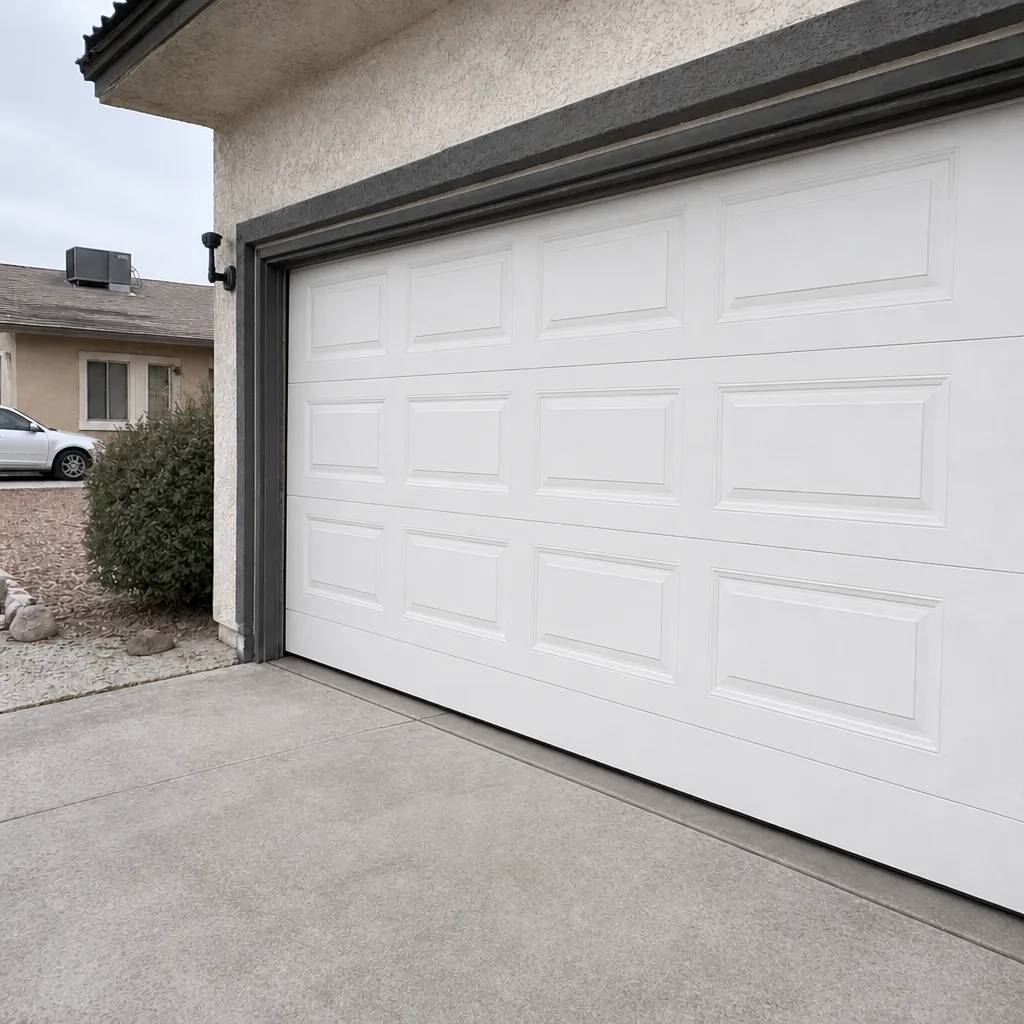 After
Frequently Asked Questions
No. Torsion spring replacement is a Band 3 task with an injury failure mode, regardless of skill. The spring must be wound to the correct number of turns under load, and a slip mid-wind is how garage door injuries happen. This is the one task we’d put in front of every homeowner: leave it to a trained technician. Call (888) 402-1096 for a quote, and the flat written price arrives before any work starts.
Typical Whitney repair calls range widely by component: roller and seal work sits at the low end, spring replacement typically runs $180 to $340, and opener logic-board or motor replacement runs higher, into the $300 to $600 range. A written price and scope always arrive before work starts, so the number you see is the number you pay. Estimates are free; call (888) 402-1096 for an exact quote.
Not if the diagnosis was captured correctly on the phone or in the written estimate. Under Clause 1 of The Haven Standard, the flat written price and written scope are agreed before any work starts, so a surprise added to the invoice isn’t part of how this works. If the door reveals a different failed component than the estimate covered, the technician photographs the part and quotes that separately before touching it. Call (888) 402-1096 with your door’s details for a firm price.
Same-day repair is available in Whitney most days, and emergency calls are answered by a live person 24/7, with a named technician and an on-the-way text rather than a callback window. Springs that snap in our summer heat are exactly the calls we plan capacity for. Call (888) 402-1096 and the live person who answers gives you a real window, not a recording.
It can complicate a claim if improper servicing is traceable to the failure. The safe pattern is to keep a written scope and receipt for every professional service, and to leave Band 3 work to a licensed and insured technician whose documentation stands behind the job. That’s the record an insurance adjuster wants to see. Call (888) 402-1096 for a documented repair.
Photograph the door’s interior label (manufacturer and model), the opener’s head-unit tag, the failed component, and any prior written scope. Keep the cycle count and door age with them. That stack turns the next service call into a targeted repair rather than a diagnostic visit, which is cheaper for you. Call (888) 402-1096 to have the same documentation created on your door.
The Bottom Line
Difficulty and danger are different axes, and the garage door is where the difference shows. Rollers, seals, hinges, and remotes are Band 1 and reasonable DIY. Spring winding, cable and drum work, and opener force calibration are Band 3 and stay professional, no matter how handy you are. The tool math usually closes the savings gap anyway, and the Nevada paper trail (warranty, insurance, permit) leans toward professional work on anything structural. Keep the documentation regardless of who does the job. The rest is a phone call. If you’re ready to price a Whitney door, our Servo Garage Doors Whitney home page has the service list.
Whether you’re repairing or replacing, Servo Garage Doors Whitney delivers a flat written price and written scope before any work starts, a background-checked and uniformed technician on the job, and a documented photo record when we leave. The 365-Day Done Right Promise covers the work, and the Free Second Opinion applies to any written estimate you bring from another company. Call (888) 402-1096 for a free estimate, and we’ll name the price range on the page before we ever touch the door.
Written by the team at Servo Garage Doors Whitney.