
Last updated November 18, 2026
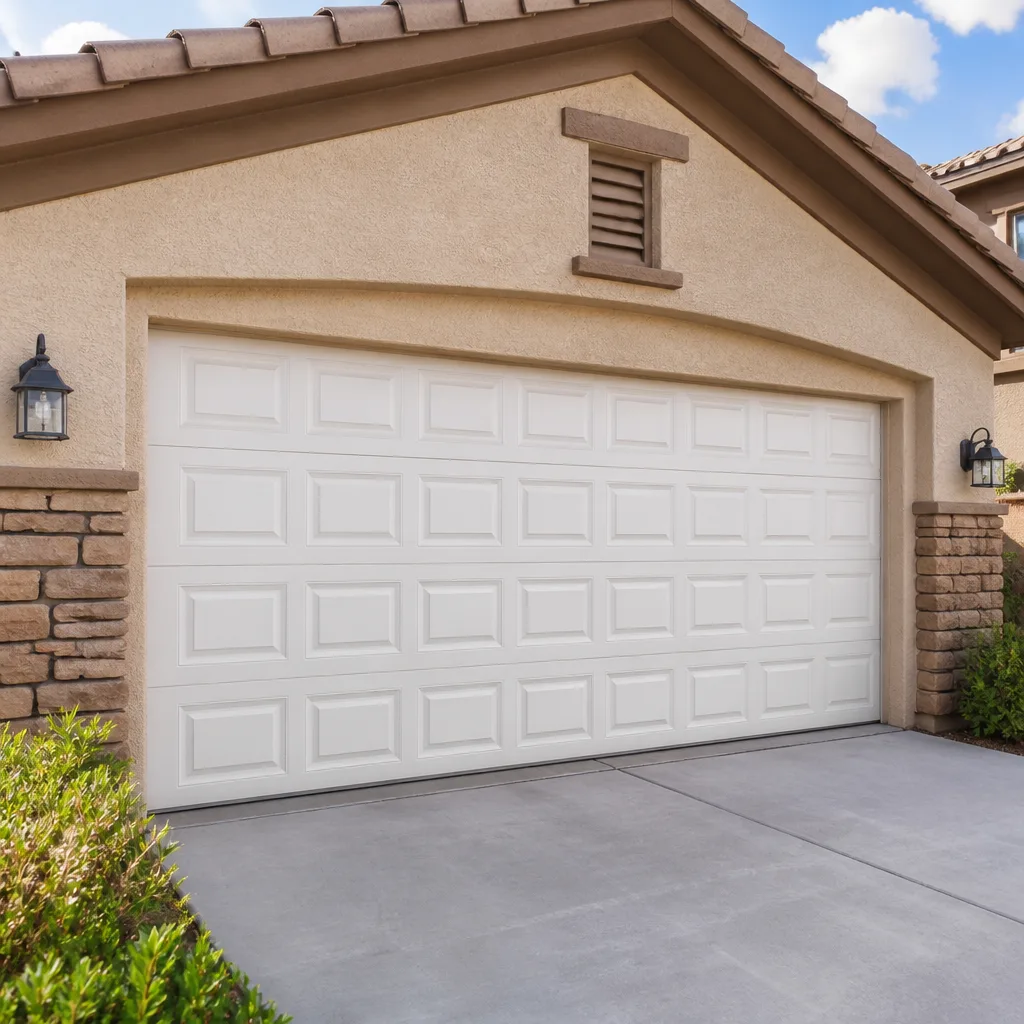 Raised-panel steel
 Carriage house
 Modern flush
 Full-view glass
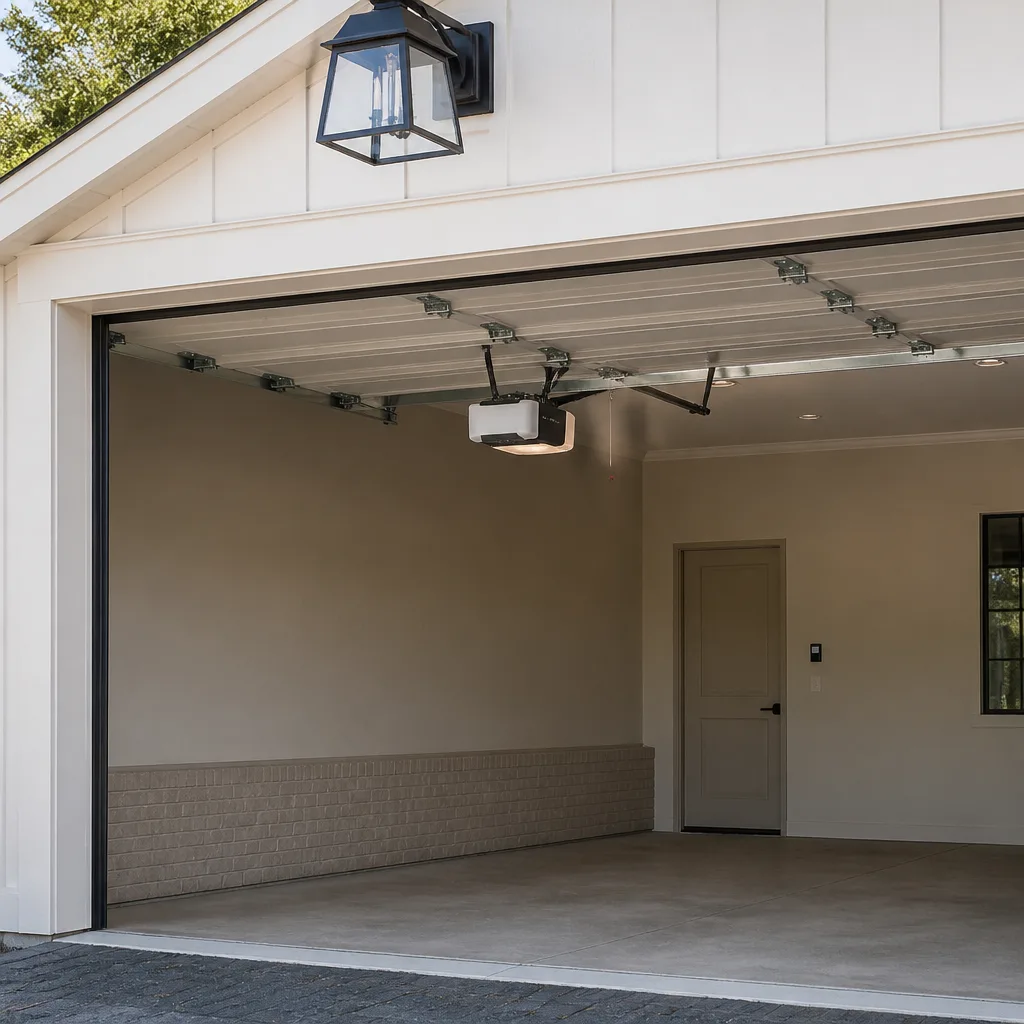 LiftMaster openers
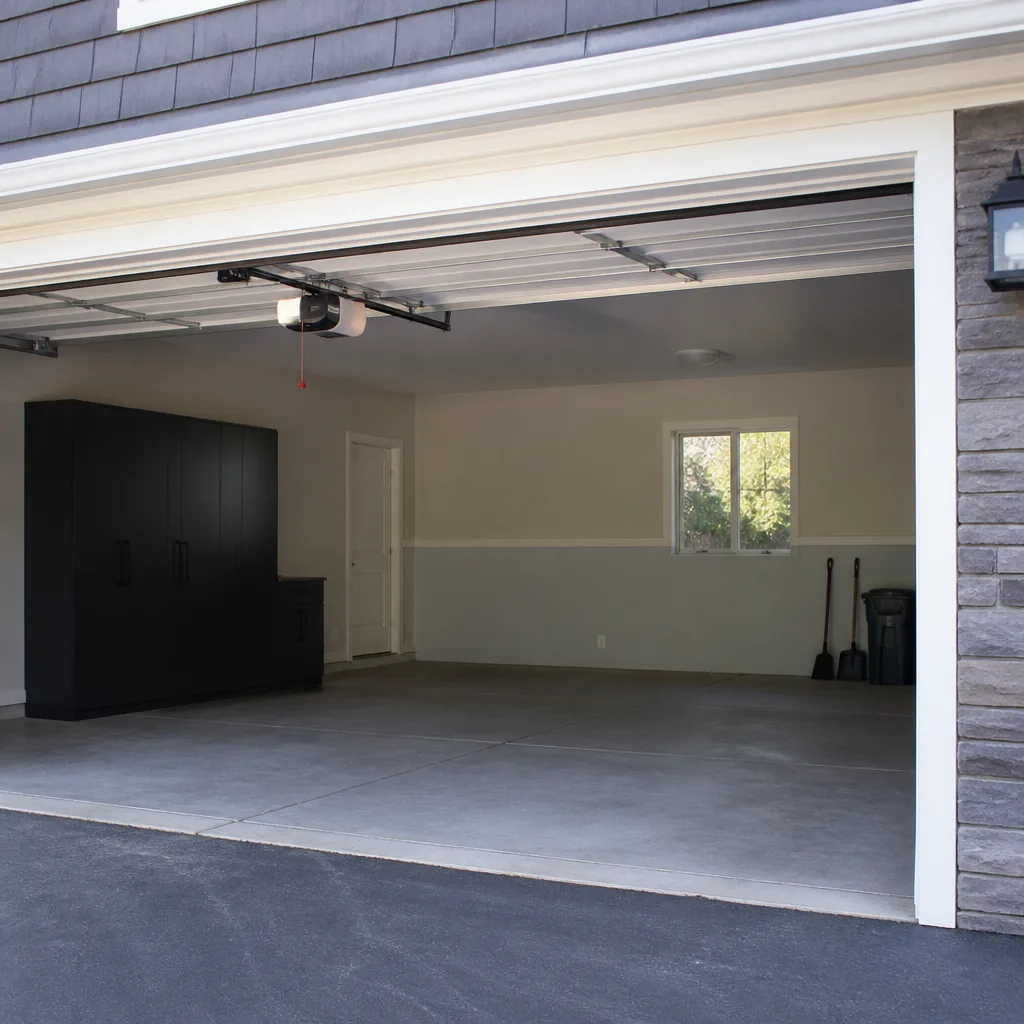 Chamberlain openers
Full 25-point door and opener safety check with every visit - springs, cables, rollers, tracks, and your LiftMaster or Chamberlain opener included
You get a price before we start. It does not change when the pro arrives.
Get your free estimateGarage Door Warning Signs: A Whitney Homeowner’s Reference Guide
A torsion spring doesn’t snap without warning. It warns you first with a metallic ticking under load, a door that feels heavier than it did last month, and a cable drum that’s drifted slightly out of plane. Most Whitney homeowners catch one of those three signals and miss the other two, because nobody ever described precisely what to listen for or where to look. This guide maps the early signals that arrive weeks or months before a failure, tells you which ones mean “schedule service” and which mean “lock the door and stop using it,” and teaches you the manual lift test that reveals spring wear before anything breaks.
Quick Answer
Early garage door warning signs include metallic ticking or grinding at specific points in the door’s travel, a door that lifts heavier than it used to, fraying cable strands near the drum, and an opener that reverses without an obstruction. Catching these signals early usually means a service appointment; ignoring them usually means an emergency call. If you hear a loud bang and the door won’t lift, that’s a failed torsion spring, and the door should not be operated until a technician sees it.
Styles & brands we work with
- Raised-panel steel
- Carriage house
- Modern flush
- Full-view glass
- LiftMaster openers
- Chamberlain openers
Table of Contents
- The Acoustic Catalog: What Each Failing Part Sounds Like
- The Manual Lift Test: Measuring Spring Wear at 90°
- Reading Your Cables: Oxidation Versus Strand Fraying
- Opener Behavior That Signals a Mechanical Problem
- The Triage Matrix: Continue Using It or Stop Now?
- Whitney Conditions That Accelerate Wear
- What to Check Each Season in Whitney
- Common Mistakes to Avoid
- When to Call a Professional
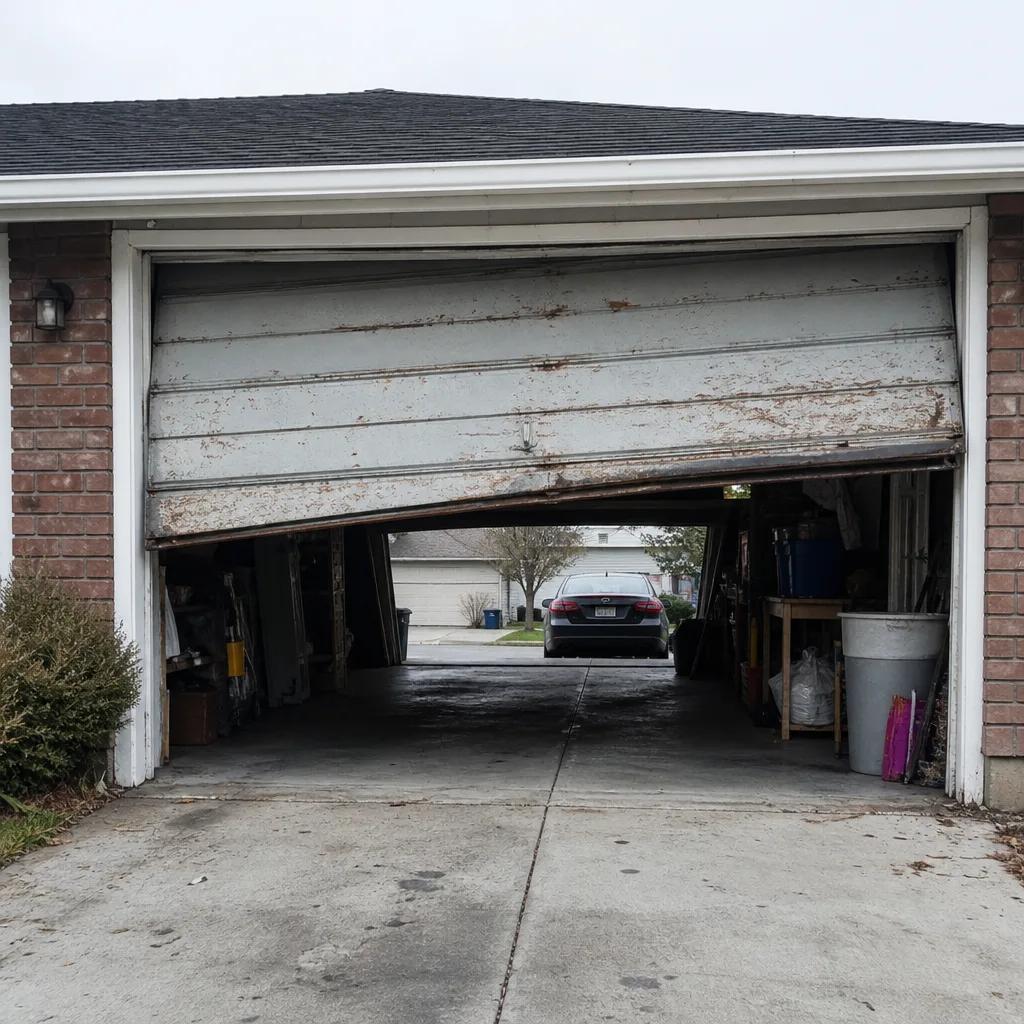 Before
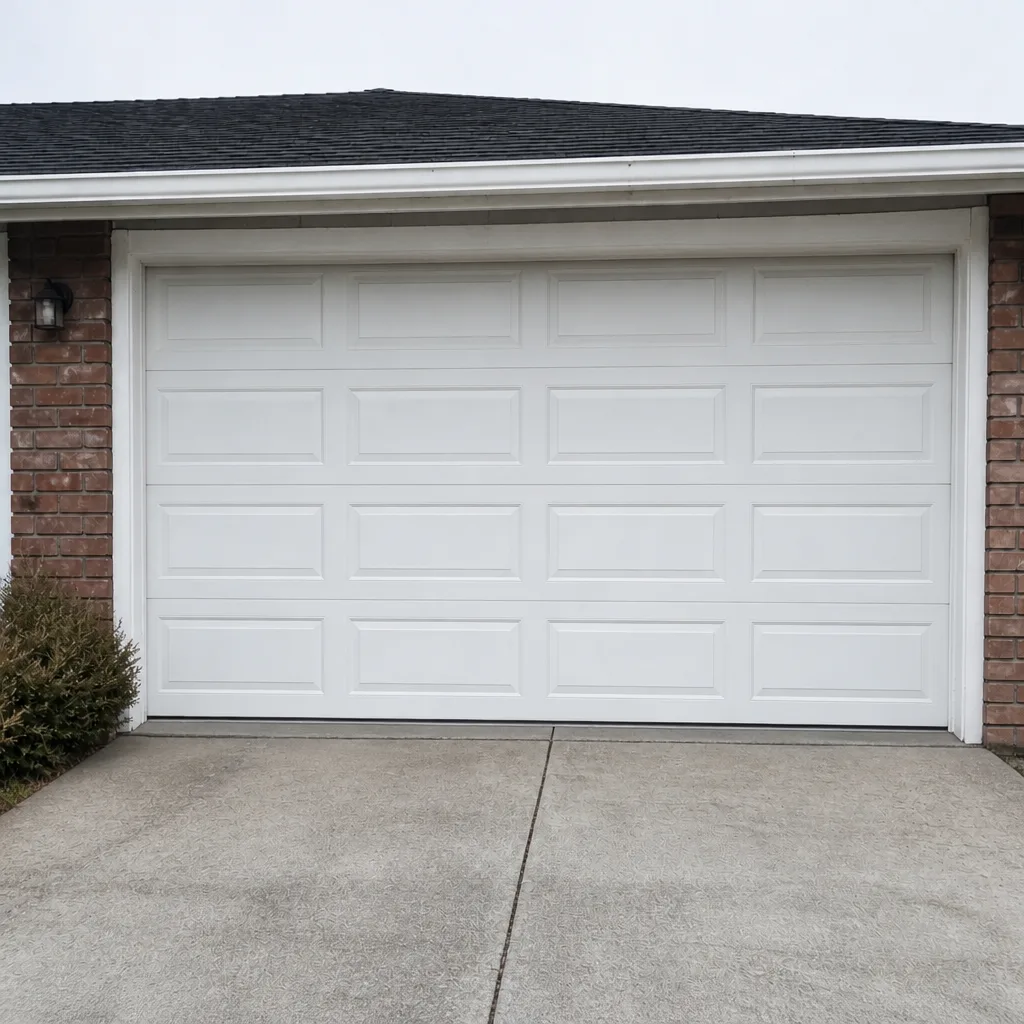 After
The Acoustic Catalog: What Each Failing Part Sounds Like
Sound is the earliest signal a garage door gives you, and it’s the one homeowners describe most vaguely. “It’s making a noise” tells a technician nothing. The useful questions are: What kind of noise? And at what point in the door’s travel does it happen? A door travels through four rough phases – the opening start (trolley and opener engagement), the mid-raise (rollers in the vertical track), the apex (curved track transition), and the descent. Where a sound lives in that arc points to the part responsible.
Three failures have distinct signatures. Learn them and you’ll describe your problem accurately when you call, which shortens the diagnosis and the job.
- Worn rollers: A rhythmic, low grinding or rumbling that repeats every few seconds during travel. Rollers wear flat on one side, so the noise pulses at a steady beat and changes intensity as the door moves through the curved track. It’s worst at the apex, where the roller takes the most load. This is a schedule-service sound.
- Cable-drum mistrack: A sharp, scraping click or a metallic pop at a consistent spot in the travel, usually early in the raise as the cable winds onto the drum. It means the cable is climbing the drum unevenly rather than laying in its groove. Left alone, the cable can jump the drum entirely and the door drops on one side. Treat this as urgent.
- Failing torsion spring: A dense metallic ticking under load, louder when the door is moving and quieter when it’s at rest, coming from the shaft above the door rather than the rails. A spring that’s cracking coil by coil ticks before it breaks. This is your weeks-of-warning signal, and a door with a ticking spring is on a countdown.
If you can stand in your driveway and identify which of these three sounds you’re hearing, you already know whether to call today or this week. In our experience running service calls across Whitney, the acoustic mismatch is the single most common reason a small repair turns into a full torsion-spring replacement.
The Manual Lift Test: Measuring Spring Wear at 90°
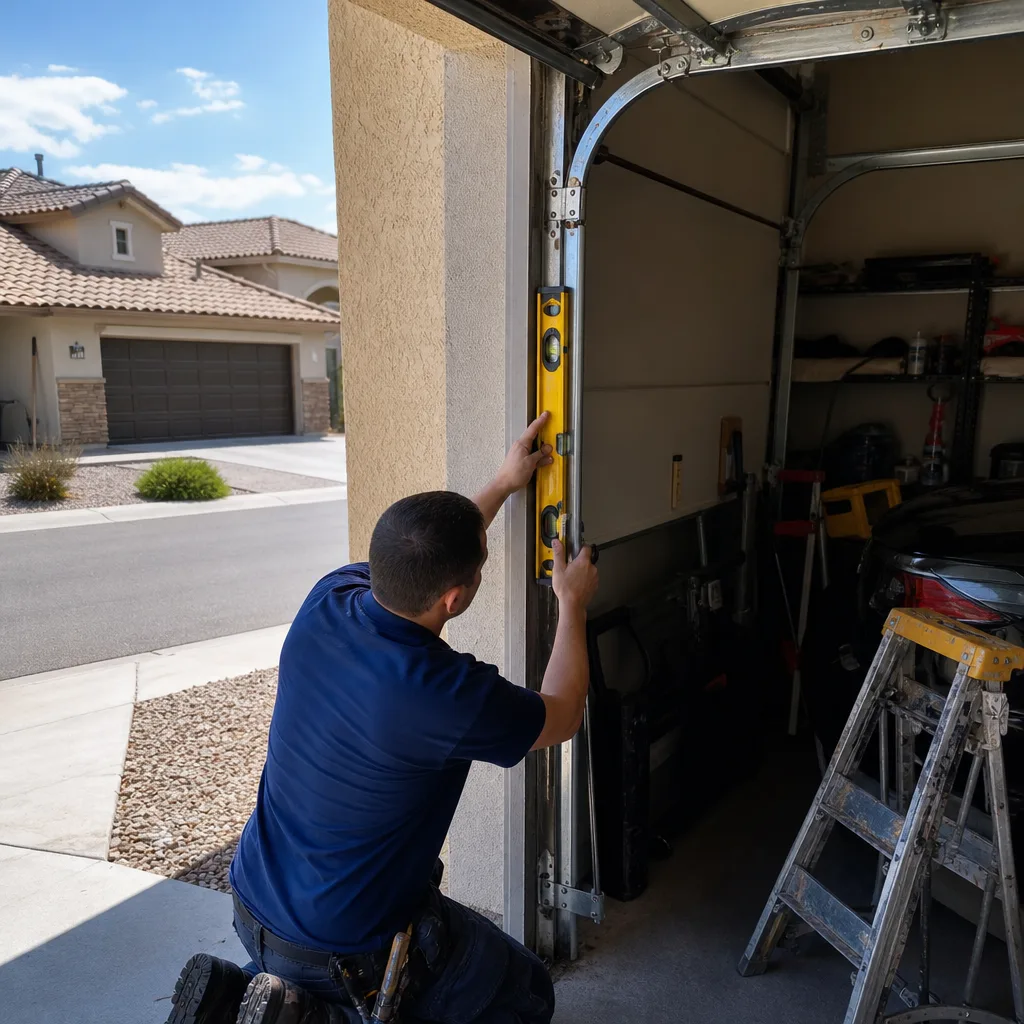
The springs above your door carry the door’s weight – typically 150 to 250 pounds on a standard two-car door. A healthy spring system makes the door feel nearly weightless through most of its travel. As springs lose tension, the door gets heavier, and the change is gradual enough that you adapt to it without noticing. The manual lift test measures it directly.
Do this with the opener disconnected, using the emergency release cord. The door should be at rest, closed. Then follow these steps:
- Pull the emergency release cord to disconnect the opener trolley from the door. The door should move freely by hand.
- Lift the door slowly by its bottom edge until it’s halfway up. It should rise with light, even effort – one hand is enough on most doors.
- Release the door at roughly halfway. A balanced door stays put. A door that drifts down is showing spring tension loss.
- Raise the door to about 90° open – not fully open – and release it there. At 90°, the spring is at its working midpoint and the test isolates spring tension from the track geometry. The door should hold. If it sinks, the spring is weak or fatigued.
- Compare the effort to last month. A door that felt like a feather and now feels like a screen door needs a spring inspection.
Why 90° and not fully open? At full open, the horizontal track and the door’s own geometry can hold the door in place even when a spring is failing, which masks the problem. The 90° position puts the load where the spring’s condition shows most clearly. If your door sinks at 90°, schedule a spring service before you operate it again.
A word of caution here: do not attempt to adjust, remove or wind the torsion spring yourself. The spring stores enough energy to cause serious injury, and it’s the part of the system that requires a trained technician with the right winding bars. The lift test tells you the spring is tired; a professional fixes it.
Reading Your Cables: Oxidation Versus Strand Fraying
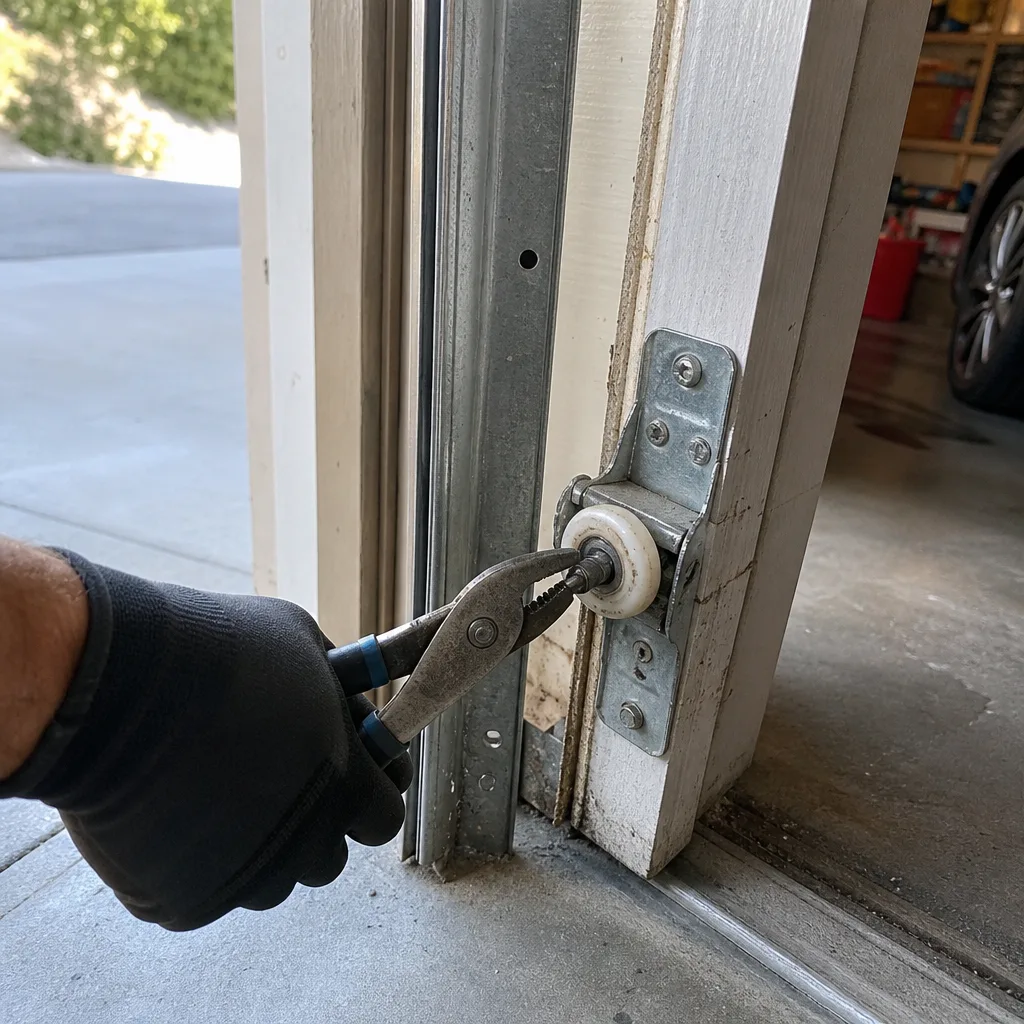
Cables run from the bottom corners of your door up to the drums at the top. They carry the door’s weight during every cycle, and they fail by fraying strand by strand before they snap. Look at them up close near the drum, where they take the most stress.
You’ll see two things that look similar but mean very different things. Surface oxidation is a dull, brownish patina on the cable and on the drum housing. It’s cosmetic and common in Whitney, where dry air and dust coat the hardware. Load-bearing strand fraying is different: you’ll see individual wire strands broken and sticking out at an angle, sometimes just one strand, sometimes several. Run a gloved hand along the cable near the drum and feel for snags. Snags mean broken strands.
The replacement threshold: two or more broken strands on a visible section of cable means replace the pair. Cables are sold and installed in matched pairs because uneven tension between an old and a new cable distorts the drum and can pull the door out of alignment. A single spot of surface rust on a cable that runs smooth is not a failure; a single broken strand with a jagged end is. If you find a broken strand, treat the door as urgent. Stop using the opener and call for service.
While you’re inspecting, check the cable drums at the top of each side. The cable should sit neatly in the drum’s grooves, not crossed over itself or climbing the lip. A cable that’s jumped its groove is a drop hazard.
Opener Behavior That Signals a Mechanical Problem
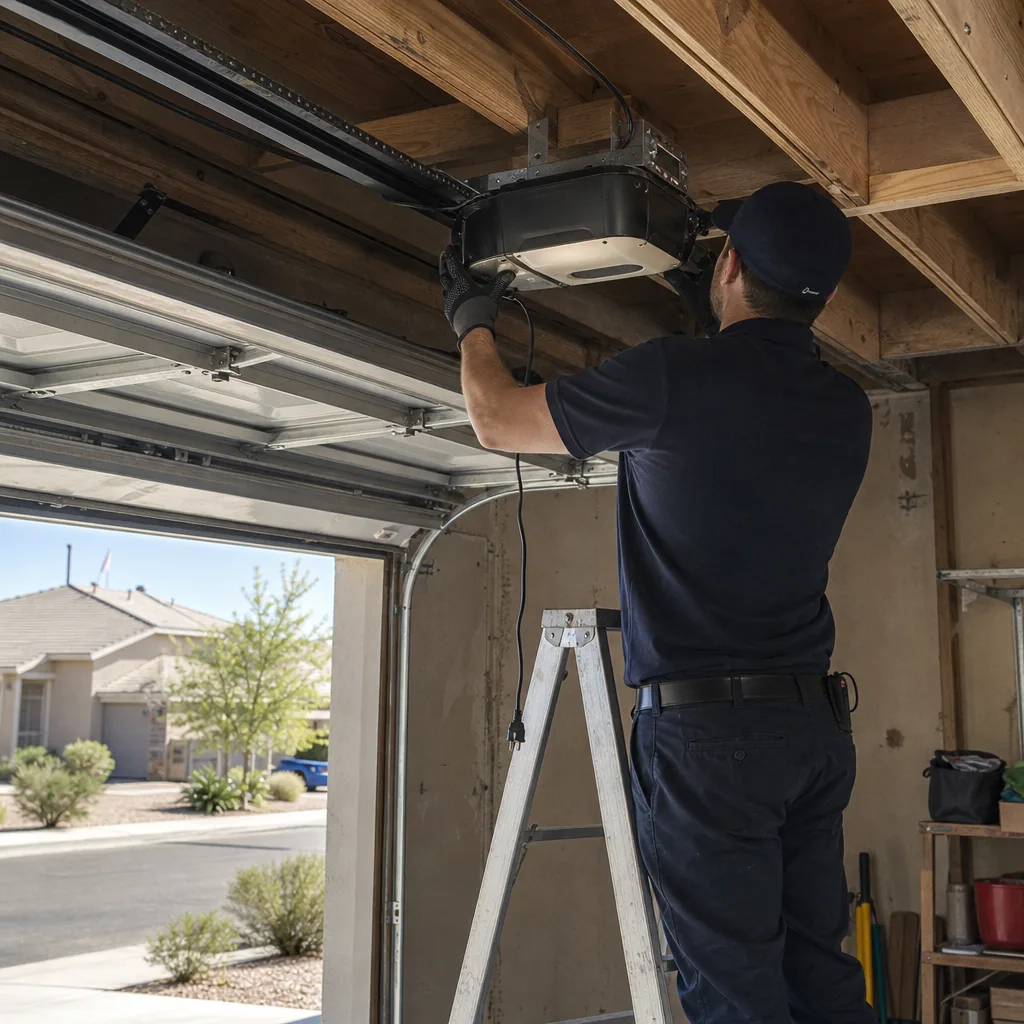
Homeowners often blame the opener when the door itself is the problem. Before you call for a new LiftMaster or Chamberlain unit, rule out a mechanical cause by watching two behaviors.
Force limit hunting. Modern openers, including Genie and LiftMaster models, have a force limit setting: it measures resistance during travel and stops the door if it exceeds a threshold. When your door’s weight or track resistance rises, the opener’s force limit fights it, and you’ll hear the opener strain – or it will stop and reverse partway up. Increasing the force limit isn’t the fix; the door is telling you something in the mechanism is dragging. A door that needs more force to lift needs a spring or track inspection, not a stronger opener.
Auto-reverse without obstruction. If the door reverses on the way down when nothing is under it, the opener’s safety sensor or the force limit may be triggering. Two possibilities: a misaligned photo-eye (the two sensors at the bottom of the tracks must see each other), or a door that’s binding in its tracks, which the opener reads as resistance. The photo-eye check is simple: the sensor LED on each unit should be steady, not blinking. If the lights are steady and the door still reverses, the cause is mechanical.
Software behavior on newer openers – random direction changes, the light flashing a code – is usually a logic board issue, which is a repair for a technician. If you’re seeing anything beyond a steady photo-eye and an opener that runs smoothly, our Garage Door Opener Repair & Installation in Whitney page covers the diagnostic sequence.
The Triage Matrix: Continue Using It or Stop Now?
The single most useful thing this guide can give you is a clear decision: which signs let you schedule a visit at your convenience, and which mean lock the door and stop. Here’s how we sort it.
Schedule service within the week (continue using carefully):
- Rhythmic roller rumble or grinding at a consistent point in travel.
- Door feels heavier than last month but lifts and holds at 90°.
- Occasional single-roller squeak, or a door that sounds louder than it used to.
- Cosmetic surface rust or oxidation on cables with no snags.
- Opener light flickering or photo-eye needing an alignment nudge.
Stop using the door now, lock it manually, call today:
- Any broken strand on a cable – a single one counts.
- A cable climbing its drum or off its groove.
- A metallic ticking from the shaft above the door, or a loud bang followed by a door that won’t lift.
- A door that sinks at 90° in the lift test, or that free-falls when released.
- A door that’s visibly out of level – one side higher than the other – or a door hanging off its track.
Notice the dividing line: anything that affects how the door carries its weight is a stop-now signal, and anything that’s cosmetic or slow-wearing is a schedule-service signal. If you’re unsure which category you’re in, the safe choice is to lock the door and ask. A five-minute phone call is cheaper than a door that drops on a car or a person.
Whitney Conditions That Accelerate Wear
Whitney’s climate is part of the story. The valley’s dry summer heat and the dust that comes with it coat garage hardware, and dust in the rollers and track grooves acts like a mild abrasive during every cycle. Springs under constant temperature cycling – hot afternoons, cooler nights – fatigue faster than springs in a stable climate, which is why we see spring failures clustered in spring and early fall here, right after the temperature swings. If you’re in a neighborhood like the ones around Whitney Ranch or near the recreation center, where the sun bakes the door face most of the day, your hardware lives a harsher life than the same parts a few hundred feet under shade.
Our advice on the seasonal check: walk the perimeter of the door in early spring and again before the cold weather sets in. Spin the rollers by hand and listen for grinding; run the lift test; look for cable snags; watch the opener’s force behavior. Fifteen minutes twice a year catches most of what a technician would catch during a service call.
The other Whitney-specific factor is door age and mix. Many homes built in the 2010s came with builder-grade openers and standard-tension springs, and both wear out on a predictable schedule. If your door is approaching that age range and you’re hearing the signals in this guide, you’re not imagining things. Our Garage Door Repair in Whitney page covers the repairs most commonly needed on doors of that vintage.
What to Check Each Season in Whitney
The inspection above works best split into two sessions that match the valley’s extremes: one in spring, when temperatures are climbing, and one in fall, when they start dropping. The temperature swings are when stressed hardware gives out. Use this checklist:
- Spring check: run the manual lift test at 90°, inspect cables for broken strands, spin the rollers, and confirm both photo-eyes show steady LEDs.
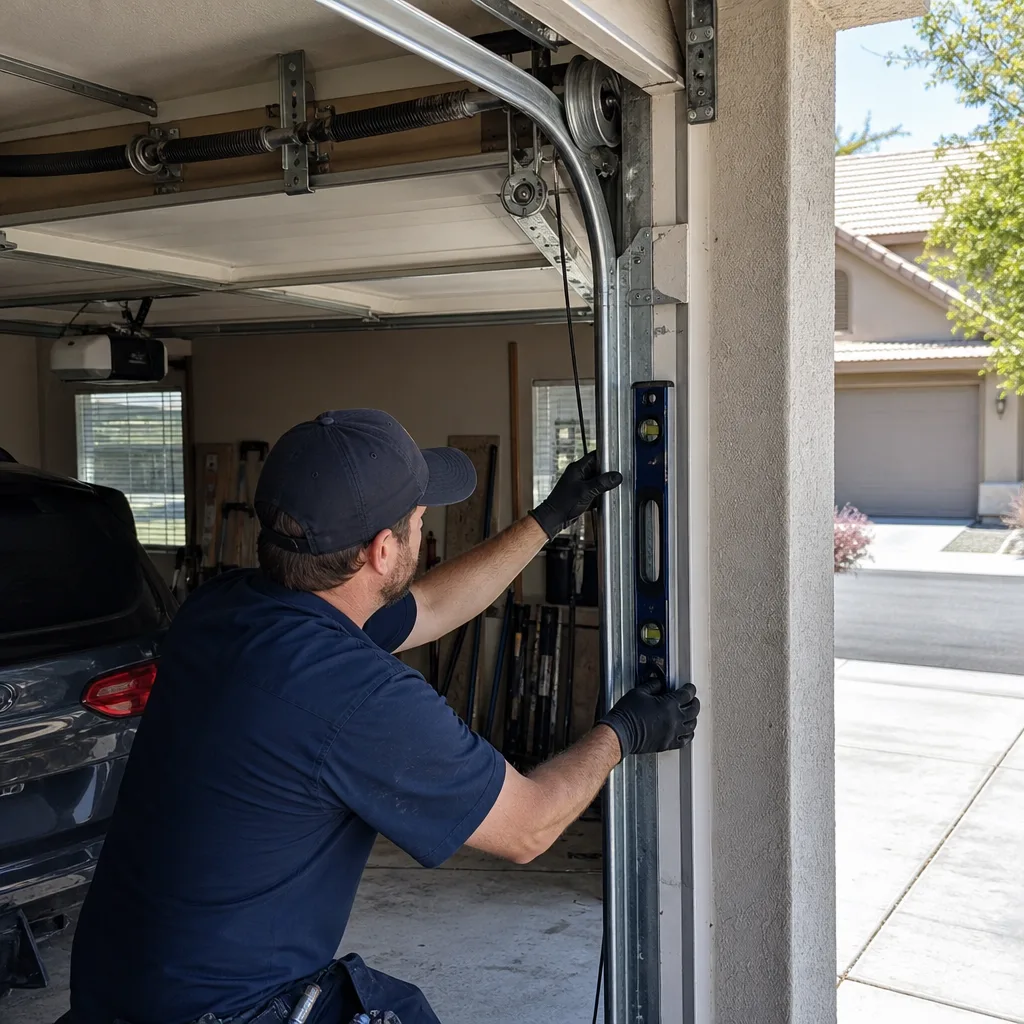
- Check the track alignment with a level at the top and bottom on both sides; a track that’s drifted out of plumb shows as a gap at the top.
- Fall check: re-run the lift test, listen for the metallic ticking under the shaft, and watch the door’s first 6 inches of travel for any stutter.
- Lubricate the rollers, hinges and springs with a silicone or lithium-based product – not a penetrating oil, which attracts dust.
If a check turns up a stop-now signal, don’t wait for the other season. Call us at (888) 402-1096 and describe what you found and where in the door’s travel it happens.
Common Mistakes to Avoid
- Reading “it still works” as “it’s fine.” A door that opens and closes can be a door that’s failing – the early signals in this guide appear long before the door stops. Waiting for a total failure usually means an emergency call instead of a scheduled one.
- Turning up the opener’s force limit. When the door gets heavier, the fix is in the spring and track, not the opener’s settings. Raising the force limit masks the problem and can cause the opener to pull a binding door into the frame.
- Ignoring a single broken cable strand. Two or more broken strands is the replacement threshold for the pair, but one broken strand on a cable that’s already tired is a strong signal to have the pair inspected. Cables fail fast once they start.
- Lubricating a noisy cable instead of inspecting it. A grinding cable is reporting a drum or alignment problem. Oil quiets the symptom and delays the repair that prevents a drop.
- Testing the door’s reverse function with a broom and calling it done. The auto-reverse test is necessary but it verifies only the safety sensor. It doesn’t tell you about spring fatigue or a fraying cable.
- Letting a door that sinks at 90° operate normally. That’s a spring carrying less than its share of the weight. Using the opener takes the load onto the motor and accelerates wear. Schedule the spring service and use the door by hand or leave it down until then.
See the difference
BeforeAfter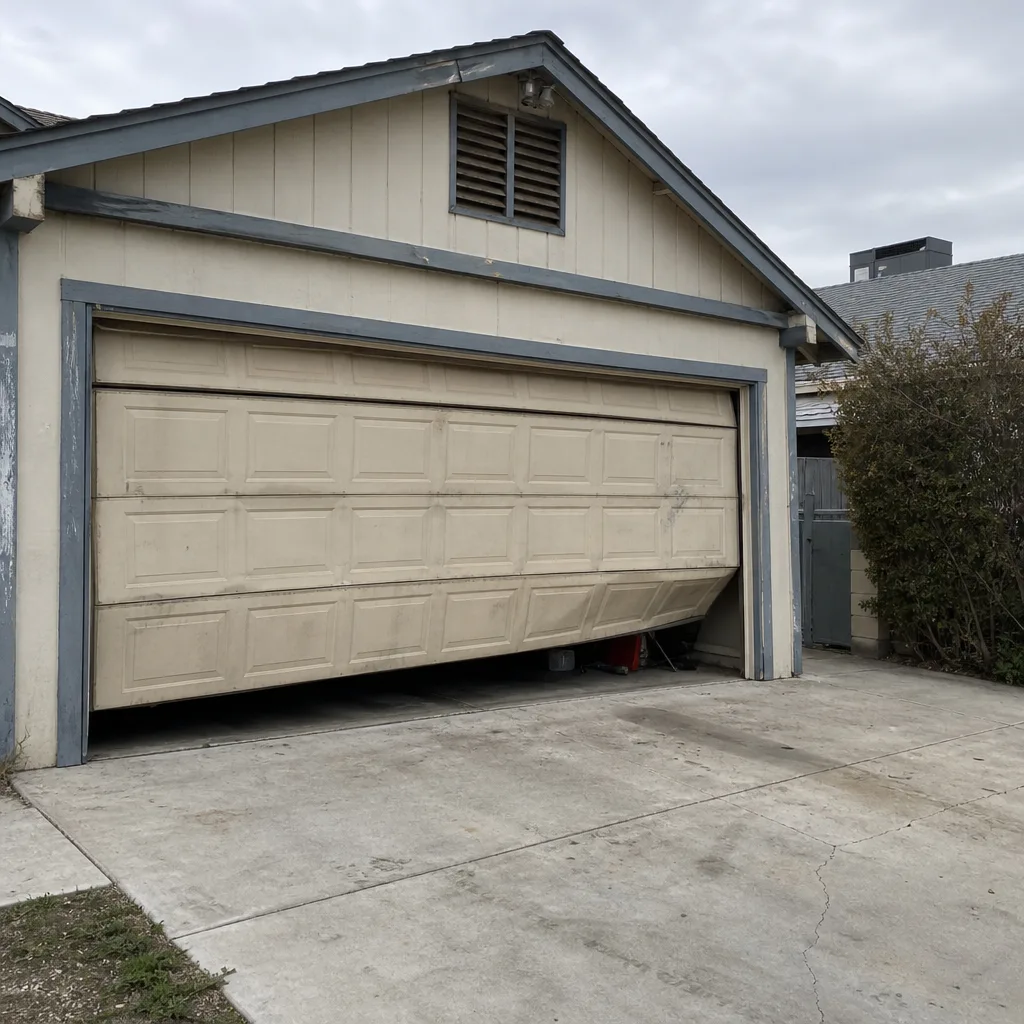 Before
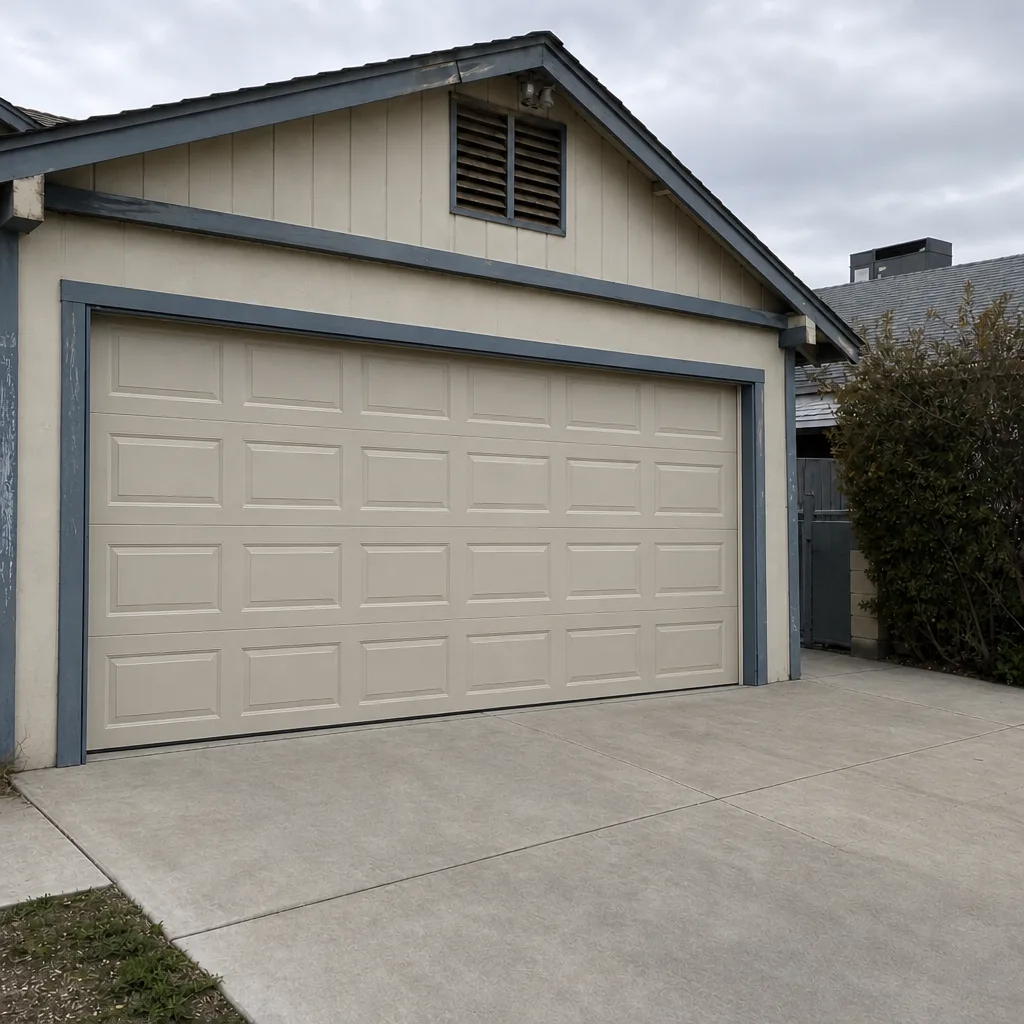 After
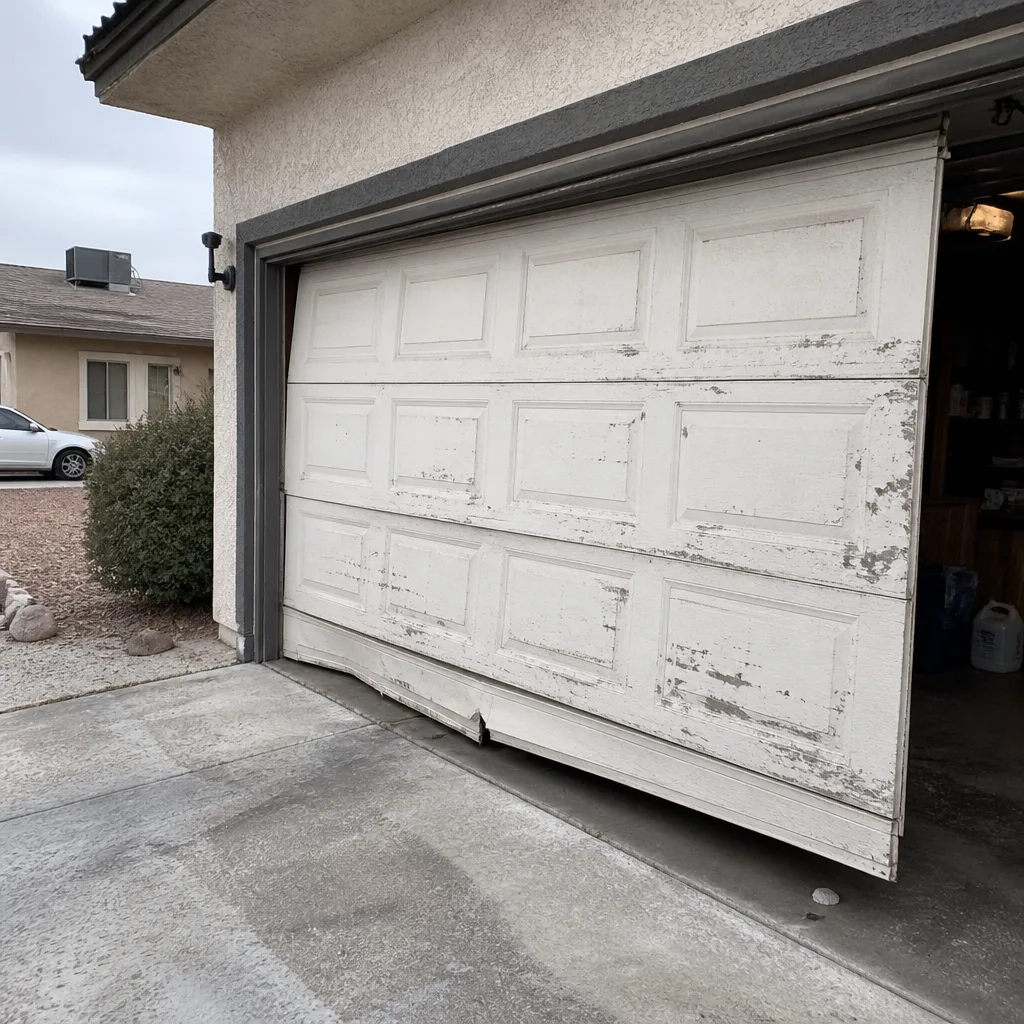 Before
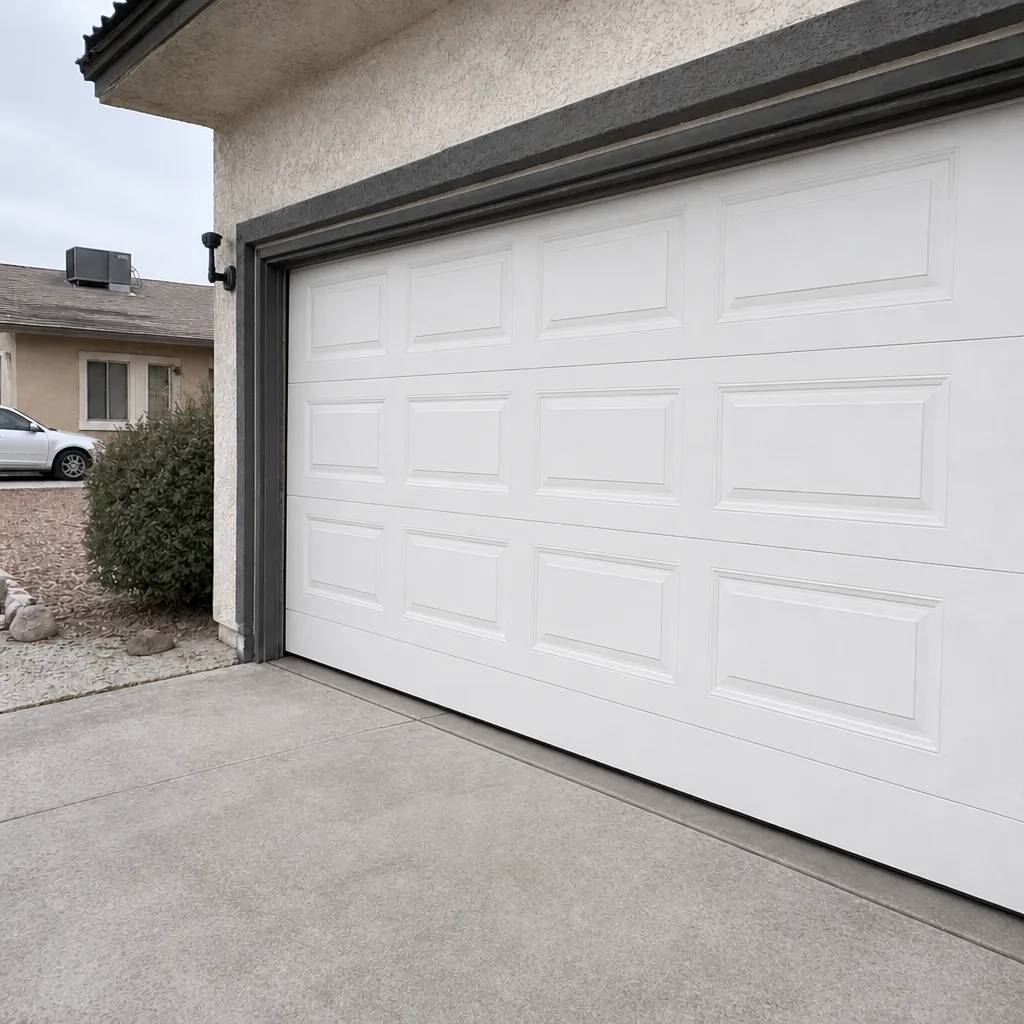 After
When to Call a Professional
Call when you hear the metallic ticking from the shaft, when any cable strand is broken, when the door sinks at 90° in the lift test, or when the door reverses with no obstruction and a steady photo-eye. Those are the cases where a trained technician should inspect before the door is used again. A torsion spring holds enough stored energy that a DIY attempt can injure you seriously, and a door that’s hanging off its track can drop. Neither is a job for a homeowner.
Servo Garage Doors Whitney offers free estimates in Whitney. Every job starts with a flat, written price and written scope before any work begins, and every visit closes with a documented photo record of what we found and what we did. Call (888) 402-1096 for a free estimate.
Frequently Asked Questions
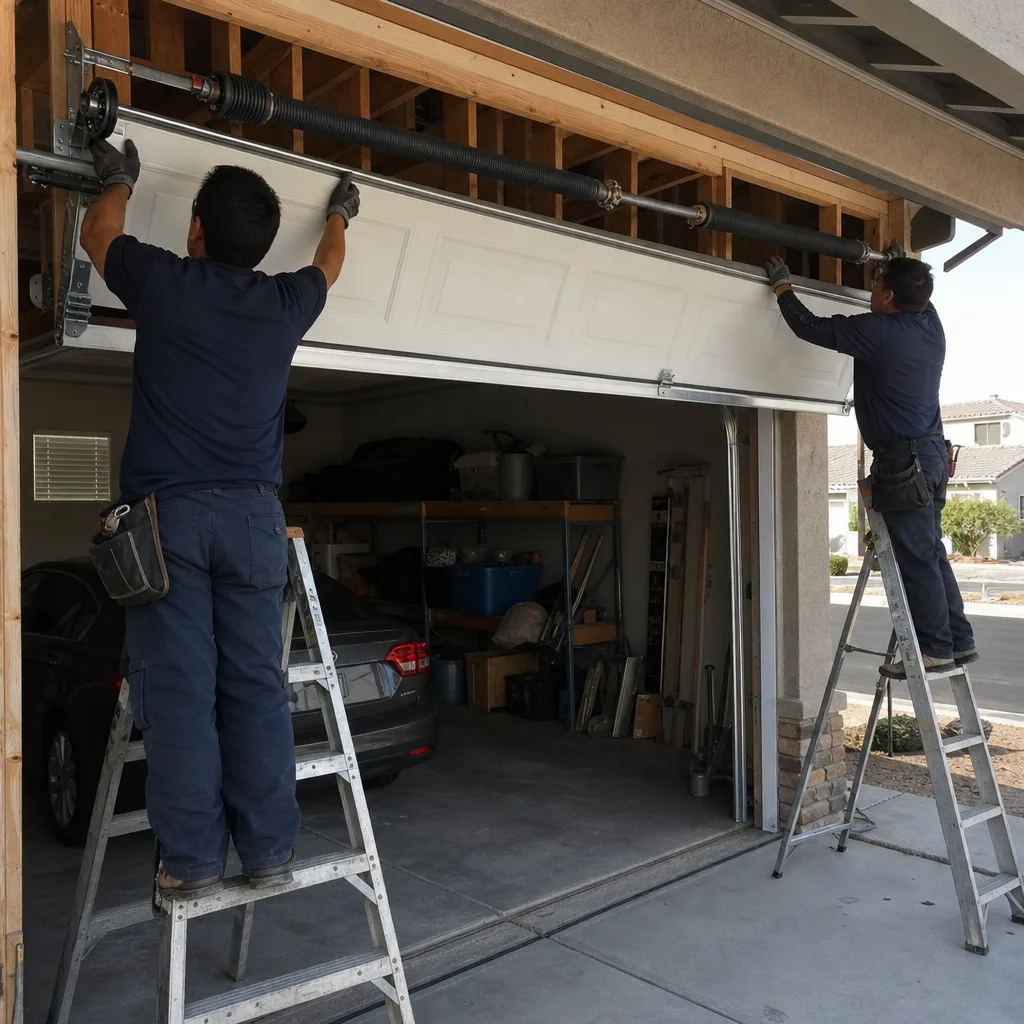
A failing torsion spring usually makes a metallic ticking under load, louder when the door is moving, coming from the shaft above the door. The door also feels heavier than it did in the lift test and may sink when released at 90°. If you hear a loud bang followed by a door that won’t lift, the spring has already broken, and the door should not be operated until a technician inspects it.
A failed cable shows broken wire strands sticking out at the drum end, often with a jagged end. Surface oxidation looks like a dull brownish coating and runs smoothly to the touch; strand fraying catches a gloved hand. If you find two or more broken strands on a visible section, the cable pair should be replaced.
Usually not. Auto-reverse without an obstruction is most often a misaligned photo-eye or a door binding in its tracks, which the opener reads as resistance. Check that both sensor LEDs are steady; if they are, the cause is mechanical, and the opener should be looked at along with the door’s springs and track.
The lift test is safe to do yourself with the opener disconnected, as long as you use the emergency release and don’t adjust the spring. If the door sinks at 90° or free-falls when released, stop there and schedule service. Never attempt to wind, loosen or remove the torsion spring yourself.
Twice a year, in spring and fall, when temperature swings are hardest on the springs and hardware. A second check before the cold season catches the wear that the hot months add. If any stop-now signal appears, call immediately rather than waiting for the next scheduled check.
The cost depends on the part: a torsion spring replacement, cable pair, roller set or opener repair all fall into different ranges. We quote a flat, written price and a written scope before any work begins, so you’ll know the total before we start. Call (888) 402-1096 for an exact quote; estimates are free.
The Bottom Line
Garage doors warn you before they fail, but only if you know what to listen for and where to look. The earliest signals are acoustic (ticking from the shaft, grinding at the rollers, scraping from a cable drum), mechanical (a door that’s heavier than it was a month ago or that sinks at 90°), and visual (frayed cable strands, cables climbing their drums, a door out of level). Sort what you find into schedule-service versus stop-now, run the lift test at 90° twice a year, and trust the ticking spring. Whitney’s hot, dry, dust-heavy climate makes this inspection more useful here than almost anywhere else.
If you’d rather have a technician do the inspection, or if you’ve found a stop-now signal, call Servo Garage Doors Whitney at (888) 402-1096 for a free estimate. Written price before any work starts, documented photo record when we leave, and a trained technician on every job.
Written by the team at Servo Garage Doors Whitney.