
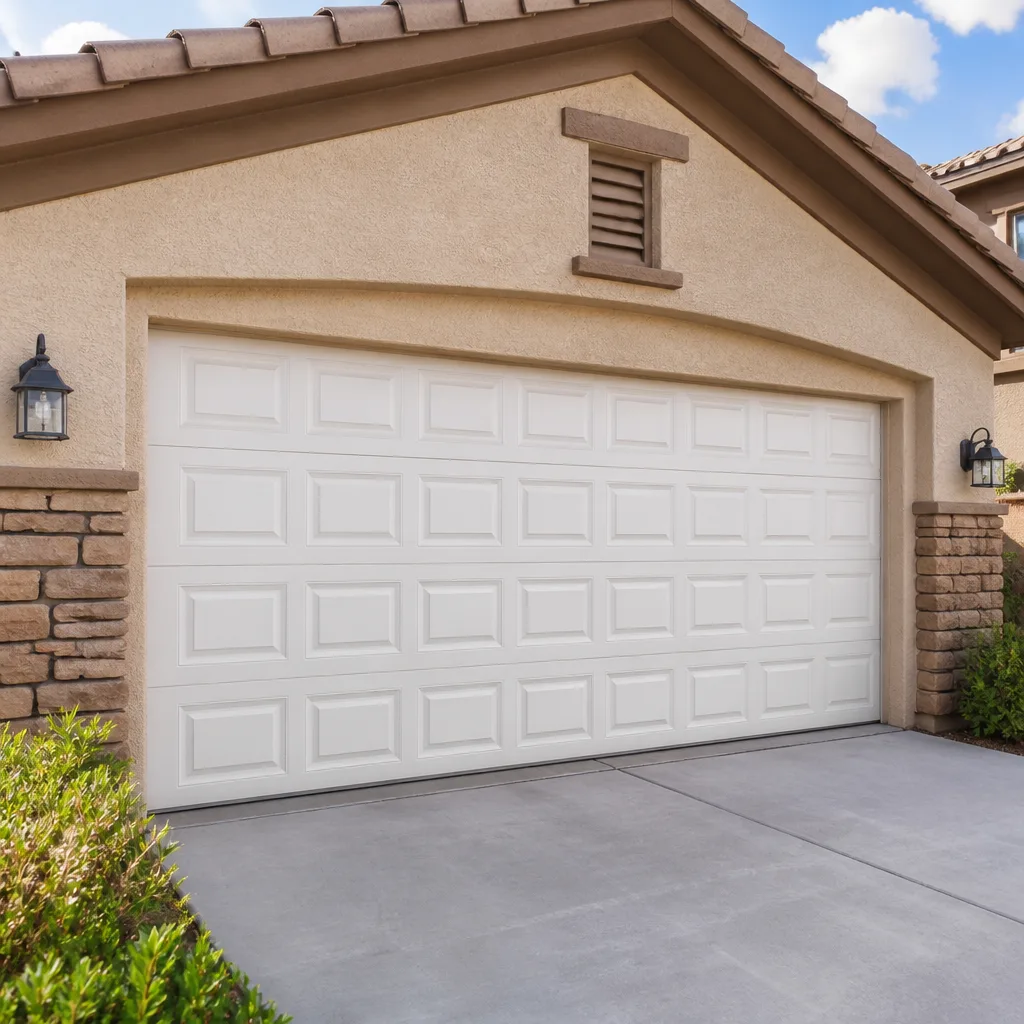
 Raised-panel steel
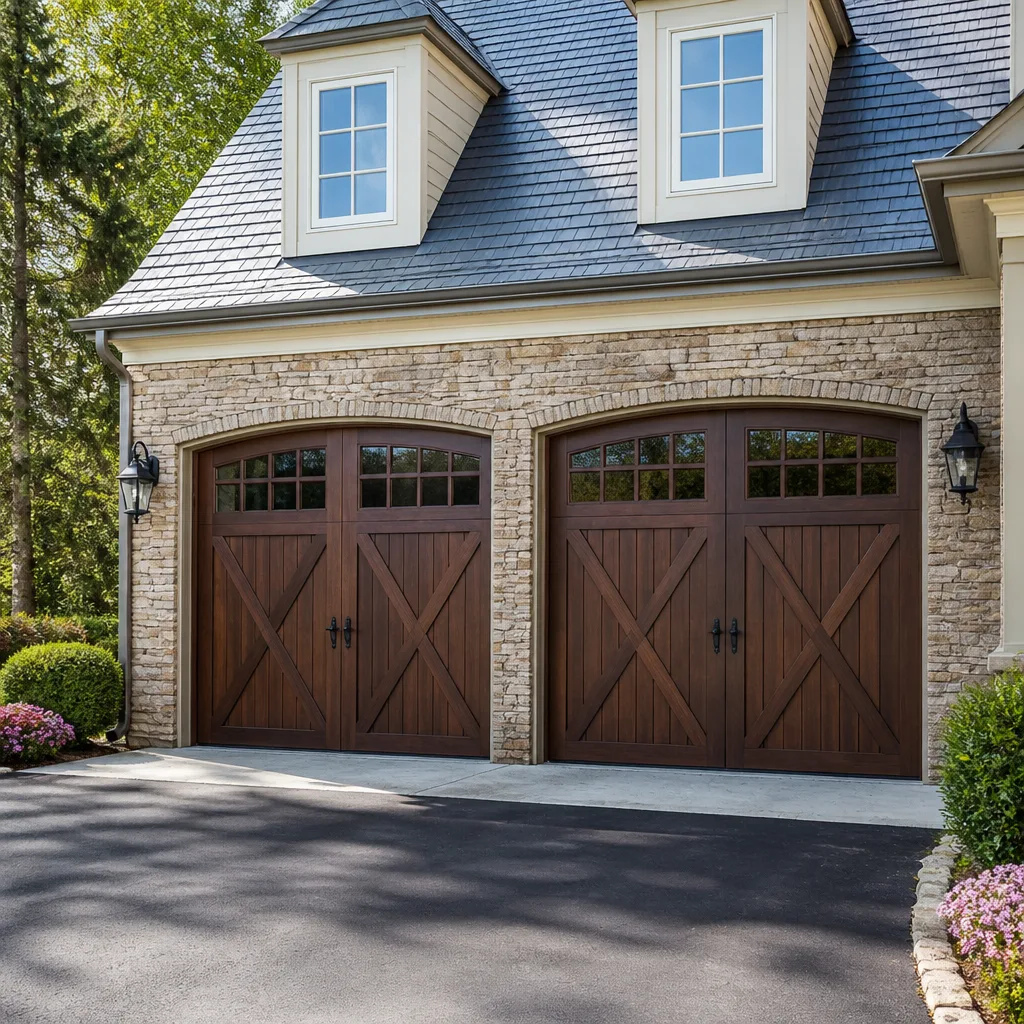 Carriage house
 Modern flush
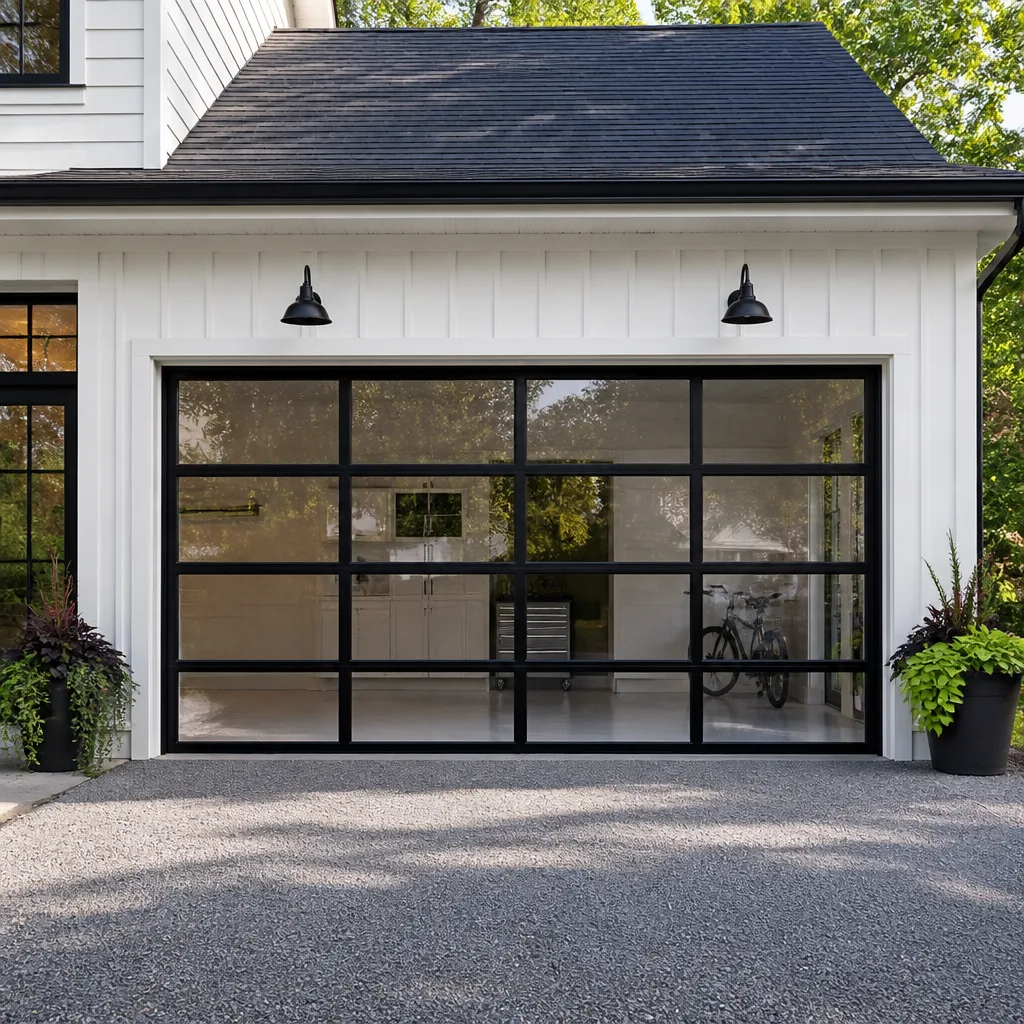 Full-view glass
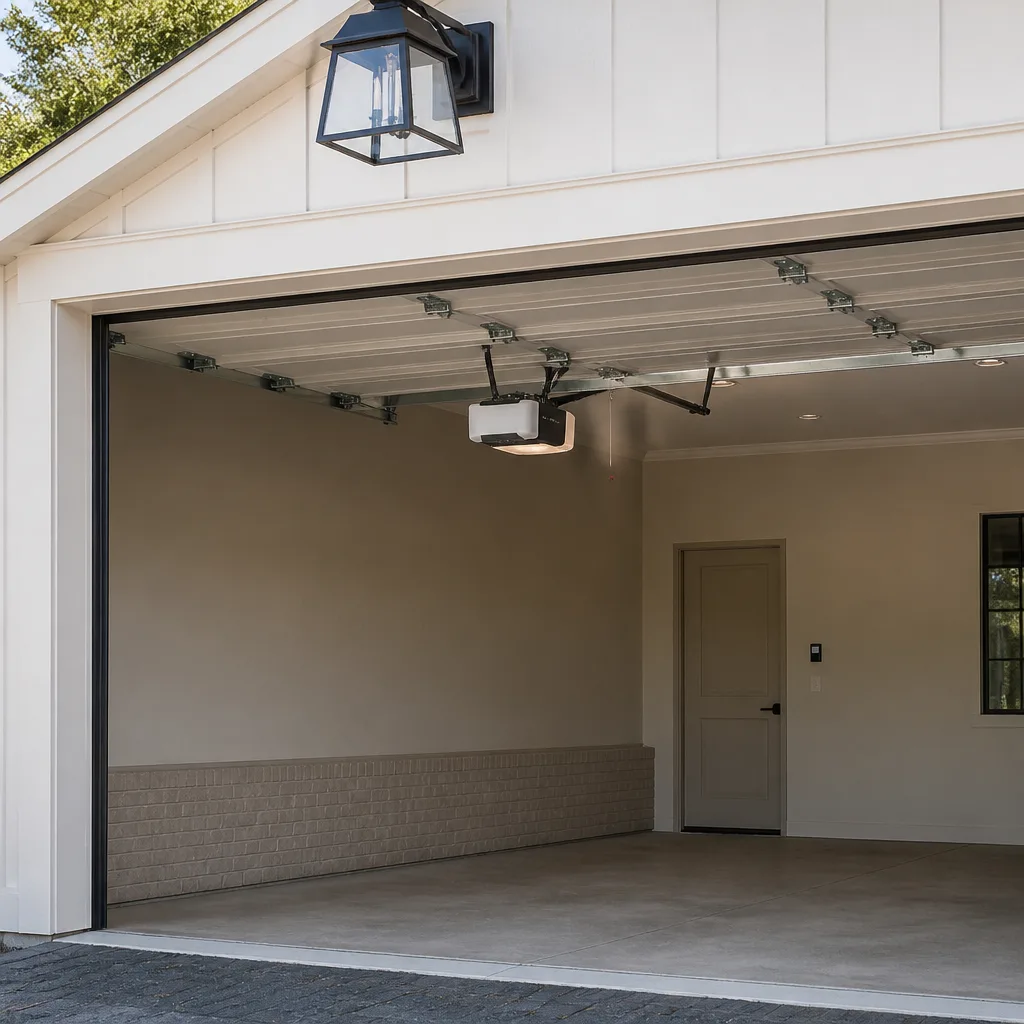 LiftMaster openers
 Chamberlain openers
Full 25-point door and opener safety check with every visit - springs, cables, rollers, tracks, and your LiftMaster or Chamberlain opener included
You get a price before we start. It does not change when the pro arrives.
Get your free estimateStyles & brands we work with
- Raised-panel steel
- Carriage house
- Modern flush
- Full-view glass
- LiftMaster openers
- Chamberlain openers
See the difference
 Before
 After
 Before
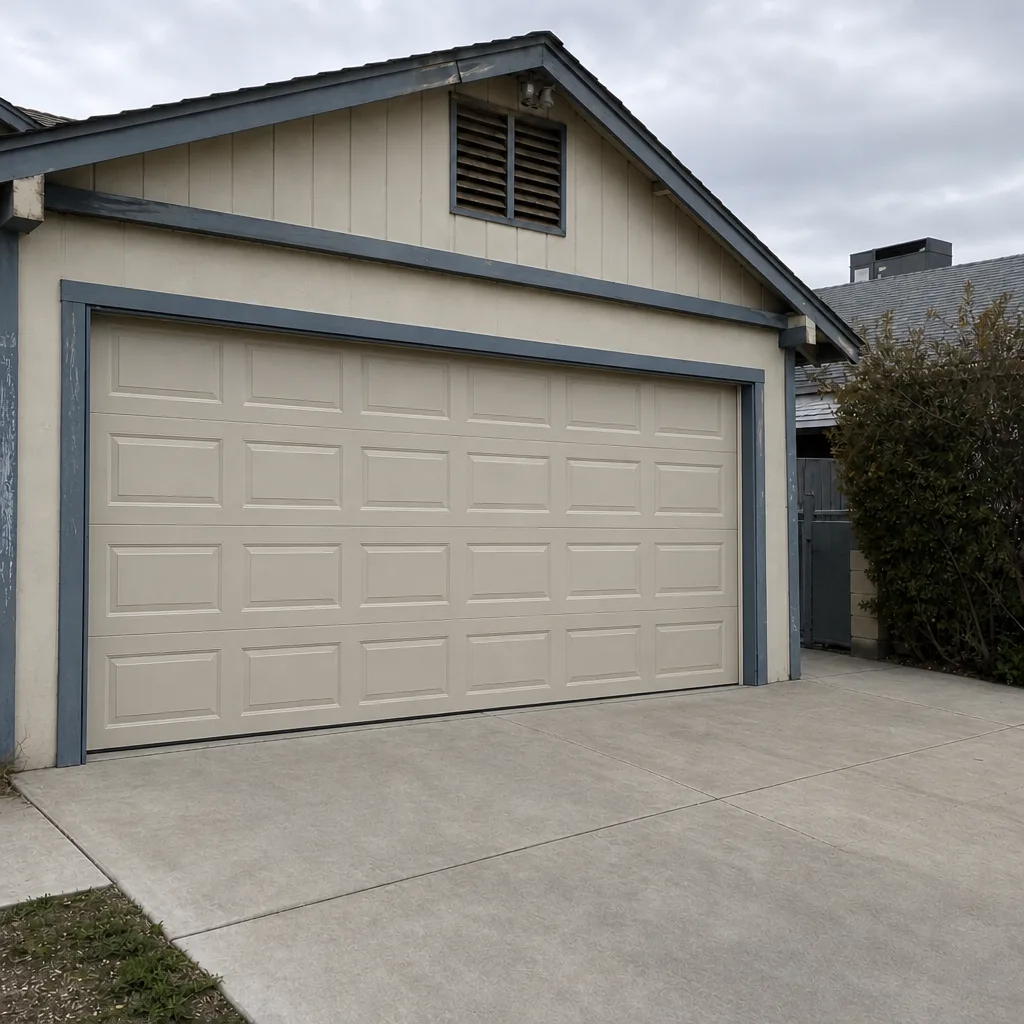 After
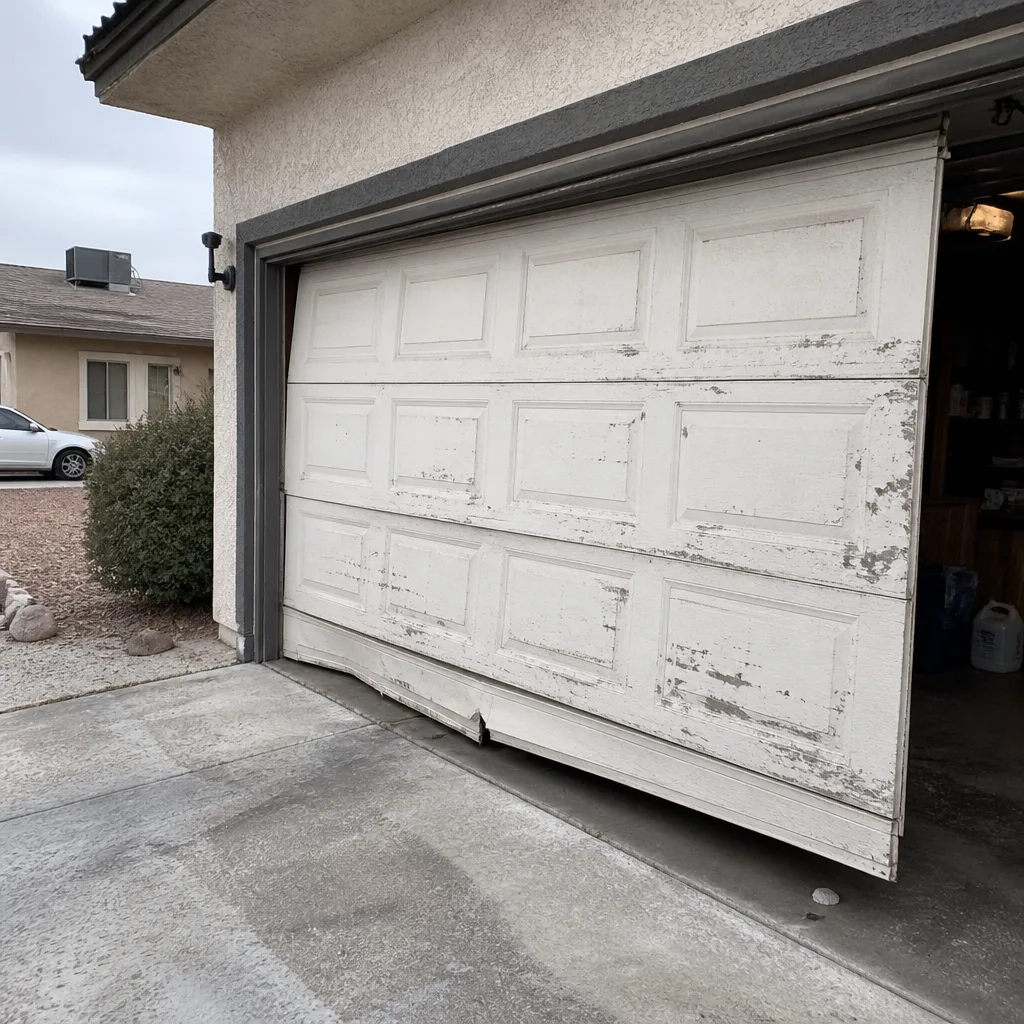 Before
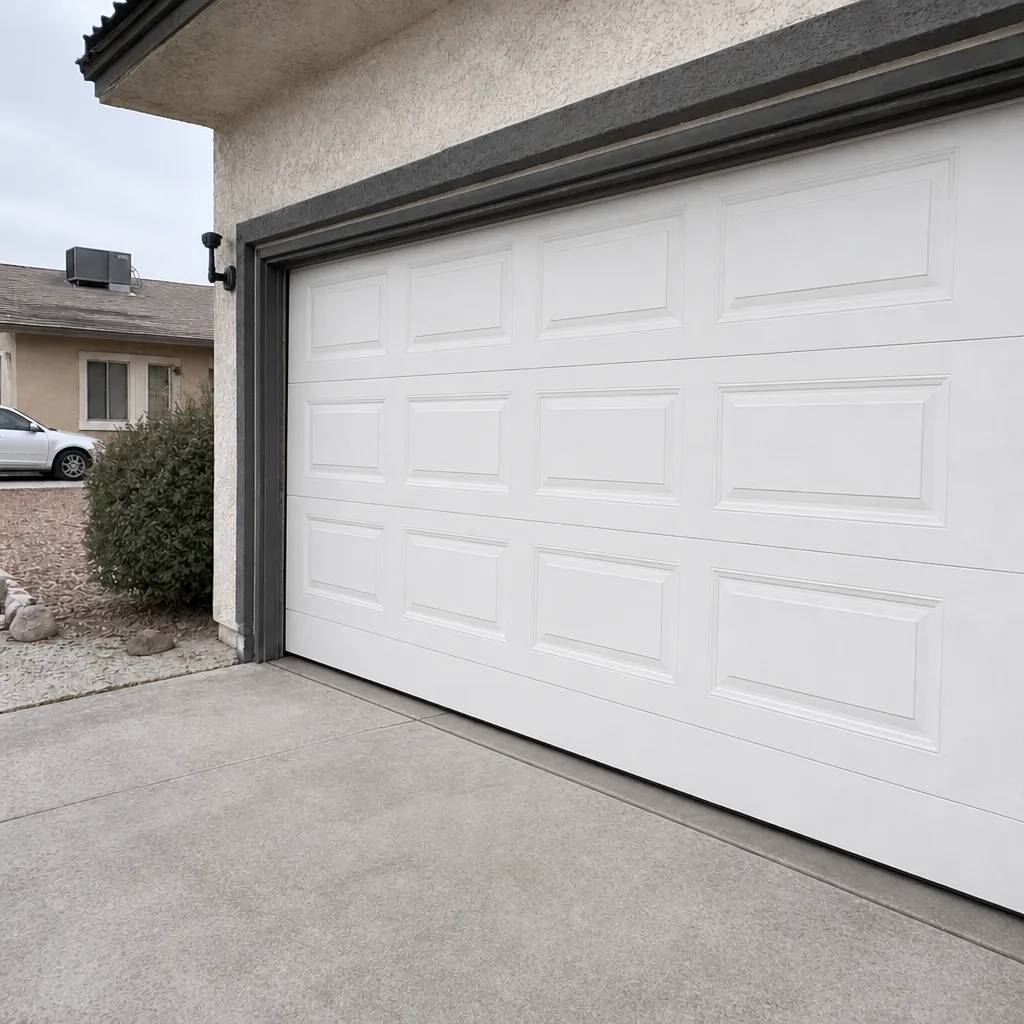 After
Signs of a Broken Garage Door Spring in Whitney, NV: The Heat-Fatigue Clues Most Homeowners Miss
The most reliable signs of a broken garage door spring are an opener that strains or grinds on the upstroke, a door that feels heavy when you lift it by hand, and a door that drifts back down when you stop it halfway. In Whitney, most spring trouble doesn’t start with a bang. Desert heat slowly takes the temper out of the steel, so the coil loses tension for weeks or months before it finally snaps. If your door opens but fights you, call Servo Garage Doors Whitney at (888) 402-1096 for a written, upfront price.
Why Whitney Springs Fail Quietly Instead of Loudly
Most online guides describe one failure: a sudden fracture. You hear a gunshot-style crack from the garage, the door won’t budge, and a gap opens in the coil. That happens here too. But it’s the second failure mode that keeps us busy in Whitney, and it’s the one almost nobody explains.
A torsion spring stores energy by twisting. Its temper is what lets it hold that twist without sagging. Whitney’s dry, sun-baked air and triple-digit summers work against that temper season after season. The spring doesn’t break. It softens. The door still moves, so nothing looks wrong, but the opener is now doing work the spring used to do for free. On Whitney’s post-1990s stucco subdivisions, where most garages are standard two-car setups with insulated steel sectional doors, that slow strain is the routine call. We see it on Genie and LiftMaster openers constantly, and the motor is often blamed for a problem that lives on the shaft above it.
The 10-Second Manual-Lift Test You Can Do Right Now
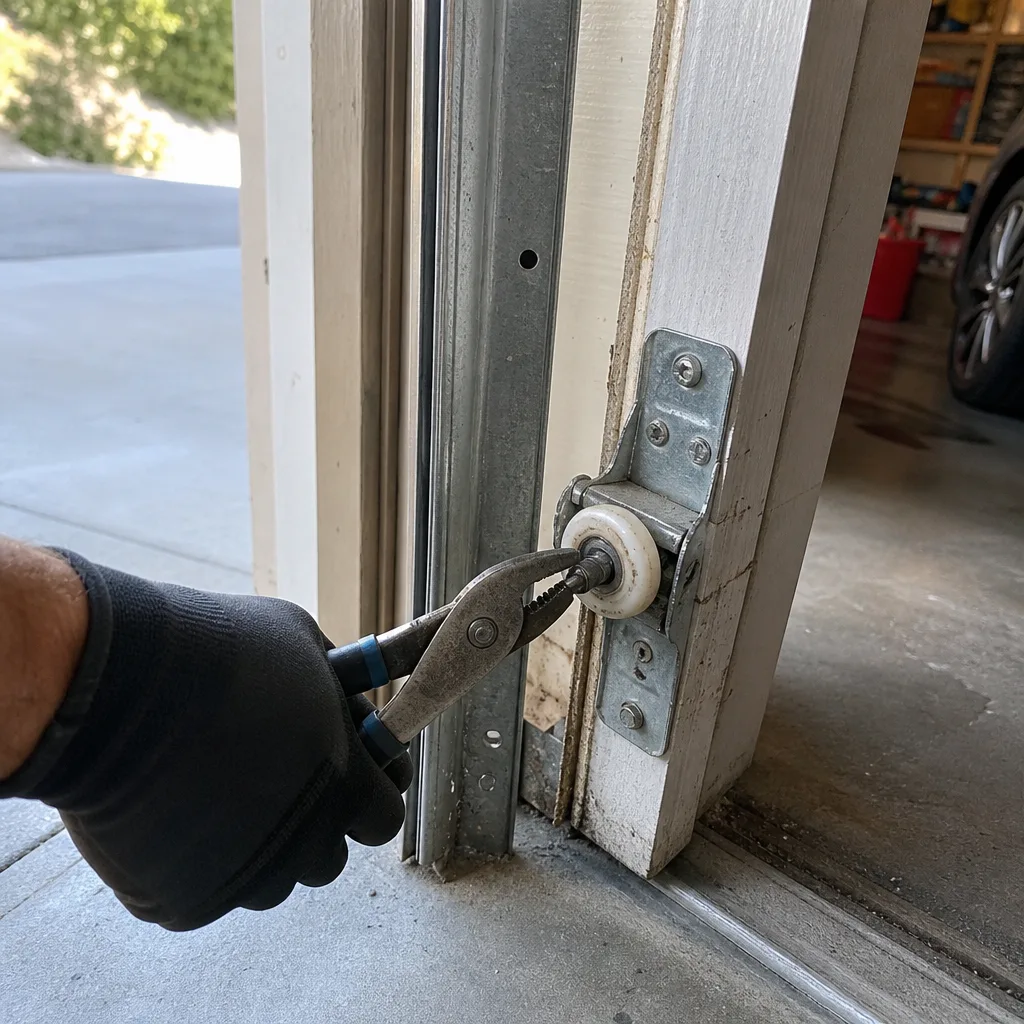
You don’t need tools to tell whether your spring is losing tension. You need two minutes and the discipline to keep your hands away from the spring itself.
- Close the door and pull the red emergency release cord to disconnect the opener. The trolley carriage (the arm that rides the rail) will come free from the door.
- Lift the door by hand to about waist height. It should feel like a manageable weight, not a struggle.
- Let go. A correctly tensioned spring holds the door roughly where you left it at mid-travel. A heat-fatigued spring lets it drift down toward the floor.
- Reconnect the opener by running it until the carriage clicks back onto the arm.
If the door drops, the spring has lost tension. That’s your answer. What you do next matters more: a torsion spring on a two-car door is under enough stored force to break a wrist or worse, and the winding cone holds that force even after the door is down. This is not a part to adjust yourself. A trained technician releases and rewinds it with the right bars and the right count.
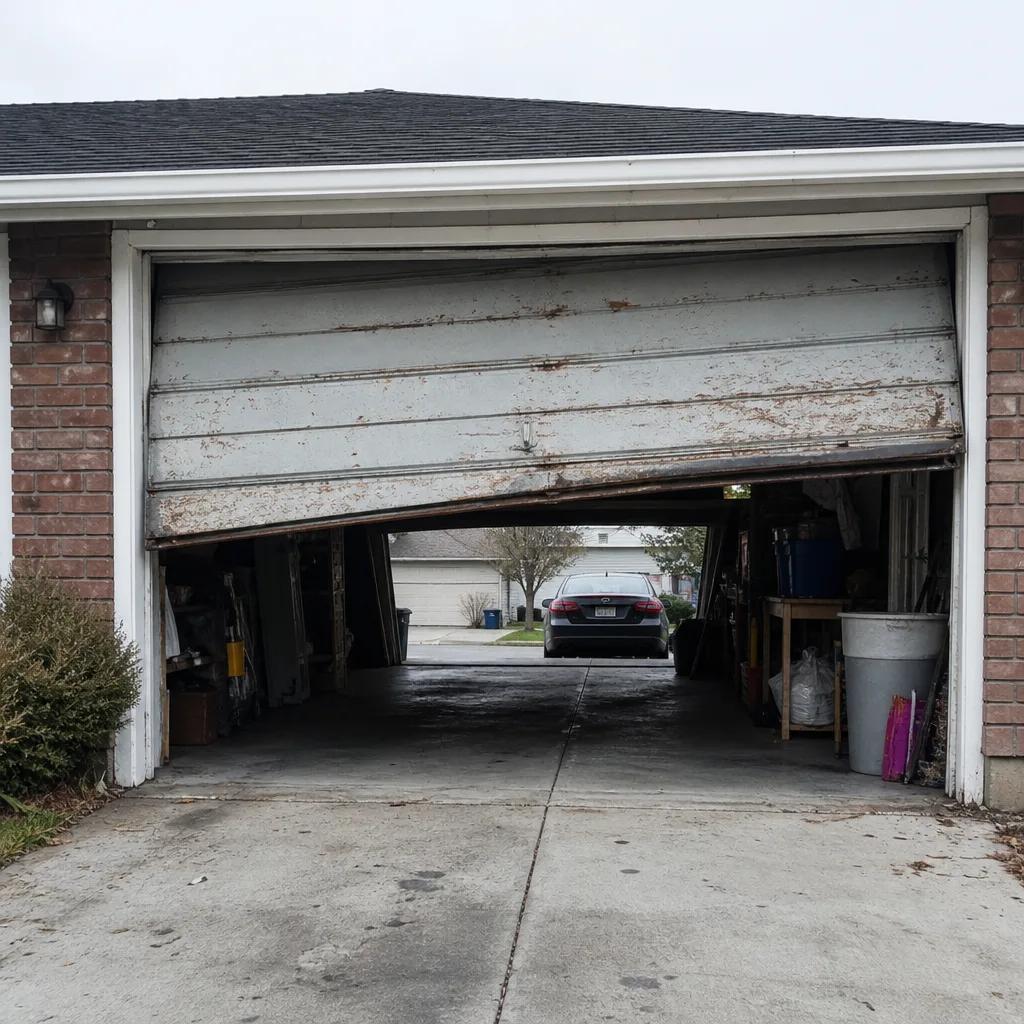
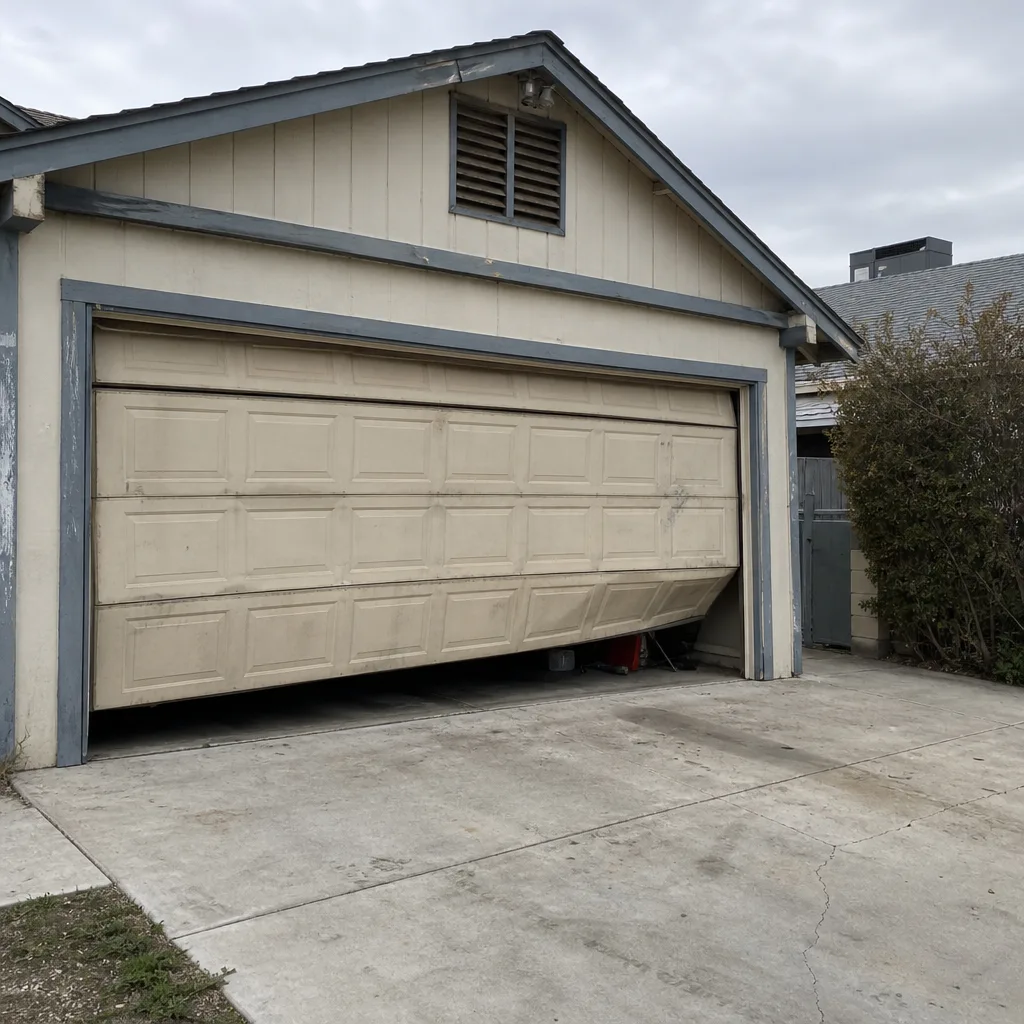
BeforeAfterWhat a Heat-Fatigued Spring Actually Looks Like
Here’s where desert climate changes the visual evidence. In wetter parts of the country, a snapped spring usually shows rust bloom along the break. In Whitney’s dry air, a fracture can look almost clean, and rust is a poor clue. The signatures that matter here are different.
- Coil pitch: a healthy spring has even spacing between coils. A fatigued one shows slight elongation, gaps that don’t look uniform from one end to the other.
- A hairline fracture at the winding cone: the cone is the fitting at the end where the spring is anchored and wound. Cracks tend to start there, and they’re easy to miss in poor light.
- Strain noise up top: if the opener grinds or labors on the way up but not the way down, the spring is the first suspect, not the motor.
A spring for the two-car insulated steel doors common in Whitney should hold roughly 7 to 8 turns of tension. When a technician checks yours, ask for that number on the written quote. If the quote doesn’t say the tension was counted, the diagnosis was a guess. That’s why Servo Garage Doors Whitney photographs the spring and winding cone before quoting a replacement, so you see the elongation or the hairline crack in the photo record before any price is written, not after the spring is off the shaft. It’s the same standard that runs through every page of our home service, and a big reason parts get replaced once, not twice.
Repair Cost vs. Replacement in Whitney
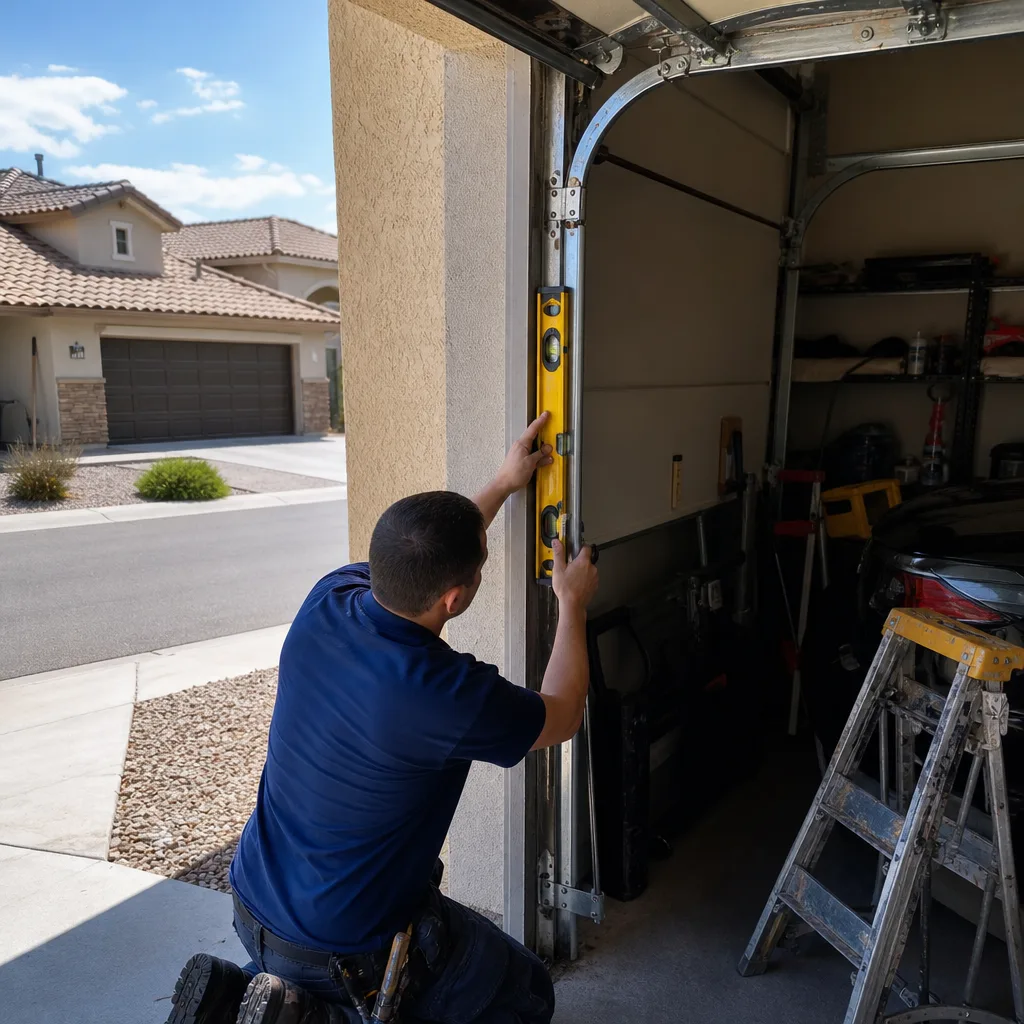
Spring work is one of the few garage repairs with a tight, predictable range. Written prices in Whitney land where the table below shows, and you should get that figure in writing before the technician starts, per Clause 1 of The Haven Standard.
| Job | Typical Whitney Range |
|---|---|
| Spring repair (torsion or extension) | $180-$340 |
| Opener repair | $120-$320 |
| Roller replacement (if the same trip shows cracked nylon rollers) | $110-$220 |
| Cable repair (often paired with spring work) | $130-$250 |
Two springs on one shaft should usually be replaced together. If one has fatigued, the other has lived the exact same heat cycles and is close behind. A written scope that names one spring when you have two is a scope worth questioning. If you have a competing written estimate, Servo’s free second opinion applies. Bring the paperwork.
What the Technician Should Show You Before Touching the Spring
A spring diagnosis has paperwork. When a technician arrives, the sequence should look like this: the door gets cycled a few times, the manual-lift test is repeated, the spring is photographed along with the winding cone and cables, and the written scope names the part, the tension reading, and the flat price. On a Whitney visit, we’ll also note whether sun-faded or heat-warped panels paired with your door’s setup, since HOA rules in the stucco subdivisions here often dictate approved colors if a panel needs swapping. That’s a separate conversation, and it belongs in the scope, not a surprise on the invoice. If you want the parts breakdown on the failed component, our page on Garage Door Parts explains what each part does and what it costs.
Safety note: never touch the torsion spring, winding cone, or lift cables, even with the door down. They hold hundreds of pounds of stored force. A visual check from a step stool is fine; unwinding, adjusting, or removing is a trained-professional job.
FAQs
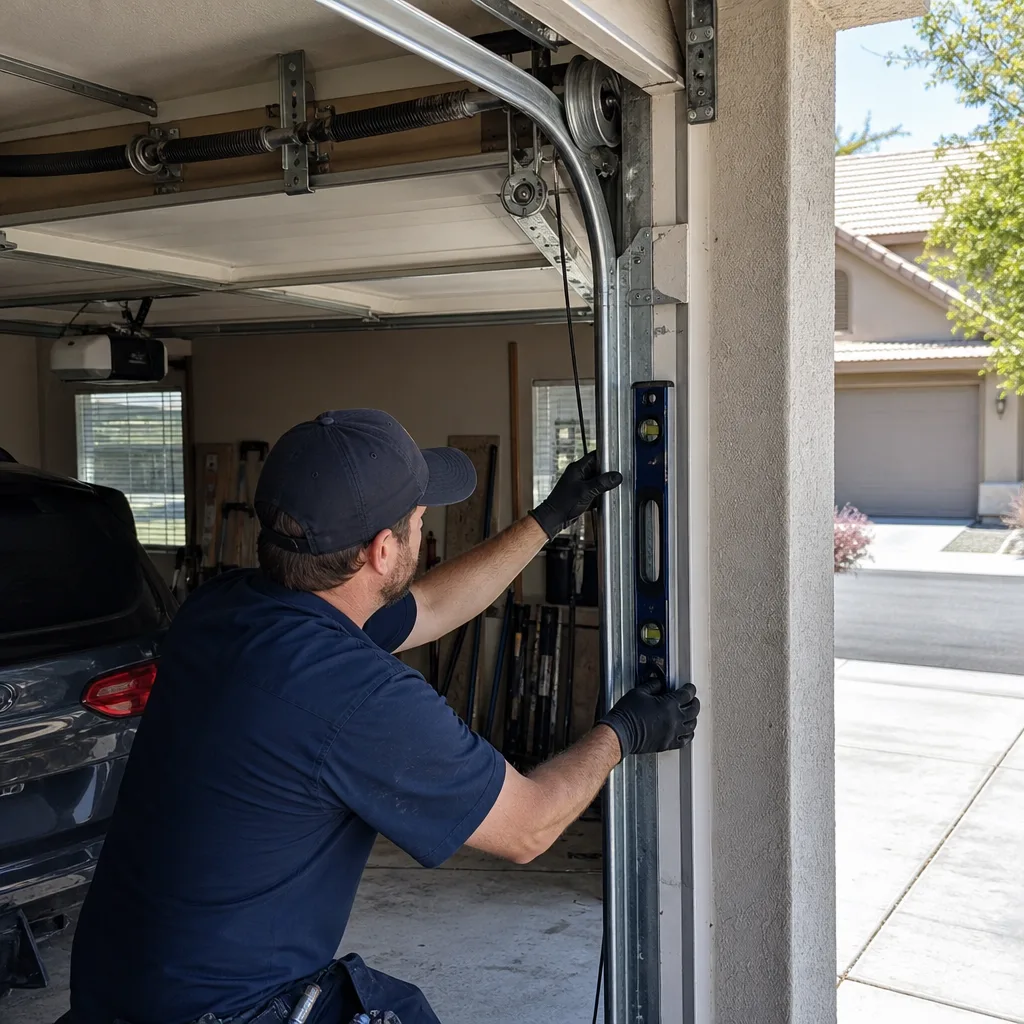
The first sign is usually an opener that strains or runs louder on the way up, often paired with a door that feels heavy when lifted by hand. A loud bang and a door that won’t move at all are the later, sudden-fracture stage. In Whitney’s dry heat, fatigue comes first. Call (888) 402-1096 for a free estimate if your door is fighting the opener.
No, and it’s one of the most dangerous jobs on a home. A torsion spring is under extreme stored tension, and the winding cone can release it violently if it slips off the bar. A trained technician does this work with proper winding bars and a tension count. Servo Garage Doors Whitney handles it with a written price first and a photo record after.
Spring repair in Whitney typically runs $180-$340, and it’s usually done in a single visit. The exact price depends on the spring type, wire diameter, and whether cables or rollers are also worn. Call (888) 402-1096 for an exact quote, free and in writing before work starts.
There’s no reliable clock, which is exactly why the manual-lift test matters. A spring can hold a door for another season or give out next week. If the door drifts down when you release it at mid-travel, get it looked at now rather than after it fails with the car inside. Call (888) 402-1096 to schedule an assessment.
If you’d rather have it looked at than keep guessing, Servo Garage Doors Whitney offers a no-pressure assessment in Whitney. We photograph what failed, write the price down, and count the tension before recommending anything. Call (888) 402-1096 for a free estimate.
Written by the team at Servo Garage Doors Whitney, serving Whitney, NV.