
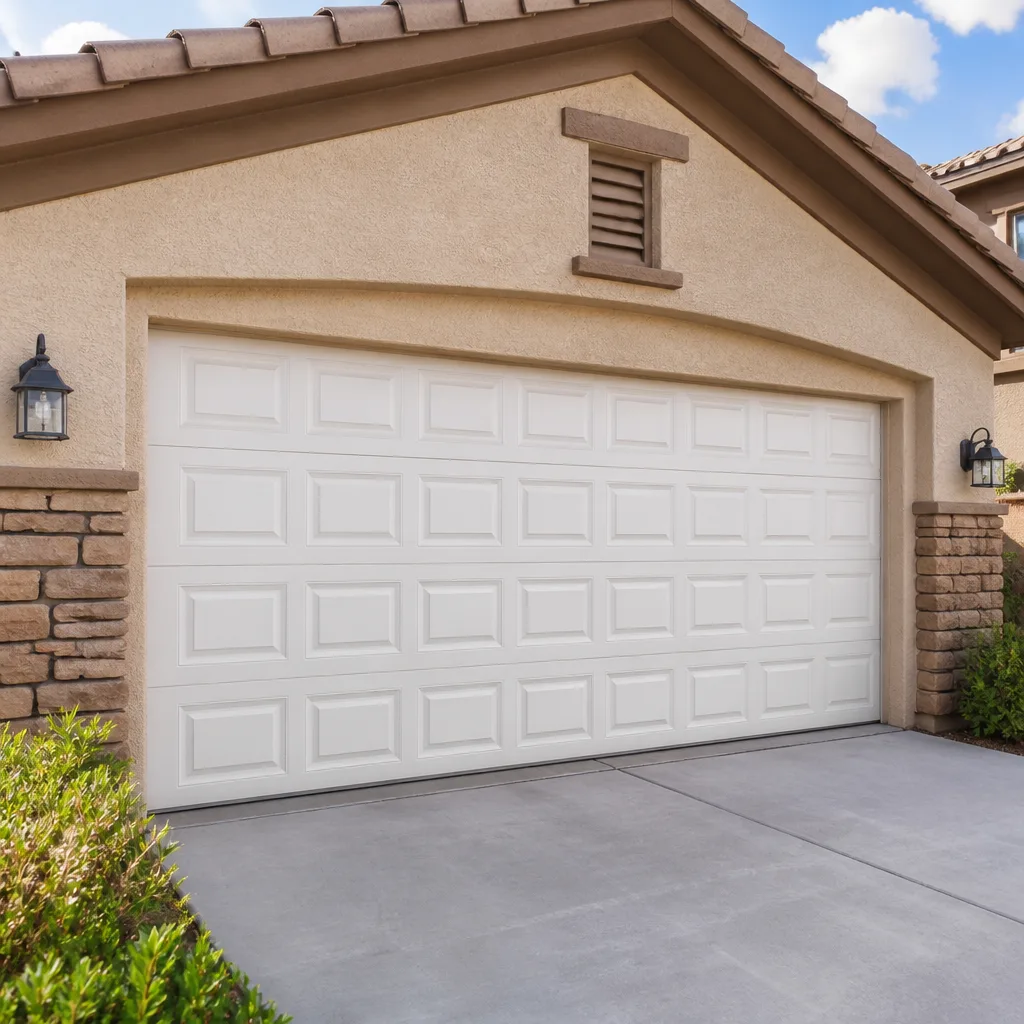
 Raised-panel steel
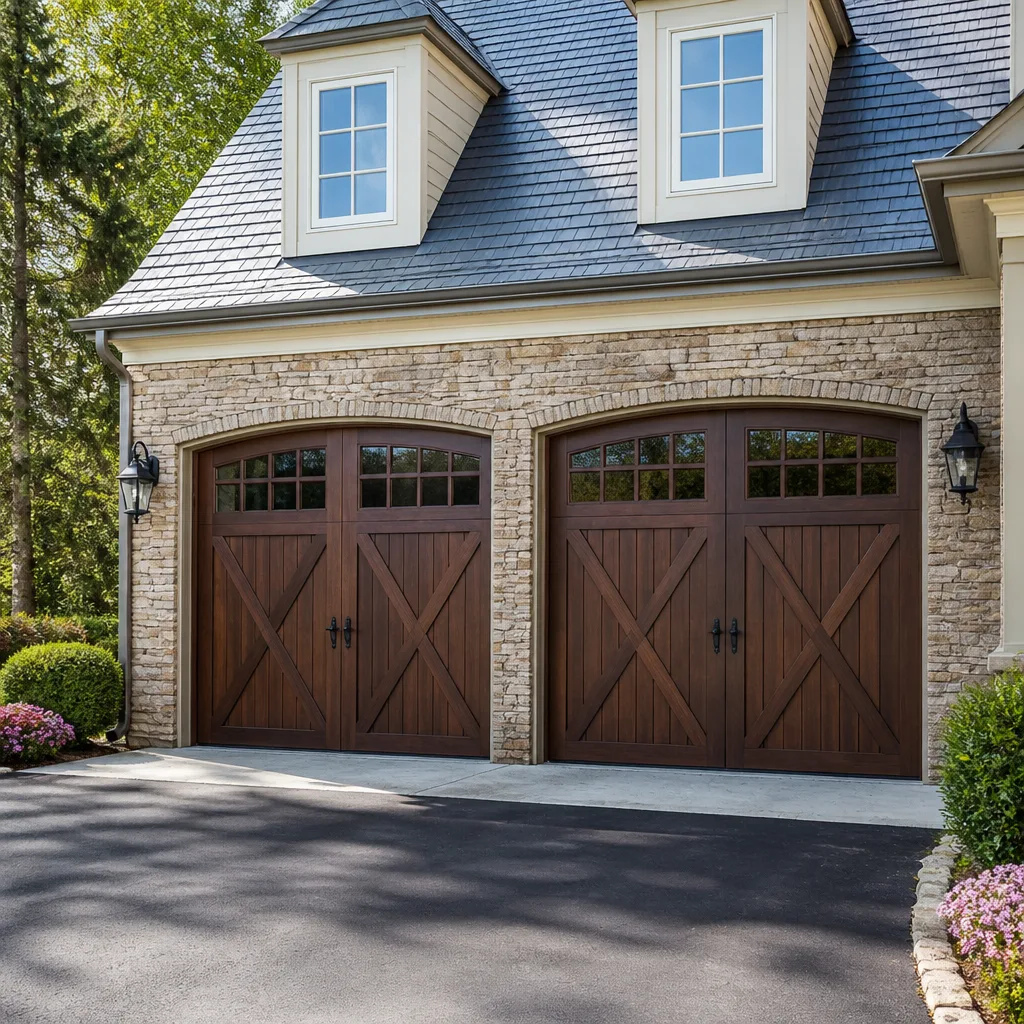 Carriage house
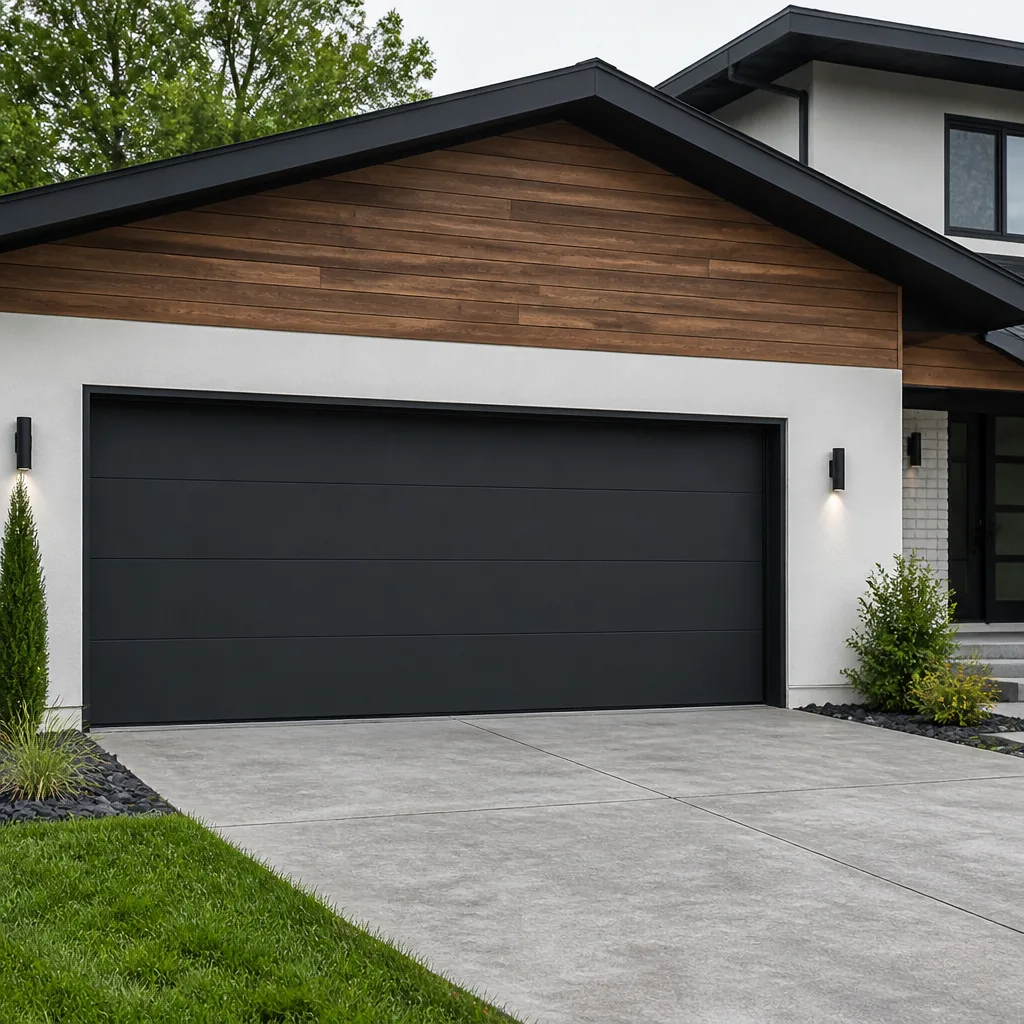 Modern flush
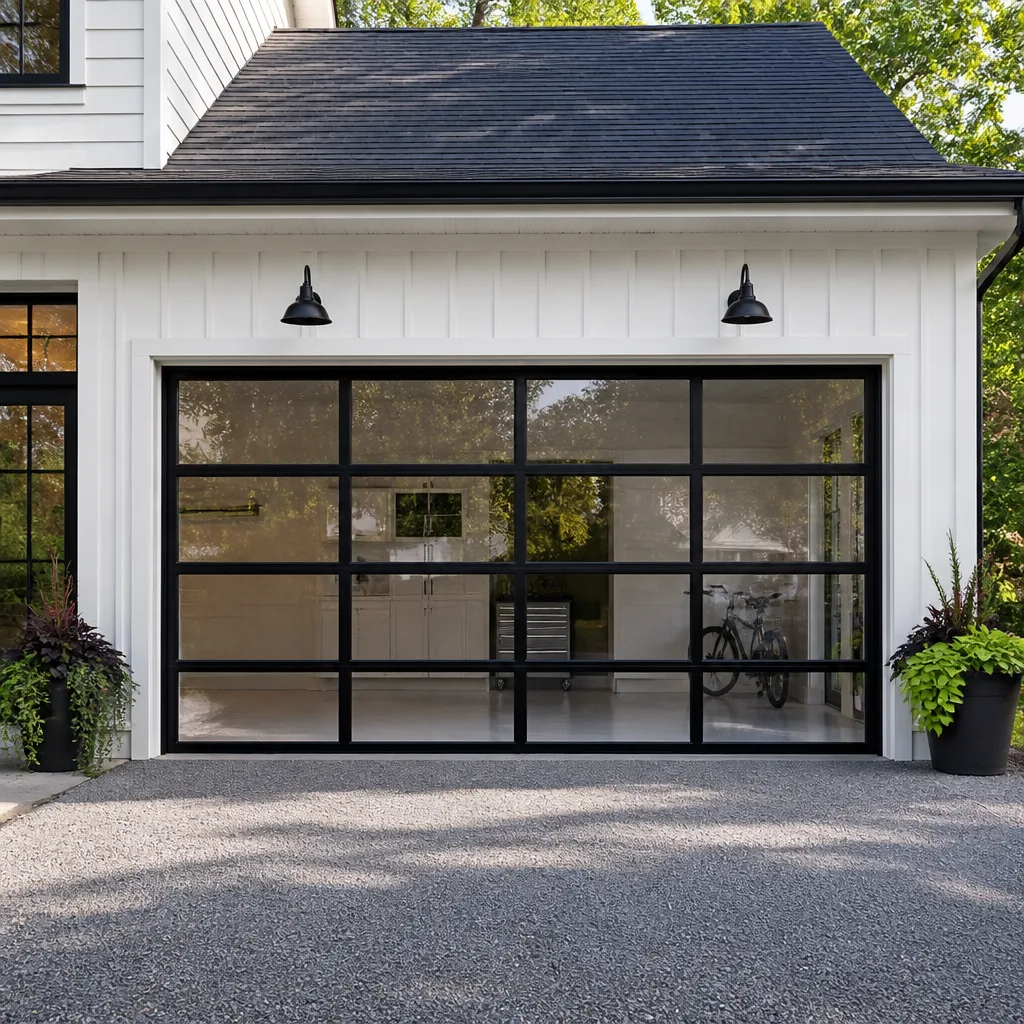 Full-view glass
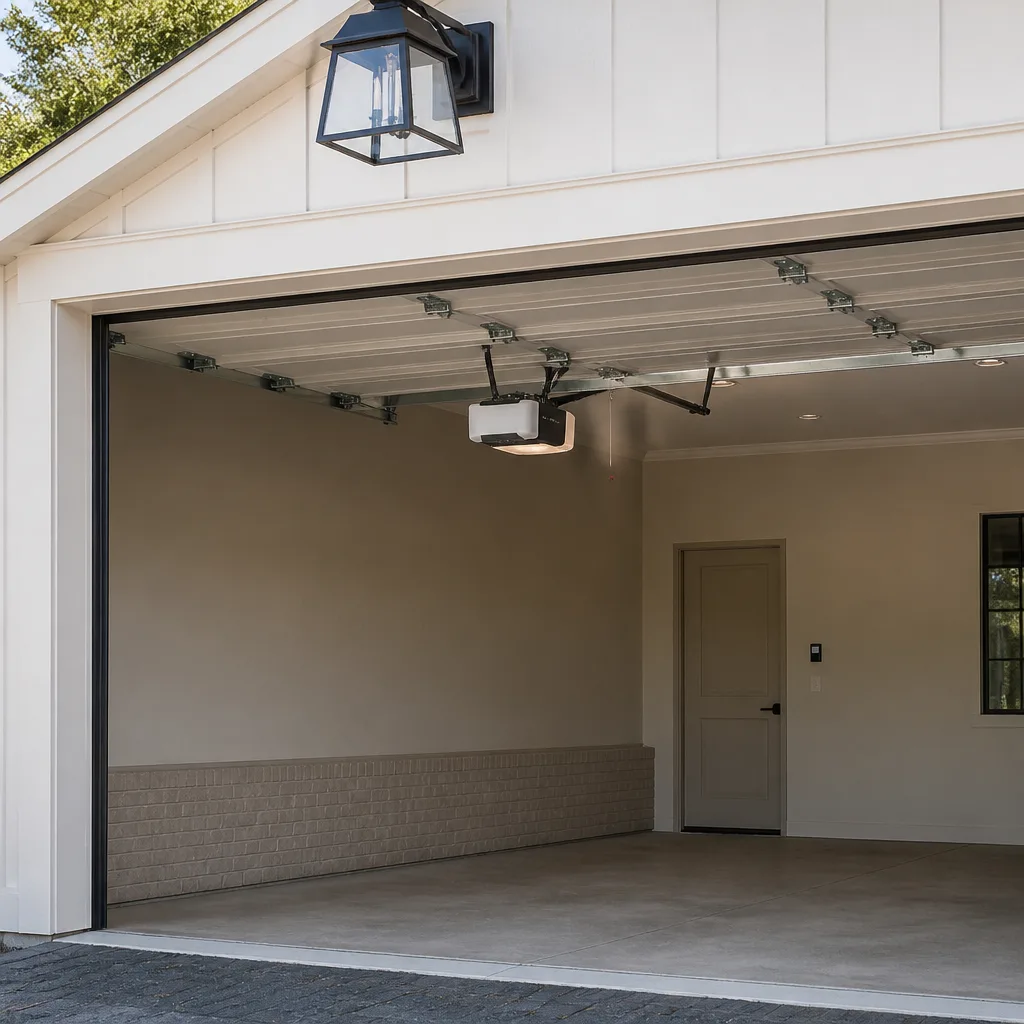 LiftMaster openers
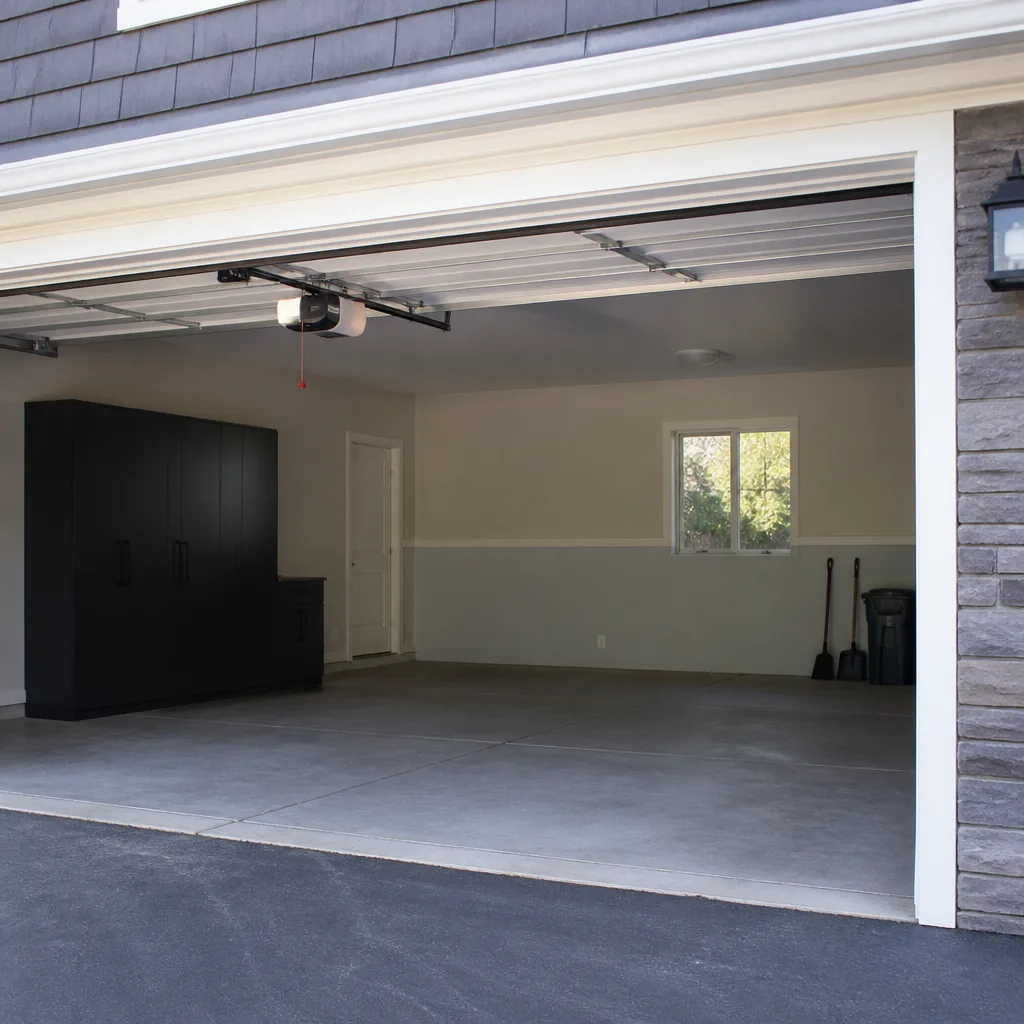 Chamberlain openers
Full 25-point door and opener safety check with every visit - springs, cables, rollers, tracks, and your LiftMaster or Chamberlain opener included
You get a price before we start. It does not change when the pro arrives.
Get your free estimateStyles & brands we work with
- Raised-panel steel
- Carriage house
- Modern flush
- Full-view glass
- LiftMaster openers
- Chamberlain openers
See the difference
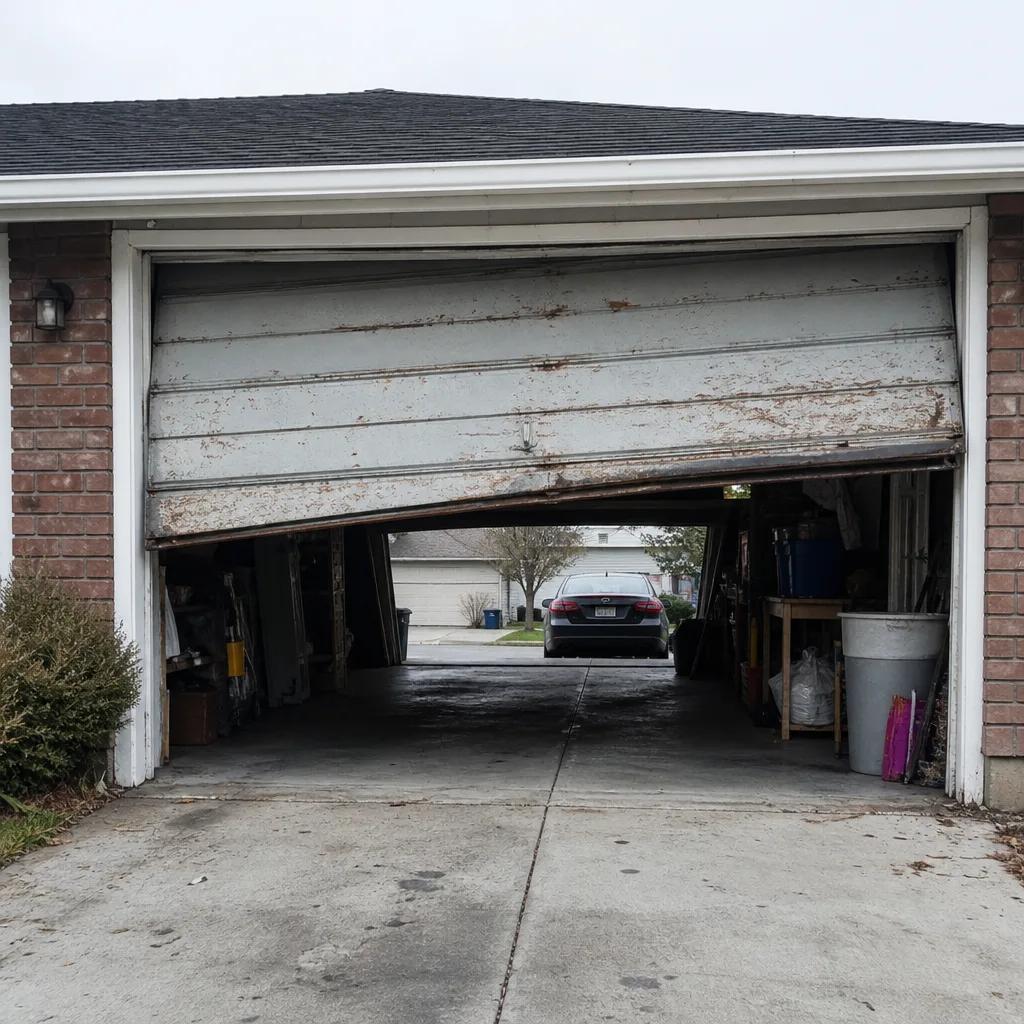 Before
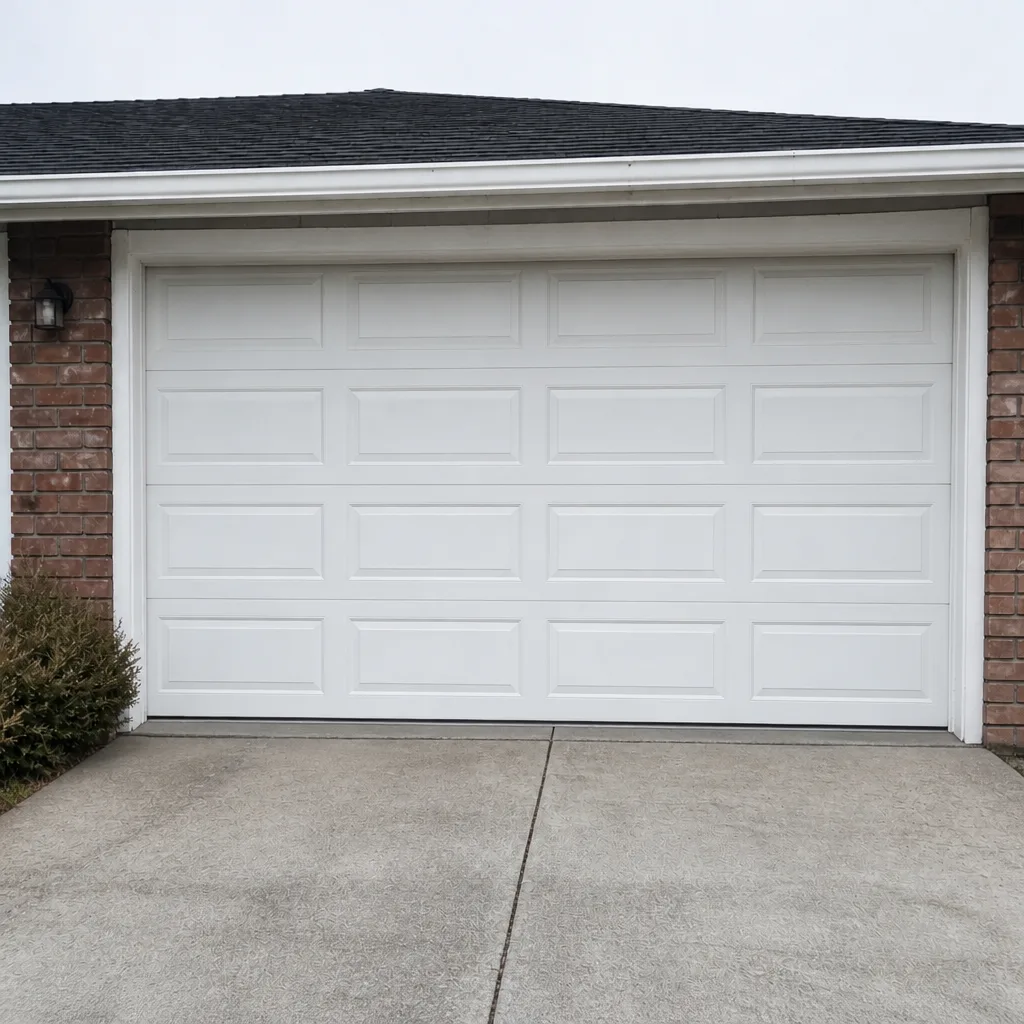 After
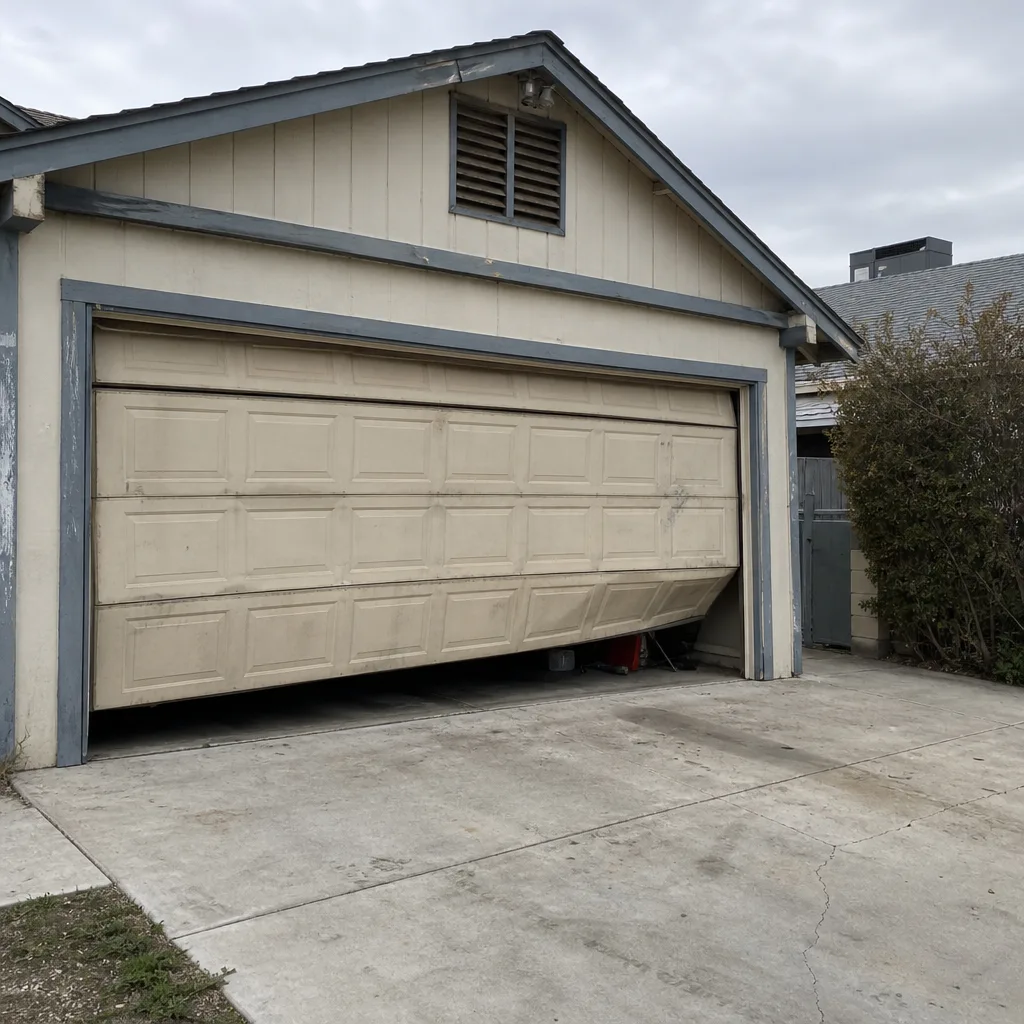 Before
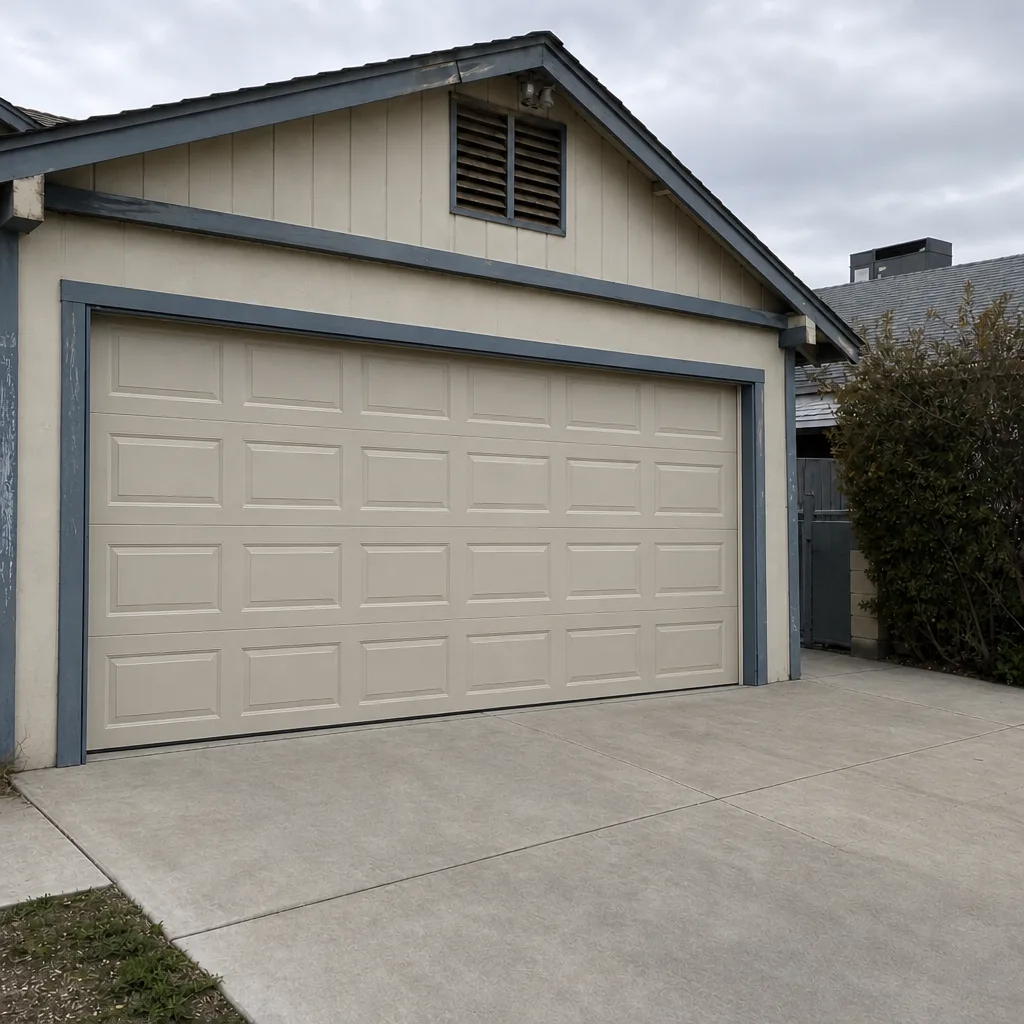 After
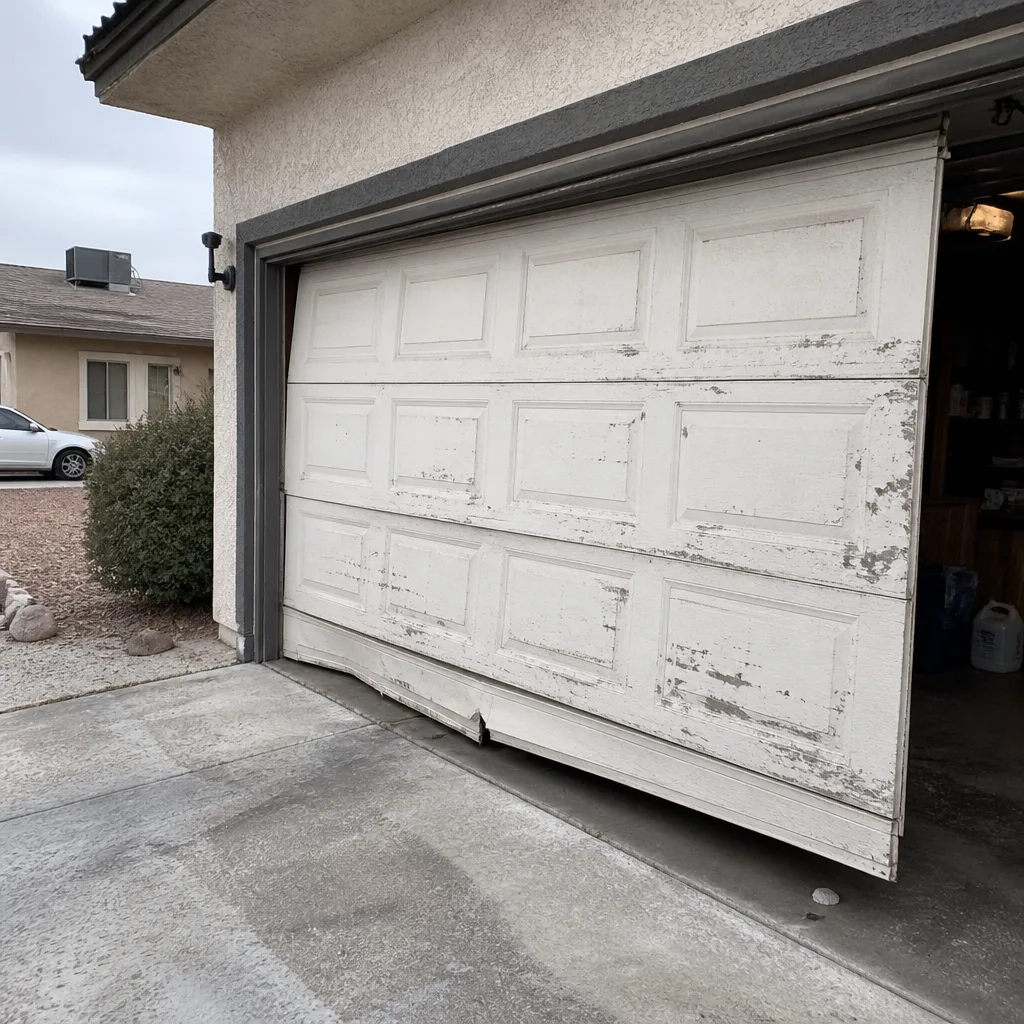 Before
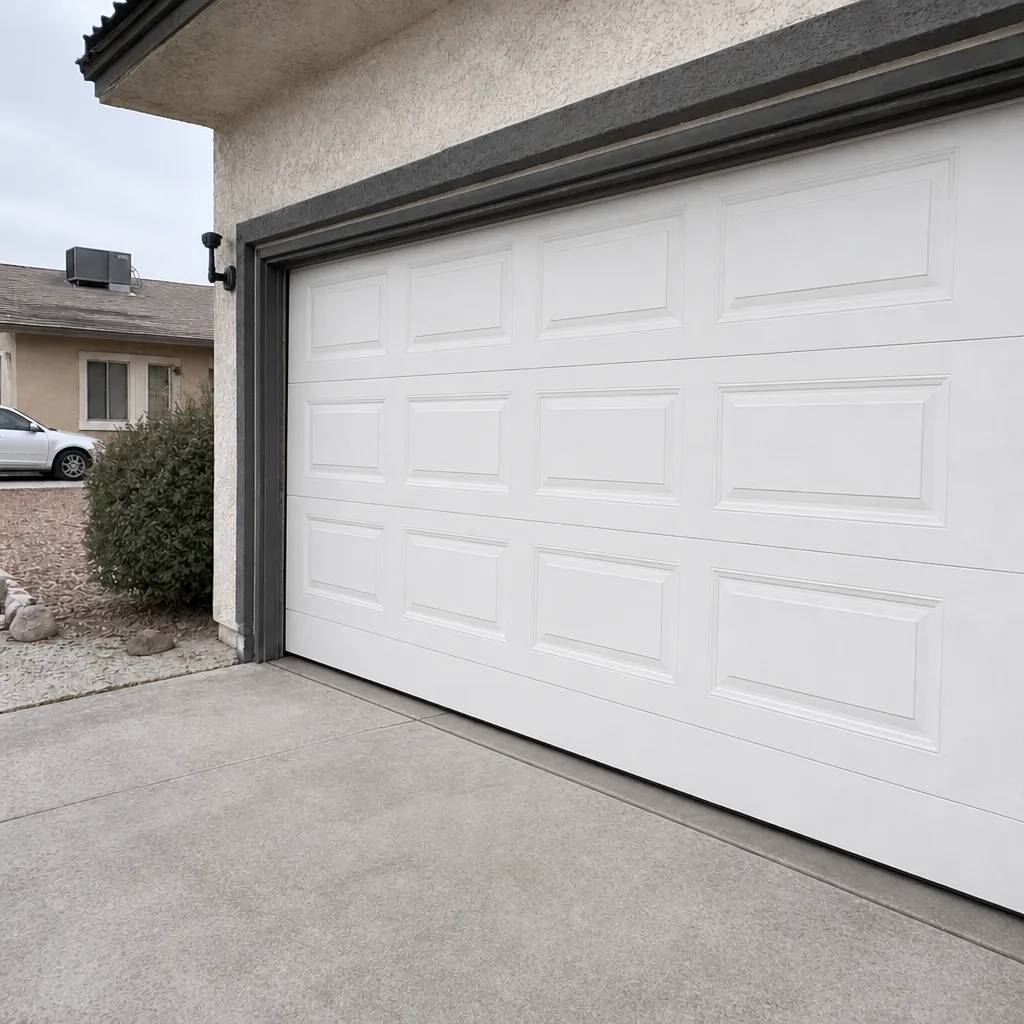 After
Torsion vs extension springs in Whitney, NV: choose torsion unless you own an older lightweight door
Choose torsion springs unless your door is an older, lightweight single-car model built before extension springs fell out of favor. In Whitney, the answer is nearly always torsion: the post-1990s two-car sectional doors that dominate subdivisions off the 215 beltway almost universally run a torsion spring (single or double) on standard low-headroom residential track. Extension springs are rare here. That matters because the comparison you searched for mostly helps you recognize what you already have, not decide what to install. For a straight answer on your specific door, call (888) 402-1096 – a real person picks up, day or night.
But the type is only half the question. Whitney’s heat changes which half matters.
Key takeaways
- If your door is a post-1990s Whitney two-car sectional, you almost certainly have a torsion spring, and the real decision is cycle rating and wire gauge, not type.
- A spring rated for 10,000 cycles was tested at 70°F. A Whitney garage hitting 130°F at header level in July is not that environment.
- Extension springs aren’t automatically worse – they’re just the wrong fit for most of the housing stock here.
- Spring repair in Whitney runs $180-$340, and you get a written price before anyone touches a bolt.
Why spring type takes a back seat to cycle rating in Whitney heat
The label on a torsion spring says something like “10,000 cycles.” A cycle is one open-and-close. That number came from a lab at room temperature, and a Whitney garage on a July afternoon is not a lab. Measured at header level – where the spring actually lives, up near the ceiling panel – a closed garage in this part of the valley can climb well past what the outdoor forecast shows. The steel absorbs that heat, expands a little, cools overnight, and does it again the next day.
Repeated heating and cooling at desert extremes degrades what technicians call the spring’s “set.” A spring doesn’t usually snap in Whitney. It just lifts less over time. The metal loses elastic memory, so the door gets heavier than the spring can counterbalance, and the opener motor quietly takes up the slack. You don’t notice the door struggling. You notice the motor dying, months later, and assume the opener was the problem.
That’s why Garage Door Parts conversations here almost always start with spring rating rather than spring type. Cycle count and wire gauge decide how long the part lasts in real Whitney conditions. Brand is a distant third. A Clopay or Amarr door with a properly sized, high-cycle spring outlasts a better-known brand with a standard-duty spring every time.
Torsion vs extension: the honest comparison
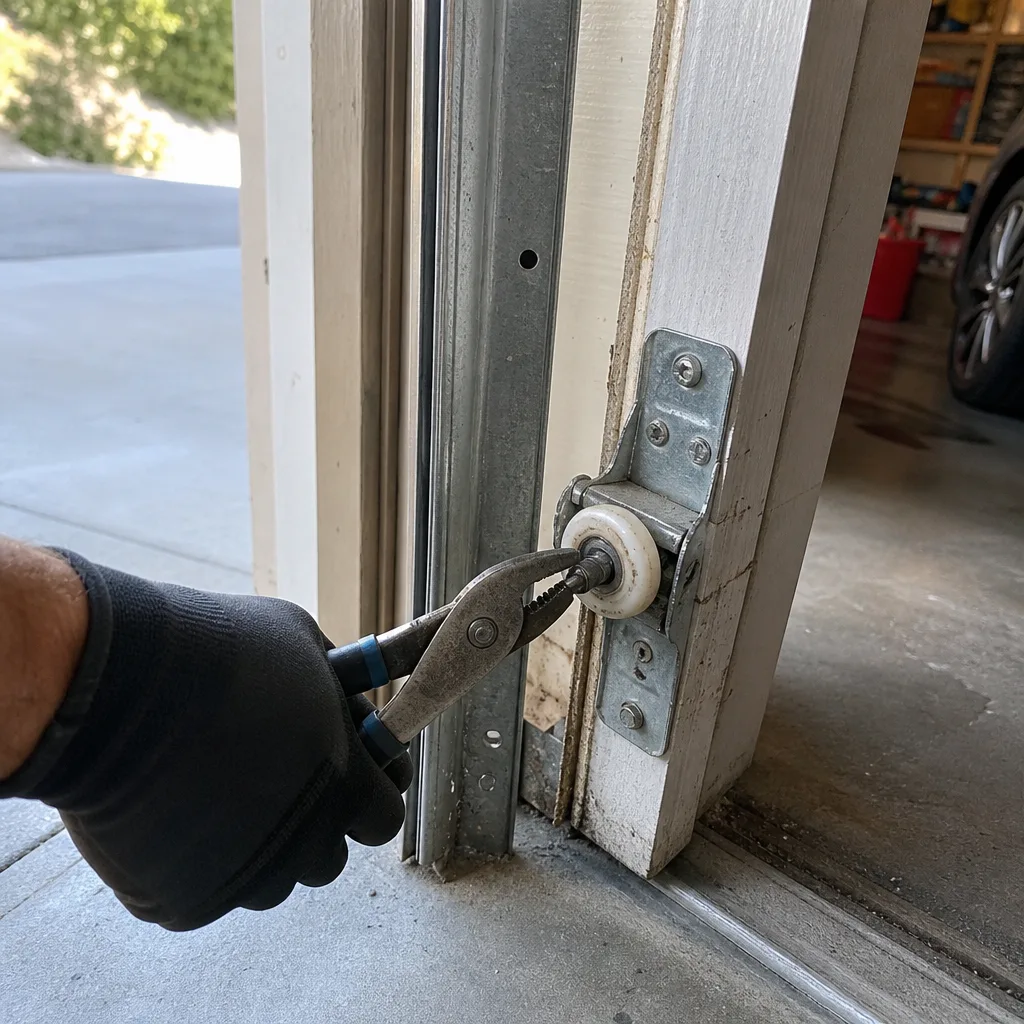
Here’s the side-by-side without the sales language. Both spring types counterbalance the same door weight, but they fail differently and suit different builds.
| Factor | Torsion spring | Extension spring |
|---|---|---|
| Where it mounts | On a shaft above the door, horizontal | Along the horizontal track, running alongside the door |
| Common in Whitney? | Yes – standard on post-1990s two-car sectional doors | Rare – mostly older or lightweight single-car doors |
| Failure mode in desert heat | Loss of set first; door lifts less before any snap | Can fail suddenly, with more stored energy released toward the door |
| Safety hardware | Shaft-mounted, contained above the door | Requires containment cables to limit travel on failure |
| Typical repair cost in Whitney | $180-$340 | $180-$340 (same range; the type doesn’t change the price band) |
| Headroom | Needs less overhead clearance | Needs more side clearance on the track |
The safety difference is the one worth slowing down for. Extension springs store energy along the track, which is why they carry containment cables – a heavy steel cable run through the center of the spring to keep it from flying if it breaks. Torsion springs sit on a shaft above the door. Neither is a do-it-yourself job. Both hold hundreds of pounds of tension, and the wire, the wind, and the release are where people get hurt. We flag that plainly: if a spring is visibly broken or the door won’t stay up, keep everyone clear and call a trained technician.
How to tell which one you have
- Look above the door, at the top center. A horizontal metal shaft with one or two coiled springs wound around it is torsion.
- If there’s no shaft overhead, look along the horizontal track that runs left to right above the door travel. Springs stretched parallel to that track are extension.
- On a torsion setup, count the springs: one is a single-spring door, two is a double. Write it down – it tells us the door’s weight class before we arrive.
- Check for a torsion tube label near the bracket. Some springs carry a small sticker with a cycle rating; others don’t, and we spec from measured wire diameter instead.
- Note any gap in the coils. An irregular gap or a clean break point at a coil is exactly what we photograph before quoting.
BeforeAfterWhat Servo measures before quoting a spring in Whitney
Servo Garage Doors Whitney quotes springs by the specific numbers, not by the word “standard.” When a technician replaces a spring here, the written scope carries the wire diameter (say, 0.25-inch), the coil count, and the IPPT – inch-pounds per turn, which is how much torque one full winding of the spring delivers – so the replacement is matched to the door’s actual weight and the track geometry. That’s the difference between a spring that lasts and one that loses its set inside two summers.
Given Whitney’s heat fatigue, we recommend torsion springs rated for at least 15,000-20,000 cycles rather than the 10,000-cycle standard, and we document that cycle rating on the written scope. It gives you a reference point: when this spring was new, what it was rated for, and roughly when to expect the next one. That’s Clause 4 of The Haven Standard at work – the failed component gets photographed before anyone quotes a replacement. You see the coil gap or the fracture point yourself, so the recommendation stands on evidence instead of a guess.
The written price lands before any work starts (Clause 1), and it’s a flat number, not a range with an upsell waiting behind it. “Call for a quote” isn’t how this works. Repair pricing across the board in Whitney: spring repair $180-$340, cable repair $130-$250, opener repair $120-$320, and a full garage door repair call $150-$600. If you’ve already got a written estimate from another company, bring it – the free second opinion applies to any competing paperwork, no coupon needed.
One more note on this housing stock: Whitney’s HOA communities often lock down door color and design, so if heat has faded panels alongside a tired spring, check the approved palette before buying a replacement door. That’s a separate conversation, but we’d rather you hear it before you order.
FAQs
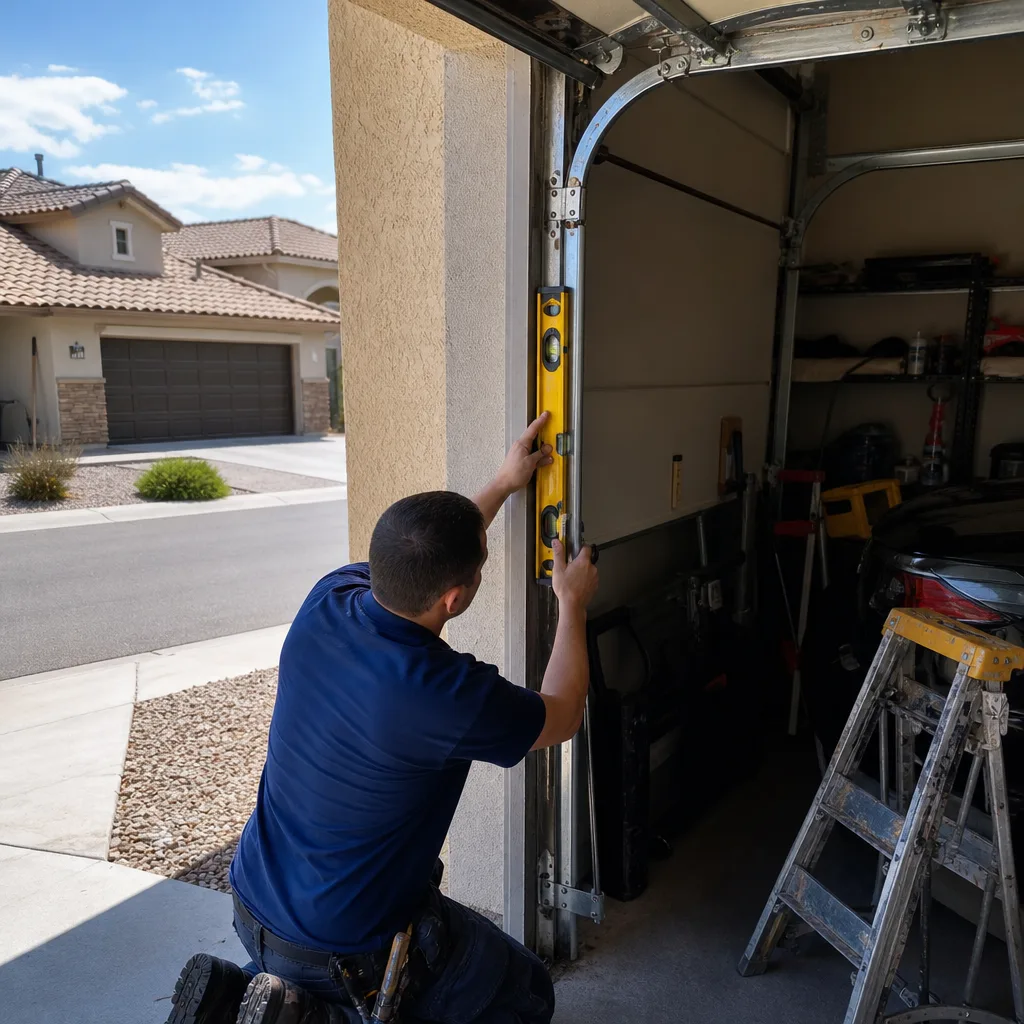
If your home was built after roughly 1990 and has a standard two-car garage, you almost certainly have torsion springs – look for the horizontal shaft above the door with one or two wound springs on it. Whitney’s master-planned subdivisions went up with torsion as the default, so extension springs here are the exception, usually on an older or lightweight single-car door.
Both cost about the same to repair: $180-$340 in Whitney, since the price tracks the door’s weight class and the part, not which type of spring you have. You’ll get a flat, written price and scope before any work starts – no “call for a quote” runaround. Call (888) 402-1096 for an exact number.
A slow or heavy-feeling door usually means the spring has lost its set – the steel has fatigued and can no longer counterbalance the door’s weight, so the opener motor is doing extra work until it fails. Whitney’s heat speeds that up. We photograph the coil gap or fracture point so you can see the evidence before anyone recommends a replacement.
Yes, in Whitney we recommend at least 15,000-20,000 cycles rather than the 10,000-cycle standard, because heat fatigue shortens a standard spring’s real-world life here. The written scope documents the cycle rating so you know when to expect the next replacement. Call (888) 402-1096 and we’ll tell you which rating fits your door.
Rather have it looked at?
If you’d rather have it looked at, Servo Garage Doors Whitney offers a no-pressure assessment in Whitney – we photograph what we find, put the numbers in writing, and leave you the record. Call (888) 402-1096 for a free estimate.
Written by the team at Servo Garage Doors Whitney, serving Whitney, NV.