
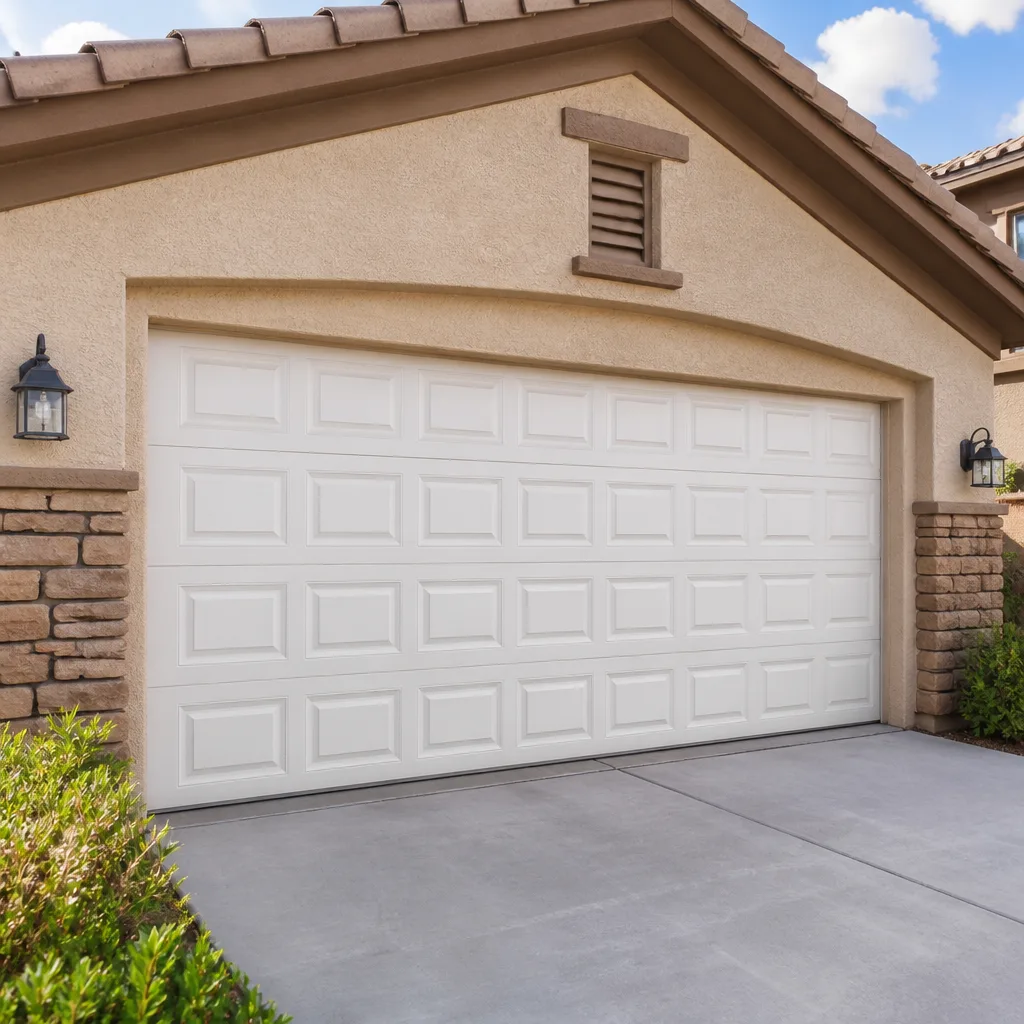
 Raised-panel steel
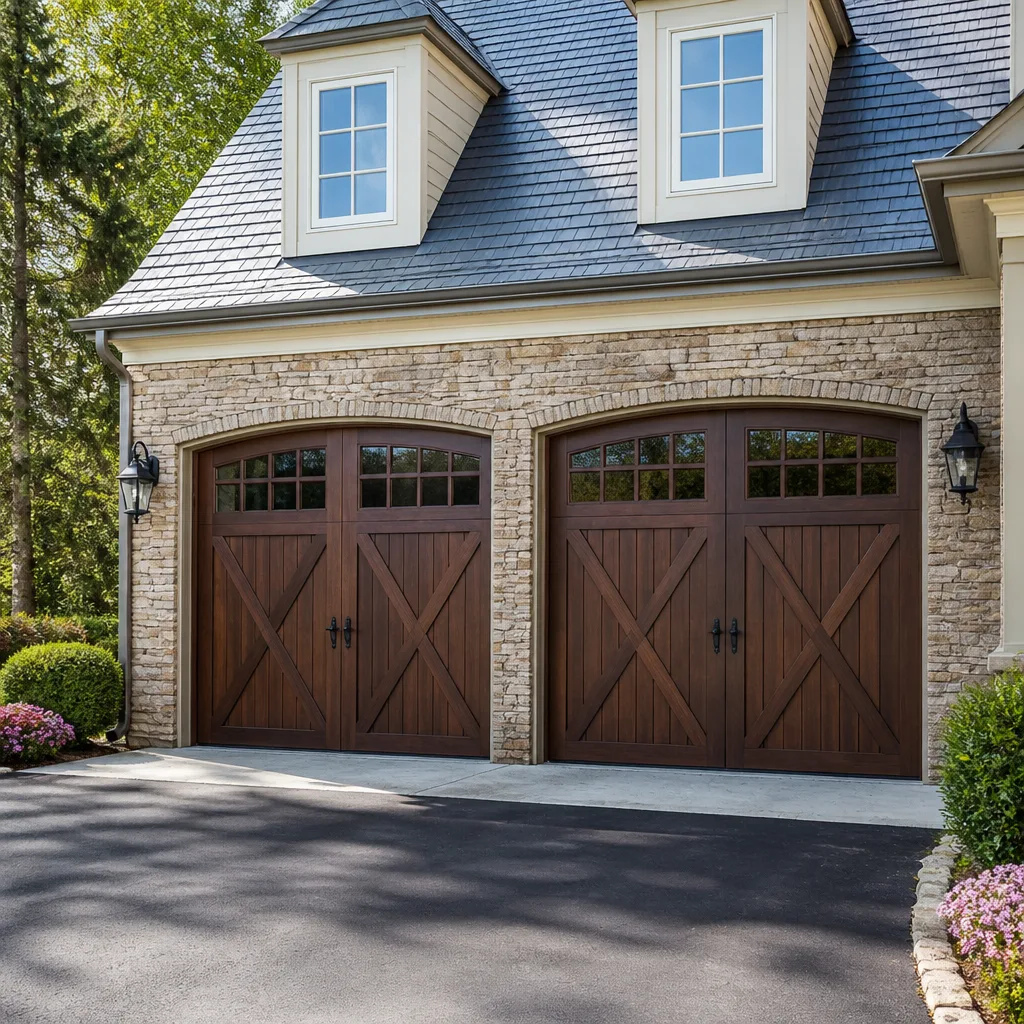 Carriage house
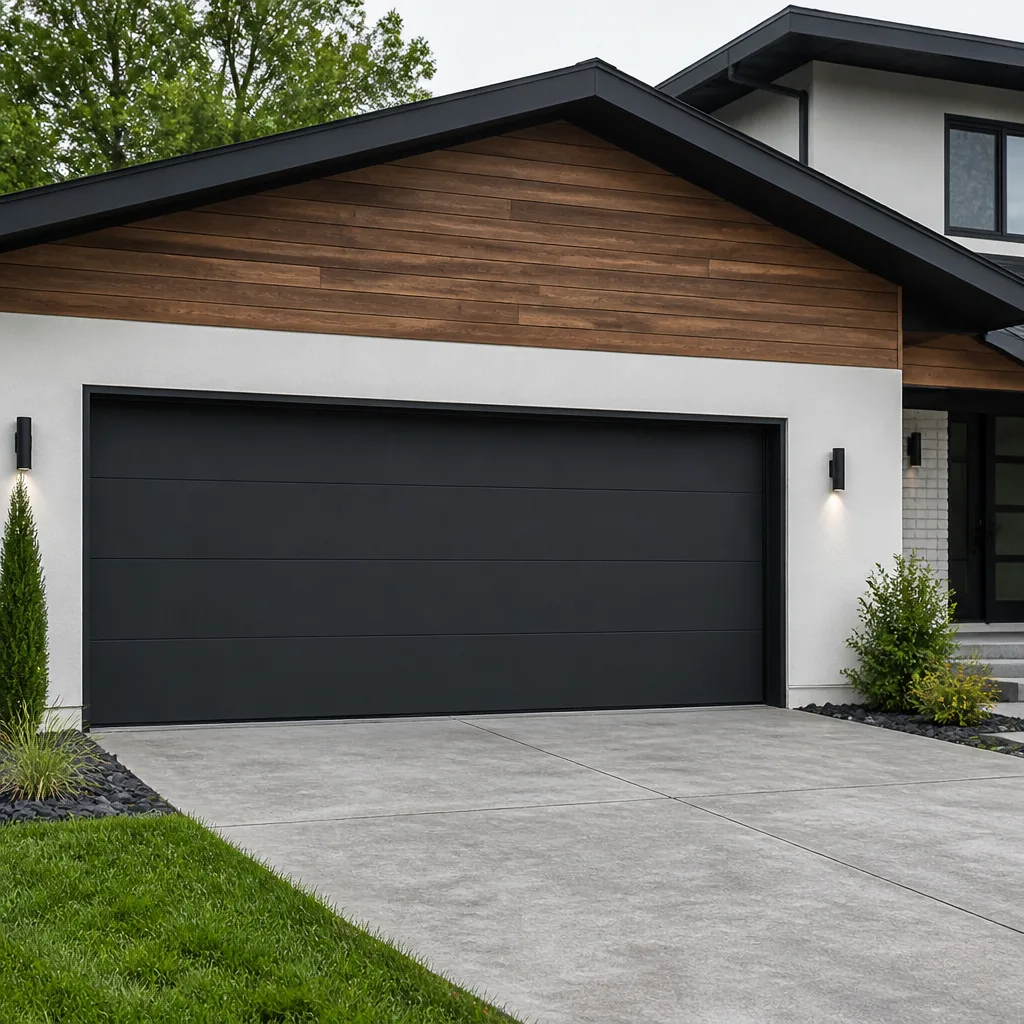 Modern flush
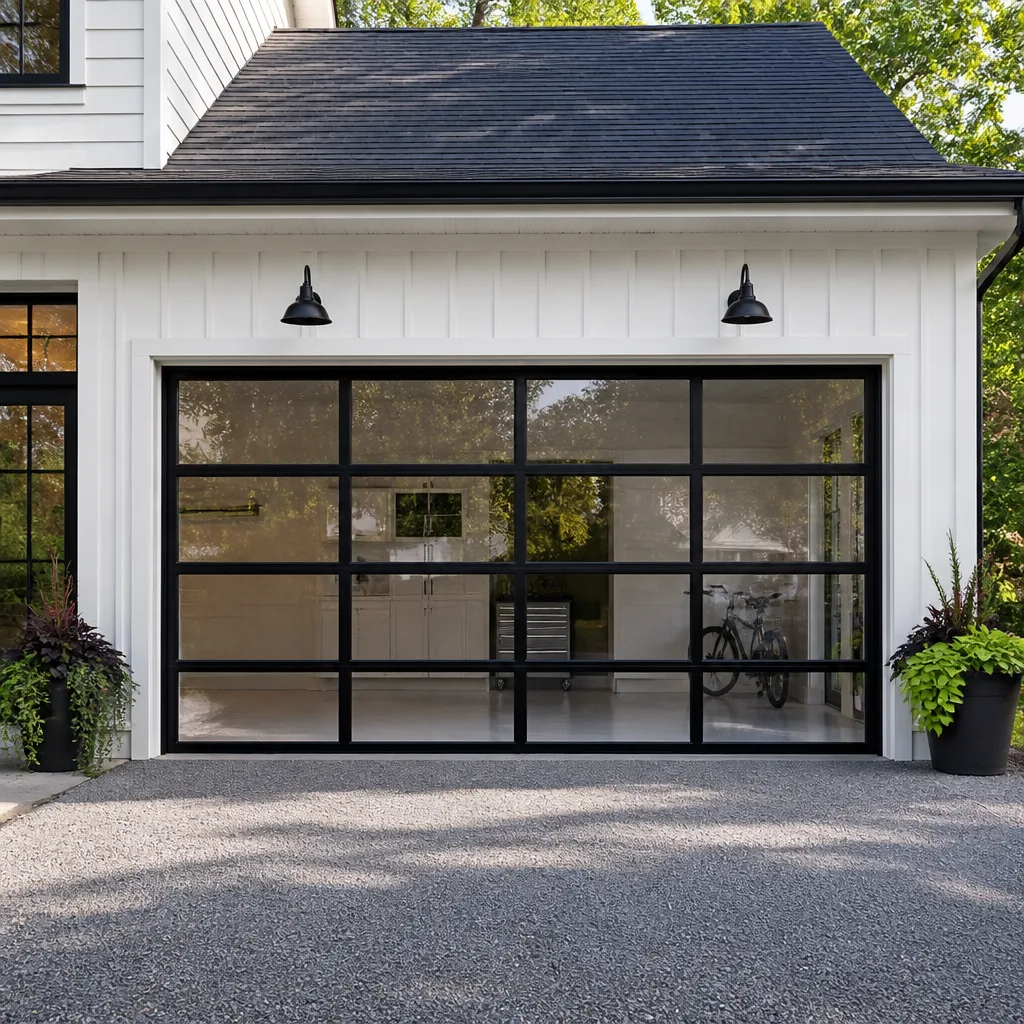 Full-view glass
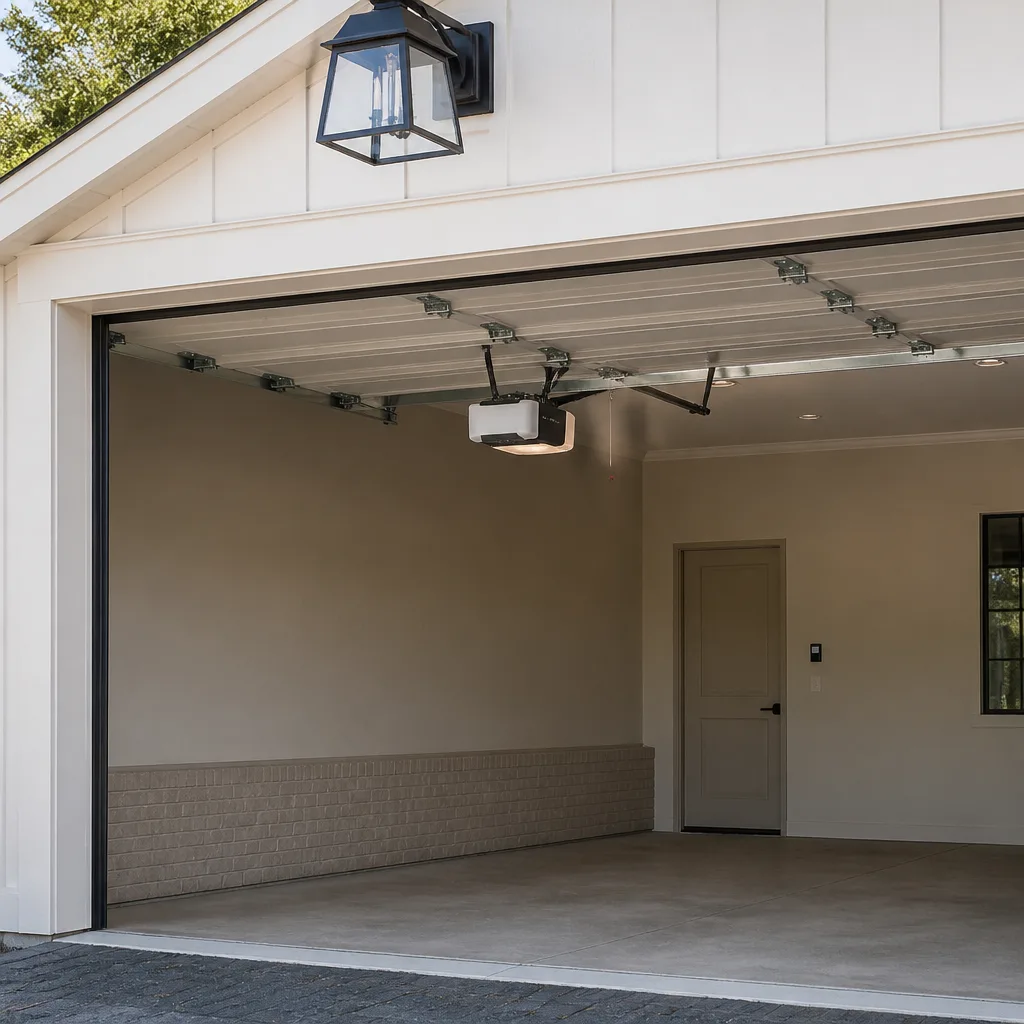 LiftMaster openers
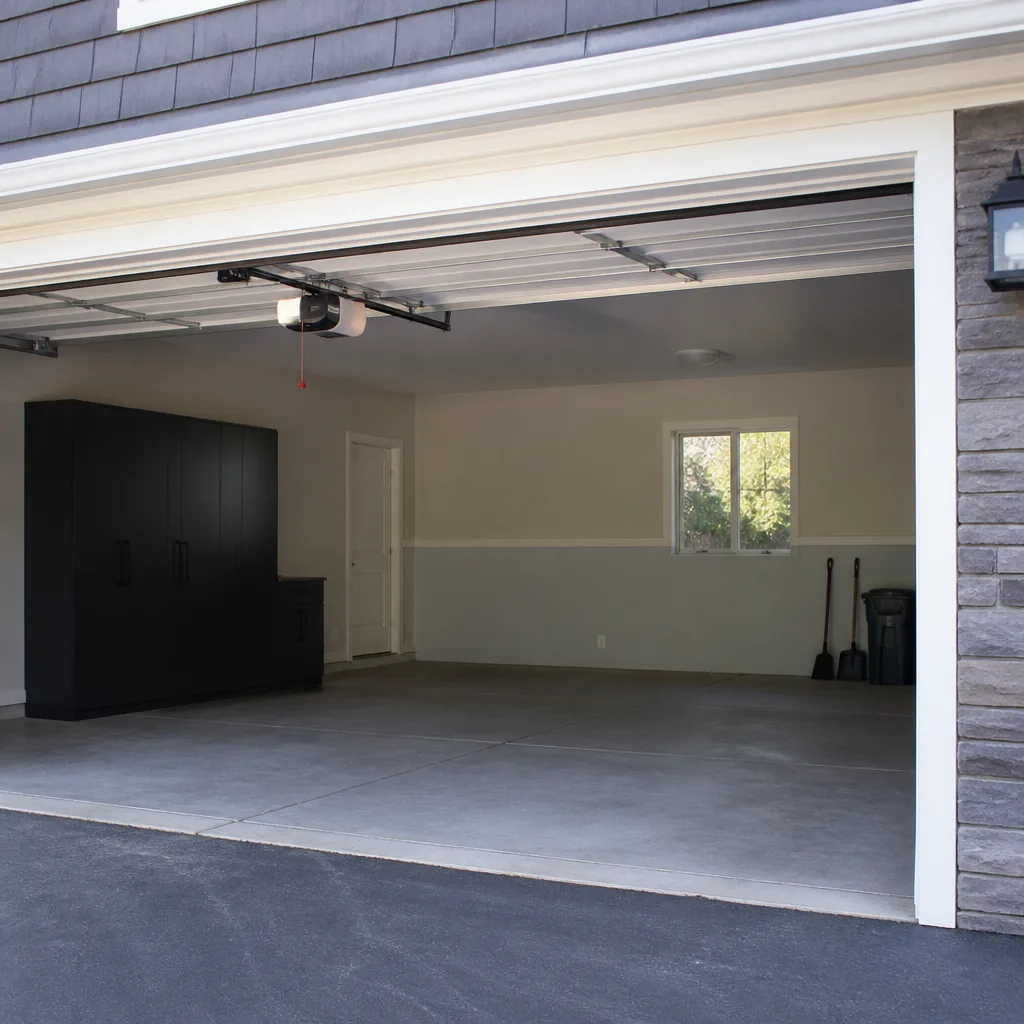 Chamberlain openers
Full 25-point door and opener safety check with every visit - springs, cables, rollers, tracks, and your LiftMaster or Chamberlain opener included
You get a price before we start. It does not change when the pro arrives.
Get your free estimateStyles & brands we work with
- Raised-panel steel
- Carriage house
- Modern flush
- Full-view glass
- LiftMaster openers
- Chamberlain openers
See the difference
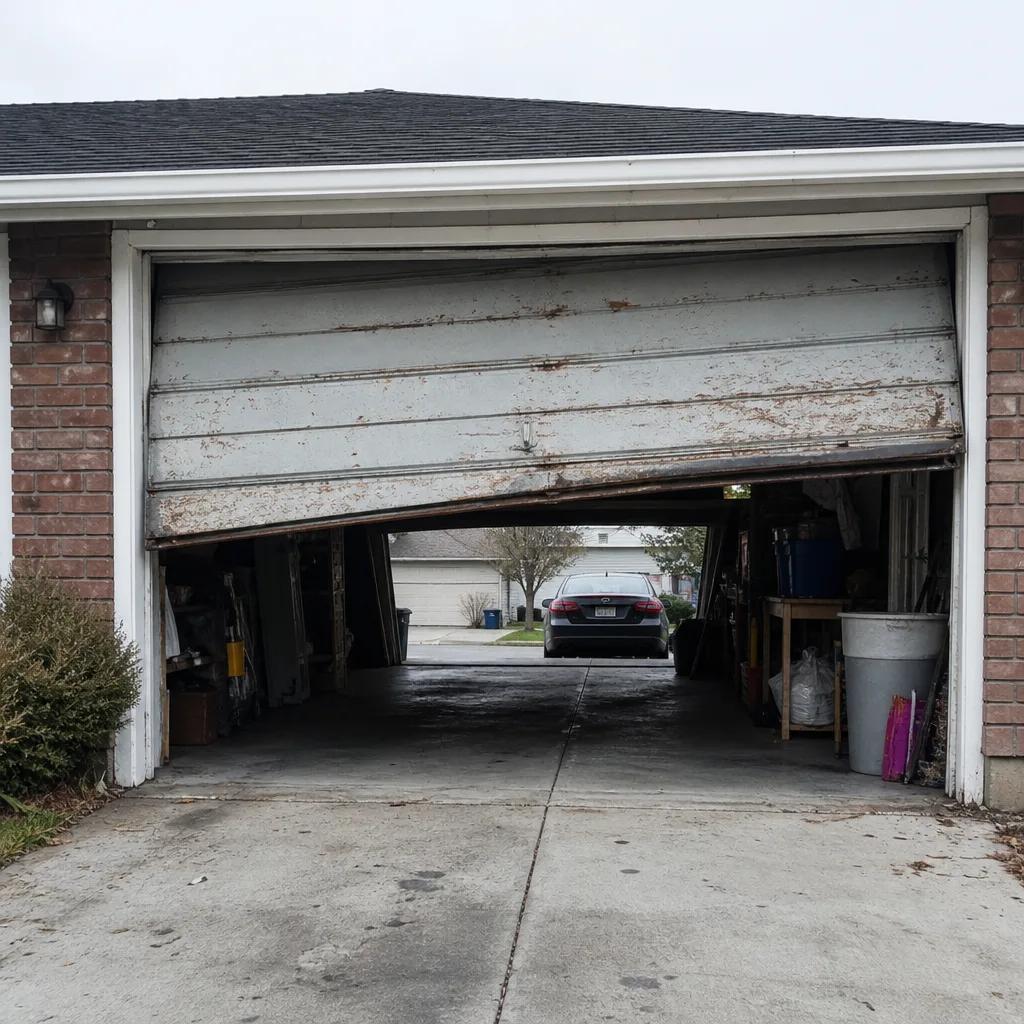 Before
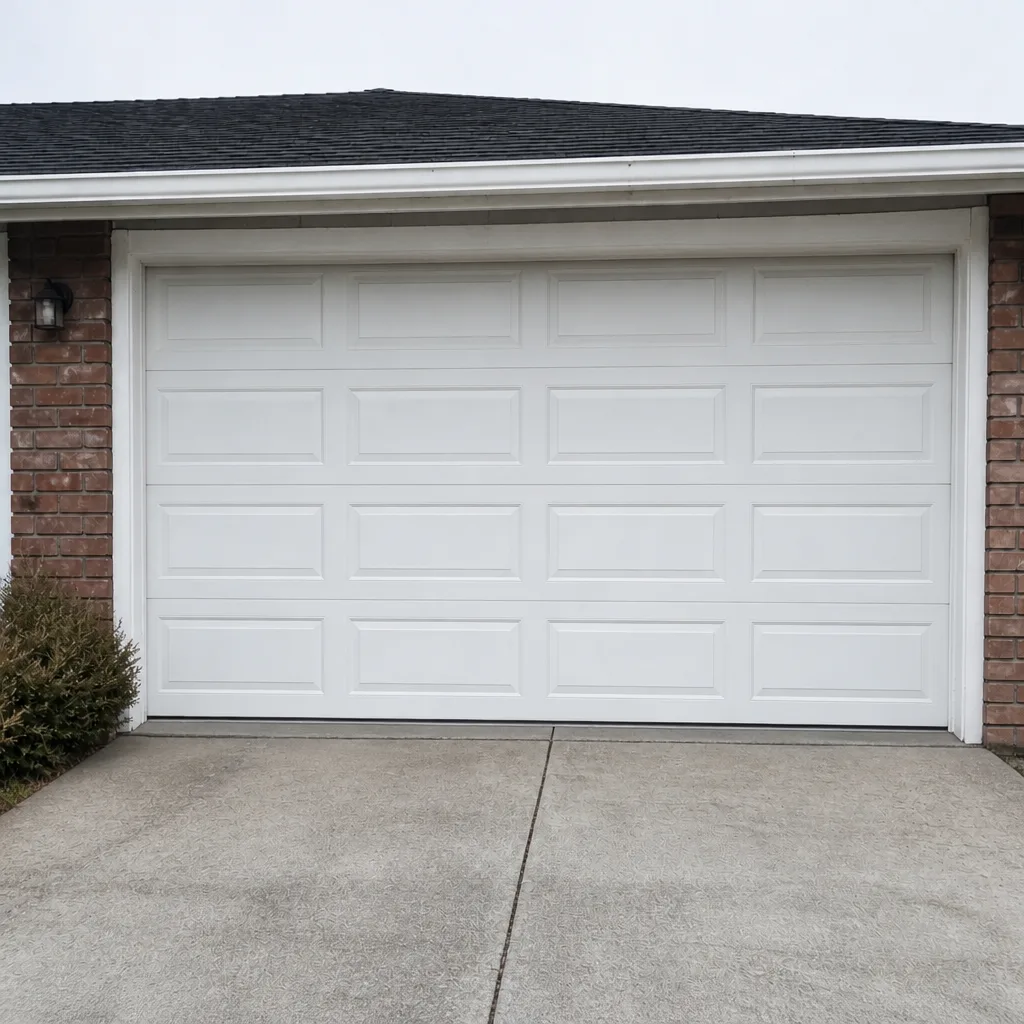 After
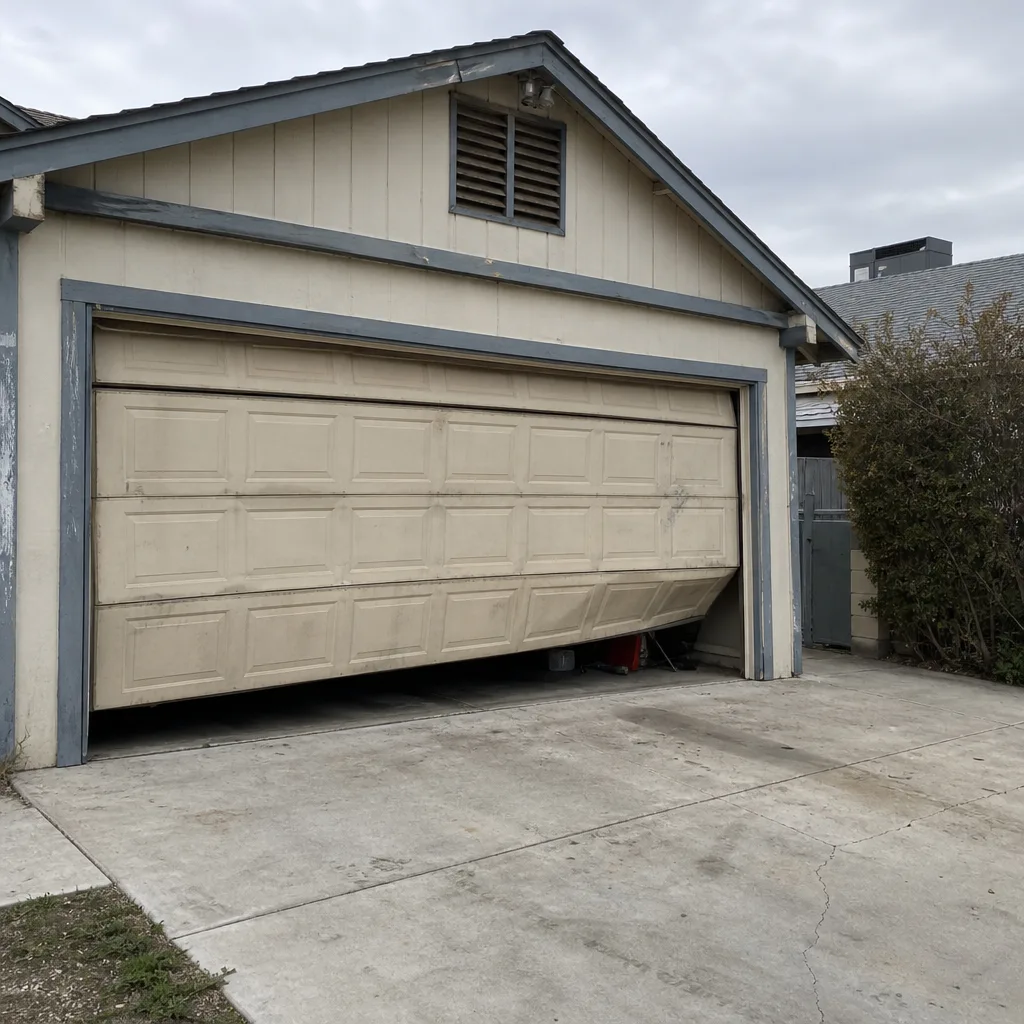 Before
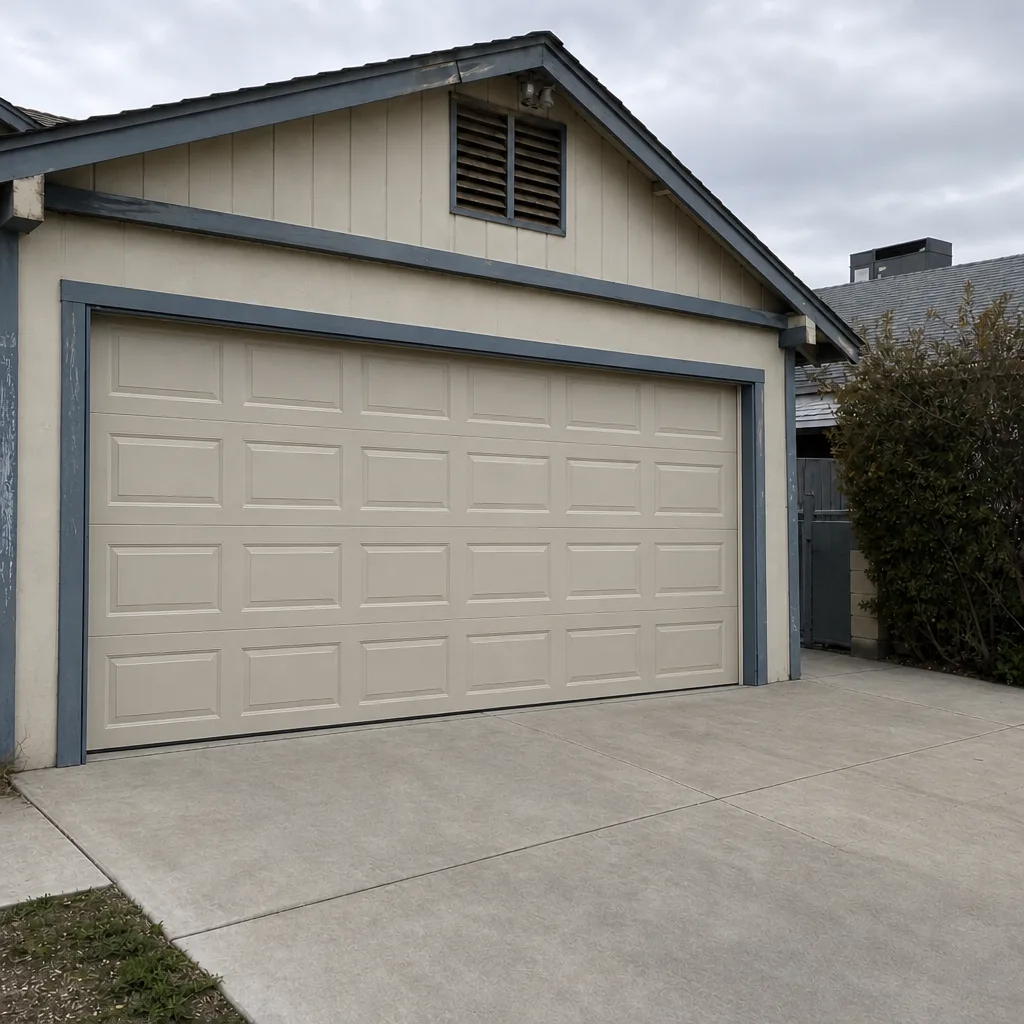 After
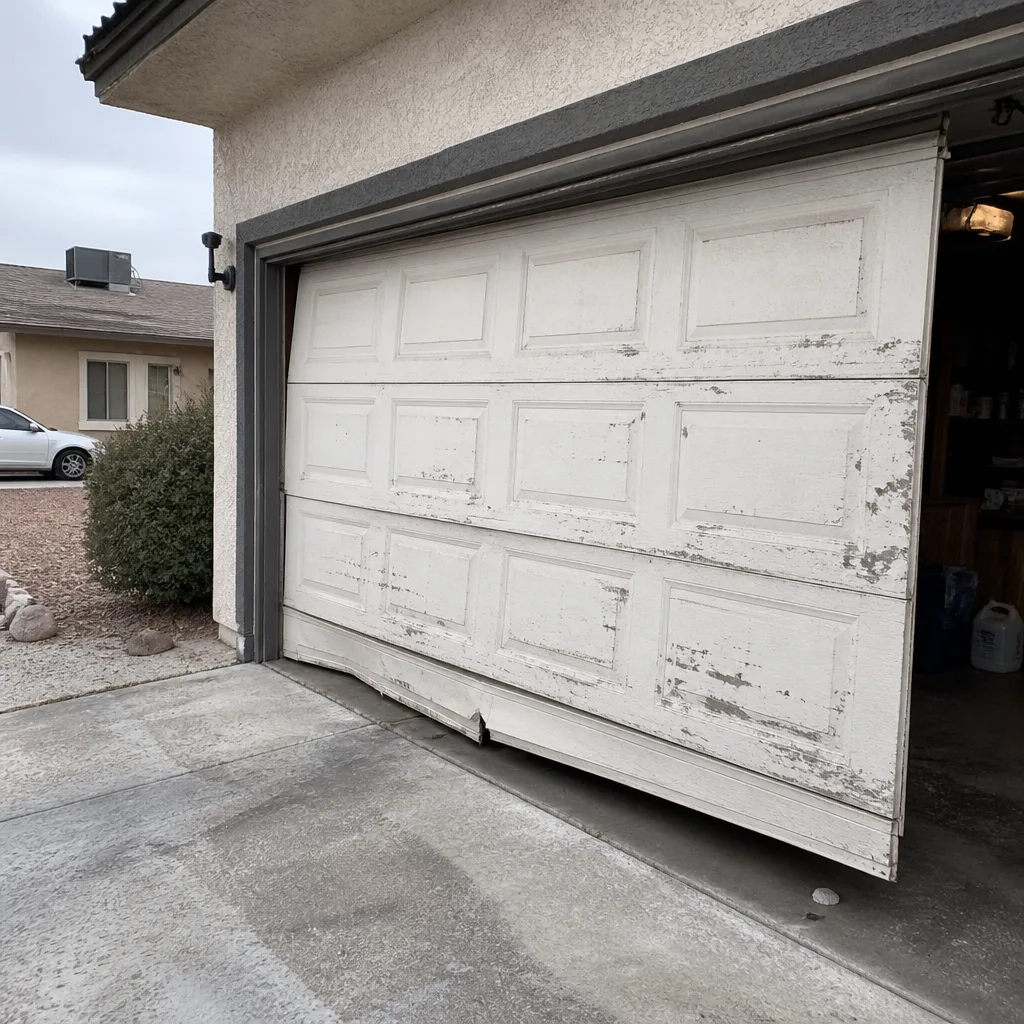 Before
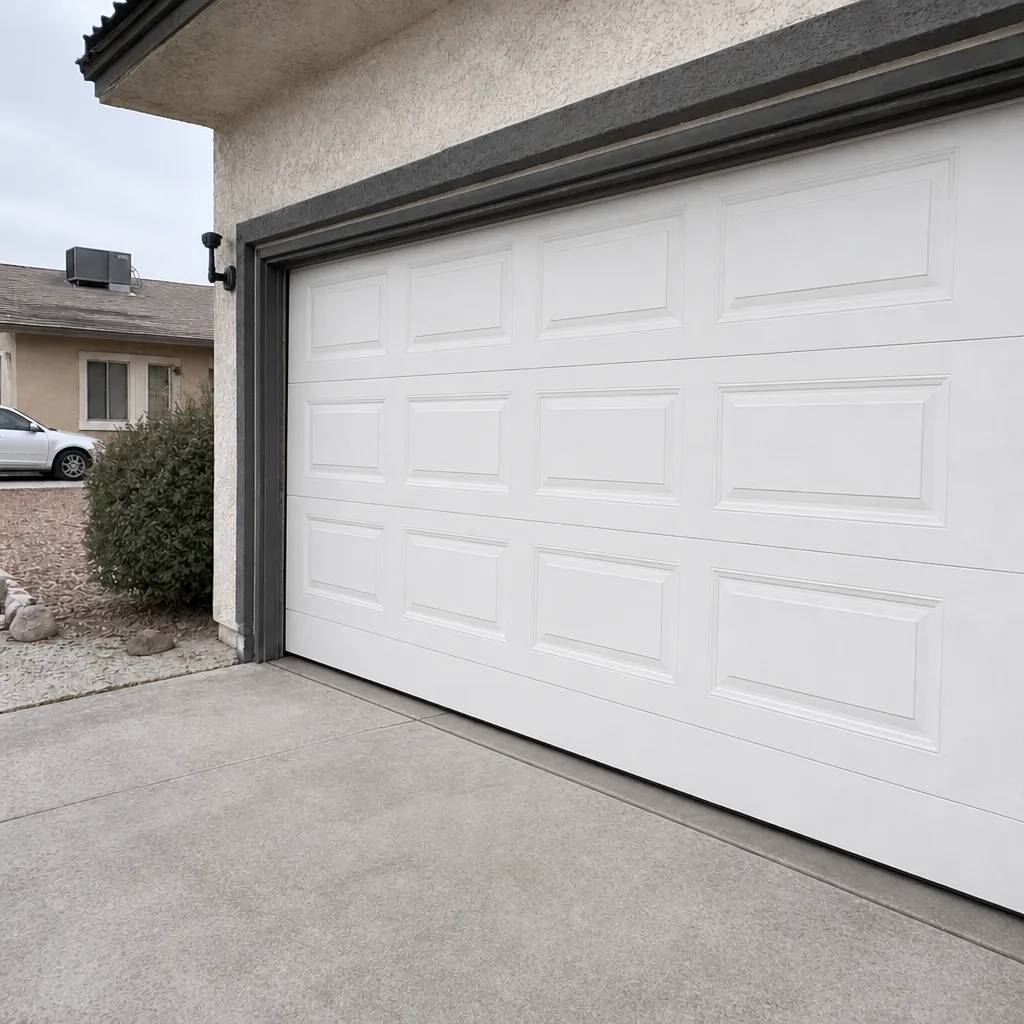 After
If your garage door won’t close, the door’s safety sensor circuit is the most likely culprit – either a misaligned or dirty photoelectric eye, or, in Whitney, a receiver lens blinded by low-angle desert sun. That second cause is why so many doors here fail in the late afternoon and work perfectly the next morning. The short version: before you book a repair, check the sensor indicator lights and try closing the door at a different time of day.
Why “Garage Door Won’t Close” in Whitney Is So Often a Sun Problem
Whitney sits on Las Vegas’s southeast edge, and the housing stock here is heavily post-1990s master-planned suburban – stucco and tile single-family homes with standard two-car garages and insulated steel sectional doors. That means most of the doors we look at are recent enough that the sensors work fine mechanically, which pushes the failure point toward the sensor circuit itself. And in a hot desert climate with intense sun and almost no cloud cover, the sun gets to do something to that circuit that most troubleshooting guides never mention.
Here’s the mechanism. The photoelectric safety sensors mounted near the floor use an infrared emitter on one side and a receiver on the other – a beam runs between them, and if anything interrupts it, the door refuses to close. That’s the intended behavior. But a receiver lens pointed east or west can be saturated by direct, low-angle sunlight during the fall and spring afternoons, and an overwhelmed receiver reads that flood of light as a broken beam. The door stops. It reverses. It won’t close. Then the morning comes, the sun angle shifts, and the door works like nothing happened. Homeowners often assume the sensor is broken or the opener is failing, when it was really the sun all along.
How to tell sun saturation from a real fault
You can narrow this down yourself in a few minutes, and doing so means you either fix it with a small part or you call us knowing exactly what you’re dealing with. Run through these in order:
- Check the indicator lights on both sensors. A steady green or amber light on each unit usually means the beam is intact; a blinking light on the receiver signals an interruption. If both lights are steady and the door still won’t close, the sensors aren’t the story – look at the limit switch or the logic board next.
- Test the closing at a different time of day. If the door closes cleanly in the morning or after the sun drops but fails at the same afternoon hour, sun saturation is the leading explanation.
- Shade the receiver lens with your hand while someone presses the wall button. If the door closes the moment you shadow the lens, that confirms it. Don’t stand in the door’s path to do this – have a second person work the button and keep clear of the moving door.
If the sun-angle test confirms saturation, a sensor hood – a small light-blocking shroud that clips over the lens – usually resolves it without replacing any electronics. That’s a documented fix we can install on a service visit, with the written scope and a photo record showing the original sensor position and the final result. One note on safety: the sensor circuit is the one part of a garage door that exists to keep people safe underneath a moving door, so we always advise against disabling or bypassing it. If the beam is genuinely broken, get it fixed rather than fooled.
The Other Causes, in Order of How Often We See Them in Whitney
Sun saturation is the distinctive one, but it isn’t the only reason a door refuses to close. For Whitney’s housing stock, these are the causes that come up most, roughly in order:
- Sand and dust on the sensor lenses. Whitney’s occasional wind events blow fine desert dust that coats the emitter and receiver. A dry microfiber cloth on both lenses clears a surprising share of “won’t close” calls.
- A bumped or misaligned sensor bracket. A vehicle, a bicycle, or a kid’s ball knocks the bracket a fraction off and the beam no longer lines up. You’ll see a blinking indicator. Realigning is a quick visit.
- Limit-switch drift. The limit switch tells the opener where the closed position is; if it’s set wrong, the door reaches the floor and reverses, or stops short. This is an opener adjustment, not a sensor fix.
- A failing logic board or trolley carriage. Less common, but a LiftMaster or Chamberlain opener with a tired logic board can refuse to close with no sensor issue at all.
Remote vs. Wall Button: The Test Most Guides Skip
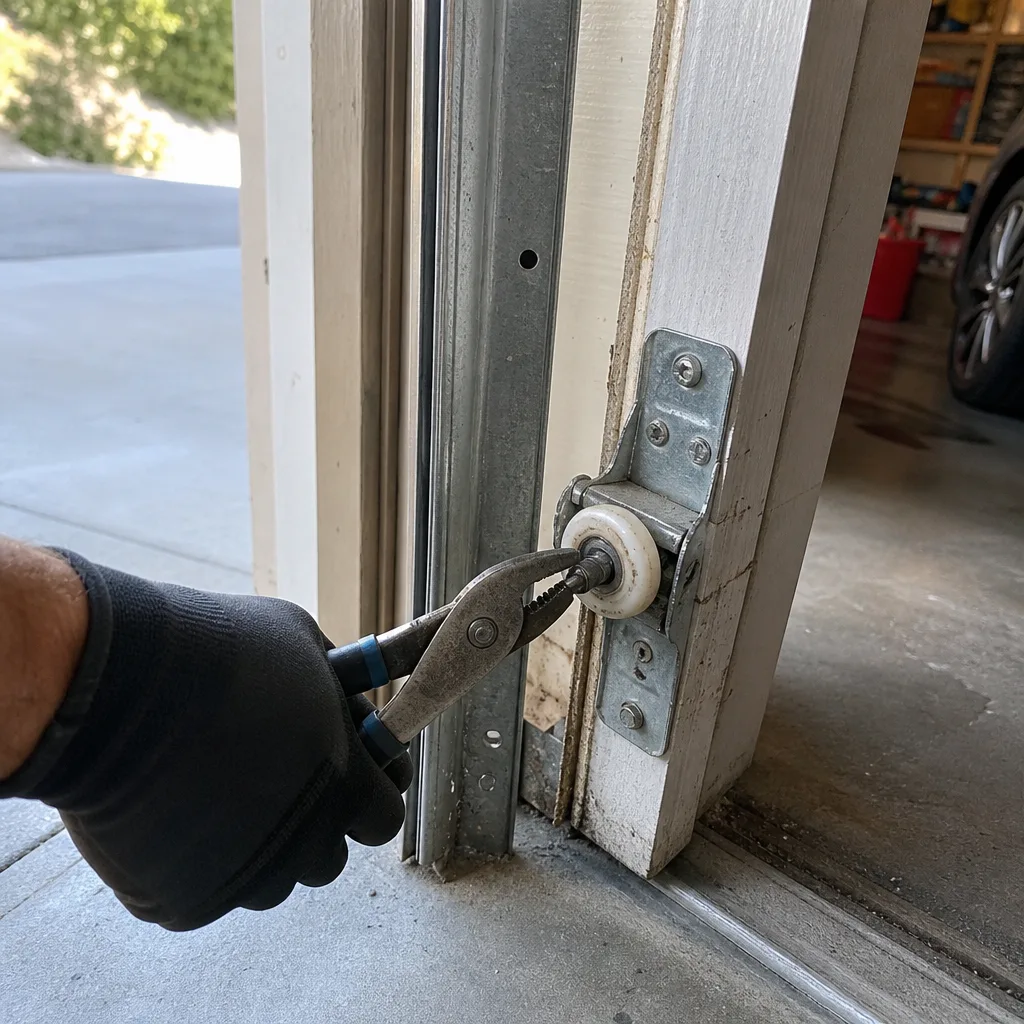
Here’s a diagnostic step that separates two very different problems, and it costs you nothing. Try to close the door with the wall button. Now try with the remote. If the door closes with the wall button but not the remote, the sensor circuit is probably fine and the issue lives in the remote or the opener’s receiver – a dead remote battery, a lost frequency pairing, or a receiver problem. If the door won’t close with the wall button either, the trouble is almost certainly in the sensor circuit or the opener logic itself. That single test tells you which half of the system to look at before anyone touches a screwdriver.
Whether the cause turns out to be a sun-blinded sensor, a dust-coated lens, or an opener on its last legs, the work starts the same way here: we photograph the failed component and hand you a flat, written price before anything is replaced. That’s Clause 4 of The Haven Standard, and it’s why you’ll see the actual sensor, bracket, or board rather than a verbal diagnosis. Our technicians have up to 11 years of experience, they arrive background-checked and uniformed, and they service all the major brands, from Genie and Chamberlain to Clopay and LiftMaster. If you’ve already had another company out, bring their written estimate and we’ll give you a free second opinion.
BeforeAfterWhat Sensor and Closing Repairs Cost in Whitney
You shouldn’t have to call to learn what a repair runs. These are the ranges we work within for the jobs tied to a door that won’t close:
| Repair | Typical Cost Range |
|---|---|
| Sensor diagnosis and realignment (with sensor hood install) | $150-$250 |
| Track realignment | $120-$240 |
| Roller replacement | $110-$220 |
| Opener repair (logic board, limit switch, receiver) | $120-$320 |
| Cable repair | $130-$250 |
| Spring repair (torsion or extension) | $180-$340 |
| Panel replacement | $250-$500 |
| Full garage door repair | $150-$600 |
Most sensor and closing issues land at the low end, often under $250 once the cause is confirmed. If the visit turns up something bigger – a heat-fatigued torsion spring or a UV-cracked roller that’s about to fail – we’ll show you the part and quote it in writing before we touch it. Torsion springs are under extreme tension and are genuinely dangerous to handle without the right tools, so that’s not a part we’d ever suggest a homeowner adjusts. For anything beyond a sensor check, it’s worth having it looked at by someone trained for it; our Garage Door Repair team handles the full range.
FAQs
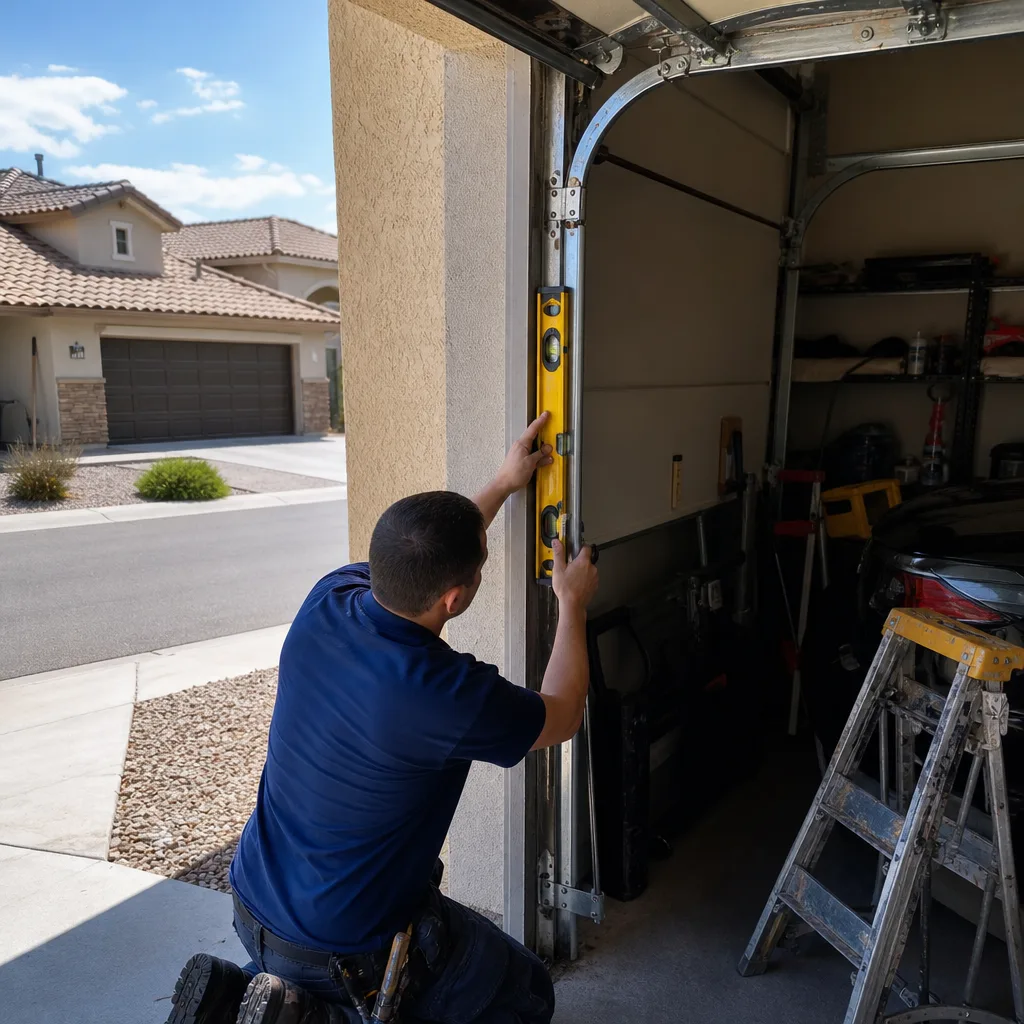
Because low-angle afternoon sun is saturating the infrared receiver on your safety sensor, and the receiver reads that light as a broken beam. It’s most common in fall and spring in Whitney when the sun sits lower in the sky. Shade the receiver lens with your hand while someone presses the button – if the door closes, sun saturation is confirmed, and a sensor hood usually fixes it.
Most sensor-related fixes run $150-$250, and a full garage door repair ranges from $150-$600 depending on what’s found. Opener repairs land at $120-$320. Call (888) 402-1096 for an exact quote – we give a flat, written price before any work starts, and estimates are free.
Yes – calls are answered by a live person 24/7, including emergencies, and we can usually get a technician out the same day for a door stuck open. A door stuck open is a security concern overnight, so don’t wait on it. Call (888) 402-1096 and you’ll get a named technician and an on-the-way text.
Repair is almost always cheaper for a sensor or alignment issue – a realignment or a sensor hood is a fraction of a new opener’s $250-$550 install cost. Only when the opener’s logic board or receiver has failed is replacement worth weighing. We’ll show you the failed part and quote both paths, so the decision is yours to make on evidence.
When to Stop Troubleshooting and Call
If your door still won’t close after the sensor-light check and the time-of-day test, or if the door reverses on its own or moves erratically, it’s time to have it looked at. Servo Garage Doors Whitney connects you with a background-checked local technician who photographs the failed part and hands you a written price before anything is replaced – no urgency, no guesswork. Start with our home page or call us directly. If you’d rather have it looked at, Servo Garage Doors Whitney offers a no-pressure assessment in Whitney – call (888) 402-1096.
Written by the team at Servo Garage Doors Whitney, serving Whitney, NV.