
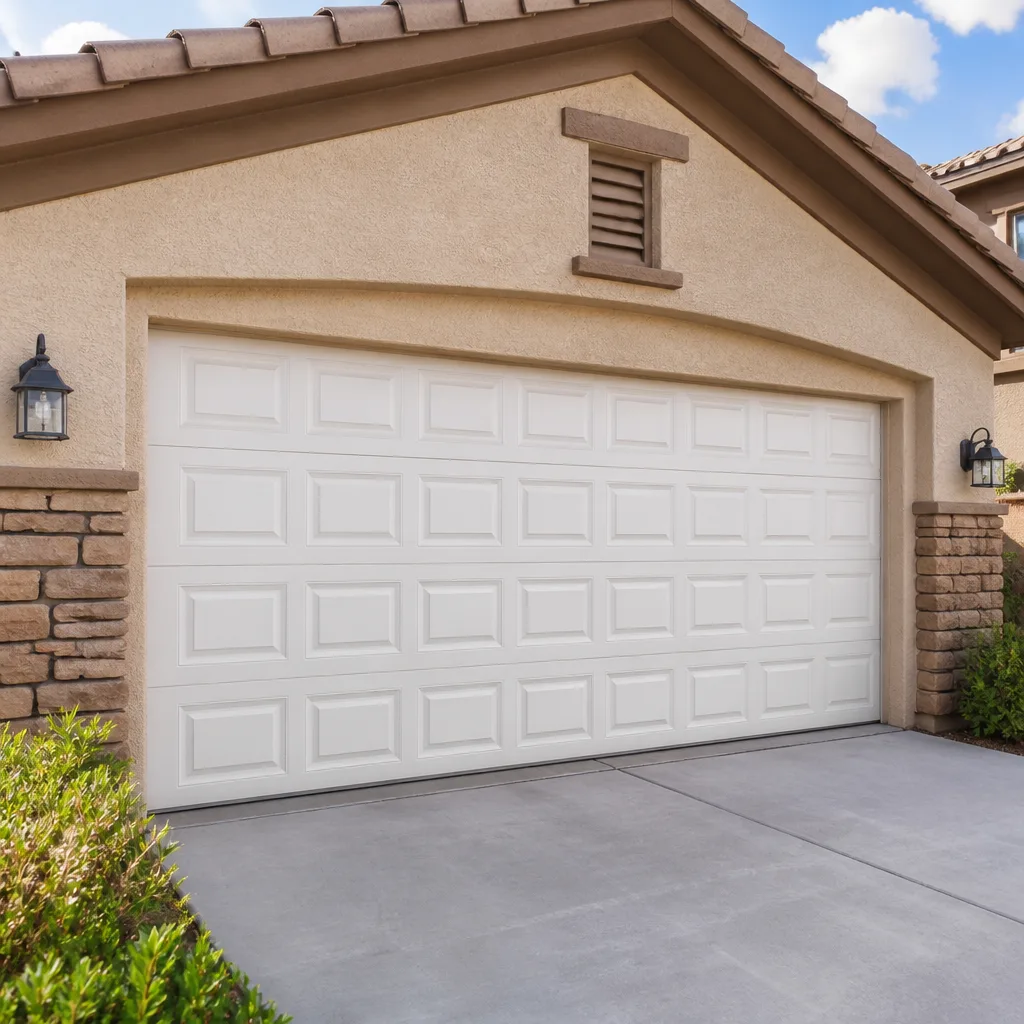
 Raised-panel steel
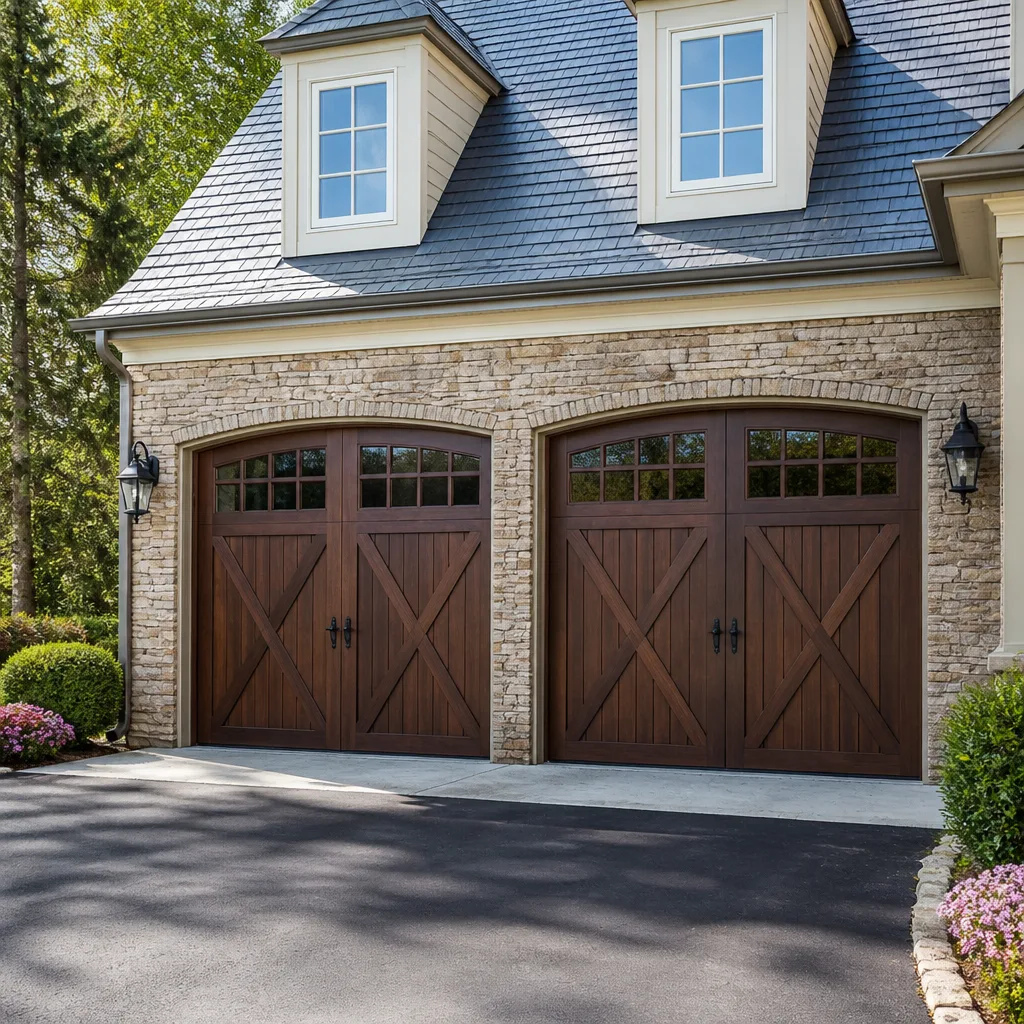 Carriage house
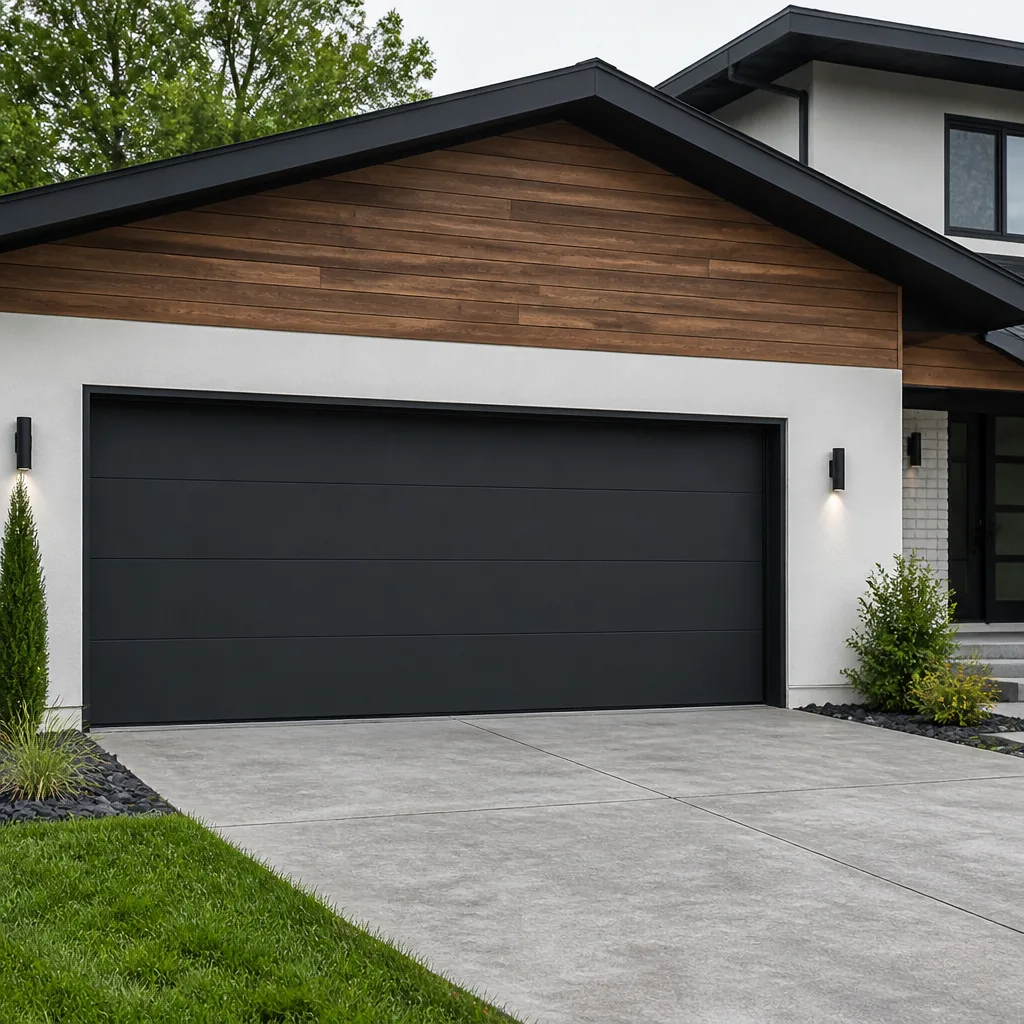 Modern flush
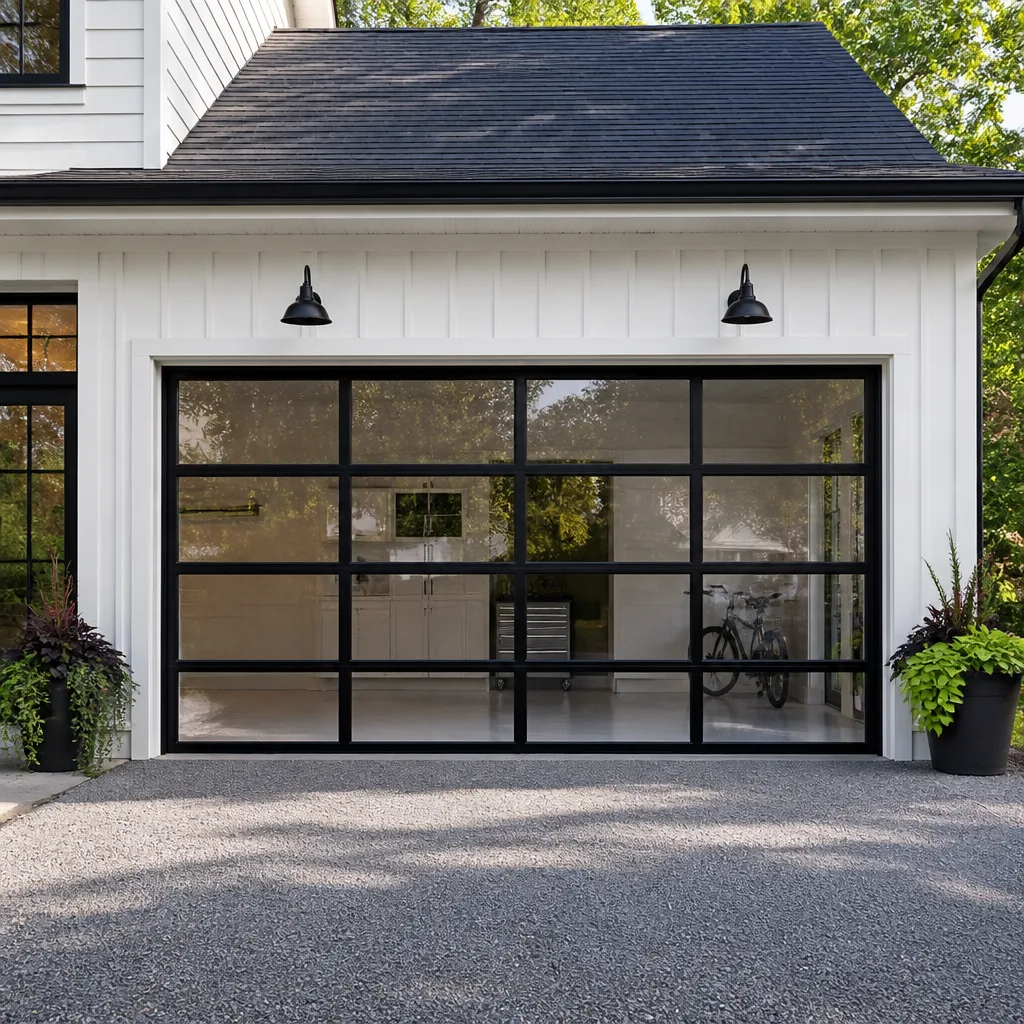 Full-view glass
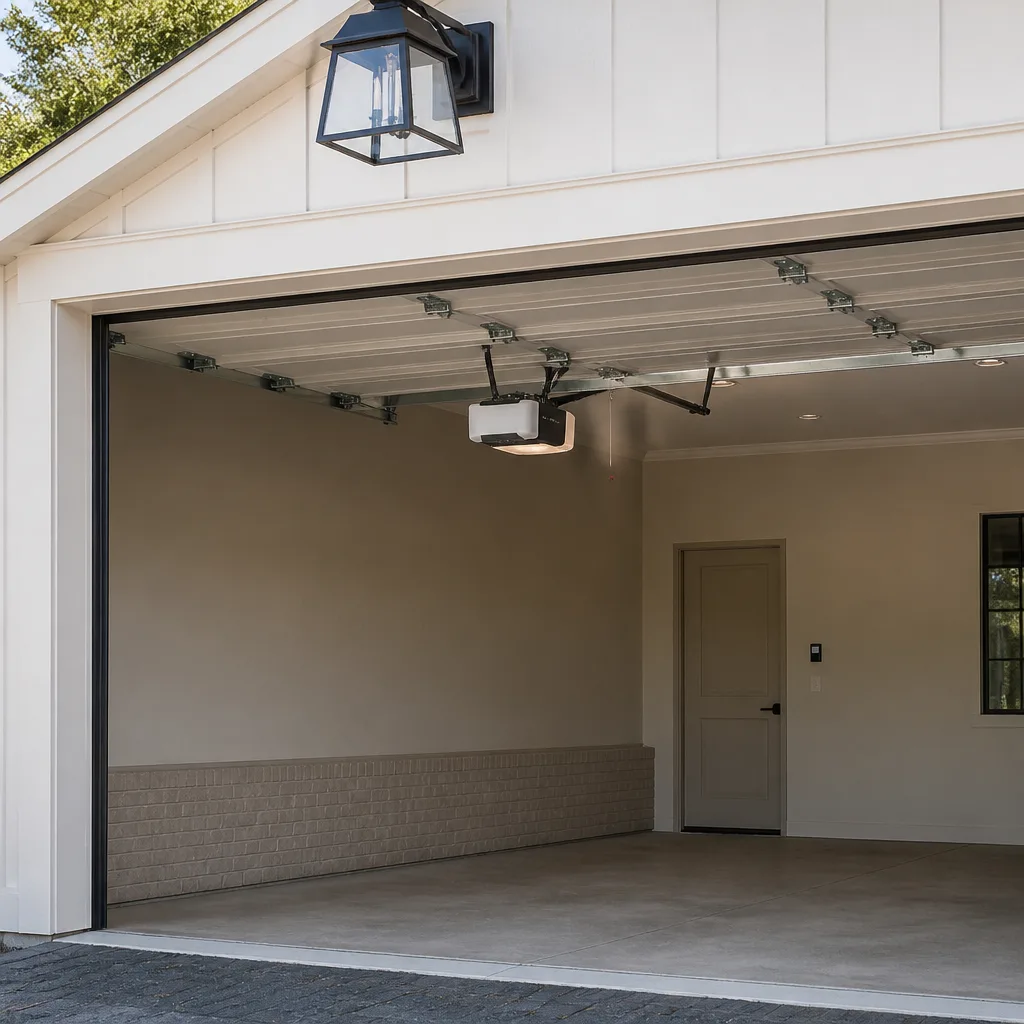 LiftMaster openers
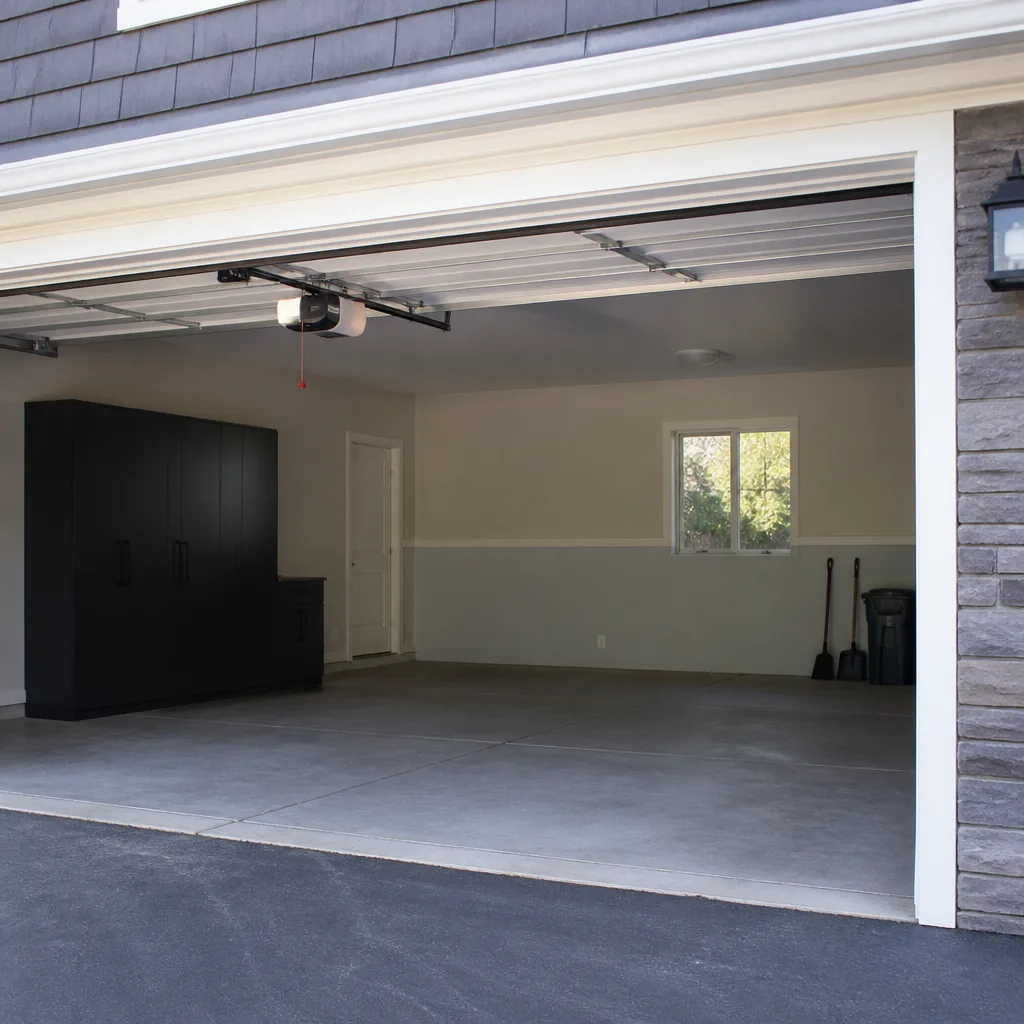 Chamberlain openers
Full 25-point door and opener safety check with every visit - springs, cables, rollers, tracks, and your LiftMaster or Chamberlain opener included
You get a price before we start. It does not change when the pro arrives.
Get your free estimateStyles & brands we work with
- Raised-panel steel
- Carriage house
- Modern flush
- Full-view glass
- LiftMaster openers
- Chamberlain openers
See the difference
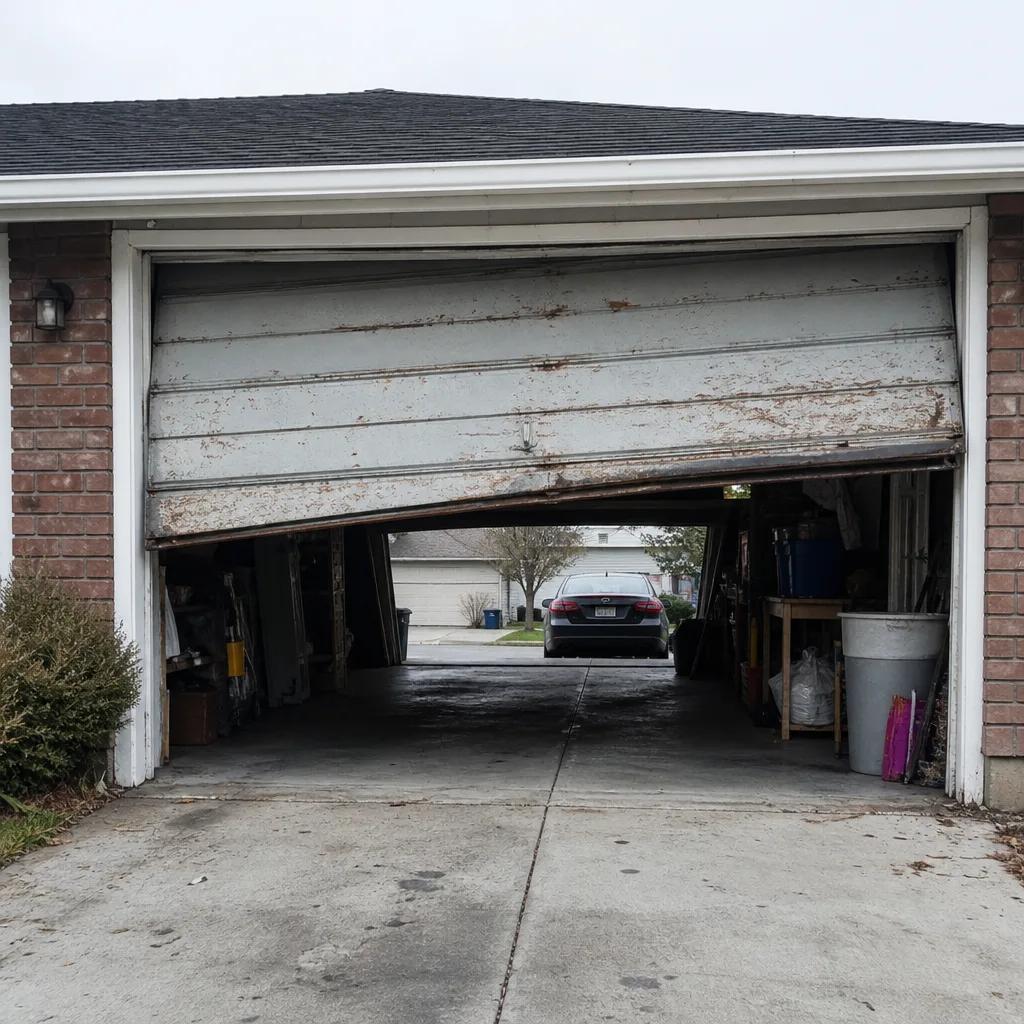 Before
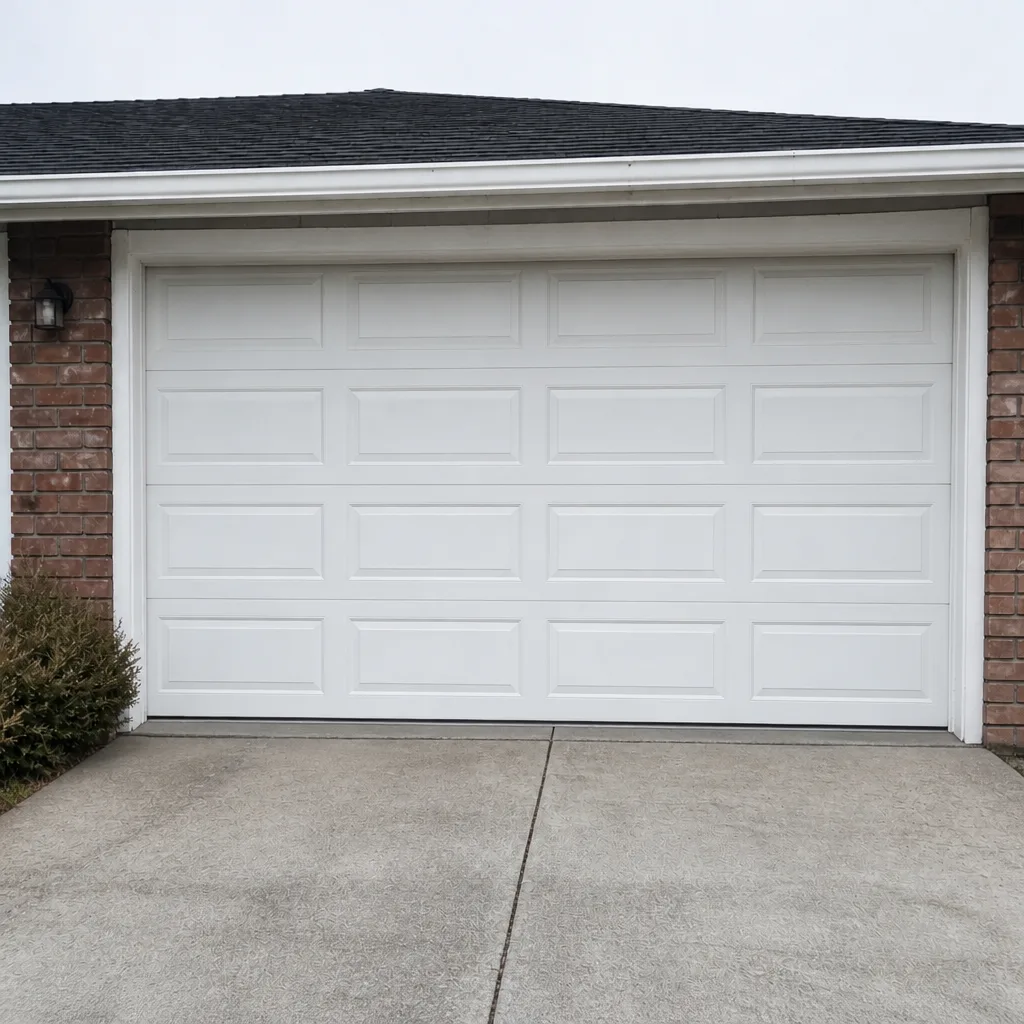 After
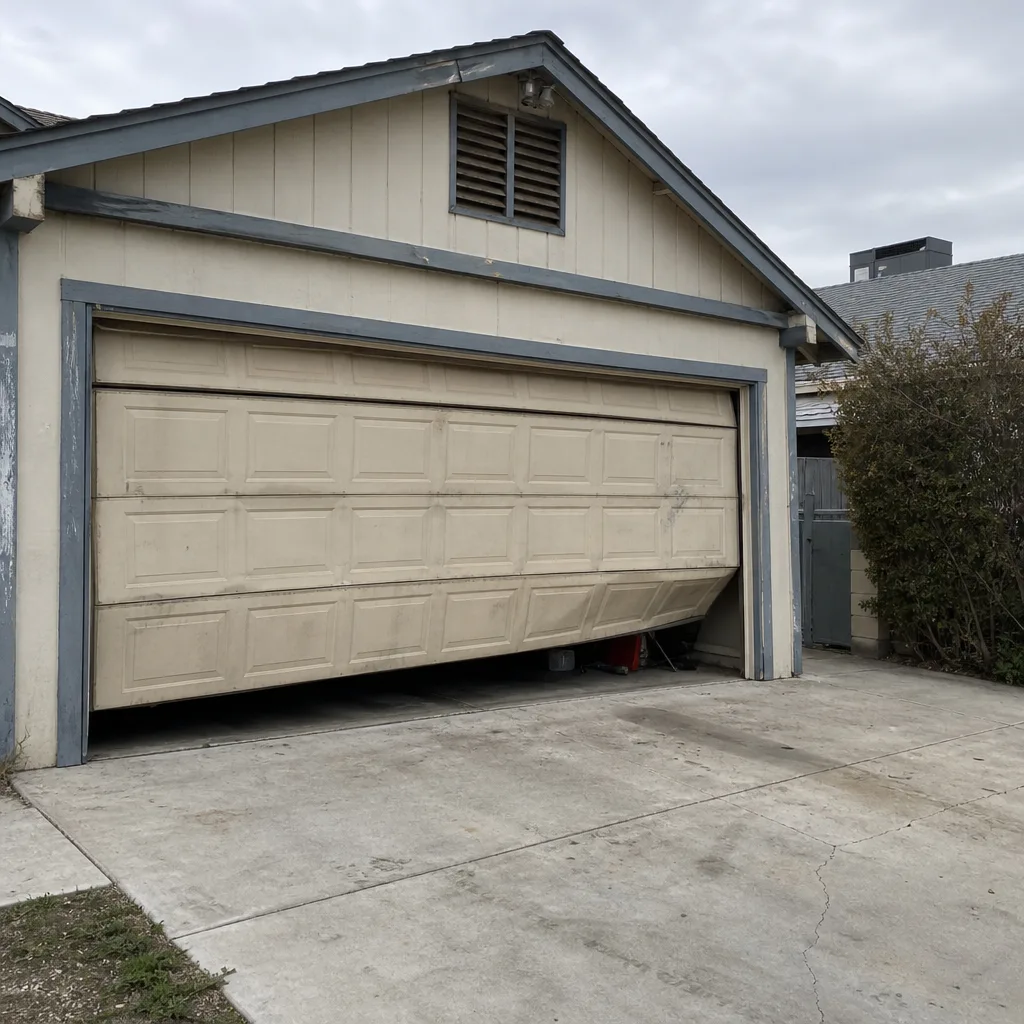 Before
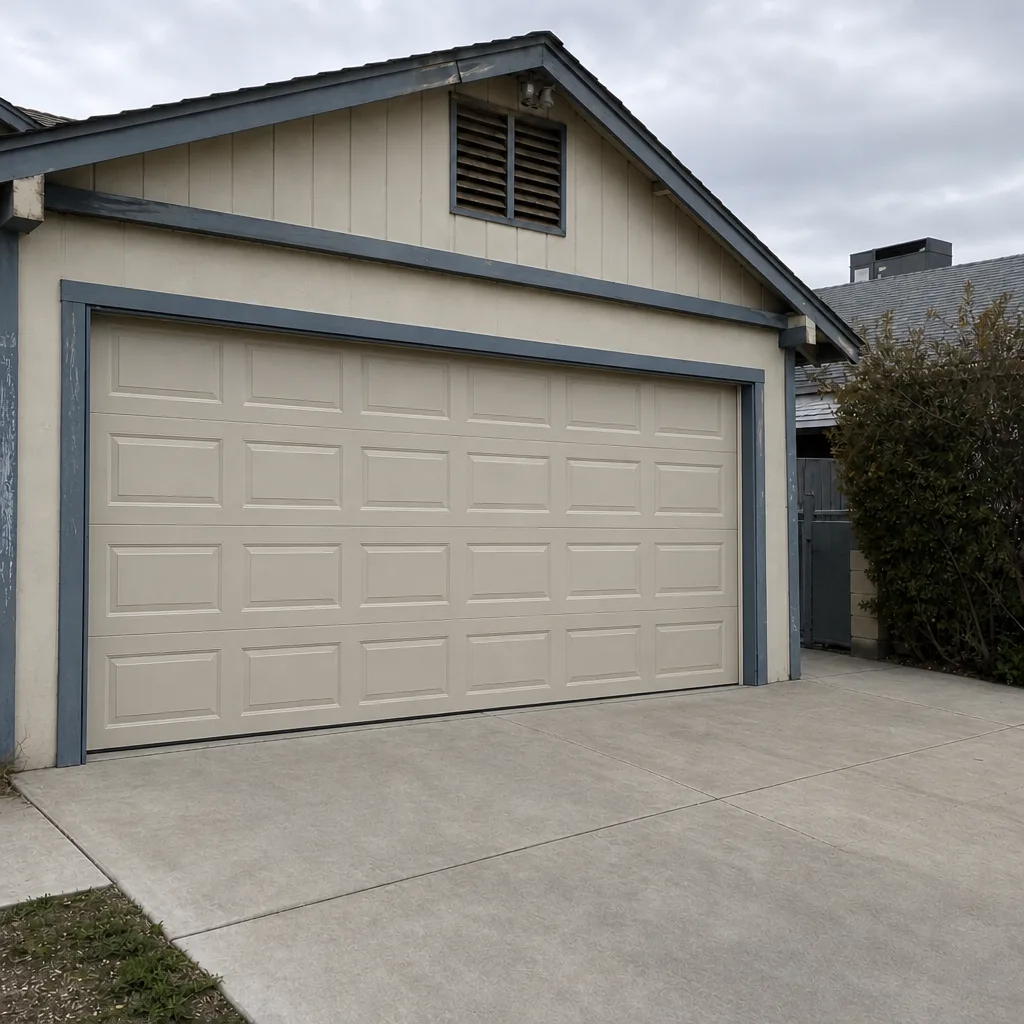 After
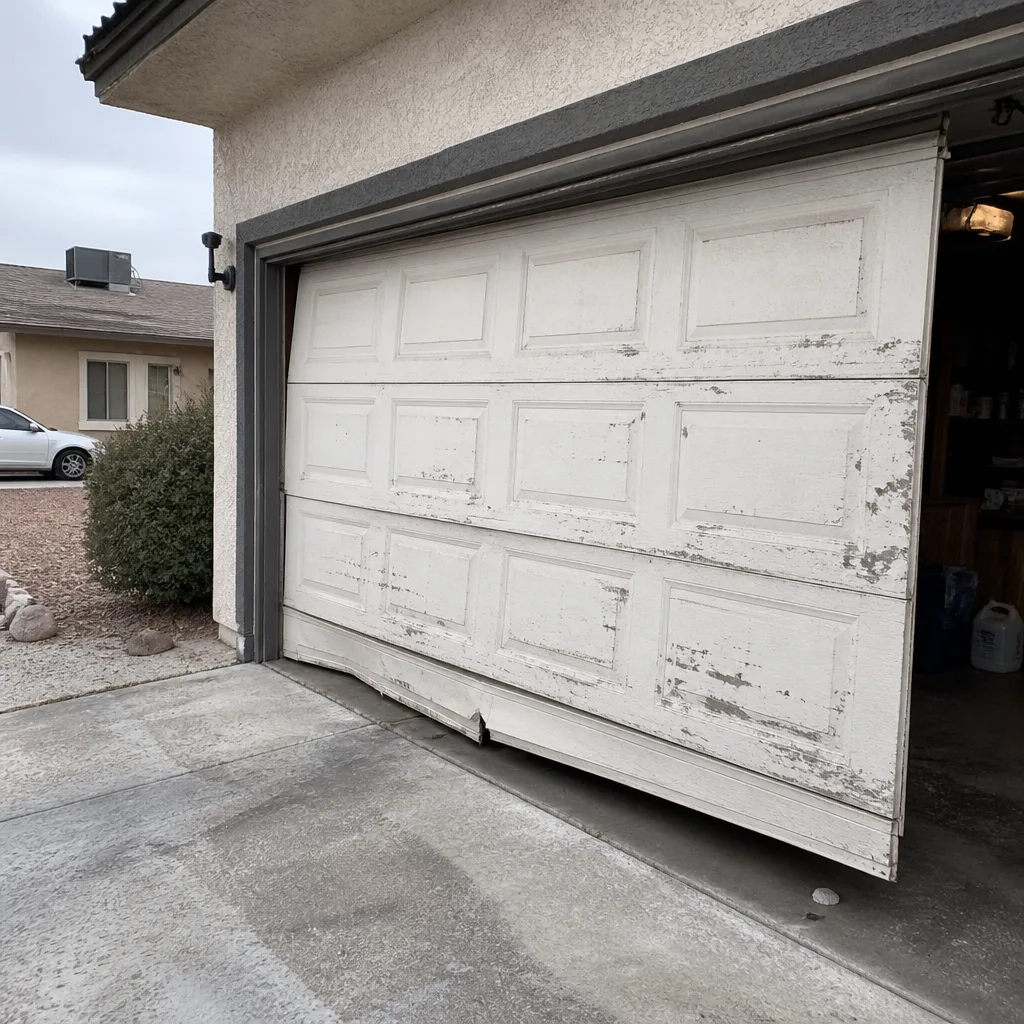 Before
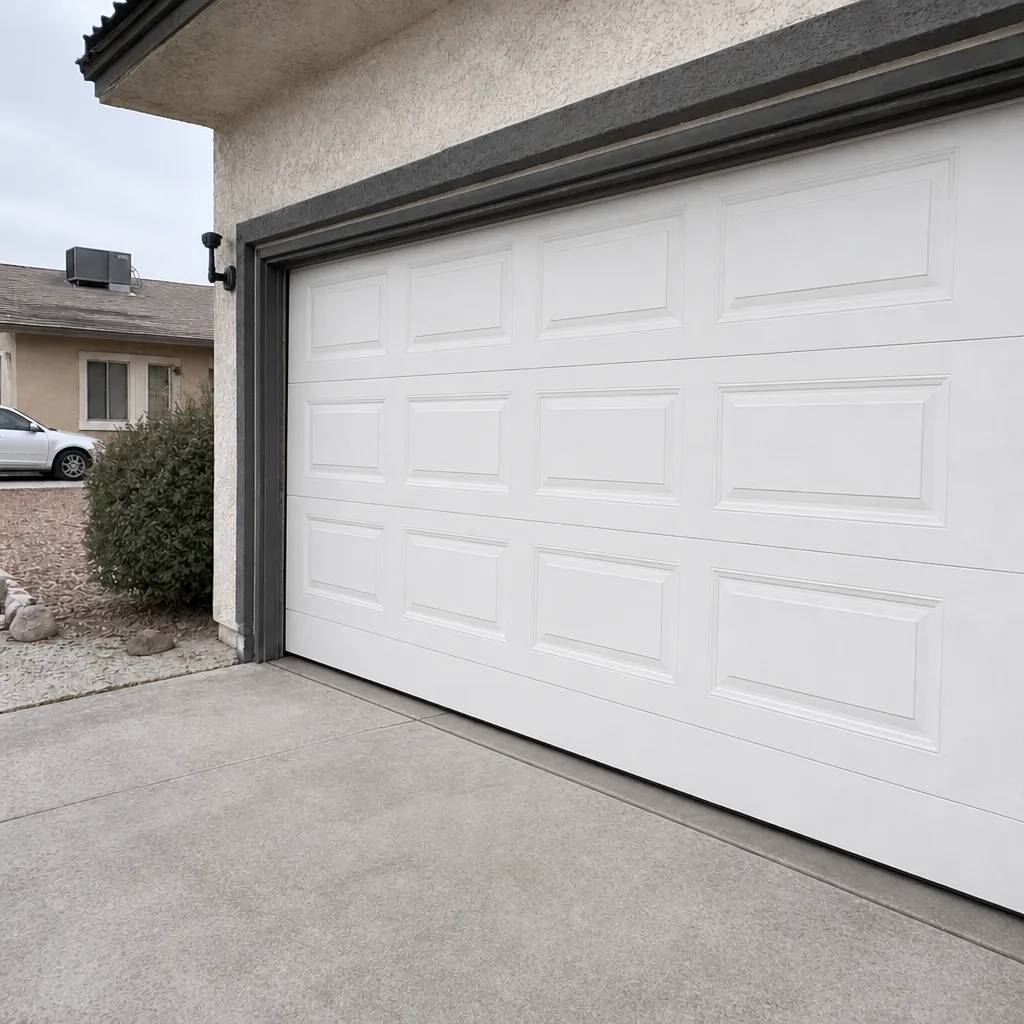 After
Belt vs Chain Drive Garage Door Opener in Whitney, NV: Which One Actually Holds Up Here?
Choose a reinforced belt drive unless you have a specific reason to want a chain – and in Whitney, that reason is almost always budget. Belt drives run quieter, need less seasonal adjustment, and hold their tension through the desert temperature swings that work a steel chain loose. Chain drives cost less up front, last a long time, and are perfectly serviceable if someone actually checks the tension twice a year. Most Whitney homeowners don’t. That’s the honest framework, and the rest of this page explains why the thermal math matters more here than the noise argument you’ve probably already read. For a written price on either option, call Servo Garage Doors Whitney at (888) 402-1096 – we quote in writing before any work starts.
Why the Usual “Belt Is Quieter” Advice Only Tells Half the Story
Almost every belt-vs-chain comparison leads with noise, and that’s fair. A belt drive is measurably quieter. But a chain drive that runs quietly in October can develop a noticeable slack-snap by July – not because it’s worn, but because steel expands when it gets hot. Whitney sits on Las Vegas’s southeast edge, where garages regularly hit 115°F in summer and the dry desert air does nothing to soften the swing. Steel chain is a metal, and metals grow.
The numbers are small but real. A 10-foot drive chain can expand roughly 0.03 to 0.05 inches over a 60°F temperature rise. In isolation that sounds like nothing. In practice it’s enough to throw off the opener’s tension setting, which is why the characteristic “chain slap” banging shows up in summer on doors that sounded fine all winter. The opener also starts hunting for its limit switches – the sensors that tell the motor where the door should stop – because the mechanical relationship between the trolley carriage and the rail has shifted.
Rubber-reinforced and polyurethane belt drives have much lower thermal expansion coefficients than steel chain. That’s the technical way of saying: they don’t grow as much when they heat up, so they need less seasonal fiddling. In a climate with 60°F-plus swing between winter morning and July afternoon, that consistency is a real advantage, and it’s the argument most comparisons skip.
Belt, Chain, or Screw Drive: A Straight Comparison
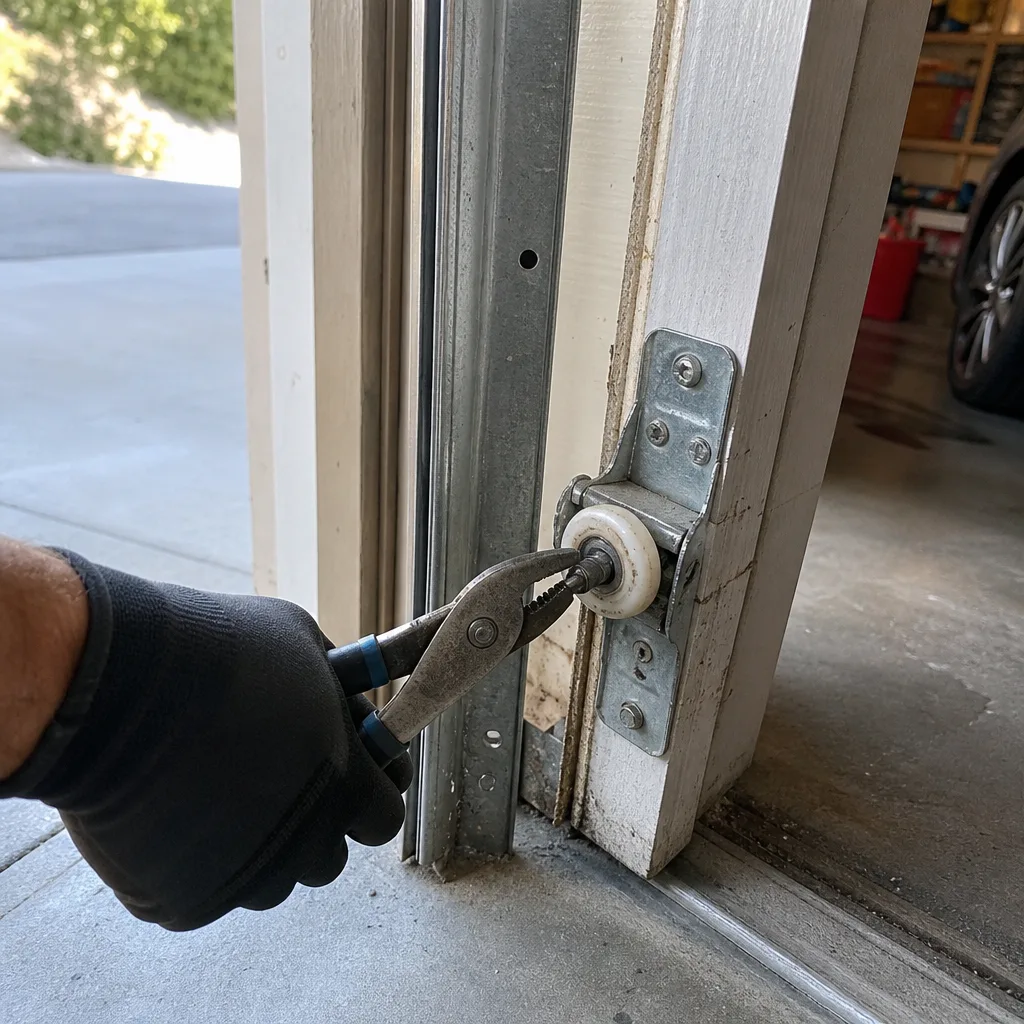
There’s a third option you’ll see recommended for “low maintenance,” and it deserves an honest word. Screw-drive openers use a threaded rod and a plastic carriage nut instead of a chain or belt. They’re smooth and quiet when new. In sustained heat, though, that plastic nut degrades faster, and replacing it is a repair you’ll pay for later. Here’s how the three stack up for a Whitney garage:
| Drive type | Noise | Heat behavior | Adjustment | Best fit here |
|---|---|---|---|---|
| Reinforced belt | Quietest | Low thermal expansion – holds tension | Rarely needs seasonal tensioning | Attached garages sharing a wall with bedrooms; most Whitney homes |
| Steel chain | Noticeable, especially when loose | Expands with heat; slack-snap in summer | Needs tension check ~twice a year | Tighter budgets; detached or well-isolated garages |
| Screw | Smooth when new | Plastic carriage nut degrades in sustained heat | No tension adjustment, but nut replacement later | Occasional, not a default |
BeforeAfterThe Noise Argument Is Real in Whitney’s HOA Subdivisions
Whitney is a heavily suburban, largely post-1990s master-planned community. Most of these contemporary stucco-and-tile homes have an attached two-car garage that shares a wall with a bedroom, living room, or hallway. When you open the door at 6:15 on a Saturday morning, everyone on the other side of that wall hears it. That’s a genuine reason to prefer belt drive, and Servo technicians will tell you plainly when a homeowner’s layout makes it the deciding factor.
A word of context: because this is an HOA-dense area, door color and design standards often constrain what you can swap in, and heat fatigue shows up in the hardware too. Brittle, UV-cracked nylon rollers and heat-weakened torsion springs are routine calls here. The springs and cables store tremendous energy and belong to a trained technician – we don’t recommend touching them, and we don’t ask you to. Our technicians have up to 11 years of experience with the failure patterns this climate produces.
What Actually Decides It for Your Home
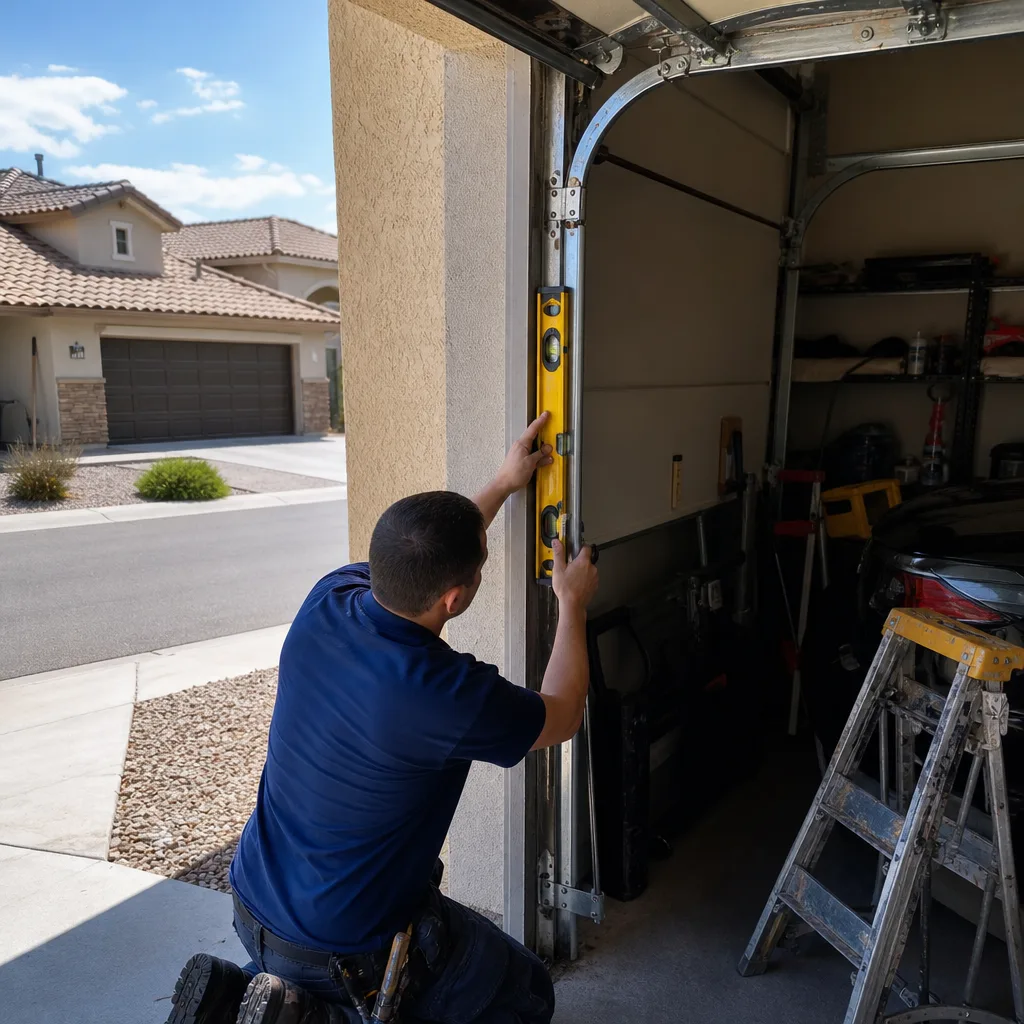
Rather than sell you a label, we look at four things on a visit and quote a specific replacement model in writing before anything is touched. What to weigh:
- Where the garage wall meets living space. Shared wall with a bedroom pushes you toward belt.
- How much you’ll actually maintain a chain. If a twice-yearly tension check won’t happen, the summer slack-snap will.
- Garage door weight and brand. A heavier insulated steel sectional door needs an opener rated for it. We service LiftMaster, Chamberlain, Genie, Clopay and the other major brands, and we match the model to the door.
- Whether this is a repair or a replacement. Sometimes a loud opener just needs a worn gear or a trolley carriage, not a whole new unit.
On price, here’s the written range we work to in Whitney:
| Service | Price range |
|---|---|
| Opener repair | $120-$320 |
| Opener installation | $250-$550 |
| Roller replacement | $110-$220 |
| Track realignment | $120-$240 |
| Spring repair | $180-$340 |
| Cable repair | $130-$250 |
Those are ranges, and the exact flat price comes in writing before work starts – Clause 1 of The Haven Standard. If you’ve got a written estimate from another company, bring it in for a free second opinion. No coupon required.
How We Handle a Drive-Type Replacement, Step by Step
If you decide to switch from chain to belt (or replace a failing opener), here’s the process, documented at each stage:
- Photo the existing setup. We photograph the current drive mechanism, the trolley carriage, and the rail condition. That gives you a baseline record of what was installed – useful for future troubleshooting.
- Confirm the door’s weight and travel. We measure and match the opener’s rated capacity to your actual door.
- Deliver a written flat price and scope. Model, parts, labor, all in writing before anyone starts.
- Install and set the limits. The opener’s travel limits and force settings are dialed to your door, not left at factory defaults.
- Hand you the documented photo record. Photos of what was found and what was done, plus the written scope – your paper trail.
If something still isn’t right within the year, the 365-Day Done Right Promise means we come back and make it right. Backed by The Haven Standard, not a handshake. You can read the full process on our Garage Door Opener Repair & Installation page, and learn more about how we work on our home page.
Frequently Asked Questions
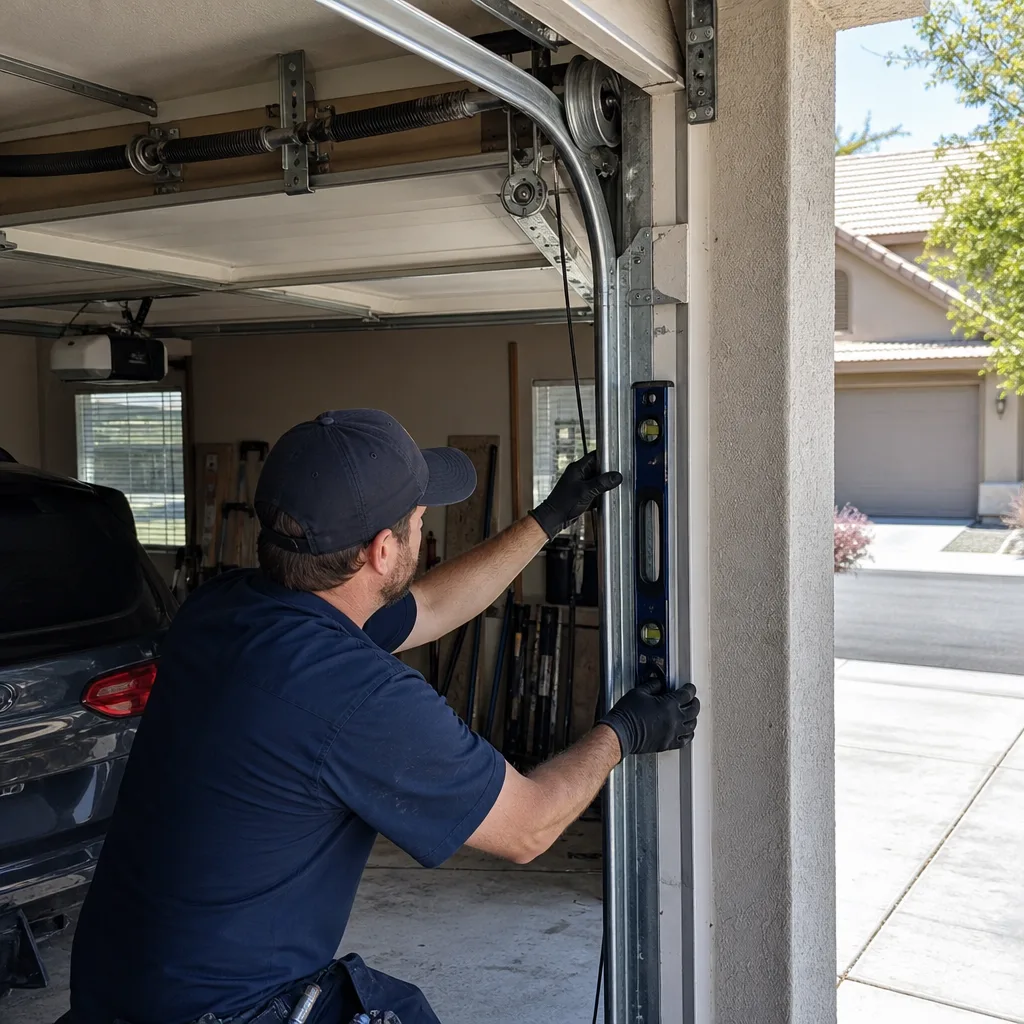
Belt drive generally holds up better in Whitney’s heat because its lower thermal expansion means less seasonal tension loss and fewer summer slack-snap noises. Chain drives work fine, but they need a tension check about twice a year to stay quiet and to keep the opener finding its limit switches reliably.
Opener installation in Whitney typically runs $250-$550 depending on the model and your door’s weight and travel. Belt units sit toward the higher end; chain units toward the lower. You get the exact flat price in writing before any work starts. Call (888) 402-1096 for your written quote – estimates are free.
Often it isn’t worn out – it’s heat. Steel chain expands in 115°F garage temperatures, which loosens tension and produces that banging slack-snap. A tension adjustment may solve it, or the chain or trolley carriage may genuinely need replacement. We photograph the failed component and quote in writing before touching anything.
In many cases yes, depending on the model in stock and your door’s specs. We confirm a same-day slot when you call, and the local pro confirms the exact written scope before starting. Call (888) 402-1096 to check availability.
Ready to Decide?
If you’d rather have it looked at than guess, Servo Garage Doors Whitney offers a no-pressure assessment in Whitney – call (888) 402-1096 for a free estimate. We’ll photograph your current drive, explain what’s failing in plain terms, and hand you a written flat price before any work begins. Live people answer, day or night. No urgency theatre, no pressure – just the paperwork you can hold us to.
Written by the team at Servo Garage Doors Whitney, serving Whitney, NV.