
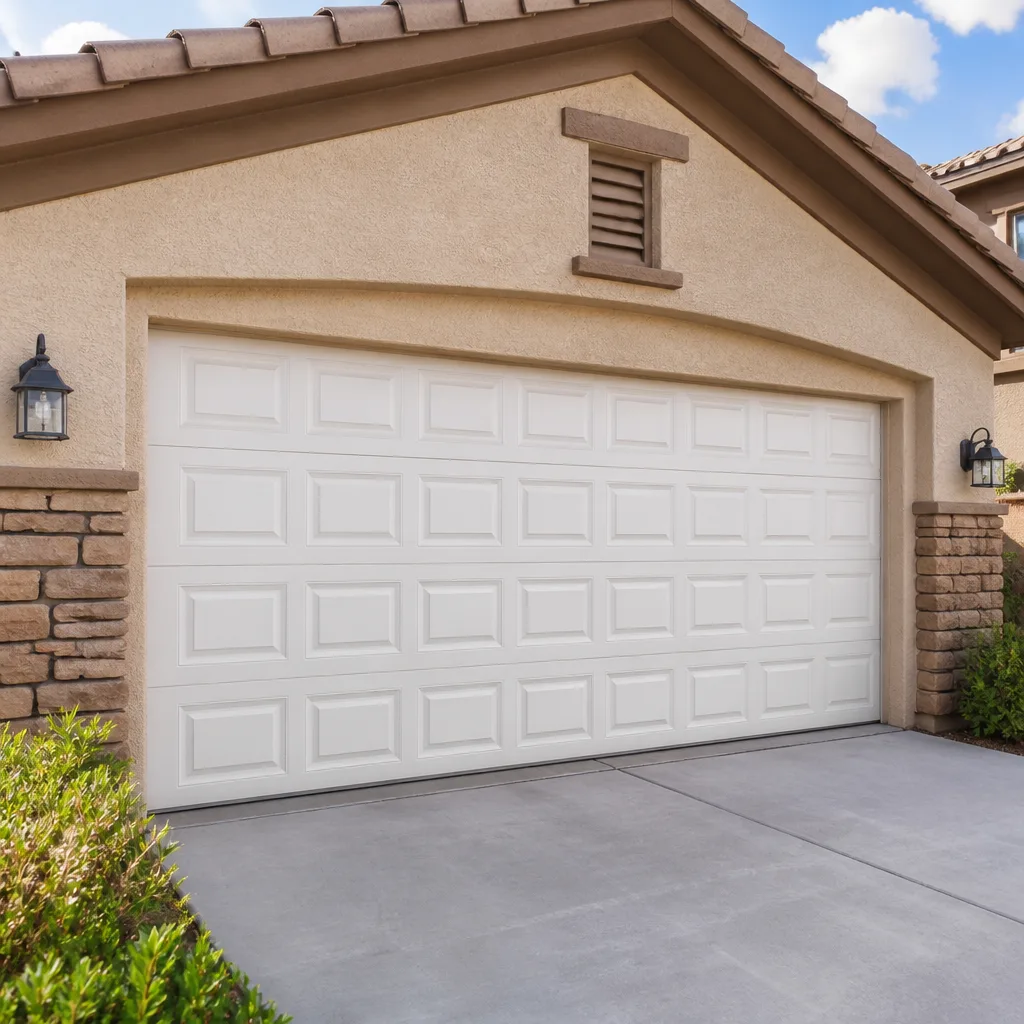
 Raised-panel steel
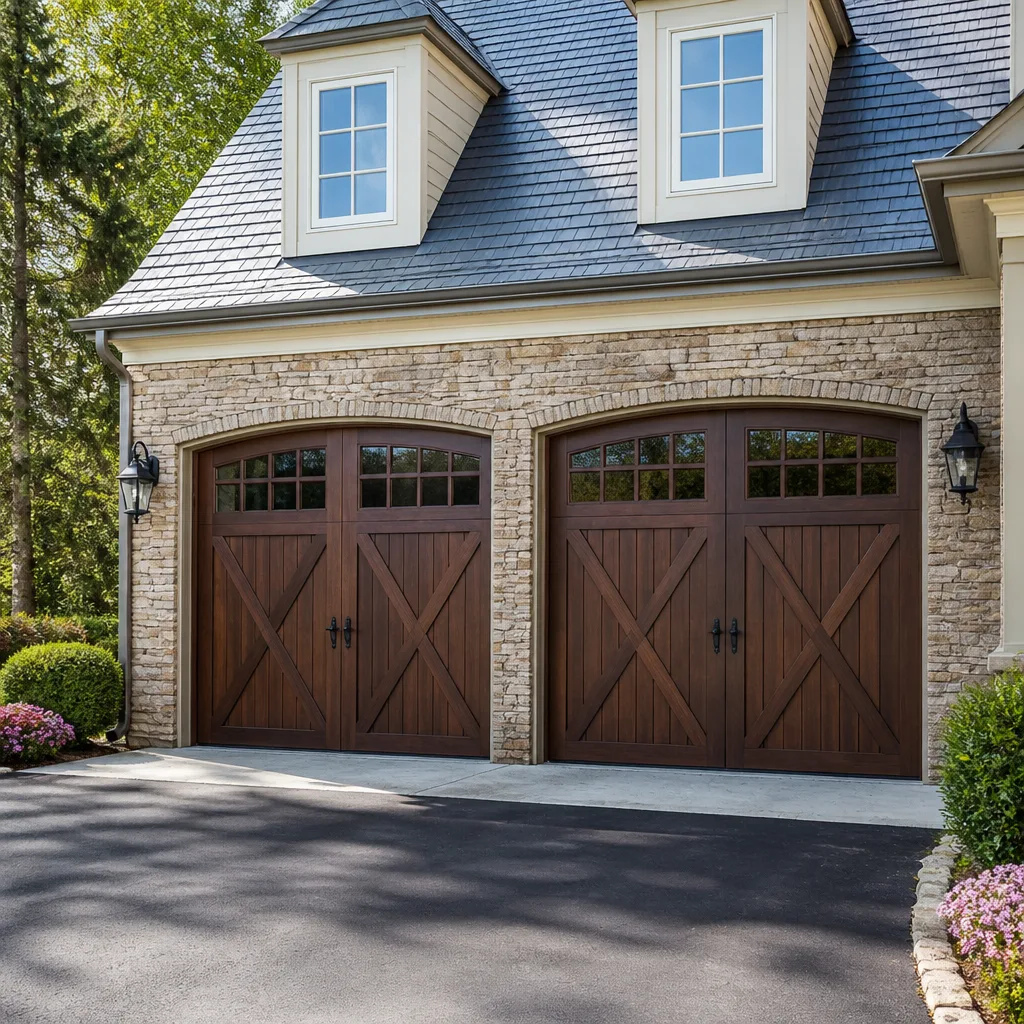 Carriage house
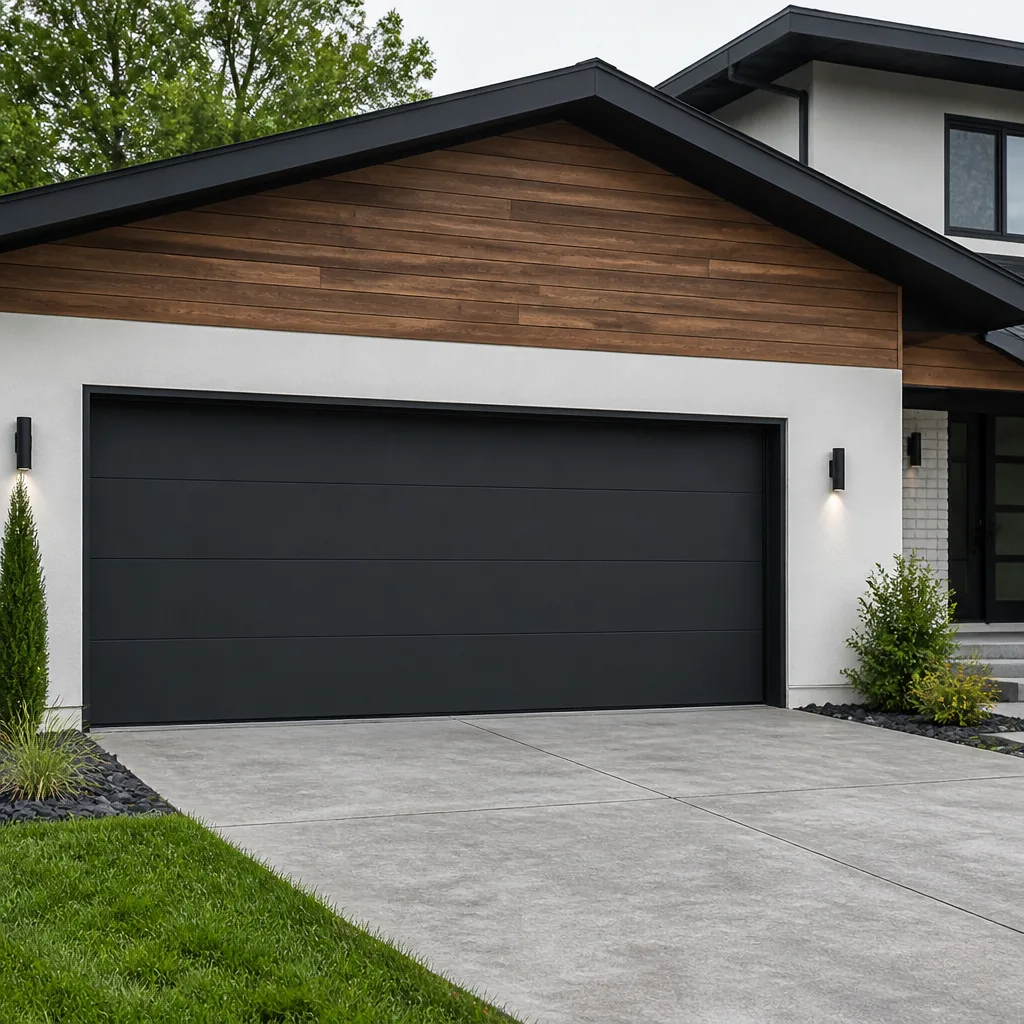 Modern flush
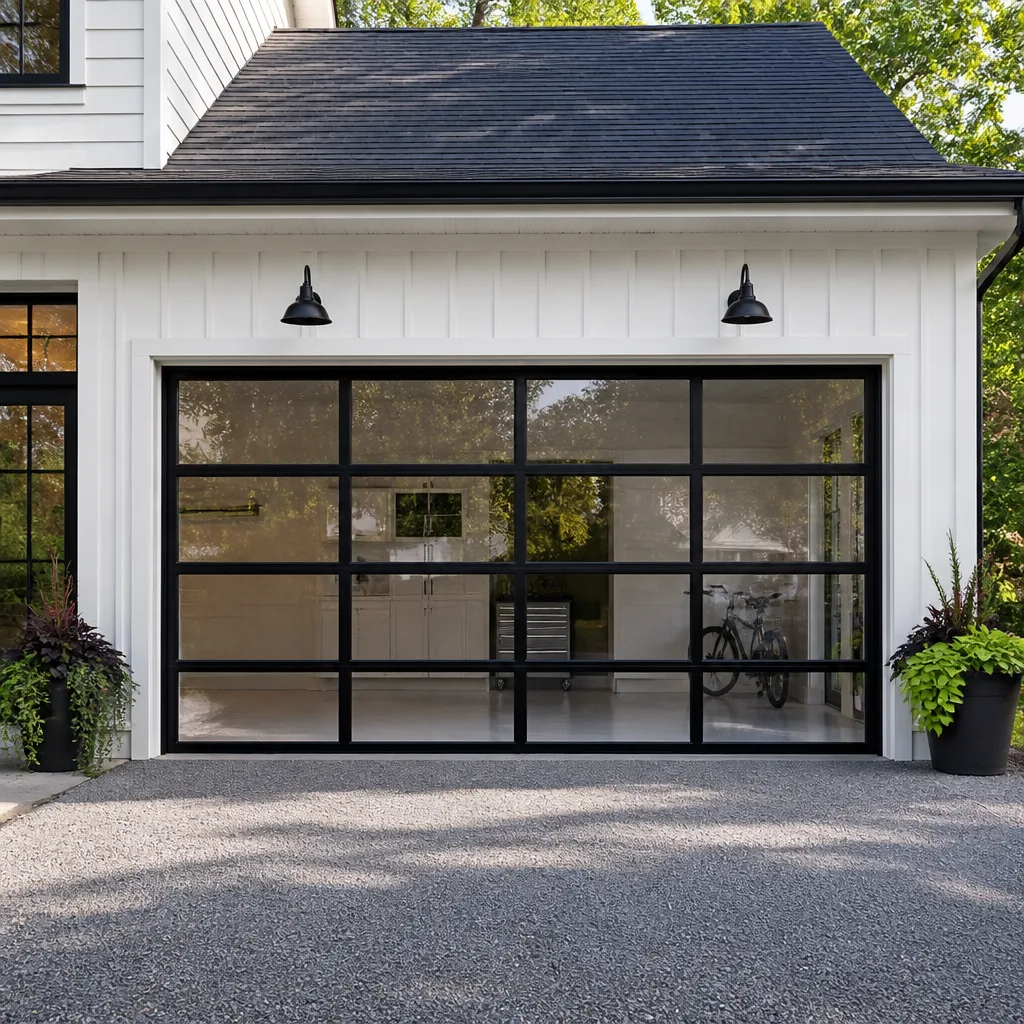 Full-view glass
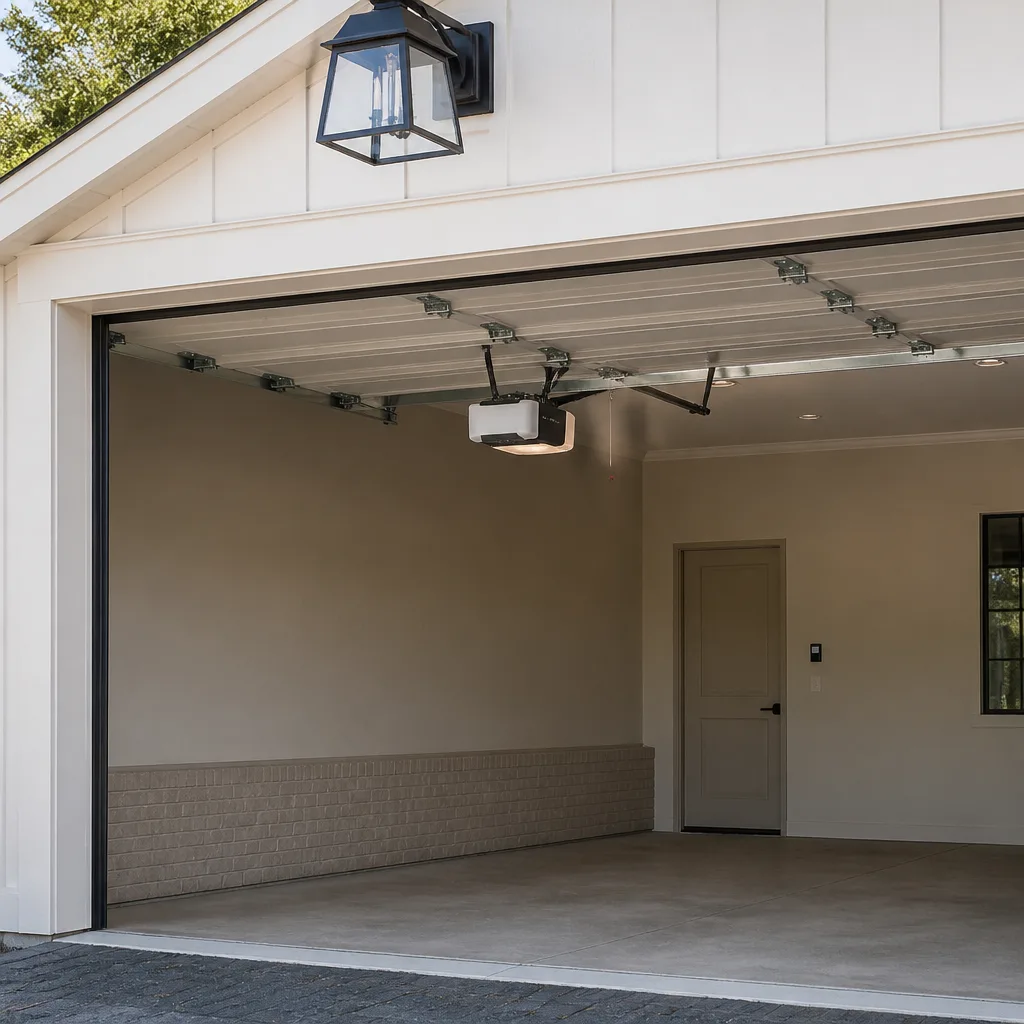 LiftMaster openers
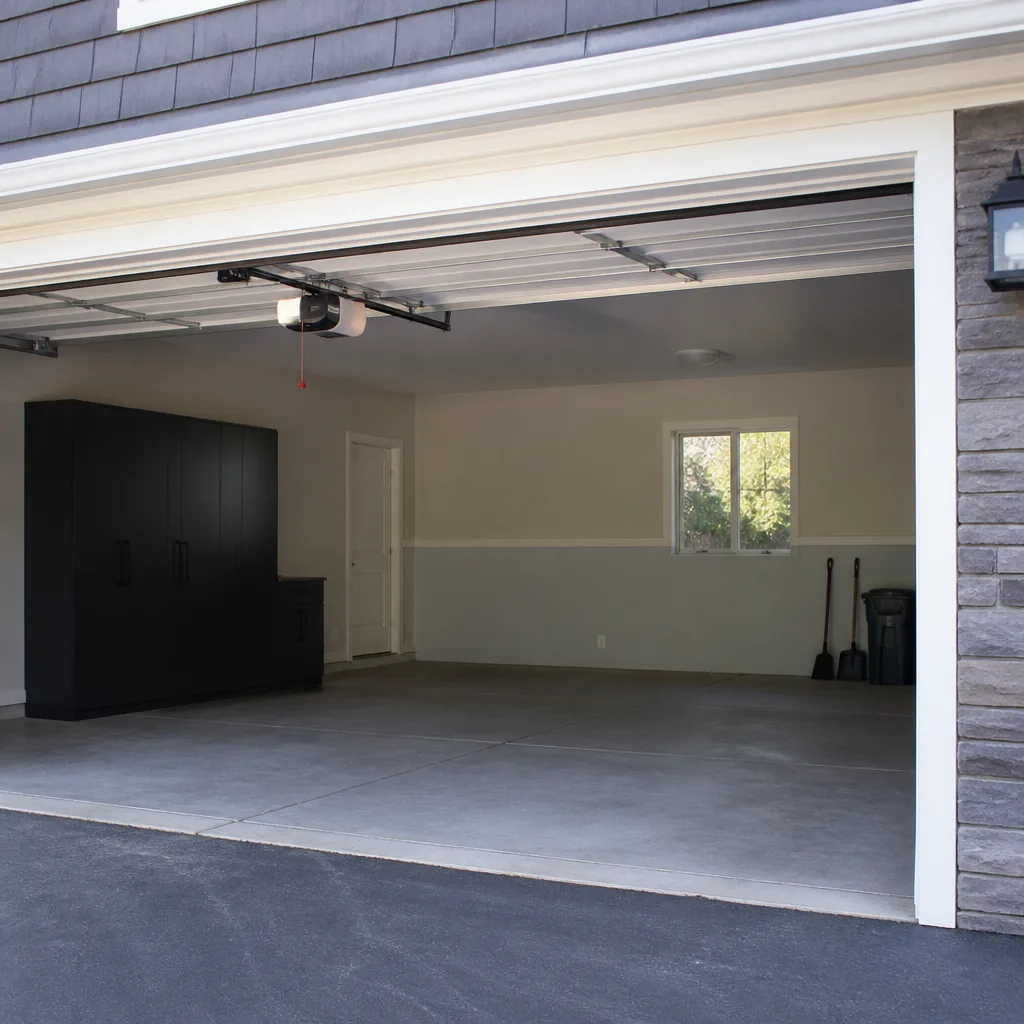 Chamberlain openers
Full 25-point door and opener safety check with every visit - springs, cables, rollers, tracks, and your LiftMaster or Chamberlain opener included
You get a price before we start. It does not change when the pro arrives.
Get your free estimateStyles & brands we work with
- Raised-panel steel
- Carriage house
- Modern flush
- Full-view glass
- LiftMaster openers
- Chamberlain openers
See the difference
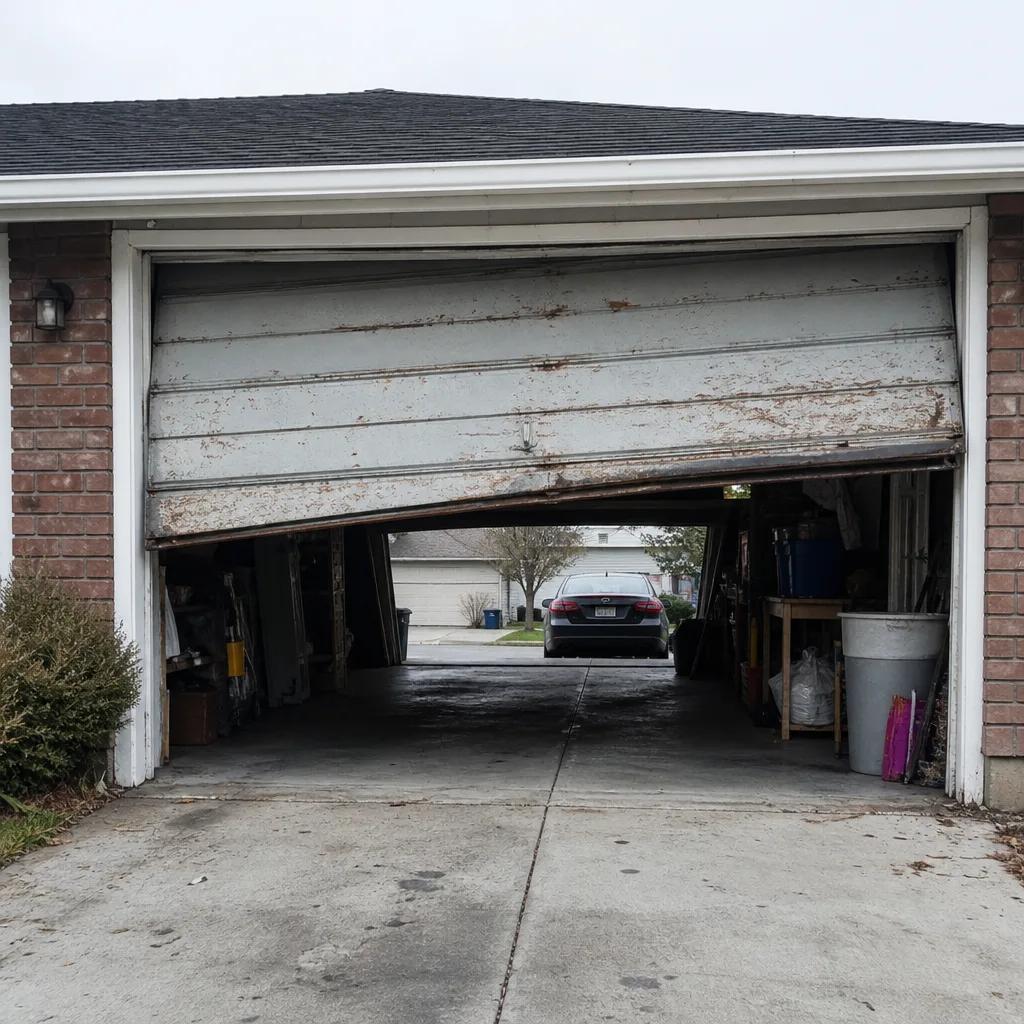 Before
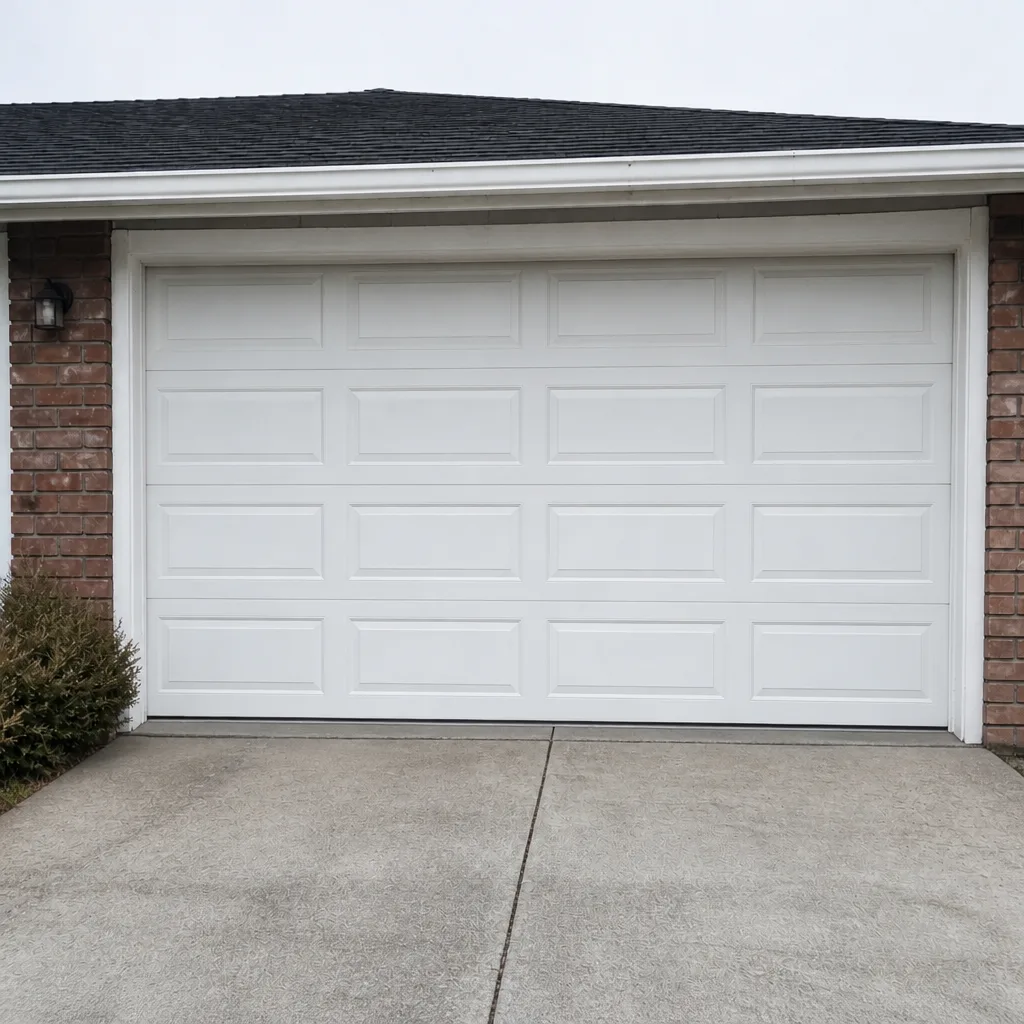 After
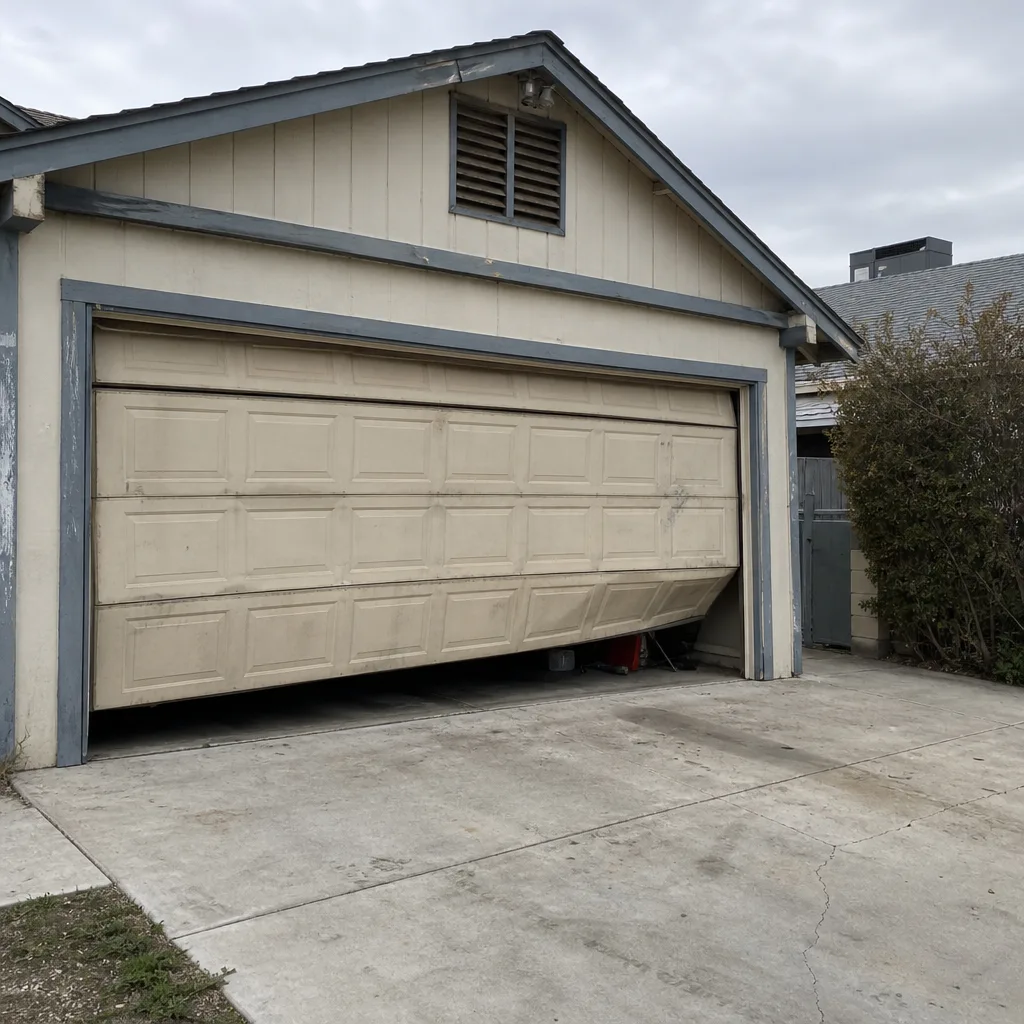 Before
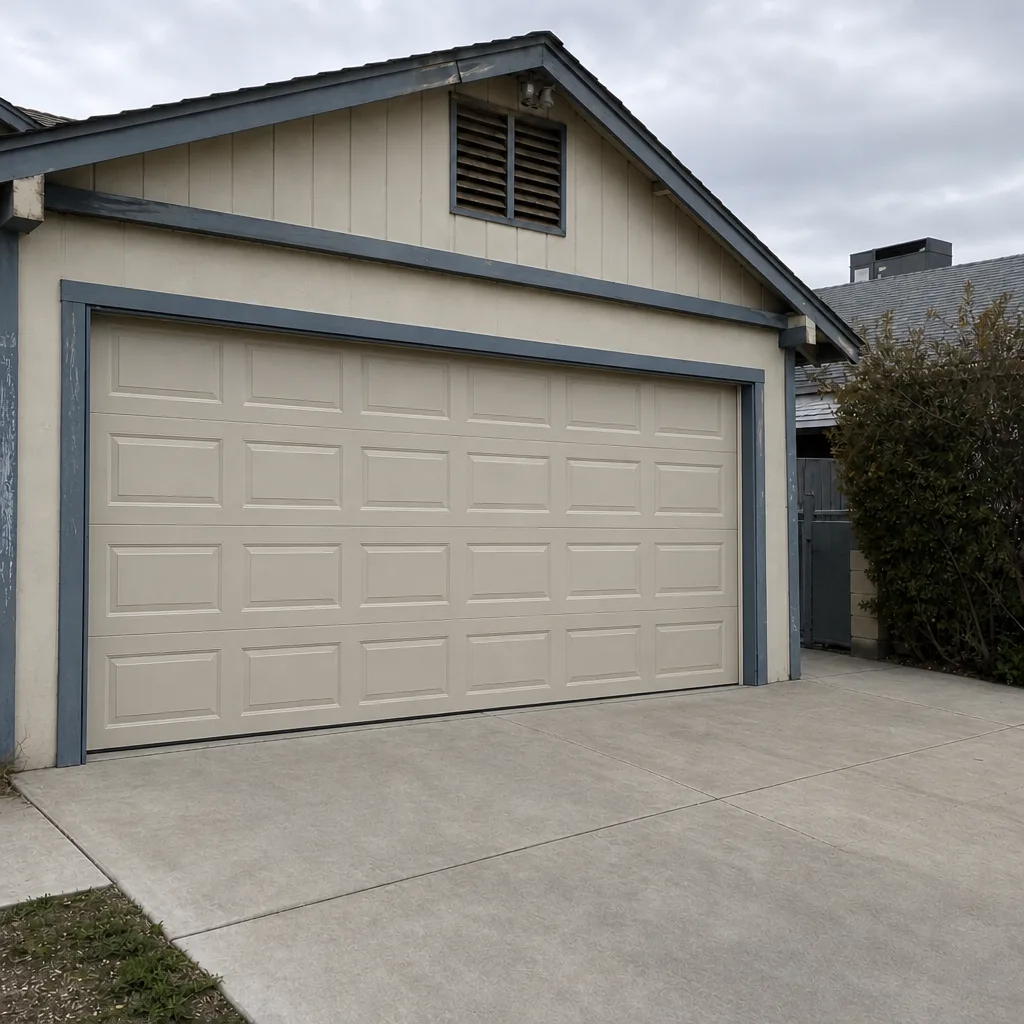 After
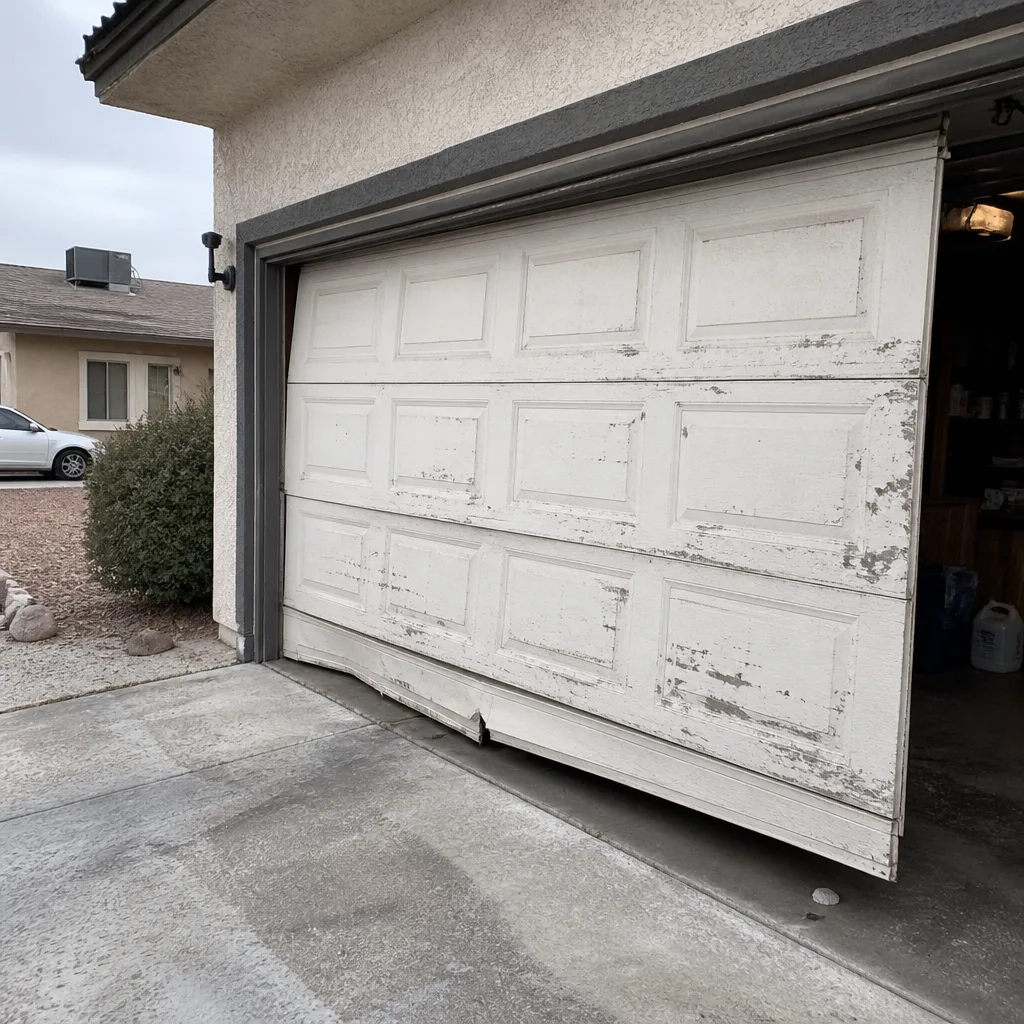 Before
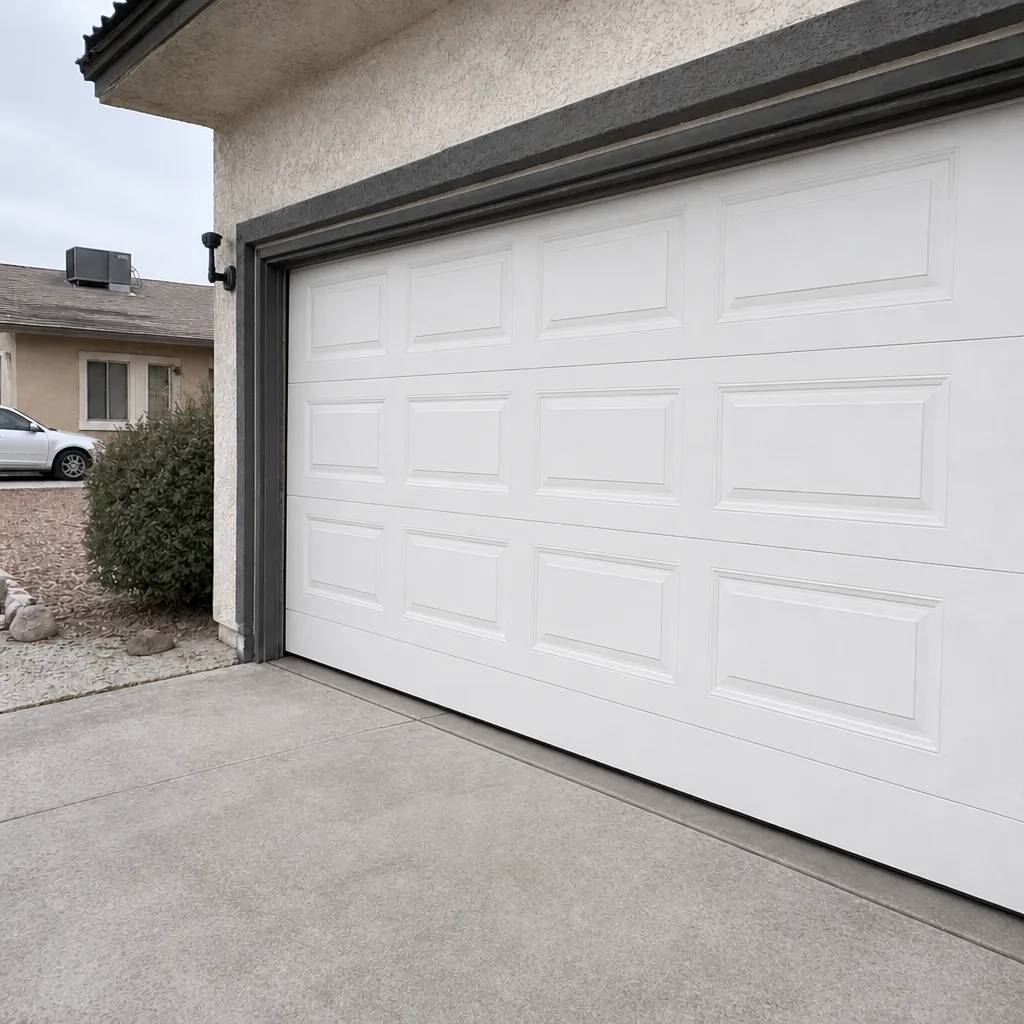 After
The Best Garage Door Opener in Whitney, NV Is the One That Survives July
For most Whitney garages, the right answer is a chain- or belt-drive unit with a DC motor, a metal housing, battery backup, and a published ambient rating of at least 104°F - and one you won’t find on a big-box shelf. Choose belt drive with battery backup if your garage sits under a south- or west-facing door; choose chain drive if you want the simplest, longest-lived mechanism and don’t mind the noise in an attached garage. Whitney’s summer heat, not the feature sheet, decides which opener lasts. Written pricing starts at $250-$550 installed, and you can reach us at (888) 402-1096.
Why “Best” Means Something Different in Whitney Than in the Reviews You’ve Been Reading
Every comparison guide you’ve read ranks openers on decibels, app features, and price. Almost none of them tell you the ambient temperature your motor has to live in. A Whitney garage with a door facing south or west can hold 130-140°F of interior air in July. Most opener manufacturers rate their motors at 104°F ambient. That gap is not a footnote. It’s why a builder-grade opener in a 2008 subdivision off Warm Springs can fail in year three while the same unit runs for a decade in a cooler climate.
At those temperatures, the failure sequence is predictable. The capacitor - the part that gives the motor its starting kick - degrades faster. The plastic housing traps heat instead of shedding it. The garage door’s own heat-fatigued torsion springs put more load on a motor that’s already working in a hot box. And the Wi-Fi module inside a smart opener can drop offline because the garage interior exceeds the temperature range its router hardware was rated for, which usually isn’t printed on the box in any obvious place.
Our technicians have up to 11 years of experience working in this climate, and the pattern shows up season after season. It’s also why we photograph the failed component before quoting a replacement, per Clause 4 of The Haven Standard - the customer sees the burned capacitor or the cracked logic board, not a verbal description of it.
Head-to-Head: Which Opener Type Actually Fits a Whitney Garage?
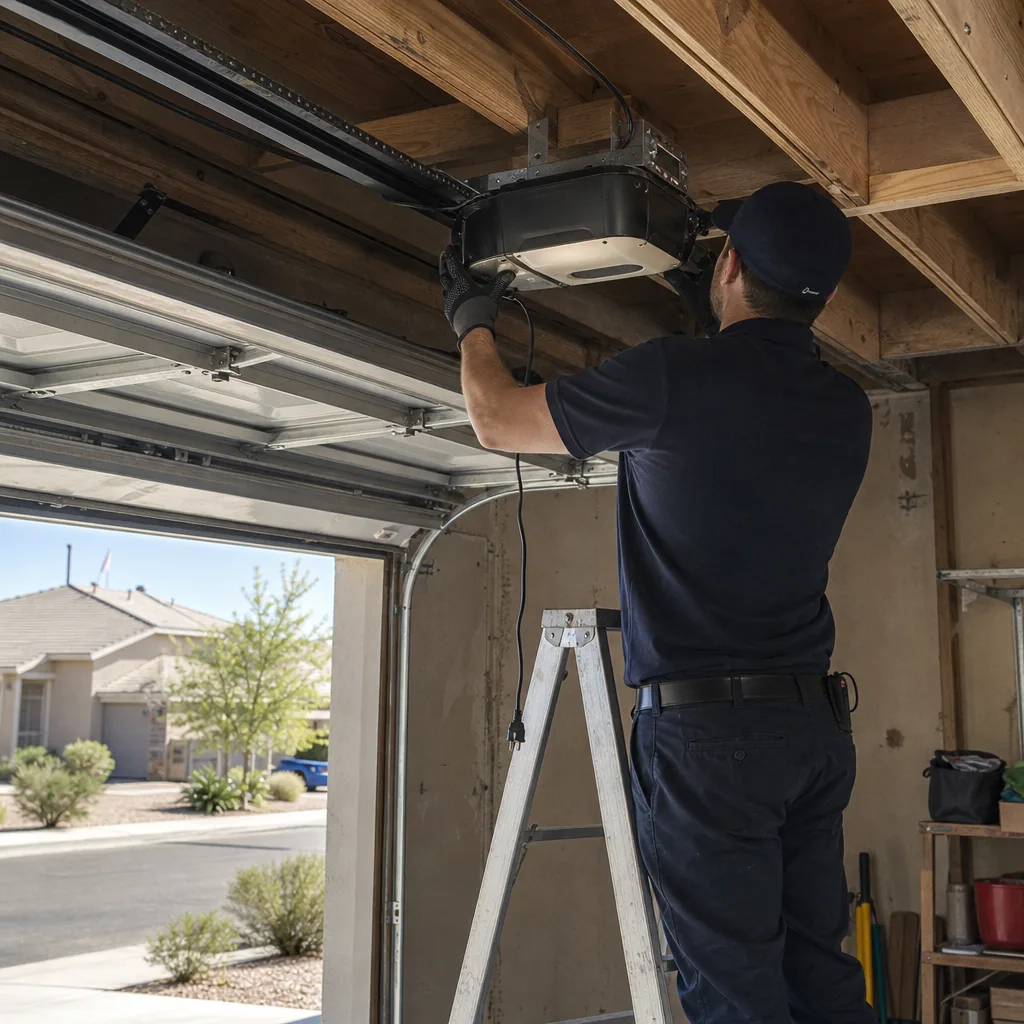
Here’s the honest comparison. We install and service Chamberlain, Genie, LiftMaster, and the rest of the major brands, so this isn’t a pitch for one label. It’s a guide to which drive type and housing material hold up under sustained heat.
| Type | Heat Behavior | Noise | Best For |
|---|---|---|---|
| Belt drive, DC motor, metal housing | Belt runs cooler and quieter; metal housing dissipates heat better than plastic | Quietest | Attached garages under a west-facing door; bedrooms above the garage |
| Chain drive, DC motor | Simple mechanism, fewer heat-sensitive parts; tolerates cycling well | Louder | Detached garages, budget-conscious installs, long-term simplicity |
| Screw drive | Fewer moving parts but the rail can be sensitive to dust infiltration | Moderate | Low-cycle households that want minimal maintenance |
| Smart/Wi-Fi with integrated camera | Verify the unit’s listed max ambient temp; several popular models cap at 104°F | Varies | Owners who want app control and can accept a connectivity trade-off in extreme heat |
The recommendation: if your garage interior regularly tops 110°F, prioritize the metal-housing DC motor and battery backup over the camera and app features. A unit that opens the door at 2 PM in August beats one with a nicer app that’s offline because the garage was too hot for its radio.
BeforeAfterBattery Backup in Whitney: Not a Luxury Feature
In cooler markets, battery backup is a convenience. Here it’s closer to a safety requirement. Summer power fluctuations and brief outages are common, and a garage that traps 130°F air with no way to open the door is a genuine problem, not an annoyance. If someone in the house relies on the garage as their main exit, or if you store anything heat-sensitive inside, a backup battery is worth the extra cost on the quote.
We specify which units carry the higher thermal rating and which ones list a 104°F maximum, because that number belongs in the written scope - along with the model number, motor horsepower, drive type, and warranty terms. Clause 1 of The Haven Standard is why you get that in writing before we touch anything, not a verbal summary after the fact. Opener installation in Whitney runs $250-$550 depending on the unit and whether existing wiring and the header bracket need modification.
What We Actually Look At Before Recommending a Unit
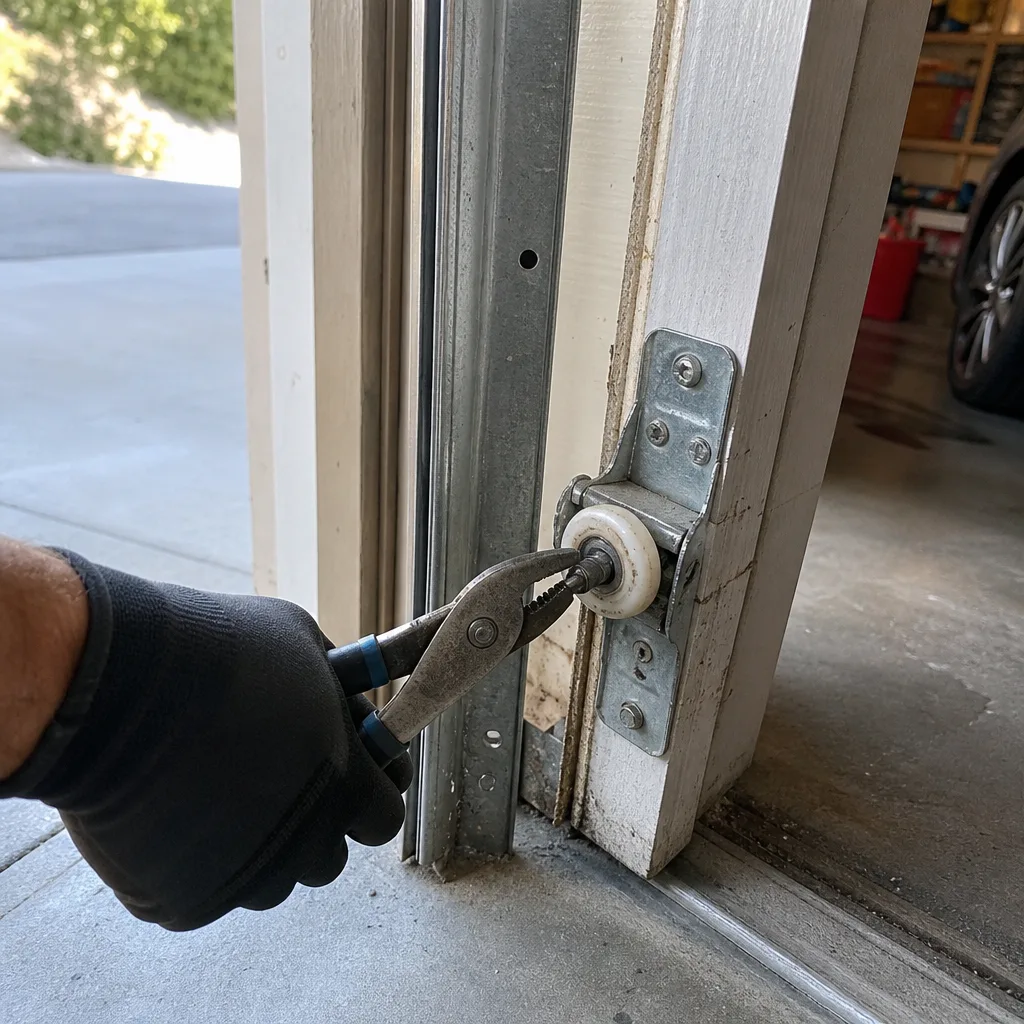
An opener doesn’t fail in isolation. In Whitney’s desert subdivisions, brittle UV-cracked nylon rollers and heat-fatigued torsion springs are a routine call, and they change what opener makes sense. A motor sized for a balanced door strains against an unbalanced one. So the assessment starts with the door, then moves to the opener.
- Door balance and spring condition. We test the door’s balance by hand and inspect the torsion springs for heat fatigue. A door that needs help to lift will shorten any opener’s life.
- Roller and track condition. Wind-blown sand gums up tracks in the master-planned HOA communities here, and cracked nylon rollers add drag. Replacing rollers at $110-$220 often costs less than replacing an opener prematurely.
- Motor housing and ambient exposure. We note whether the unit sits at header level where heat pools, and whether a plastic-cased budget model is the wrong call for that spot.
- Battery backup and connectivity. We confirm the unit has backup power and check that any smart features are rated for your garage’s real temperature range.
- Written price and written scope. Before any work starts, you get a flat price, the specific model number, and the warranty terms in writing. No “call for a quote.”
If you’re weighing repair against replacement, the numbers usually settle it. Opener repair in Whitney runs $120-$320; a full installation is $250-$550. When the logic board and capacitor are both gone on a unit that’s already past its useful life, replacement is the better spend. When it’s a single failed component, repair wins. We’ll tell you which one you’re looking at, with the photo to back it up.
Common Local Scenarios We See in Whitney
The 10 PM heatwave failure. An opener dies during a July evening when the garage is still radiating the day’s heat. Our phone line is answered by a live person 24/7, and a named technician is dispatched with an on-the-way text - not a callback window for the next business day.
The fading smart opener. A Wi-Fi unit that worked all spring drops offline in August. The fix isn’t always a new opener; sometimes it’s relocating the unit or accepting that the camera model wasn’t rated for this garage’s interior temperature.
The HOA color question. Whitney’s chrome and stucco subdivisions often constrain replacement choices, and HOA rules can dictate whether you swap a faded door for a matching or approved color. That affects the door, but it also affects which opener pairs cleanly with the replacement door’s weight and balance.
The builder-grade unit at year eight. A post-1990s home with its original opener, insulated steel sectional door, and a motor that’s been quietly cooking for nearly a decade. This is where a written scope and a documented photo record matter most - you can see exactly what failed and why the recommendation makes sense.
What You Get in Writing, Every Time
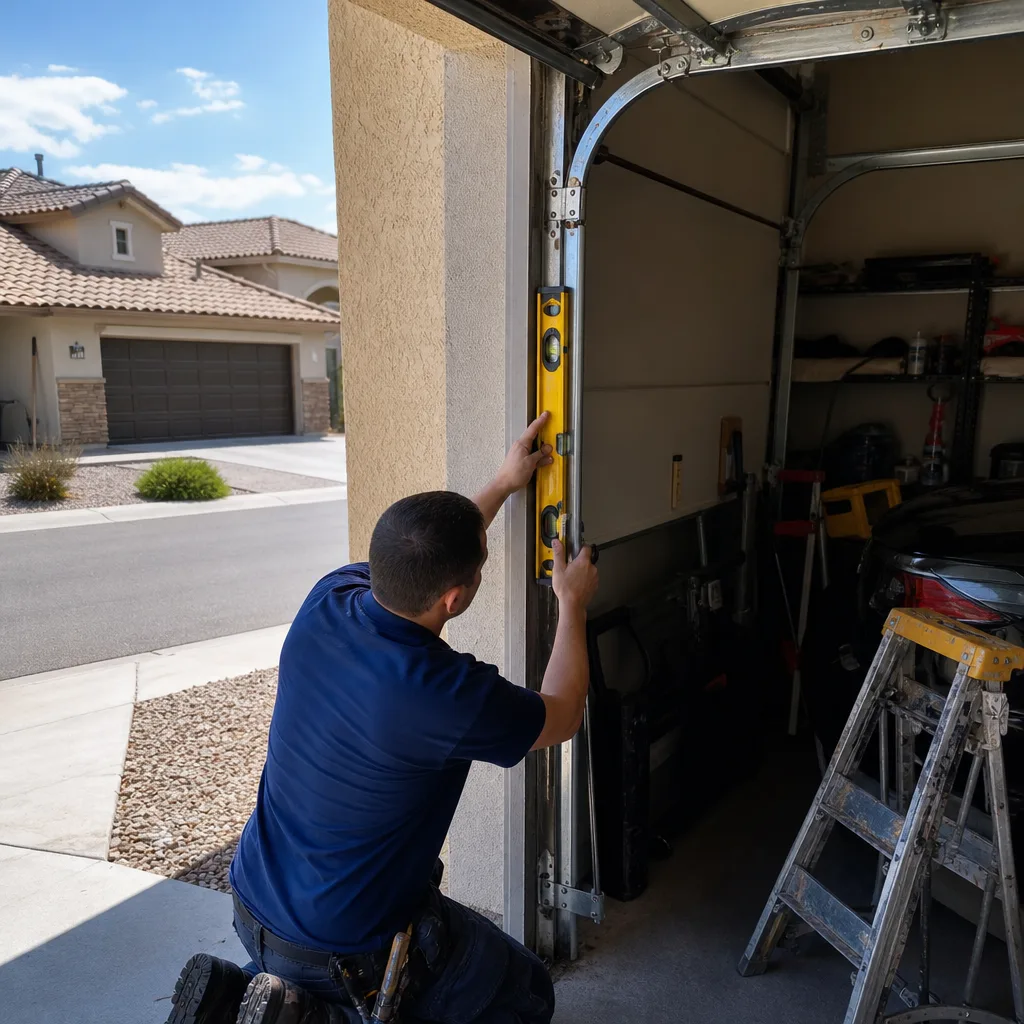
Every job closes with a documented photo record of what we found and what we did, delivered to you. That traces back to the founding rule Servo was built on in 2015: the customer sees the failed part before anyone quotes a replacement. Our 365-Day Done Right Promise means if a repair isn’t right, we make it right, backed by The Haven Standard and a terms page rather than a handshake. And if you’ve already got a written estimate from another company, bring it in - we offer a free second opinion, no coupon required. See our home page for how the whole system works, and our Garage Door Opener Repair & Installation page for the repair side of the same question.
FAQs
A belt- or chain-drive unit with a DC motor, a metal housing, battery backup, and a published ambient rating of at least 104°F is the best choice for Whitney’s heat. Prioritize the metal housing and thermal rating over app features, since plastic-cased budget models trap heat at header level where it pools.
Opener installation in Whitney runs $250-$550, depending on the unit and whether existing wiring or the header bracket needs modification. Repair of an existing opener runs $120-$320. Call (888) 402-1096 for a flat written price - estimates are free, and the scope includes the specific model number.
Yes, battery backup is worth having in Whitney because summer power fluctuations and brief outages are common, and a garage trapping 130°F air with no way to open the door is a safety issue. If the garage is a main exit for anyone in the house, treat backup power as required rather than optional.
We answer calls live 24/7, including emergency opener failures during a summer heatwave, and a named technician is dispatched with an on-the-way text rather than a next-business-day callback. Full installations are usually scheduled, but a failed opener that’s trapping a car gets a live response.
If you’d rather have it looked at than guess from a comparison chart, Servo Garage Doors Whitney offers a no-pressure assessment in Whitney. We’ll photograph what’s failing, quote a flat written price, and tell you honestly whether repair or replacement is the better spend. Call (888) 402-1096 for a free estimate.
Written by the team at Servo Garage Doors Whitney, serving Whitney, NV.