
Last updated November 18, 2026
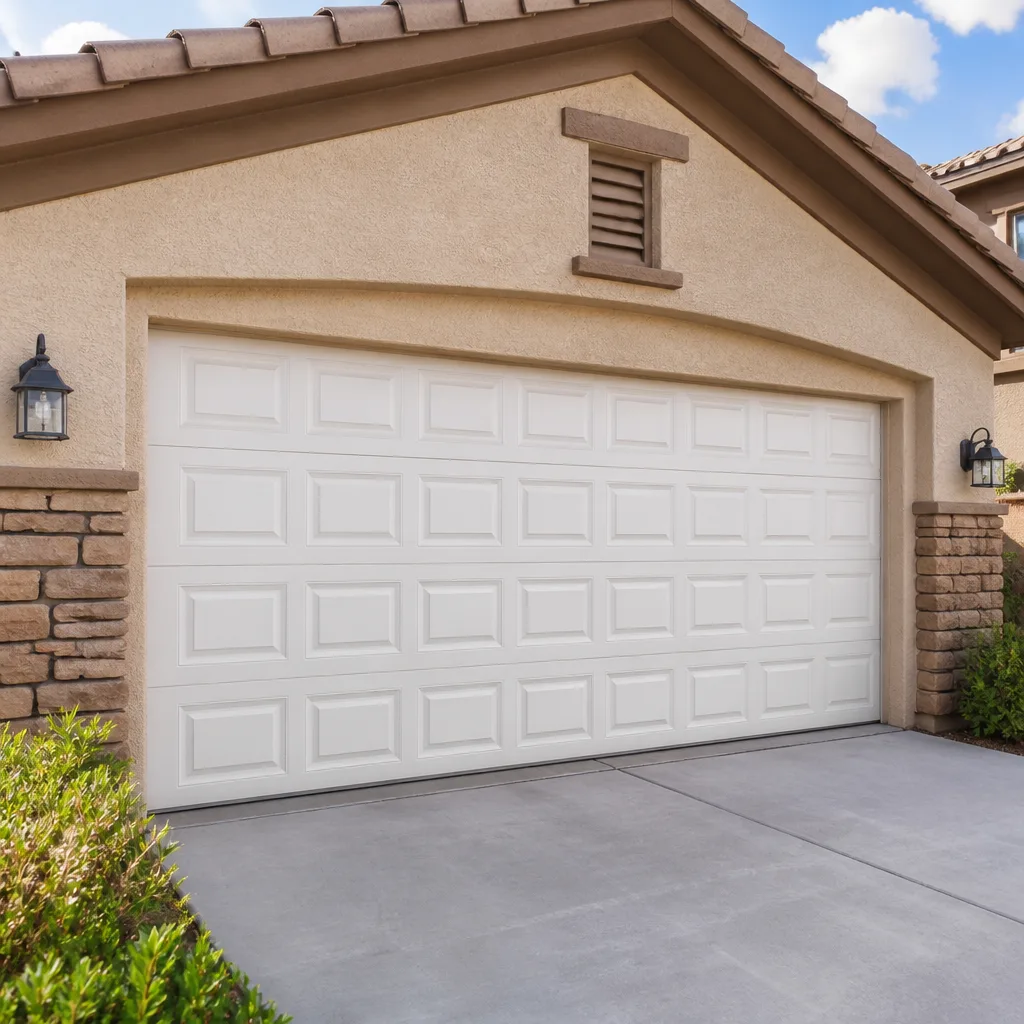 Raised-panel steel
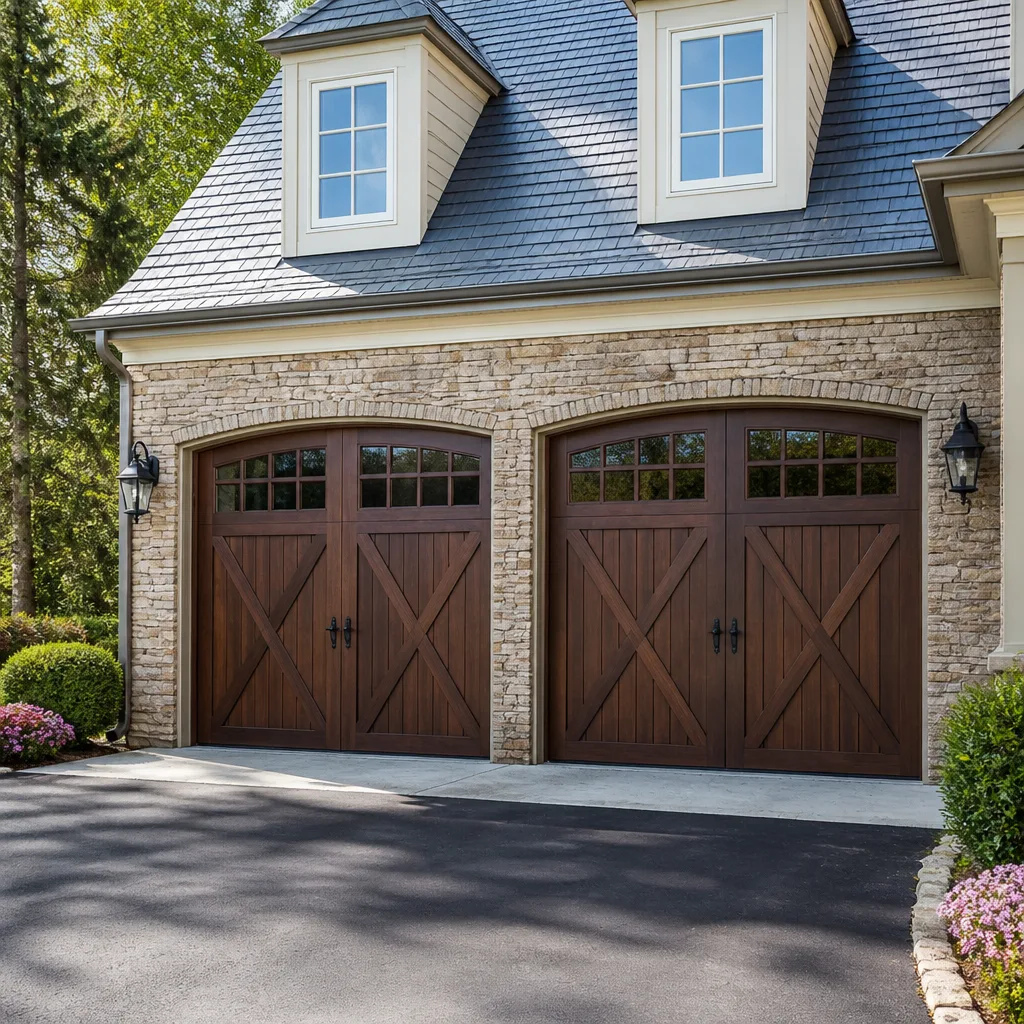 Carriage house
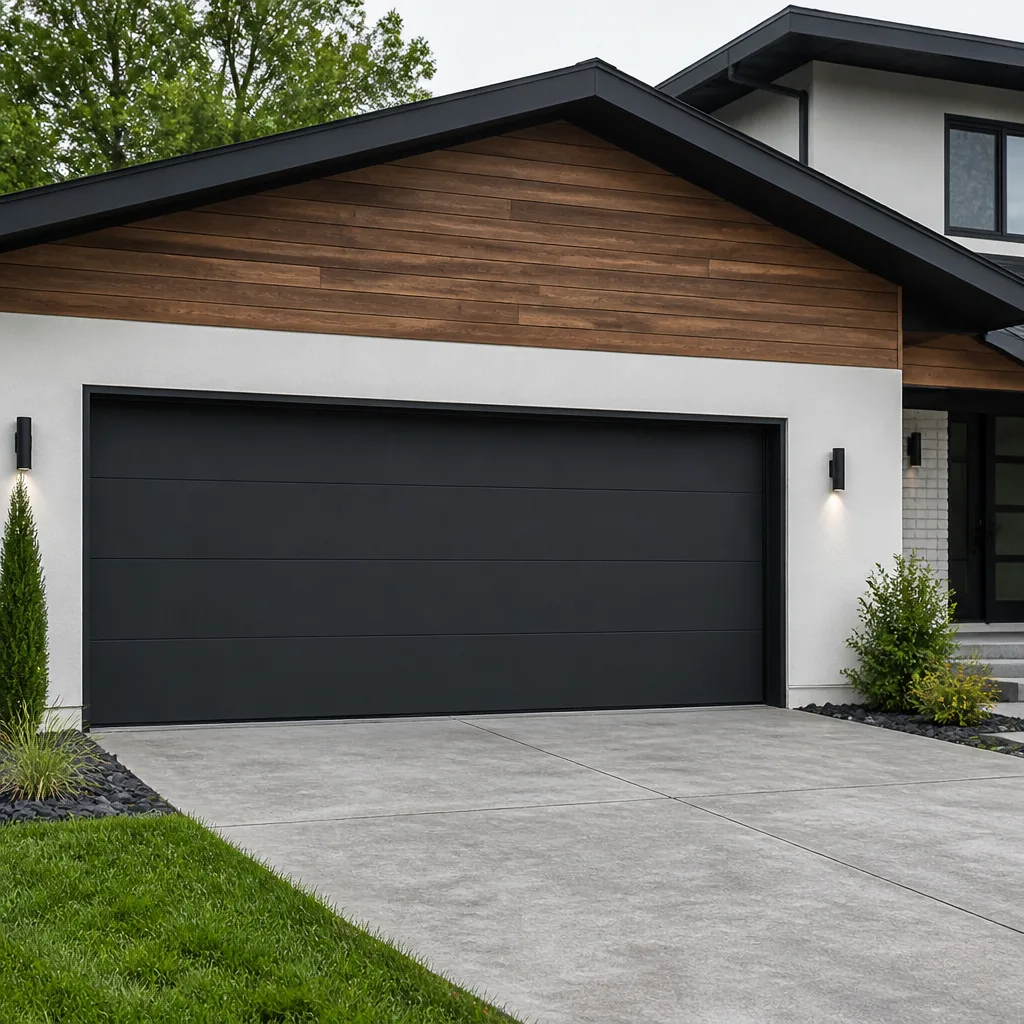 Modern flush
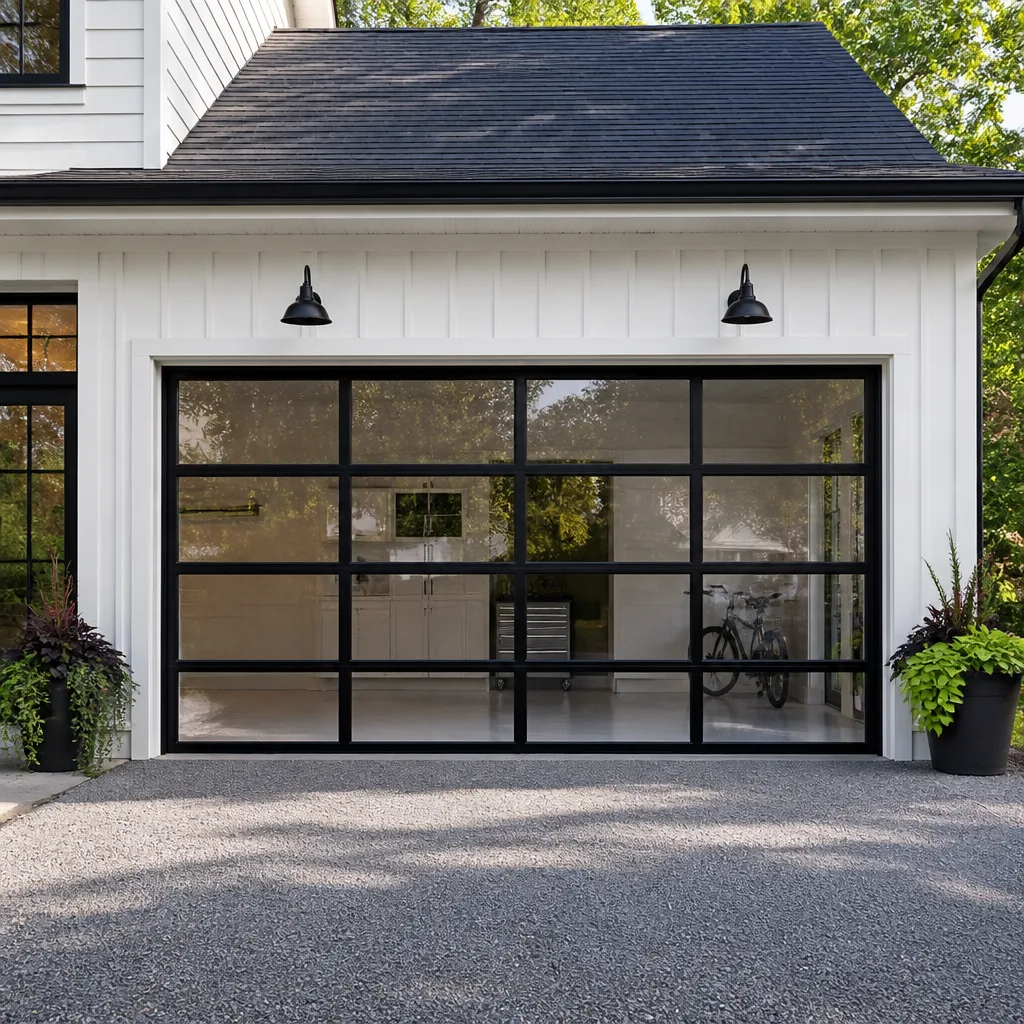 Full-view glass
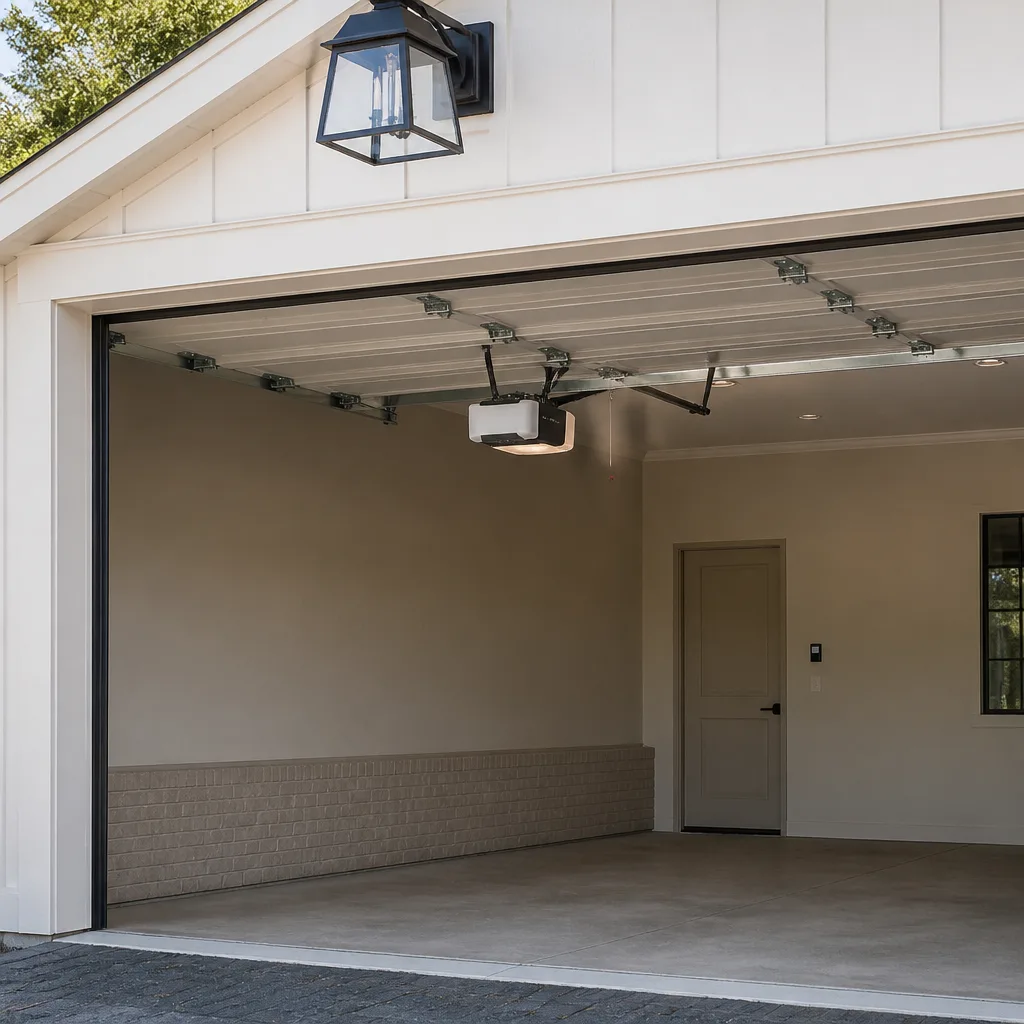 LiftMaster openers
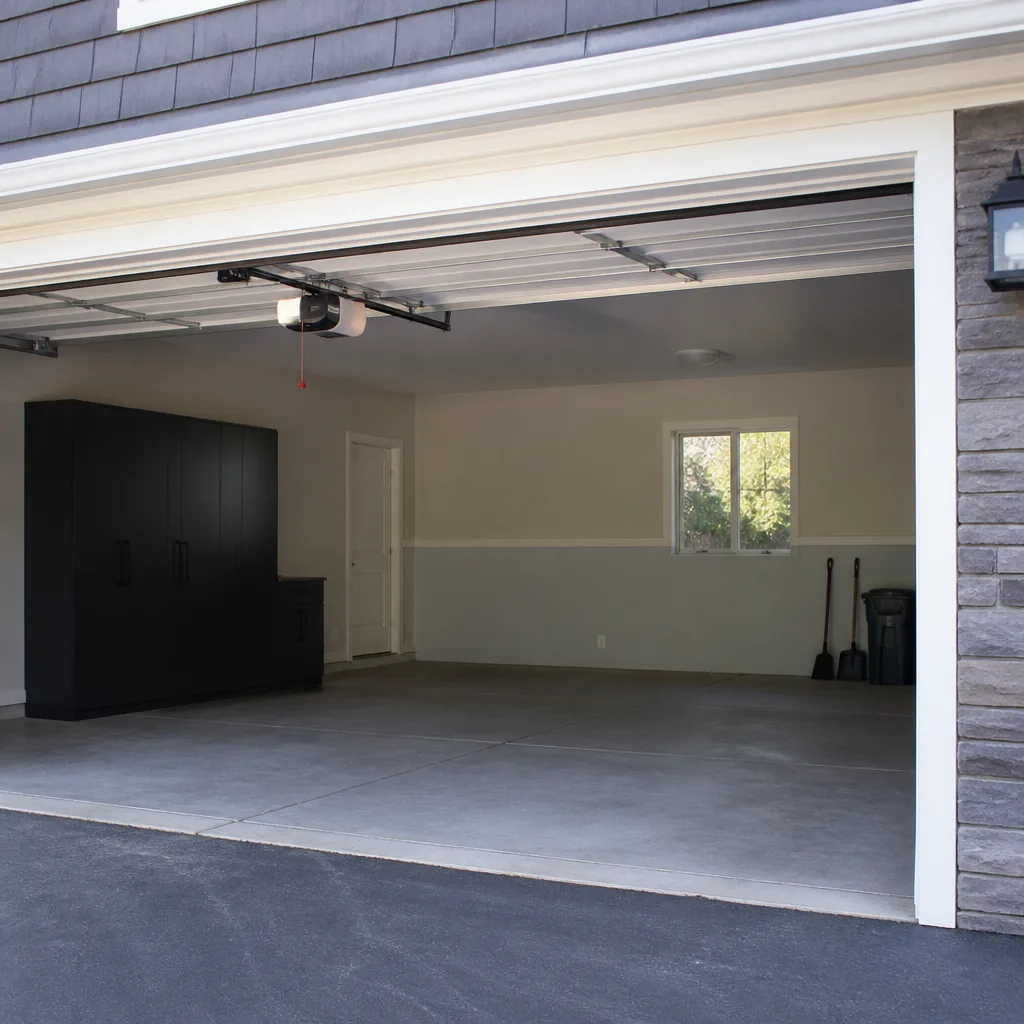 Chamberlain openers
Full 25-point door and opener safety check with every visit - springs, cables, rollers, tracks, and your LiftMaster or Chamberlain opener included
You get a price before we start. It does not change when the pro arrives.
Get your free estimateHow Long Does Garage Door Opener Repair & Installation Take? Timelines and What to Expect
A new opener installs in 60 to 90 minutes. But if the technician arrives, finds the wrong opener was ordered for the door’s weight class, and has to reschedule, that 90-minute job just became a five-day job. The time question isn’t about installation speed – it’s about the decisions upstream of it. In this guide we’re mapping the full timeline, from the first diagnosis to the final safety reversal test, so you can plan around the real number instead of the one on the box. We do this work across Whitney every week, and the honest answer surprises people.
Quick Answer
Garage door opener installation usually takes 60 to 90 minutes of on-site labor for a standard door and a stocked unit, and opener repair typically runs 30 to 60 minutes once the failed part is confirmed. The repair or install itself is rarely the long part. Diagnosis, parts procurement (stocked versus special order), and the scheduling window account for most of the real elapsed time, so a five-day job and a same-day job can involve the exact same 90 minutes of work.
Styles & brands we work with
- Raised-panel steel
- Carriage house
- Modern flush
- Full-view glass
- LiftMaster openers
- Chamberlain openers
Table of Contents
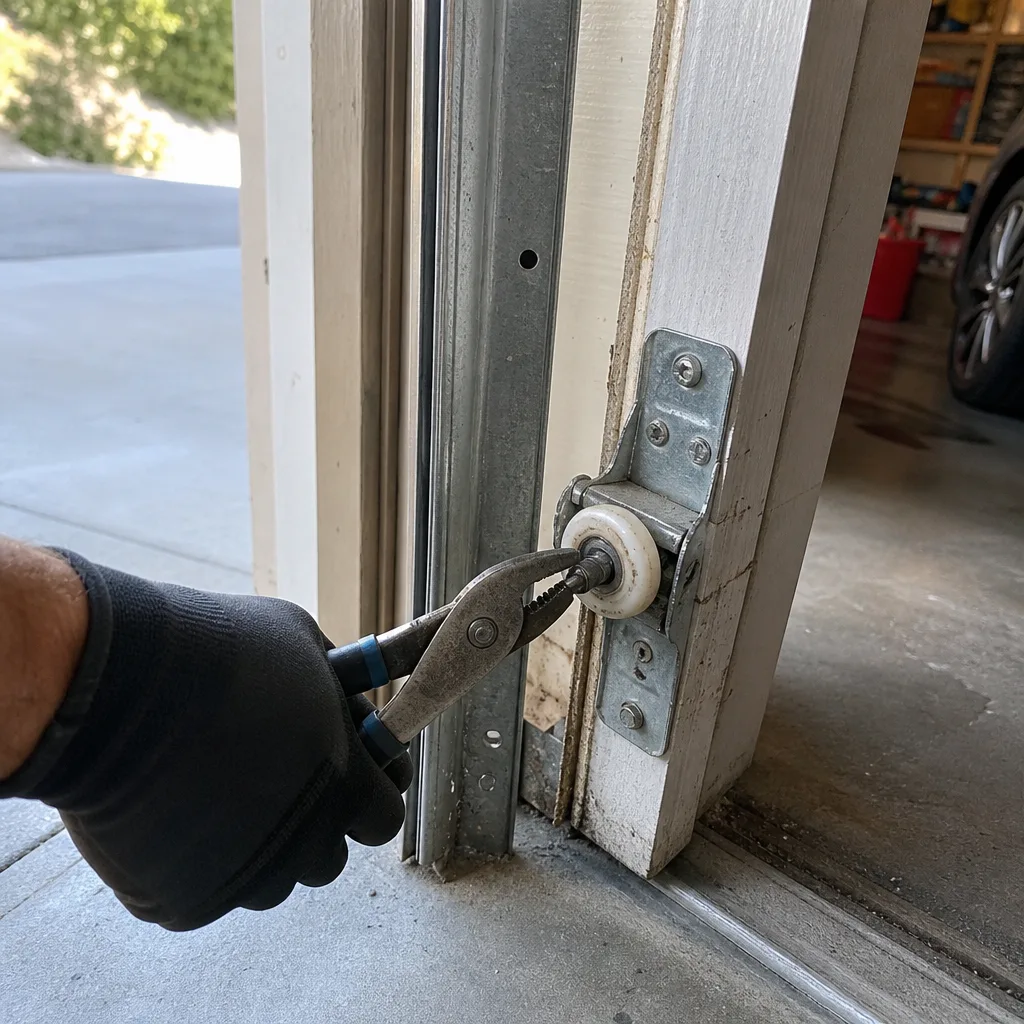
- The four phases of the timeline, with honest durations
- Why opener selection adds days when it isn’t resolved first
- What actually happens during installation day
- When same-day installation is realistic, and when it isn’t
- Repair versus installation: two very different clocks
- Why the paper trail matters as much as the minutes
- Common mistakes to avoid
- When to call a professional
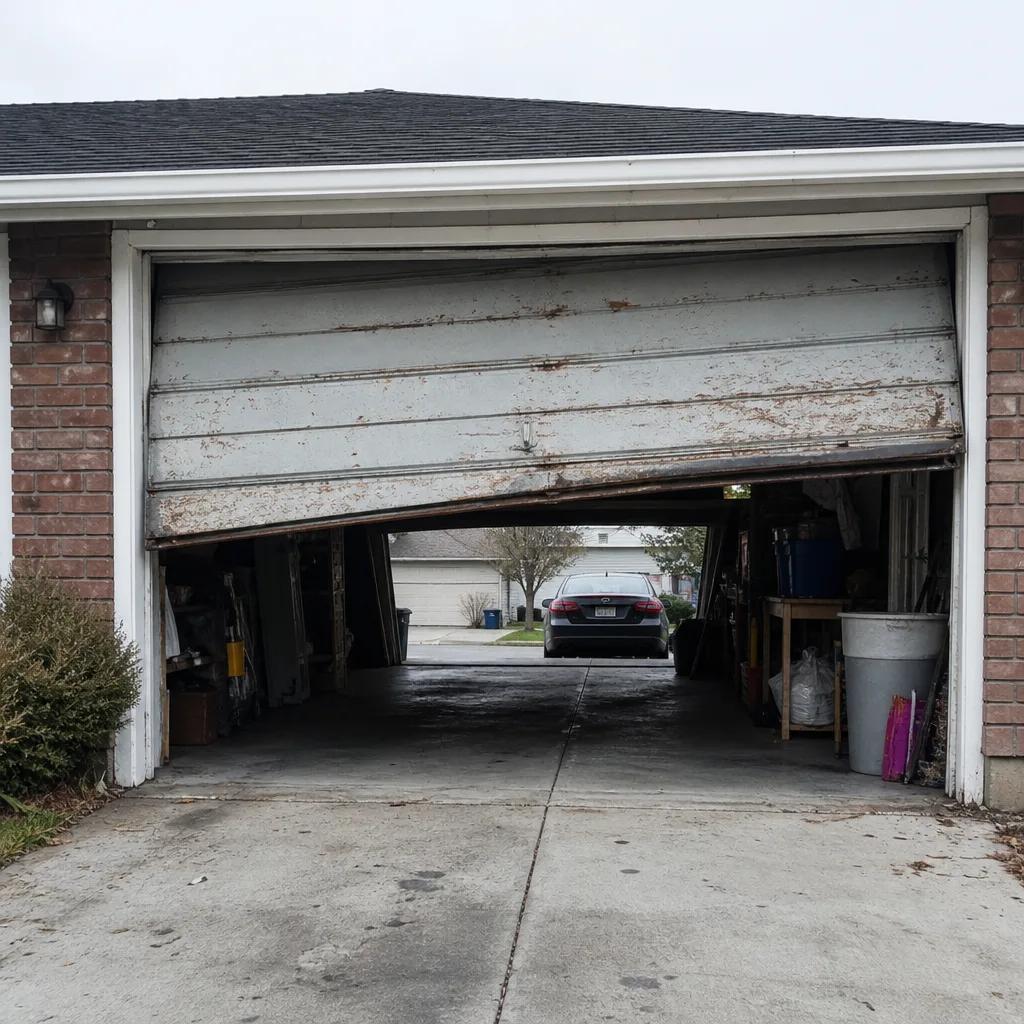 Before
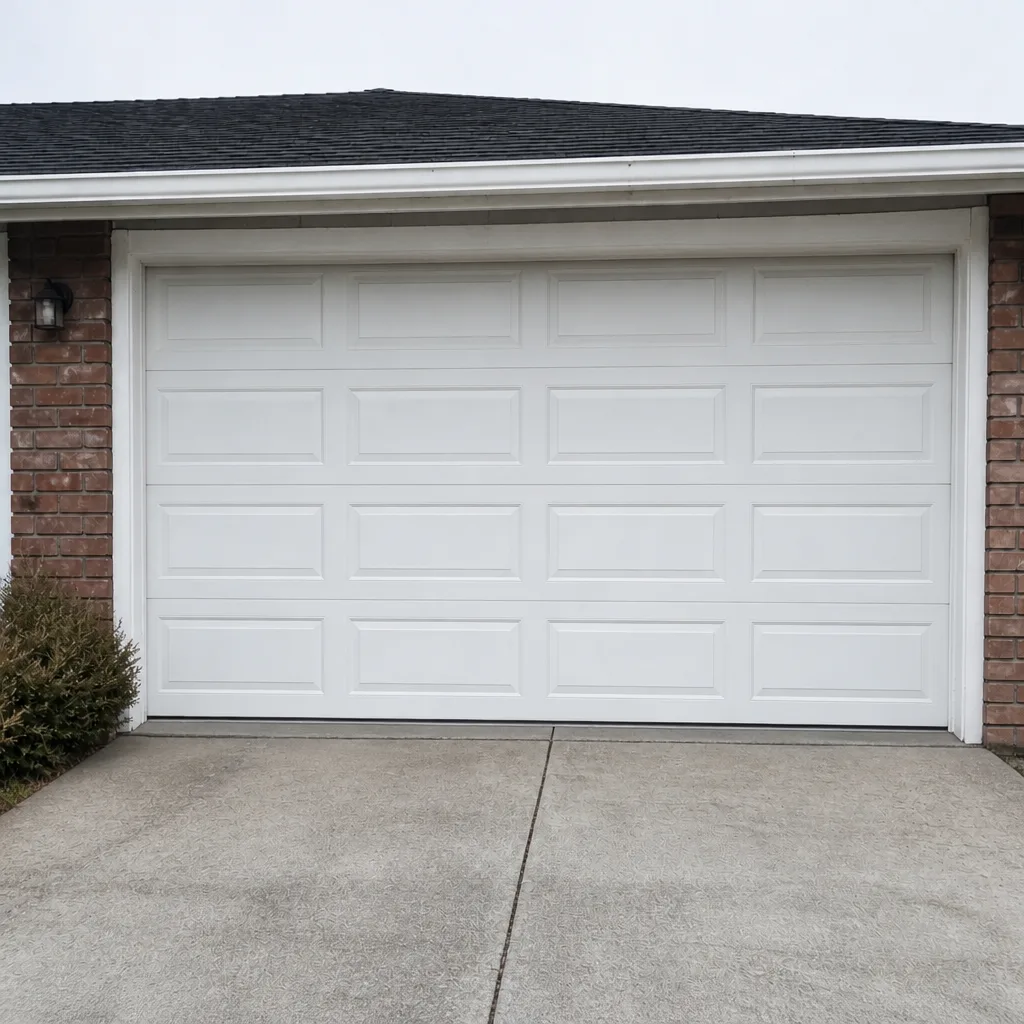 After
The Four Phases of the Timeline, With Honest Durations
The mistake most homeowners make is treating “how long does it take” as one number. It’s four numbers stacked on top of each other, and only one of them happens while a technician is in your garage. Here’s the split we see in Whitney, from the moment the opener fails or you decide to replace it to the moment the door cycles normally again.
- Diagnosis and quote – 30 to 60 minutes on-site. The technician identifies what failed: the logic board, the trolley carriage, the limit switch, the safety sensors, or the drive gear. You get a flat, written price and a written scope before anything is touched. If the call comes in during a busy window, the wait to that appointment can run a day or two.
- Parts procurement – same day to five business days. This is the variable nobody plans for. A common LiftMaster or Chamberlain unit or a standard repair part is usually stocked and moves the same day. A specialty opener, a non-standard door weight class, or a discontinued model means ordering, and ordering means waiting.
- Installation day – 60 to 90 minutes. Removal of the old unit, mounting, wiring, rail and trolley assembly, force calibration, limit setting, and the safety reversal test. A thorough job takes longer than a fast one, and that extra time is where the reliability lives.
- The adjustment window – 0 to 14 days. Most systems settle in immediately. A door that needs its travel limits nudged, a remote that needs re-pairing, or a force setting that needs a second look usually shows up in the first two weeks. That’s what our 365-Day Done Right Promise is for.
Notice that phases two and four are where jobs stretch. The 90 minutes everyone asks about is phase three, and it’s the part we can predict with the most confidence.
Why Opener Selection Adds Days When It Isn’t Resolved First
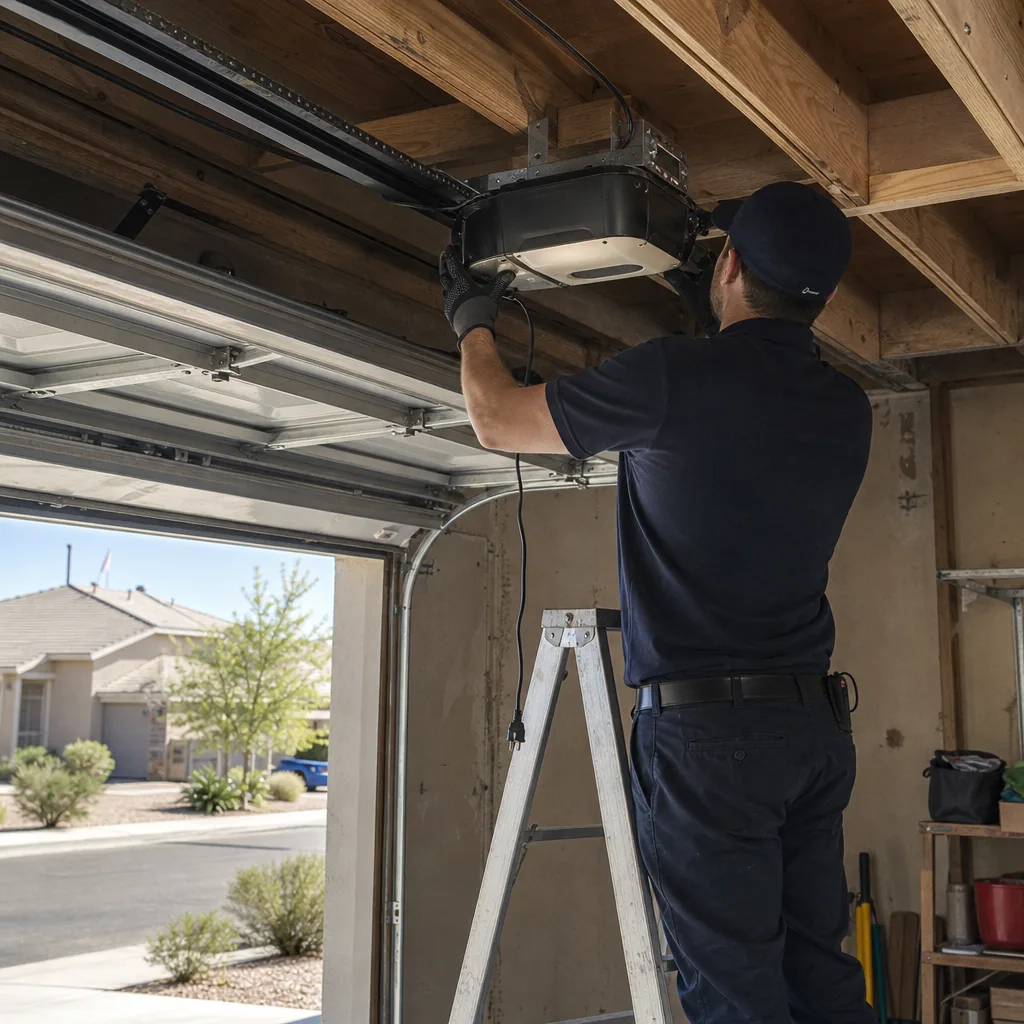
Three decisions get made before installation, and if any of them gets made wrong or late, the calendar moves. We’d rather resolve them on the phone than in your driveway.
- Drive type. Belt drive runs quieter and suits a bedroom over the garage. Chain drive is louder but heavier-duty. Jackshaft (wall-mounted) is the right call when ceiling space is tight or you have high-lift tracks. Screw drive handles temperature swings well, which matters when a Whitney summer pushes past 105°F and the garage holds that heat for hours.
- Horsepower rating. The opener has to match the door’s weight and size, not the other way around. A single-car door and a heavy insulated double-car door are different jobs, and a ½-HP unit on a door that needs ¾-HP will strain, stall, or trip its own overload protection. This is the single most common mismatch we correct: the homeowner bought the right brand and the wrong class.
- Smart-home compatibility. If you want the opener on your phone or tied to a home system, the model has to support the bridge or module you’re planning to use. LiftMaster’s MyQ ecosystem and Chamberlain’s connected units handle this natively; older Genie and Craftsman models may need a separate module. Deciding this at the point of purchase saves a second visit.
Every one of those decisions is cheap to change over the phone and expensive to change after the technician has the old unit off the ceiling. That’s why we ask about door weight, ceiling height, and smart-home plans before we schedule the install, not when we arrive.
What Actually Happens During Installation Day
A 60-minute install and a 90-minute install can look identical to a homeowner watching from the doorway. The difference is what’s being checked. Here’s what a complete job involves, in order, and why each step takes the time it takes.
- Old unit removal and inspection – 10 to 15 minutes. The old opener comes down, and we check the door’s balance, the springs, and the track alignment while we’re in there. An opener that failed because the door was binding will fail again on a new unit if the underlying problem isn’t addressed.
- Mounting and rail assembly – 15 to 25 minutes. Header bracket, rail, trolley carriage, and the opener body itself, all squared to the door’s travel. This is where a rushed install starts to show up later as vibration and noise.
- Wiring check – 10 to 20 minutes. The low-voltage control wires to the wall button and safety sensors, plus the power connection. If your garage has old wiring or the sensor run isn’t clean, this is where the time goes. We check it, we don’t assume it.
- Force calibration and limit setting – 10 to 15 minutes. The opener is taught exactly where the door opens and closes, and how much resistance to expect before it reverses. This is not a default setting. It’s tuned to your specific door.
- Safety reversal test – 5 to 10 minutes. The door is run against an obstruction to confirm it reverses, and the safety sensors are tested for beam interruption. This is the step that keeps children, pets, and cars safe, and it’s non-negotiable on every install.
Add it up: a real 70 to 90 minutes. A job done in 45 minutes almost always skips the wiring check, the calibration, or the reversal test. You won’t notice on day one. You’ll notice in month eight.
When Same-Day Installation Is Realistic, and When It Isn’t
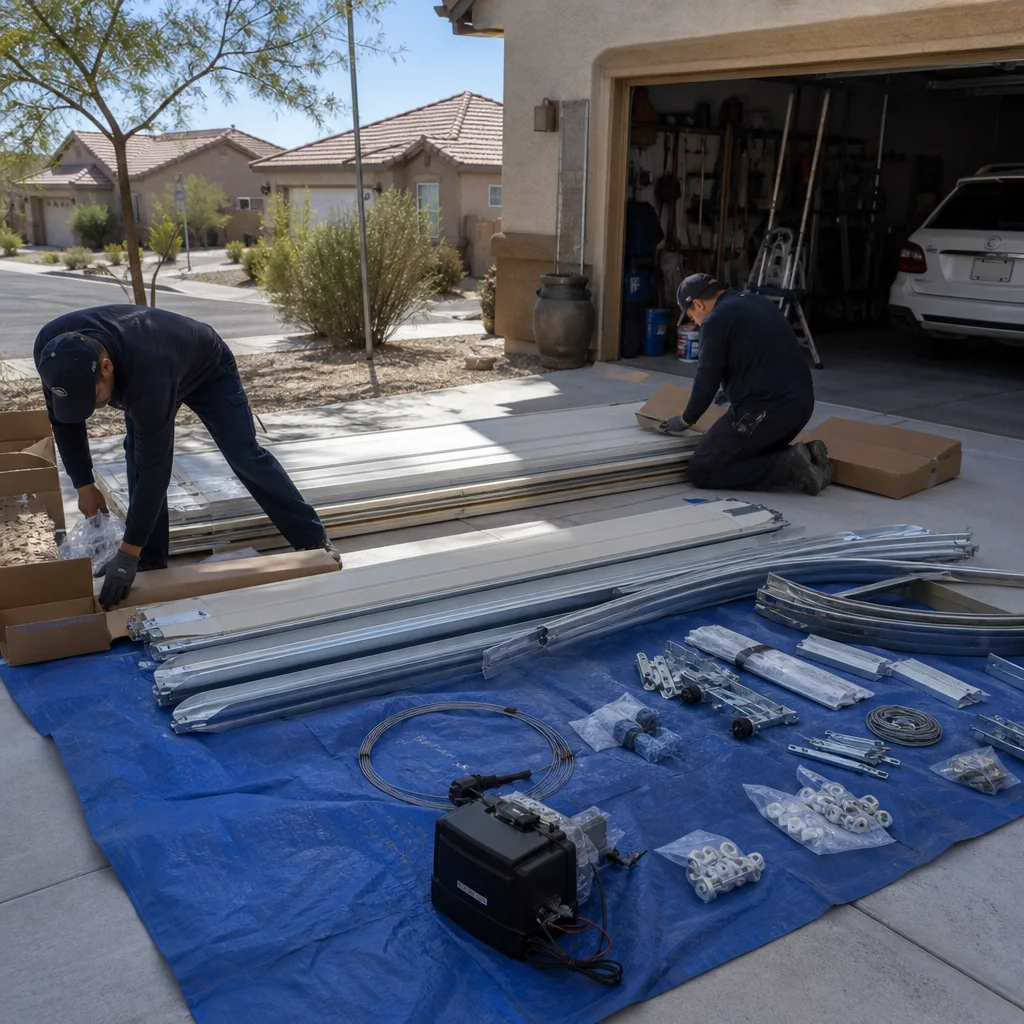
“Can you do it today?” is a fair question, and the honest answer is sometimes yes. Here’s how we decide, so you can too.
- Same-day is realistic when: the failure is a common one on a unit we stock (a LiftMaster or Chamberlain logic board, a trolley carriage, a safety sensor pair), the door is a standard weight class, the rough opening is standard, and you call during business hours. Opener repair in those cases often closes out the same day.
- Same-day is not realistic when: the opener is a specialty model we don’t stock, the door is an unusual weight or height, the rough opening isn’t standard, or the install needs a manufacturer order. Special order is the honest answer, not a failure of scheduling.
- What drives the difference: it all comes back to the door, the unit, and what’s on the shelf. A Whitney home with a standard double-car door and a common opener brand moves quickly. A custom door with a discontinued opener does not, and pretending otherwise wastes everyone’s afternoon.
We don’t quote a same-day window we can’t hit. What we do instead is give you the real window on the phone, in writing, with the parts status attached. If that means Wednesday instead of today, you’ll know why before you commit.
Repair Versus Installation: Two Very Different Clocks
People ask about “opener repair and installation time” as if it were one thing. It isn’t, and the split is worth understanding because it changes how you plan.
Repair time is short once diagnosis is done: 30 to 60 minutes for most common failures. The variable is diagnosis, not the fix. A logic board that fails to respond to the wall button could also be a wiring fault, a safety sensor issue, or a failed transformer, and finding out which takes longer than swapping the part. A technician who quotes a repair before diagnosing is guessing.
Installation time is longer on-site (60 to 90 minutes) but more predictable, because it’s a known sequence of steps. What makes installation variable is what comes before it, as covered above, plus the calibration and safety testing that a repair visit may not fully repeat.
In both cases the same rule applies: written price and written scope before any work begins. A repair that gets “discovered” into a larger job mid-visit is a bad sign, and a written scope is what prevents it. If you have a competing written estimate from another company, our free second opinion applies to it – bring the paperwork and we’ll read it against what we find.
Why the Paper Trail Matters as Much as the Minutes
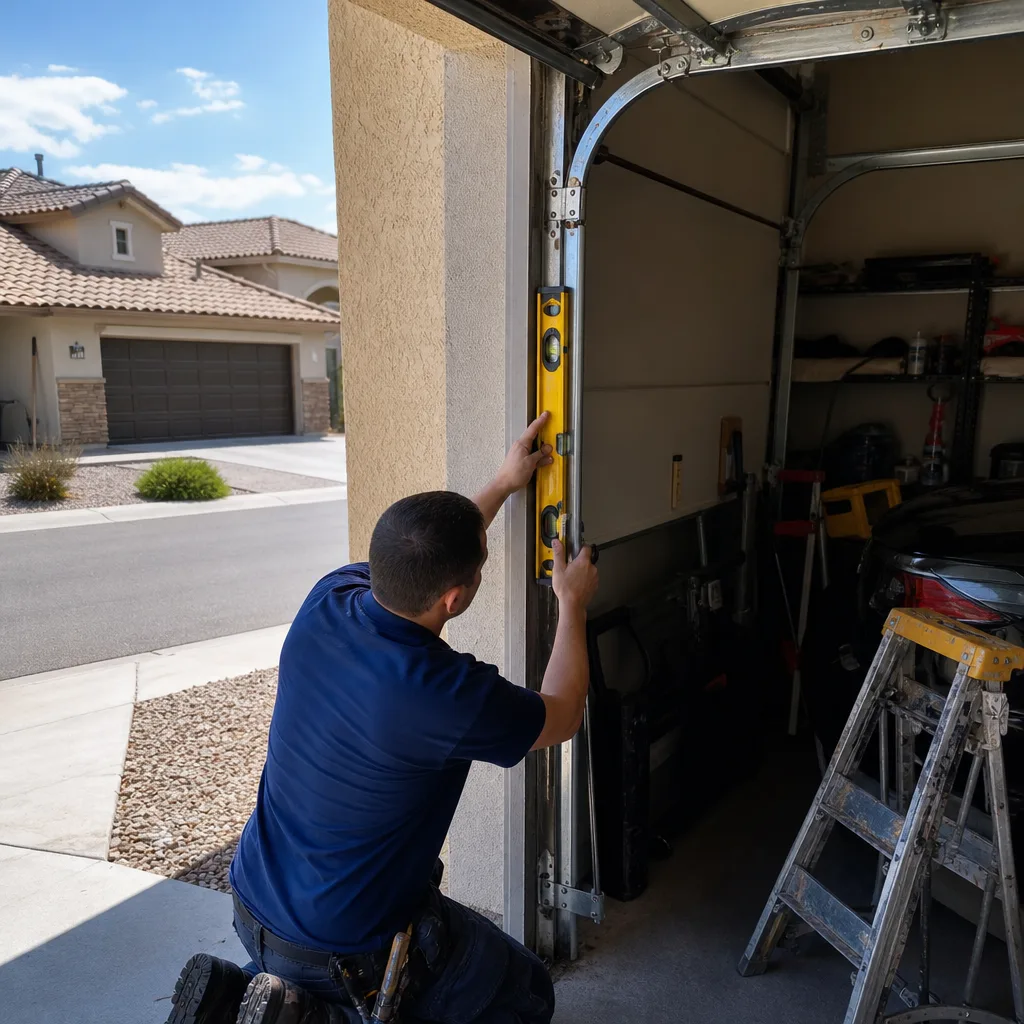
Here’s where we’re going to be blunt: a job done in 60 minutes with no written record of force settings, spring ratings, or wiring is worse than a 90-minute job with a complete paper trail. Speed is not a quality signal. Documentation is.
What does that paper trail look like on a complete installation? It includes the specifications of the unit you bought, the settings the opener was calibrated to, the door’s balance and spring condition at the time of install (photographed, per Clause 4 of The Haven Standard – which is why the technician photographs the failed part before quoting a replacement), and a written record of the work completed. When something needs adjusting a year later, that record is what lets the next technician see what was done instead of guessing at it.
We’ve always worked this way. Every job we’ve completed has closed with a written price before work began and a documented record when the technician left. It’s not a feature we added; it’s the reason we’re set up the way we are, and it’s the standard an independently owned and operated business under The Haven Standard agrees to work to.
Common Mistakes to Avoid
- Buying the opener before confirming the door’s weight class. The most common mismatch we correct is a ½-HP unit on a door that needs a ¾-HP. Confirm the class before you buy, or you’ll pay for a reinstall.
- Assuming same-day means same-hour. A repair that closes out in the same day still has to be diagnosed, quoted, and scheduled, and that’s a multi-step day. Plan for the window, not the instant.
- Skipping the wiring check to save time. A rushed install that skips the low-voltage control check and the sensor run may work on day one. Old wiring in a Whitney garage isn’t rare, and it shows up later as intermittent sensor faults.
- Leading with urgency. If a contractor pressures you with “prices going up soon” or “only two slots left,” that’s a sales tactic, not information. The evidence should speak.
- Approving a repair without a written scope. A repair that starts small and gets “discovered” larger mid-visit is what a written scope is for. No written scope, no surprise.
- Letting a smart-home decision drift to install day. Decide on the bridge or module before installation. Adding it later means a second visit.
- Skipping the reversal test because it “feels fine.” The safety reversal test is not optional and not a formality. It’s what keeps the door from trapping a child or a pet, and a job that skips it isn’t finished.
When to Call a Professional
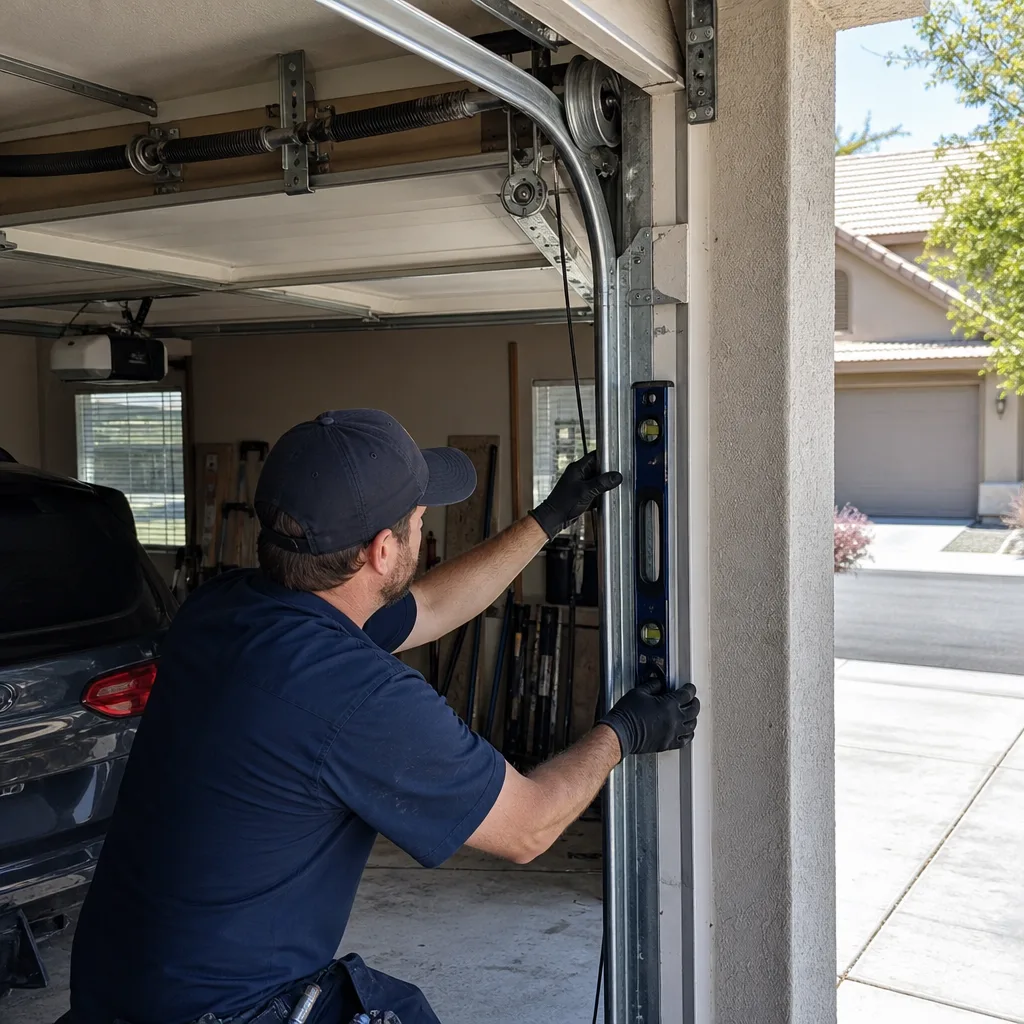
Call a professional if the opener runs but the door doesn’t move, if the door reverses without obstruction, if the safety sensors won’t stay aligned, if the remote only works from close range, or if the unit is more than a decade old and starting to strain on heavier doors. Also call if the door is binding, because an opener working against a misaligned door will fail again regardless of how good the new unit is. Opener repairs involve the torsion spring assembly and the door’s counterweight system, which are under extreme tension and are genuinely dangerous to work on without training. Diagnosing a logic board or replacing a trolley carriage is fair to research; removing a torsion spring or re-tensioning cables is not. If you’ve reached the point where the answer is a new unit rather than a fix, the most cost-effective decision is to have the install quoted properly, in writing, before you buy anything. Servo Garage Doors Whitney handles both repair and replacement, and we quote with a flat, written price before any work starts. The local business holds its own state-required license and insurance. For Garage Door Opener Repair & Installation in Whitney, our phone is answered by a live person around the clock and every visit closes with a documented photo record. Call (888) 402-1096 for a free estimate.
See the difference
BeforeAfter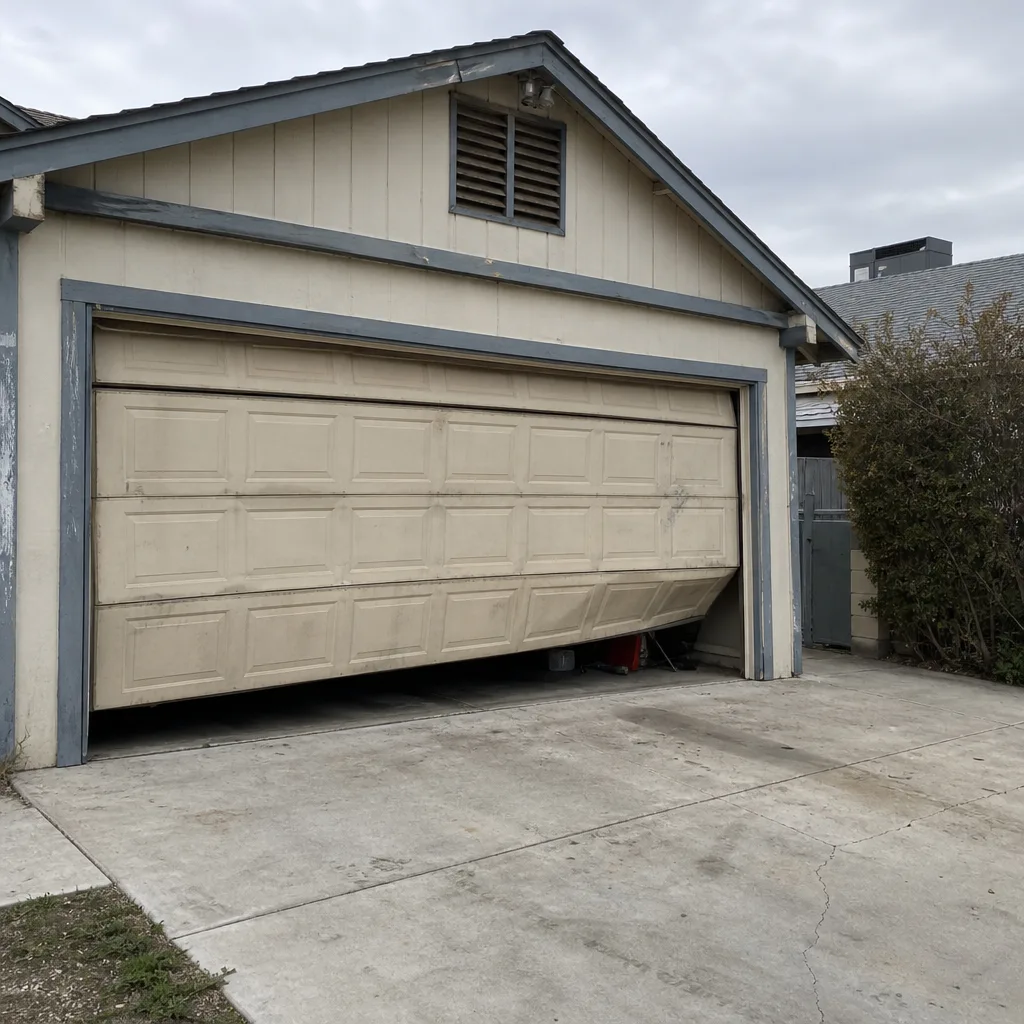 Before
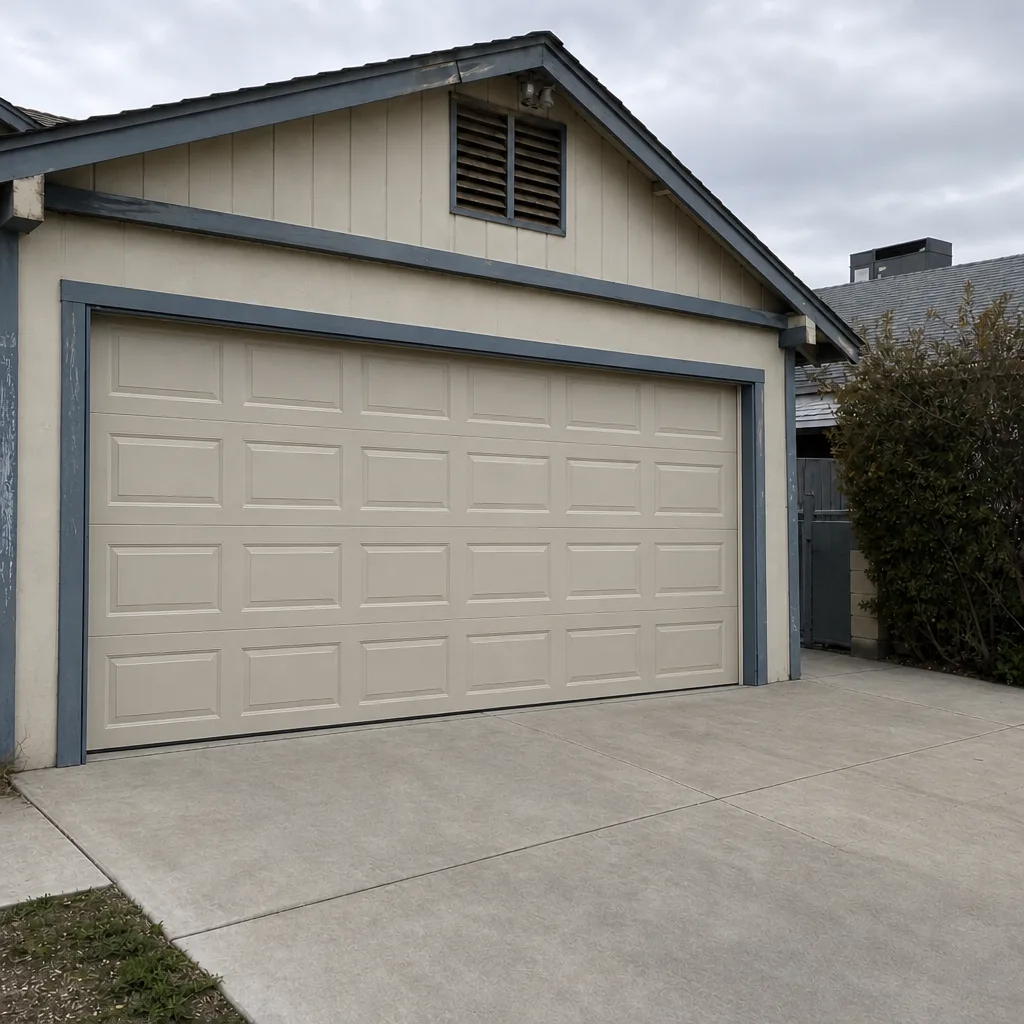 After
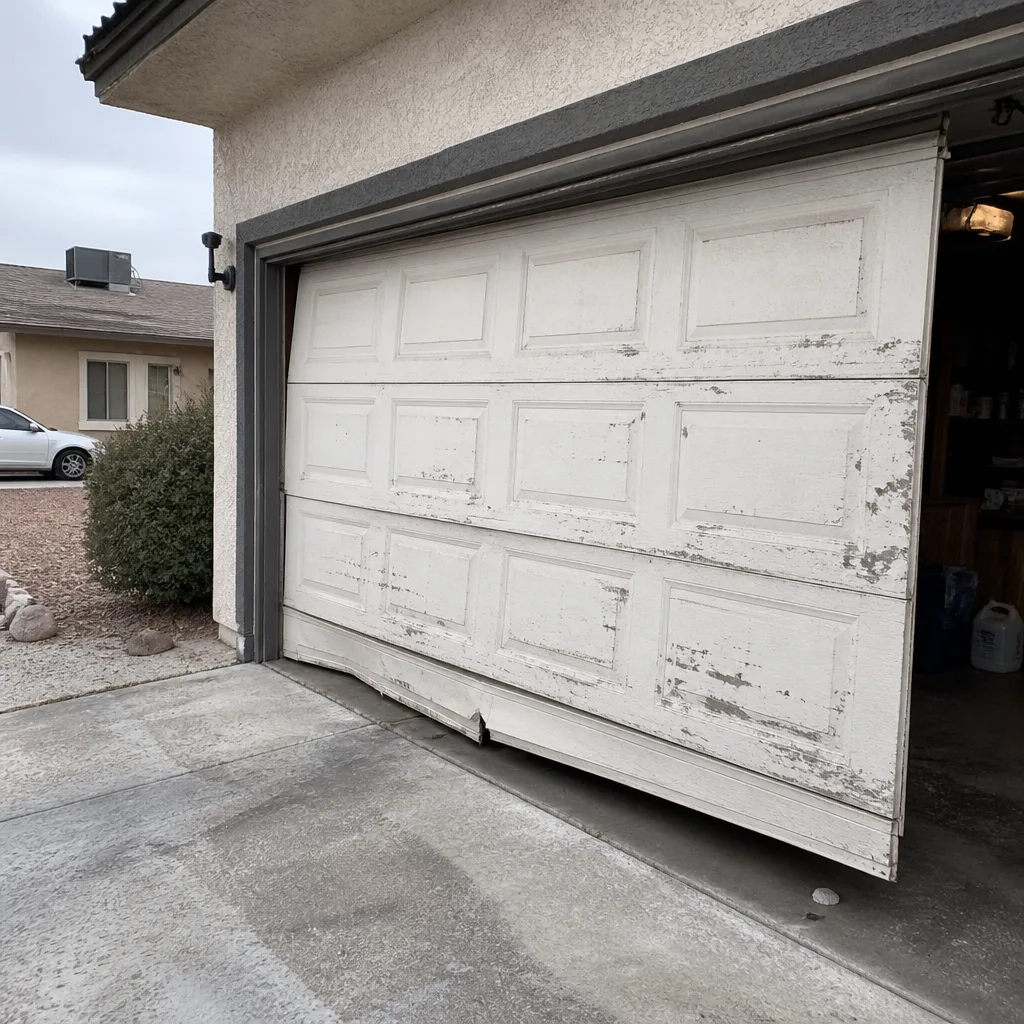 Before
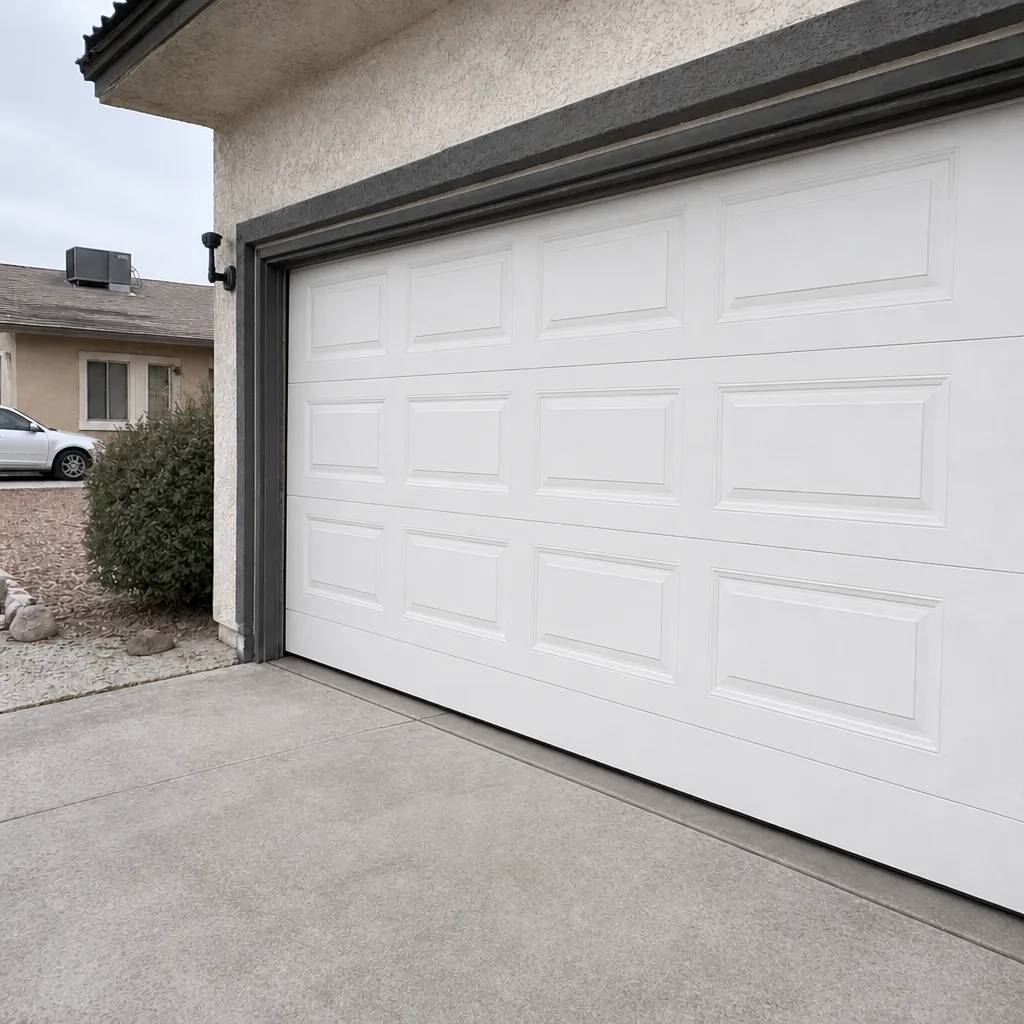 After
Frequently Asked Questions
On-site labor for a standard opener on a standard door runs 60 to 90 minutes, from old unit removal through the safety reversal test. The full elapsed time can be longer if parts have to be ordered or the installation needs scheduling, which is why we quote both the labor window and the parts status up front. Call (888) 402-1096 for a written scope before you commit to a date.
Sometimes, yes. A common failure on a stocked unit, a standard door and rough opening, and a call during business hours can close out the same day. A specialty opener or an unusual door weight class usually can’t, because the part isn’t on the shelf. The honest answer depends on what the technician finds and what’s in stock, and we’d rather tell you that on the phone than promise a window we can’t hit. Call for the real answer.
Because the visible 60 minutes isn’t the whole job. Force calibration, limit setting, the low-voltage wiring check, and the safety reversal test take time, and they’re the steps that decide whether the opener still protects your family in year eight. A faster install that skips them isn’t a deal; it’s a deferred repair. Ask what’s included in the written scope before the tech arrives.
No. The flat, written price and written scope are confirmed before any work begins, and that’s the price you pay. If the scope needs to change because something wasn’t visible on the phone, we document it with a photo and a new written quote before proceeding. No surprise invoices, no mid-job upsells. Call (888) 402-1096 for a written estimate.
The local business is licensed and insured as the state requires, and technicians are background-checked and uniformed on every job. You don’t take our word for it either way; every visit closes with a documented photo record of what was found and what was done, so you can see the work for yourself. Call for details on credentials and availability.
Repair pricing depends on the failed component and the opener’s brand and model; diagnosis and a written quote come first, and the flat price is confirmed before any work starts. We don’t quote a number over the phone that we can’t stand behind after a diagnosis. Call (888) 402-1096 for a free estimate, and if you have a competing written quote, we’ll review it free.
The Bottom Line
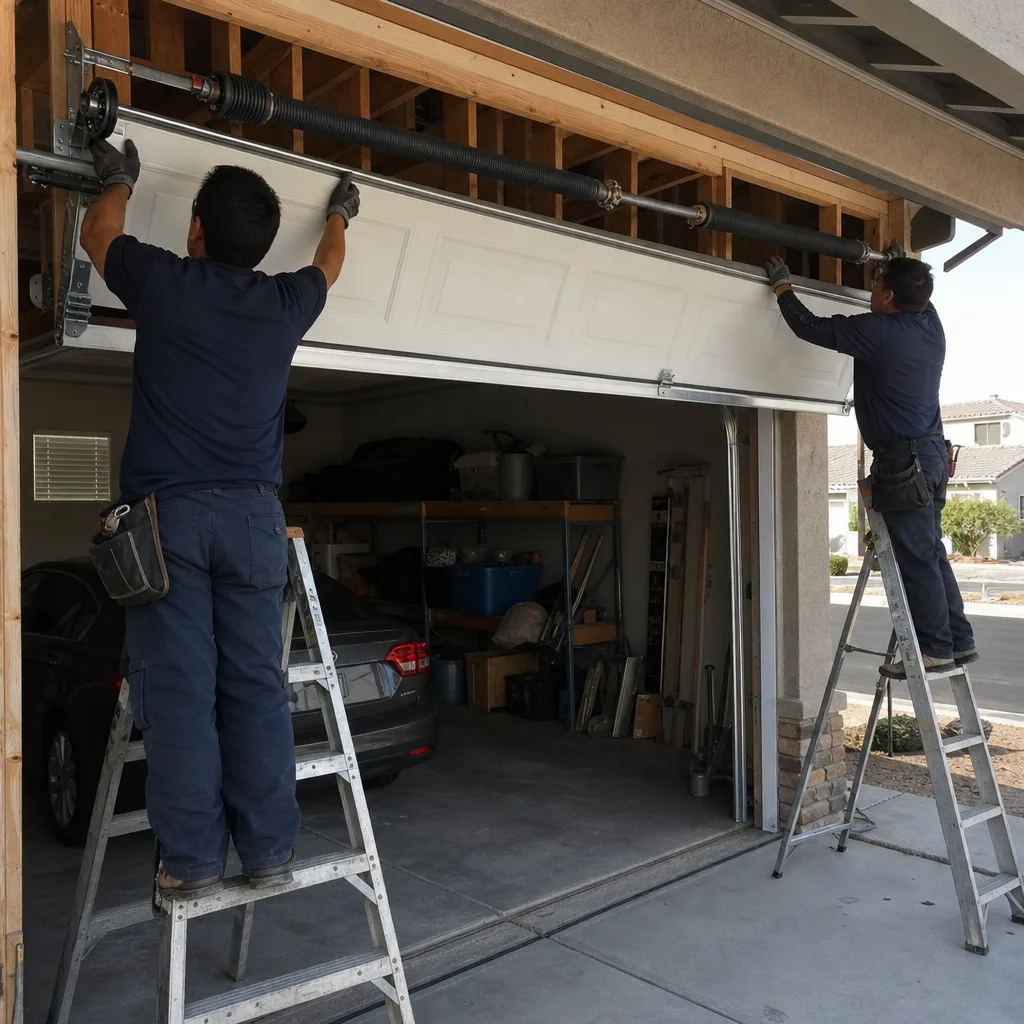
The real answer to “how long does it take” is that installation labor is 60 to 90 minutes, repair labor is 30 to 60 minutes, and the rest of the timeline is diagnosis, parts, and scheduling. Get the door’s weight class and the opener’s drive type and horsepower right before you buy, and the calendar compresses. Get them wrong, and a 90-minute job becomes a five-day one. Whitney homeowners who plan around all four phases are rarely surprised. And the paper trail matters every bit as much as the minutes: a written price before work starts and a documented record when the technician leaves. Our technicians have up to 11 years of experience, and every visit closes with both. See what else we do on our Servo Garage Doors Whitney home page, or read about Garage Door Installation in Whitney and Garage Door Repair in Whitney before you call. If the door is binding or the springs are involved, don’t touch it yourself; that’s the one part of the job that genuinely deserves a trained professional, every time.
For a written scope, a flat price, and a real timeline before anyone shows up, call (888) 402-1096 for a free estimate. Calls are answered by a live person, including after hours, and every job ships with a documented photo record of the findings and the completed work.
Written by the team at Servo Garage Doors Whitney.